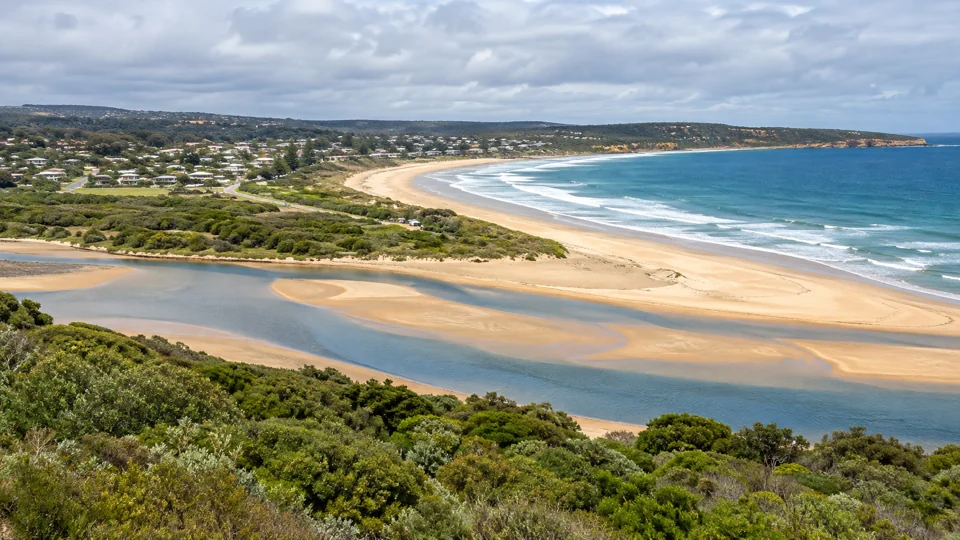
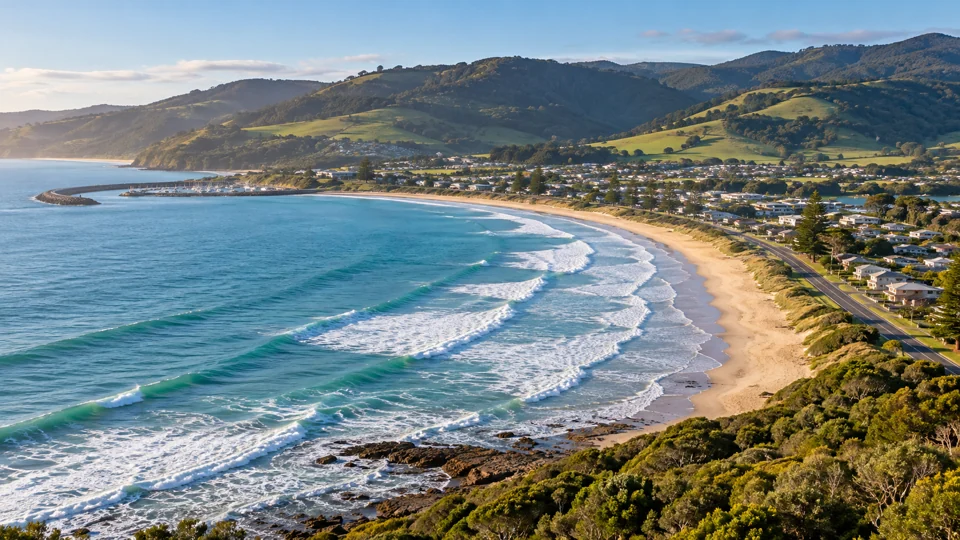
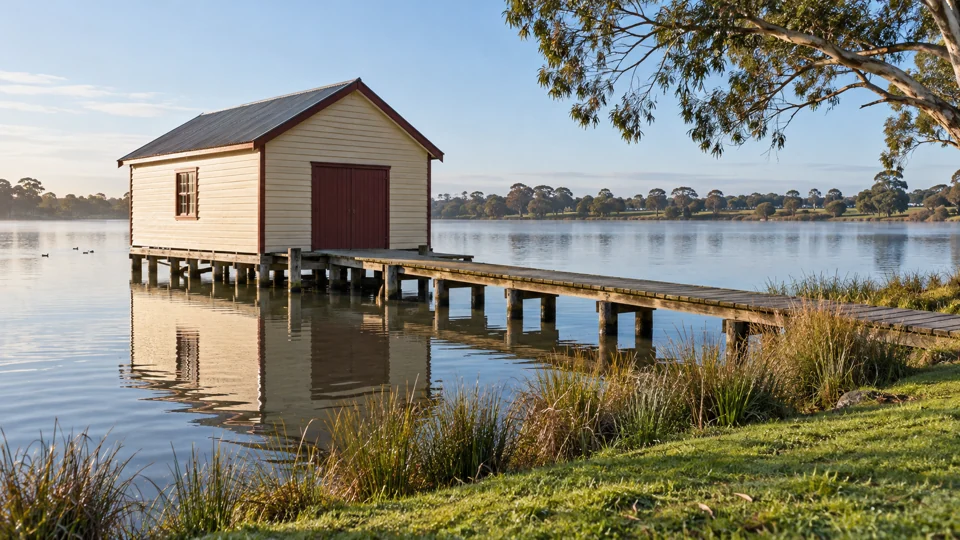
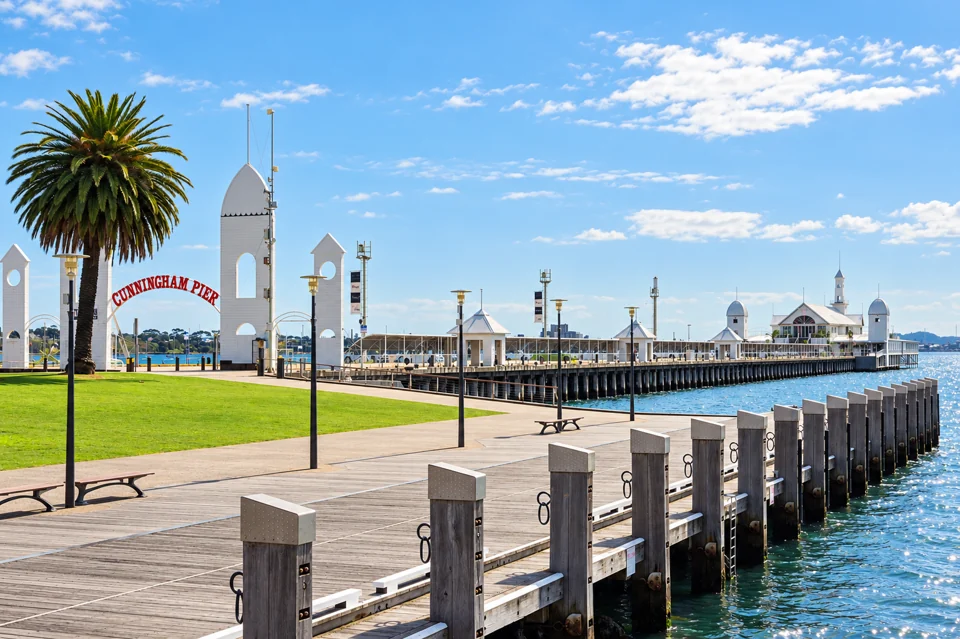
Victoria is the state in Australia’s south-east, with Melbourne as its capital. It is the second-smallest state by area, at about 227,000 sq km, and the most densely populated. Most of its people live around Port Phillip Bay, the large bay on which Melbourne sits. That concentration shapes a trip: the city is the main arrival point and base, and the coast, wine valleys, mountain ranges and national parks sit within roughly one to four hours’ drive of it.
A first trip works best when it centres on one or two of those regions. The Great Ocean Road and the Grampians suit a multi-day loop, the Yarra Valley and Mornington Peninsula suit day trips, and Wilsons Promontory suits an overnight stay if the booking is made early. Getting around in Melbourne runs on a smartcard called myki. Regional trips run on V/Line trains and coaches or a hire car. Summer travel needs a check of bushfire warnings. The Australian Government sets entry rules for international visitors.
Victoria’s geography and climate
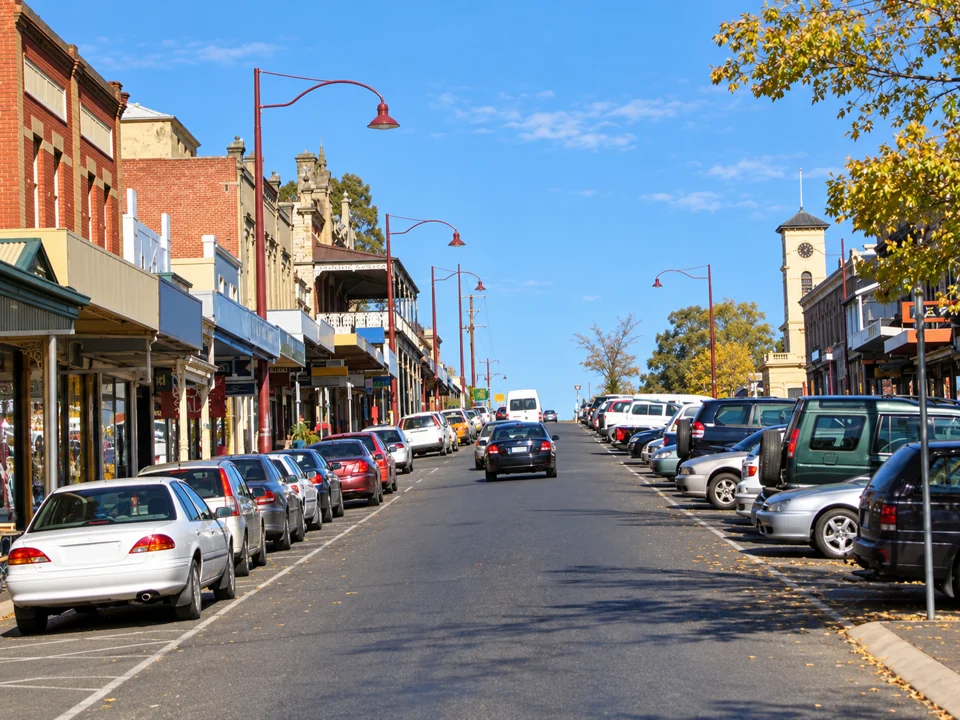
Victoria was named after Queen Victoria and separated from New South Wales on 1 July 1851. Gold was found near Ballarat that same year, and the population jumped from about 76,000 to about 540,000 by 1860. The Goldfields region still carries that history in its towns, museums and heritage streetscapes.
Within a small area, the terrain shifts from desert fringe to alpine highlands. The north-west and west are flat, sandy and dry, where the Mallee region (low scrubland) merges into desert. The centre and east rise into highlands that form the southern end of the Australian Alps, and the Victorian Alps sit in the north-east. The south faces the Tasman Sea and the Southern Ocean, with Gippsland forming the south-eastern coastal region. The Murray River marks almost the whole border with New South Wales, and South Australia lies to the west.
Climate follows that layout. According to Wikipedia’s state overview, conditions run from temperate on the coast and through central areas, to alpine in the north-east and semi-arid in the north-west. A coastal day and a mountain day in the same week can feel like different seasons, so pack layers for any trip that mixes the two.
Two figures help with reading a map. Victoria has 79 local government areas, which are the councils that manage towns and shires, and many regional attractions are described by the council area they sit in. "Melbourne" itself usually refers to a Greater Capital City Statistical Area of 9,993 sq km covering 30 local government areas, which is far larger than the central City of Melbourne council. That wider area holds most of Victoria’s population. A hotel described as "in Melbourne" can therefore sit well outside the central grid.
Spring (September to November) and autumn (March to May) suit many visitors. Wildflowers bloom in September and October at Wilsons Promontory and the Grampians, and autumn brings the harvest in the Yarra Valley and King Valley. Summer is the busy beach season and also the main bushfire period.
Regions and travel bases
The Visit Melbourne regions listing names seven areas reachable by road: Gippsland, Geelong and the Bellarine, the Murray, the Great Ocean Road, the Yarra Valley and Dandenong Ranges, the Goldfields, and the Mornington Peninsula. The Grampians in western Victoria are a separate rural region with two sub-regions, the Central Highlands and Wimmera Southern Mallee.
Day trips from Melbourne
The Yarra Valley is just under an hour’s drive from the city and combines wineries, wildlife, history and walks. The neighbouring Dandenong Ranges have fern glades and forest. The Mornington Peninsula is about an hour away and offers coastal scenery, villages, wineries and golf. Both regions work as a single day out or as a base for two nights, and neither requires an early start.
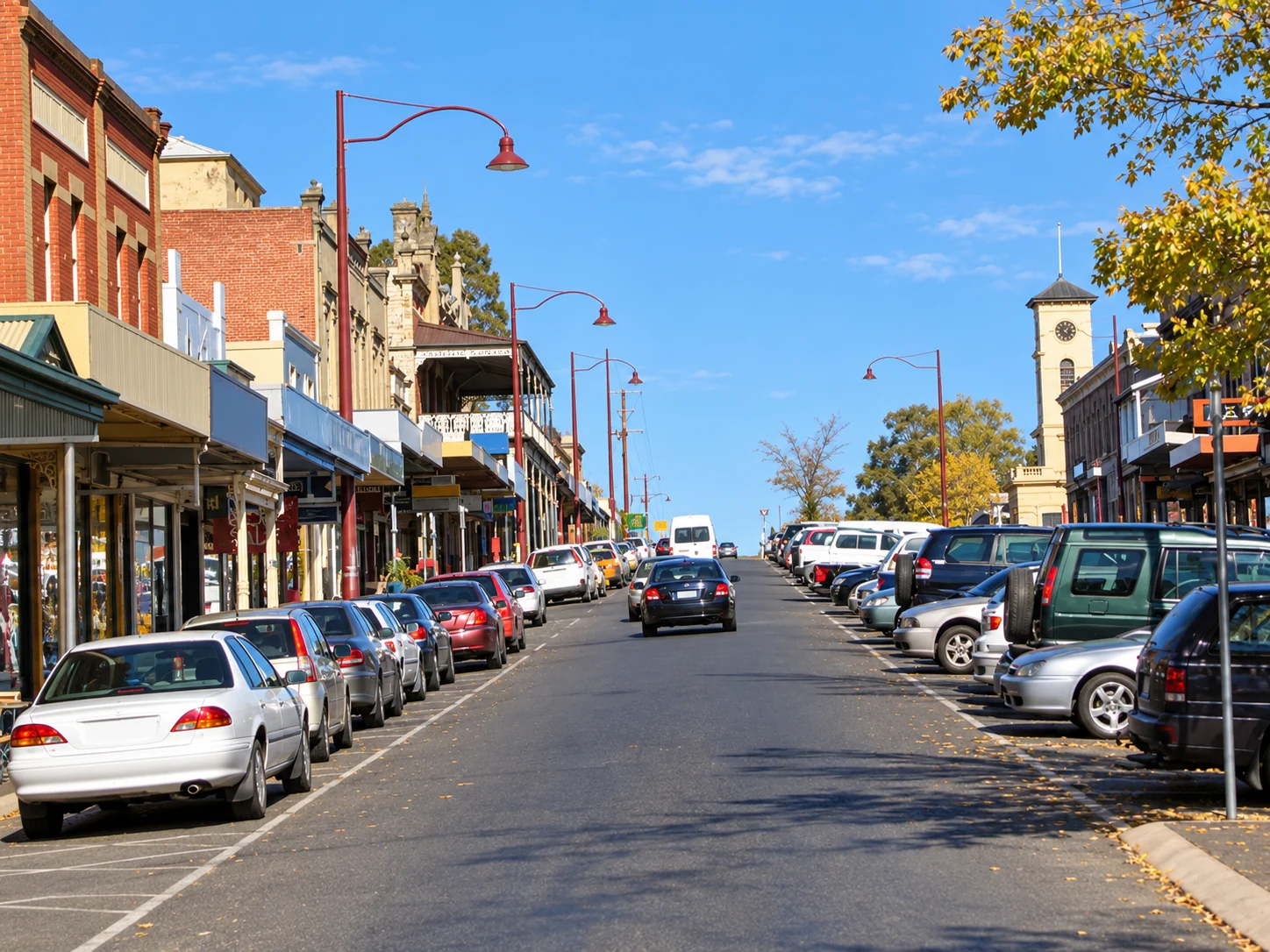
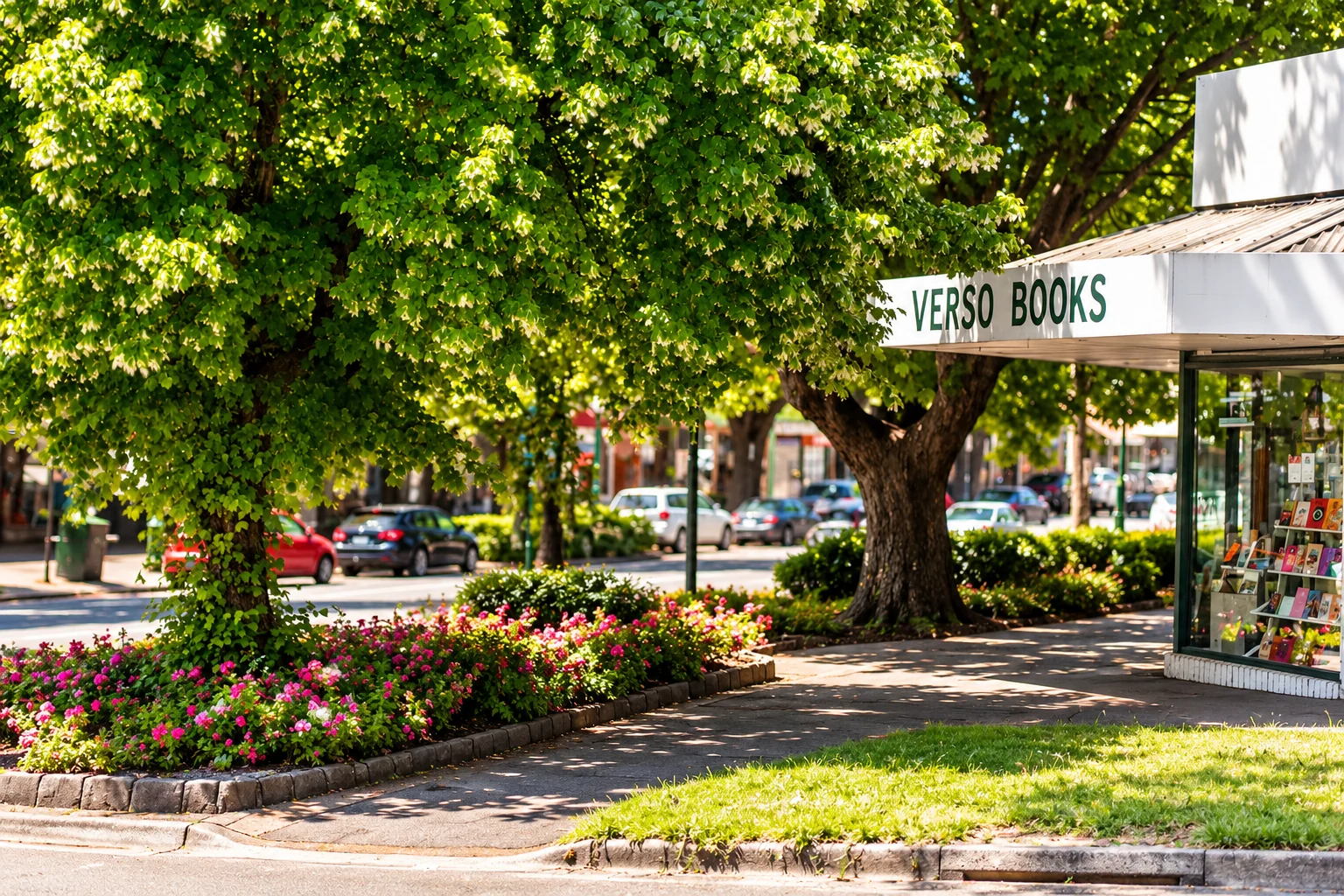


Phillip Island is a further day trip or overnight stay, known for its nightly Penguin Parade. Phillip Island Nature Parks are ticketed separately from Parks Victoria parks, so a Parks Victoria pass or booking does not cover the penguins. Check current prices with the operator before you go.

The Great Ocean Road and the south-west
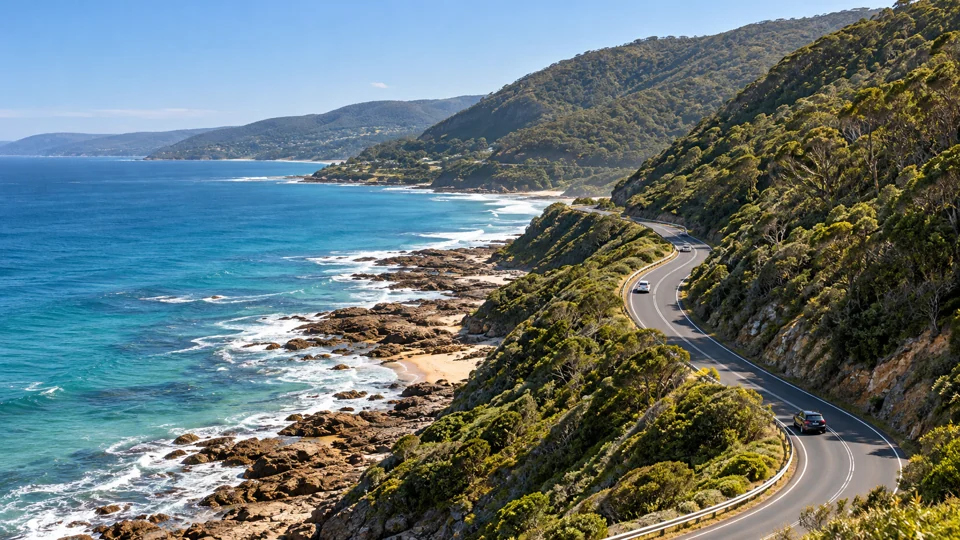
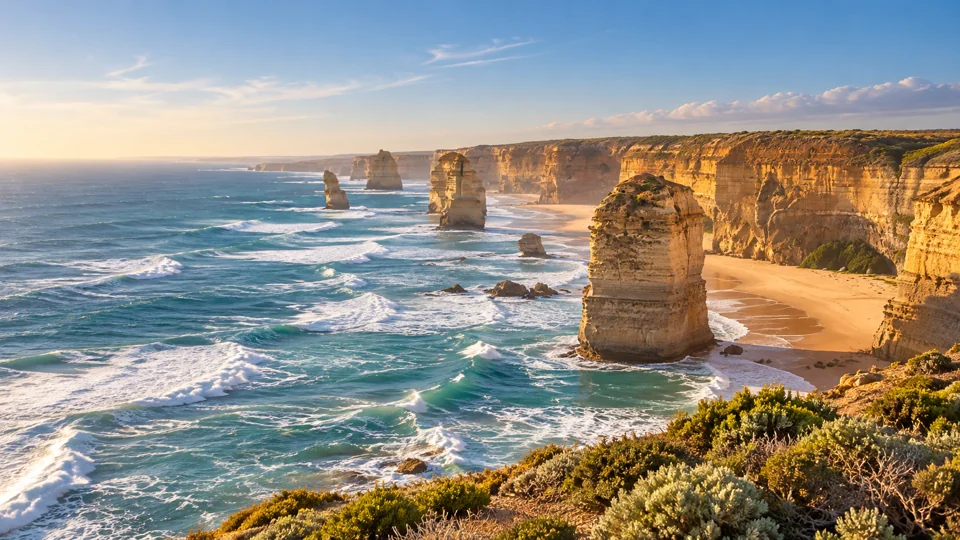
The Great Ocean Road runs from Torquay to Allansford, and Torquay marks its official start. Apollo Bay, at the foothills of the Otway Ranges, is the usual overnight base for the road, the Twelve Apostles (rock stacks standing in the Southern Ocean) and the Great Ocean Walk. Cape Otway lightstation is about 50 minutes’ drive from Apollo Bay. Port Campbell is the approach town for the Twelve Apostles. Drive times from Melbourne to points on the road range from one to three hours, and the Great Otway National Park is about two and a half hours away.

Port Fairy, at the western end, is a fishing village with historic walking trails, and a seal cruise to Lady Julia Percy Island leaves from there. Dunkeld is the gateway to the southern Grampians, about 90 km north of Port Fairy, and Halls Gap is the main base for the ranges. Port Fairy to Halls Gap is 158 km, about two and a half hours’ drive.

The Grampians
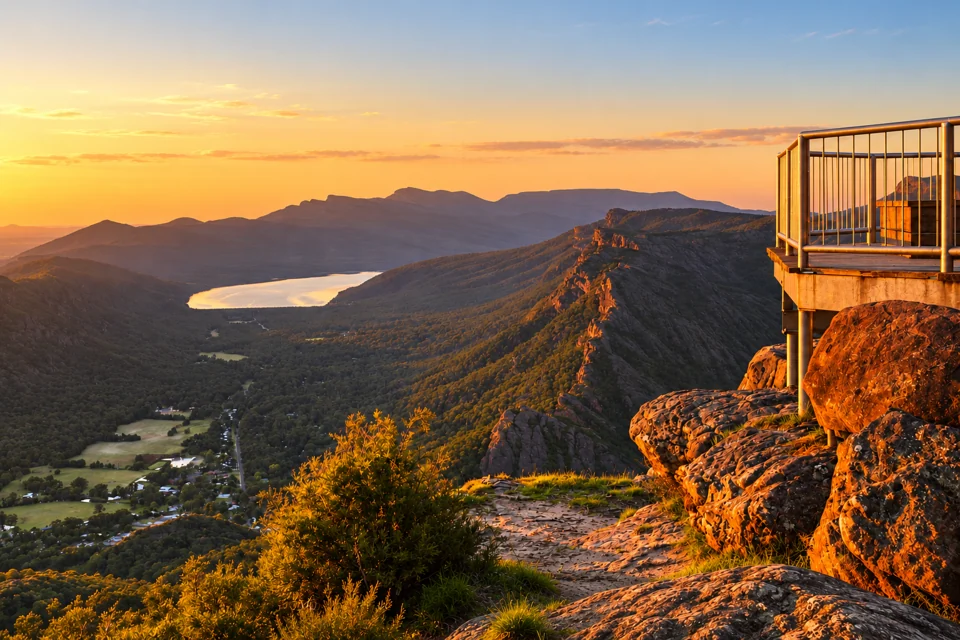
The Grampians have sandstone ranges, forest, wildlife and Aboriginal rock art sites, and they are the traditional land of the Jardwadjali and Djab wurrung people. From Halls Gap, visitors hike, canoe, rock-climb, abseil and fish. Kangaroos, koalas, emus and wedge-tailed eagles live in the park. Mounts Sturgeon and Abrupt each take about three hours return and need good fitness. The park covers roughly 167,000 ha with many walking tracks, open year-round.
Gippsland and the east
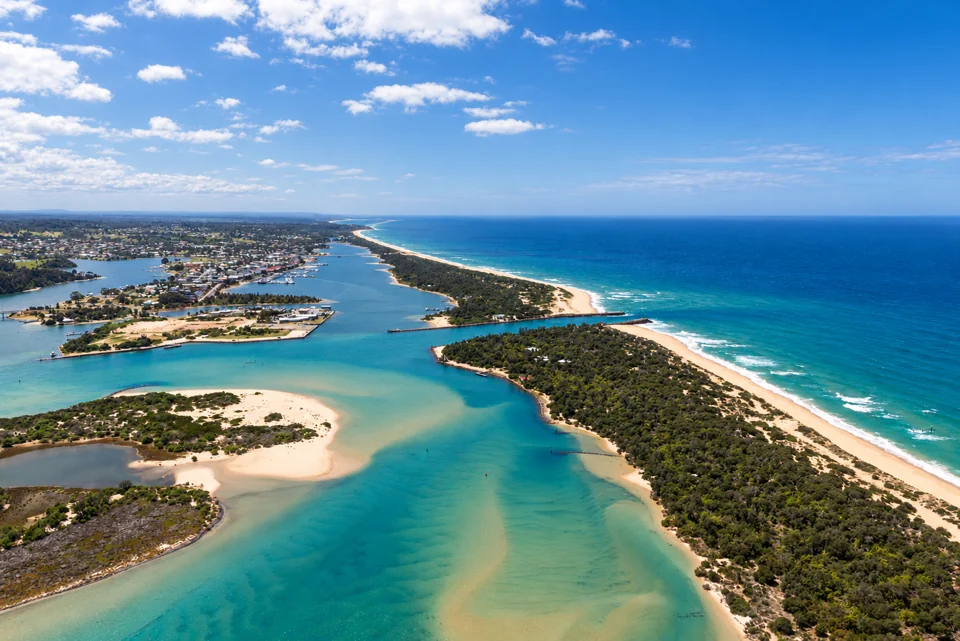
Gippsland is reached by the Great Alpine Road or the Sydney to Melbourne Coastal Drive. Central Gippsland is one to two hours from Melbourne, and East Gippsland takes about four hours, so it suits a trip of its own rather than a day out. Wilsons Promontory, covered in the parks section, sits at its southern end.
Putting regions together
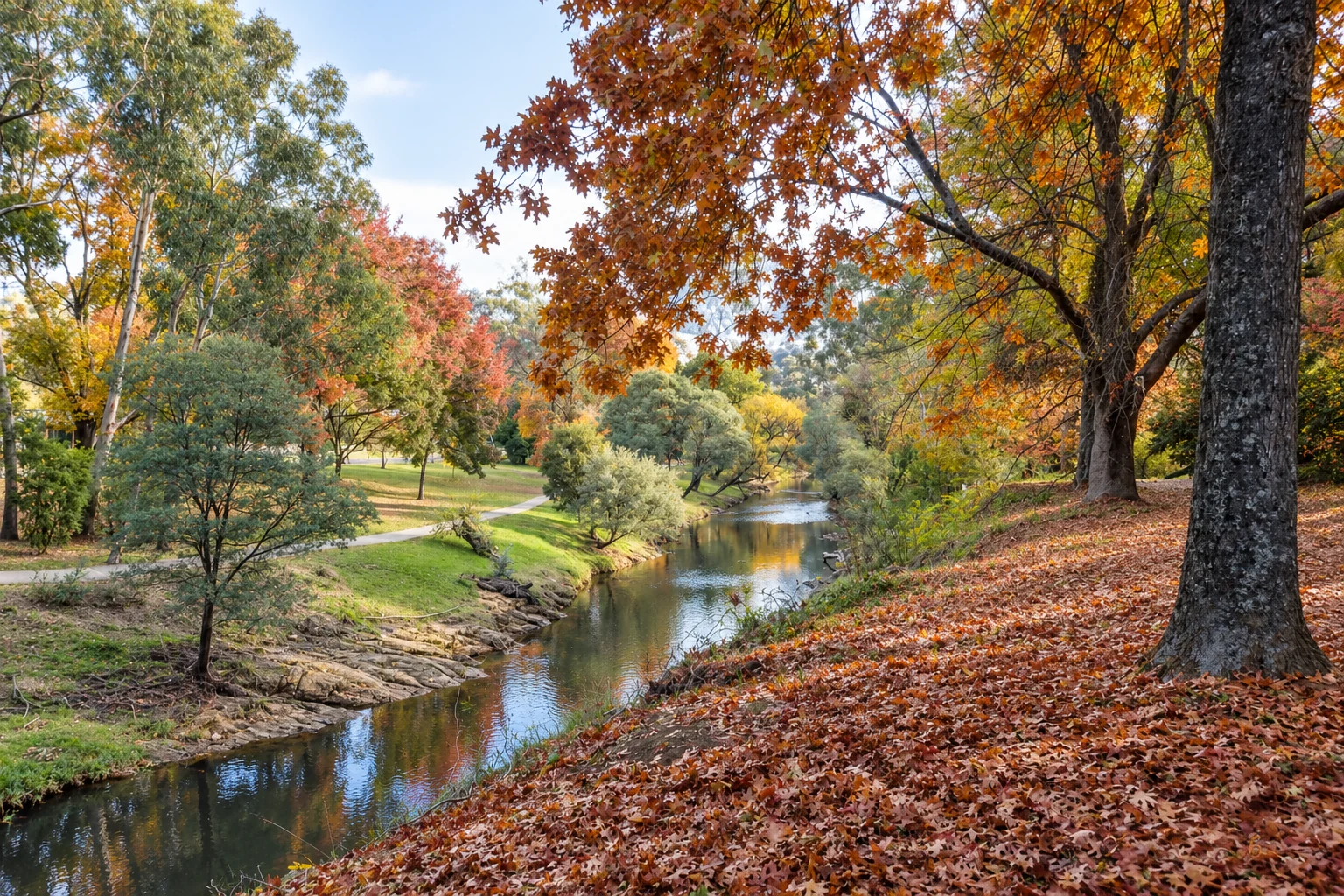
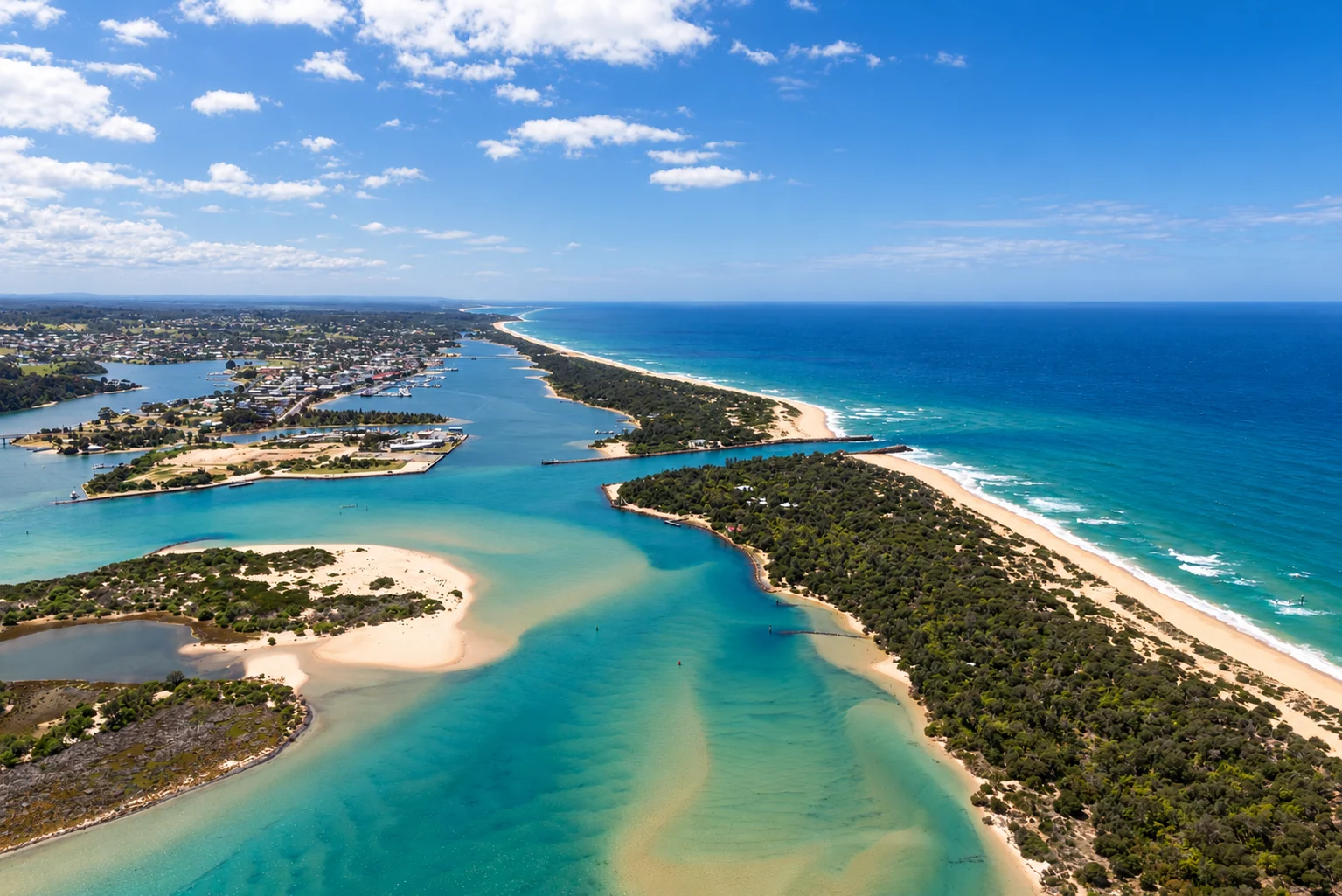
For a first trip of about a week, two loops cover most of what visitors want. Visit Melbourne outlines a five-day round trip covering the Great Ocean Road, the Grampians, the Goldfields and spa country. YHA describes a three-day route from Melbourne to the Grampians that follows the coast via Apollo Bay and Port Campbell, then turns north to Halls Gap. Along the way, the Great Ocean Road Memorial Arch marks the official gateway, and Maits Rest has a free 30-minute boardwalk through rainforest. Allow a full day for the coastal stretch, since the drive itself is slow and the stops are the point.

Getting around Melbourne and reaching the airports
Melbourne’s trams, trains and buses all run on myki, a reloadable smartcard that you tap on and off at readers. Transport Victoria’s guidance confirms a Free Tram Zone covering the CBD and Docklands, where trams are free and need no myki when you travel only within the zone. Outside it, a card is required.
Fares
Fares change each January, and Victoria has also run a temporary half-price period. Reports on the 1 January 2026 increase put the full-fare daily cap for Zones 1 and 2 at $11.40, with Zone 2 alone capped at $7.20 and a two-hour fare for both zones at $5.70. A fare calculator for Melbourne visitors lists public transport across Victoria as half price from 1 June 2026 to 1 January 2027, with the daily cap falling to $5.70. Under that discount, a full-fare trip in Zones 1 and 2 costs $2.85. If your dates fall near the end of that period, check the Public Transport Victoria fares page, because the figures revert after 1 January 2027.
Melbourne Airport
Transport Victoria states that all public transport to and from Melbourne Airport requires a myki card. Most public buses use the airport bus interchange on the ground floor of the domestic Terminal 4 car park. Routes 478, 479 and 482 run to Airport West and Sunbury, and Route 901 runs daily to Broadmeadows, Roxburgh Park, Epping and Greensborough.
The SkyBus Melbourne City Express is a separate paid service between Southern Cross Station and the airport, and myki cannot be used on it. Tickets are sold online, in the SkyBus app or at an e-kiosk. Buses leave Southern Cross from Bay 75 at the Spencer Street bus interchange and stop at Terminals 1, 3 and 4, where Terminal 4 is pick-up only. SkyBus also runs Peninsula, Eastern and Sunshine Express services to the bayside, peninsula, eastern and western suburbs.
Regional operators run their own airport shuttles for Ballarat, Bendigo, Geelong (Gull) and Gippsland (Gippy Shuttle), each with its own timetable and booking system. Check the operator’s website before you rely on a connection.
Avalon Airport
Some budget flights arrive at Avalon Airport, between Melbourne and Geelong. The Avalon City Express SkyBus links the airport with Werribee and Southern Cross, and Route 18 runs daily from Lara Station and requires myki.
Regional trains, coaches, driving and tolls
V/Line trains and coaches
V/Line is Victoria’s regional public transport operator, running trains and coaches between Melbourne and towns and cities across the state. Most V/Line trains depart from Southern Cross Station. The master timetables list train lines to Bendigo, Echuca/Moama and Swan Hill and coach services to Mildura, Mount Gambier, Warrnambool, Hopetoun and Wendouree, with most timetables effective from 23 August 2026. A seasonal coach from Melbourne to Apollo Bay along the Great Ocean Road runs from 14 December to 27 January, which suits visitors who want the coast without driving it.
For late arrivals, the V/Line Night Coach leaves Southern Cross at about 2am for Ballarat, Bendigo, Traralgon and Geelong, and myki is valid on Night Network services at standard fares. Timetables are not a live feed, so check V/Line’s service status updates before a trip. Public transport reaches the larger regional towns, but the Great Ocean Road lookouts, Grampians trailheads and Wilsons Promontory are far easier with a car.
Driving with an overseas licence
Visitors may drive on an overseas licence if it is current, valid for the type of vehicle being driven, and the driver plans to live and drive in Victoria for less than six months. VicRoads counts the six months from the day the driver starts living in Victoria, even if the driver leaves and returns. The licence cannot be used by anyone disqualified or suspended in any country, or who has failed a driving test in Victoria. If the licence is not in English, carry an English translation or an international driving permit in English.
Transport Victoria’s tourist driving guidance covers the basics: drive on the left, wear seatbelts, take a break every two hours, do not use a phone while driving, give way at intersections and roundabouts, and do not overtake across solid lines. Long regional drives, such as Melbourne to East Gippsland at about four hours, warrant a stop every two hours.
Toll roads
Victoria’s toll roads are run by private operators, and drivers are legally required to pay. Prices depend on distance, vehicle type and the pass or account used. Toll roads have blue and yellow signs, and Google Maps and Whereis let drivers include or exclude tolls in a route.
Visitors without an account can use a pass. Transport Victoria explains that passes can be bought before travel or up to three days after using a toll road, online, by phone or in person. Options include CityLink passes (CityLink only), EastLink trip passes (EastLink only) and a Visitor’s pass valid on both. Linkt runs CityLink and the West Gate Tunnel tolls, and ConnectEast runs EastLink. Hire cars often carry their own toll arrangements, so ask the rental company how tolls are billed. An unpaid toll leads to a payment request and then an infringement notice. Linkt Customer Care is on 13 33 31 (7am to 7pm, Monday to Friday).
National parks and wildlife
Victoria has 44 national parks and 35 state parks, covering more than 2.6 million hectares of protected land. Parks Victoria does not charge a day entry or vehicle fee at its national parks, and camping fees apply where you stay overnight. Half-price camping at most bookable Parks Victoria campgrounds applies from 1 July 2025 to June 2027, including the Grampians, Great Otway and Mount Buffalo. It excludes the Grampians Peaks Trail walk-in huts and some premium Tidal River cabins.
Wilsons Promontory
Wilsons Promontory ("the Prom") is the southernmost point of mainland Australia and about two and a half hours from Melbourne. Parks Victoria’s welcome guide says day entry is free and the park is open every day, including weekends and public holidays.
Tidal River is the main hub, about 30 km and 30 minutes by road from the park entrance, with a 10 km/h speed limit inside the settlement. There is no fuel at Tidal River, and the nearest fuel is at Yanakie. Services include fresh water, picnic areas, free gas barbecues, mobile charging and a general store and café with varying hours. Mobile reception is unreliable, and public phones are outside the general store.
Camping requires booking ahead. Tidal River has 20 powered sites that fill quickly, and Parks Victoria advises booking well in advance for summer school holidays, Easter and most long weekends. Each site takes up to six people, and every vehicle must fit on the site. Overnight hikers need a campsite permit before they start. Bookings are on parks.vic.gov.au or 13 1963. Wildlife is most active from dusk to dawn, and the guide recommends leaving before sunset to avoid collisions.
Grampians and Port Campbell
Grampians National Park has no vehicle entry fee, and camping fees apply. Its draw is sandstone mountains and rock art, while Port Campbell National Park is known for the Twelve Apostles. Visit Melbourne’s roundup of regional highlights also names Grampians peaks, Yarra Valley pinot, Great Ocean Road swimming, a High Country picnic and a Phillip Island jet boat among the experiences visitors rate most.


Bushfire season and fire rules
Victoria’s higher-risk bushfire period runs through the warmer months. Visit Victoria tells travellers to follow its bushfire safety tips from November to April. Each municipality declares its own Fire Danger Period, and in some years the period is extended. An Emergency Victoria release described a warm, dry autumn that extended the period in parts of the state for the first time since 2019. The 2024 to 25 season included a heatwave with temperatures up to 43°C at Mildura, and the Grampians region was evacuated.

Reading the ratings
The Country Fire Authority (CFA) publishes four Fire Danger Rating levels: Moderate (plan and prepare), High (be ready to act), Extreme (take action now to protect life and property) and Catastrophic (leave bushfire risk areas for survival). Ratings are forecast up to four days ahead using Bureau of Meteorology data, and local ratings and Total Fire Bans (days when lighting any open fire is prohibited) are on CFA Local.
Visit Victoria advises travellers to download the VicEmergency app, keep their phone charged and check the rating for their destination before leaving. On Extreme days, reconsider travel through bushfire risk areas, and never travel into one where a Catastrophic rating is forecast. Phone reception may be unavailable across regional Victoria, so do not rely on a live signal on the road. The VicEmergency Hotline is 1800 226 226. On a Total Fire Ban day, campfires are not allowed and only gas and electric barbecues are permitted where regulations allow. Grassfires can move at up to 25 km/h and jump highways, and planned burns on public land, mostly in autumn with some in spring, can cause unexpected smoke. Forest visitors should also note that a low-risk morning can become high risk by afternoon, so recheck the rating during the day.
Rules at Wilsons Prom
The Prom has stricter rules than the state baseline. Fires, including campfires and solid-fuel barbecues, are banned at any time. On Total Fire Ban days, liquid fuel and gas camp stoves are also banned, though built-in gas cookers in caravans and built accommodation may be used. On Catastrophic days the park closes, and anyone inside should leave the night before or as early as possible in the morning. Dial Triple Zero (000) in an emergency, and the Tidal River Duty Officer (park emergencies only, 24 hours) is on 1300 247 594. Parks Victoria recommends visitors hold ambulance membership or insurance covering ambulance transport.
Visas, customs and entry rules
Victoria sets no entry rules of its own. Unless you are an Australian or New Zealand citizen, you need a visa, and other passport holders must apply before leaving home. For tourism, Visit Victoria lists the Electronic Travel Authority (ETA), the Visitor visa (subclass 600) and the eVisitor (subclass 651), with permitted stays of up to three, six or twelve months depending on the visa.
Tourism Australia’s visa FAQ describes the ETA (subclass 601) as allowing multiple visits over up to a year, with stays of up to three months per visit, applied for through the Australian ETA app. The eVisitor is a free visa for tourism or business with multiple visits of up to three months each in a 12-month period, and it cannot be extended. New Zealand passport holders can apply for a visa on arrival. Insight Guides gives the ETA fee as AUD 20 and notes that visitors on ETAs, eVisitor visas and tourist visas may not work in Australia. Working holiday visas are for travellers aged 18 to 30, or 35 for some countries, and Visit Victoria advises applying several months before travel.
Overstaying carries real penalties. The US State Department warns that even a few days over can lead to detention, deportation and a ban on returning, and the same logic applies to any nationality, so check your visa end date against your return flight.
On arrival, passengers complete an immigration form and Customs and Agriculture declaration forms. All goods of animal or plant origin must be declared, fresh fruit and vegetables cannot be brought in, and leftover food from the flight should go in the quarantine bins in the arrival area. The Department of Home Affairs publishes full details on entering Australia.
Travel from other states needs no paperwork. The Victorian Department of Health states there are no vaccination, quarantine, permit or testing requirements to enter Victoria from interstate, and travellers can continue directly to another state after arriving. International arrivals by air or sea must still meet Commonwealth entry requirements.
Key Takeaways
- Pick two regions, not seven: Combine the Great Ocean Road with the Grampians, or pair the Yarra Valley with the Mornington Peninsula, because drives between regions run from one to four hours.
- Buy a myki for Melbourne, and treat SkyBus as separate: public transport to Melbourne Airport requires myki, while SkyBus sells its own tickets and does not accept it. Check the Public Transport Victoria fares page, since the half-price period ends on 1 January 2027.
- Hire a car for the coast, the Grampians and Wilsons Prom: V/Line serves larger towns, but trailheads and lookouts are far easier by road. Sort out toll passes, which can be bought up to three days after travel.
- Book Wilsons Prom camping well ahead: Tidal River has only 20 powered sites, and summer school holidays, Easter and long weekends fill first. Day entry is free, there is no fuel at Tidal River, and phone reception is unreliable.
- Check the Fire Danger Rating and Total Fire Ban status before each outdoor day: the higher-risk months run from November to April, and Wilsons Prom closes on Catastrophic days.
- Sort your visa before you fly: most visitors need an ETA, eVisitor or Visitor visa, and none of them allow work.