
For a private rental in Victoria, the rental provider lodges the bond with the Residential Tenancies Bond Authority (RTBA), which holds it during the tenancy. The bond is repaid when the tenancy ends unless someone makes a claim against it.
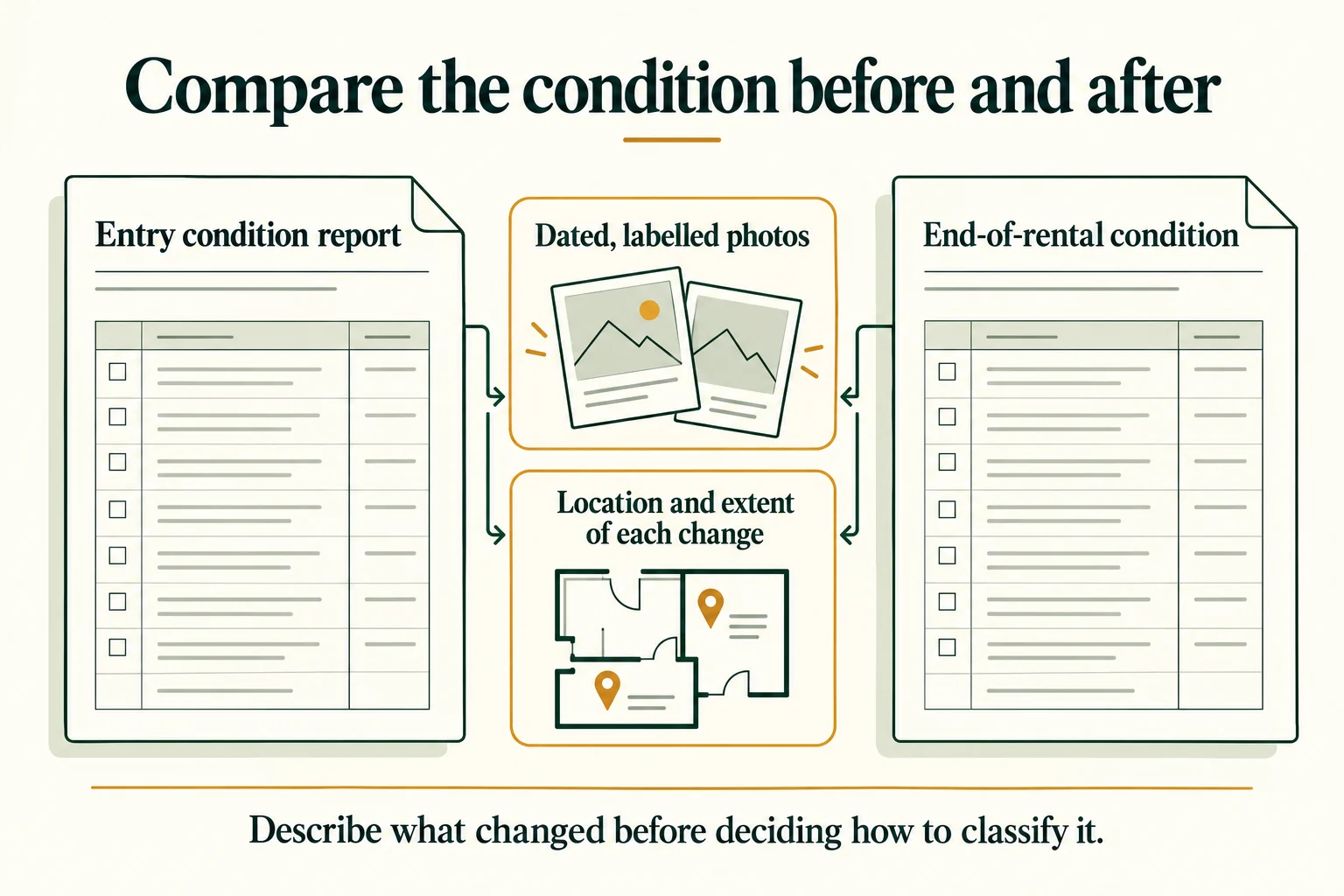
The condition report records the property’s condition at the start and end of the tenancy. A careful report, dated photos and clear communication records help show whether a proposed deduction relates to damage during the tenancy, fair wear and tear or a pre-existing problem.
Paying and lodging the bond
A bond is separate from rent. For most private rentals, it is generally capped at one month’s rent when weekly rent is $900 or less. Exceptions apply, and a bond is not required for every tenancy. Check the rental agreement for the amount due.
The rental provider usually starts the lodgement. Depending on the arrangement, you pay the provider or the RTBA directly. If you want to pay the RTBA directly, tell the provider in writing before lodgement begins. Once the RTBA receives the bond, it sends a receipt and bond number. Check the details and keep both; if you paid the provider, keep that payment record too.
Consumer Affairs Victoria’s published guidance gives different time limits for lodging a bond: some pages say 10 business days, while others say 14 days. Because those periods are not consistent, ask Consumer Affairs Victoria which deadline applies if the bond has not been lodged. Keep a record of when you paid and any messages about lodgement.
Complete the condition report
The rental provider or agent must prepare and sign the condition report, then give it to you before you move in. Inspect each room and record specific problems the report misses, such as a cracked tile, a stained carpet or a faulty appliance. Add dated, labelled photos and return the report within five business days of moving in. Keep a copy. If you were not given a report, Consumer Affairs Victoria says you can complete one and provide it within that period.
The report gives both sides a record of the property’s starting condition. If you leave an inaccurate description unchallenged, it may be harder to show later that a mark or defect was already there. Your comments and photos provide evidence, but they do not guarantee how a dispute will be decided.
Attend the final inspection
At the end of the tenancy, the rental provider or agent completes the exit section of the original condition report. They must do this within 10 days after the rental agreement ends, and you must be present or have a reasonable opportunity to attend.
Arrange a time in writing and attend if possible. The exit report records the property’s condition at the end of the tenancy, so compare it with the original report. Take dated photos or video after you have removed your belongings and finished cleaning. If you disagree with an entry, write down the specific point and keep your response and any supporting photos.
How the report affects your refund
The start and exit reports help show what changed during the tenancy. A rental provider may claim bond money for new damage beyond fair wear and tear. Claims may also cover further cleaning or missing items. They cannot claim for fair wear and tear or for repairs that were the provider’s responsibility. Faded curtains or a worn benchtop may reflect ordinary use, while ripped curtains or a broken benchtop may indicate damage beyond ordinary use; the decision depends on the evidence and circumstances, and no single example determines the outcome.
Before making a bond claim, a provider must give you supporting evidence at least three business days beforehand. Evidence might include photographs, invoices, receipts or quotes. It must not contradict the condition report. Keep the evidence and compare it with your own records before agreeing to a proposed deduction.
You must leave the property reasonably clean and in the same condition as at the start, allowing for fair wear and tear. For rental agreements signed from 29 March 2021, professional cleaning can be required only in limited circumstances. If you dispute a cleaning or damage claim, the condition report, photos and records of repairs or cleaning can help explain your position. Disagreements can go to Rental Dispute Resolution Victoria (RDRV) or the Victorian Civil and Administrative Tribunal (VCAT).
Claim your rental bond back
A renter named on the bond can start an RTBA refund claim after the rental agreement ends; you do not have to wait for the provider to act. If you start the claim, the RTBA notifies the other parties. Consumer Affairs Victoria says they have 14 days to contest it by applying to RDRV or VCAT. If everyone accepts the agreed split, repayment usually takes one business day after acceptance.
The deadline for a rental provider to start a claim is described inconsistently across Consumer Affairs Victoria guidance. If the provider proposes a deduction, ask for the claim and supporting evidence in writing, and contact Consumer Affairs Victoria if the timing is unclear. Do not assume that a proposed deduction is settled until the RTBA claim process is complete.
Keep your rental records
Keep a digital or paper file until the bond has been repaid or any dispute has been resolved. Include:
- The signed rental agreement and any later changes.
- Proof of bond payment, the RTBA receipt and bond number. In a share house, keep a written record of each renter’s contribution.
- The completed condition report, your comments and dated move-in and move-out photos or video.
- Repair requests and responses, cleaning records where relevant, and messages about the final inspection.
- The exit report, the RTBA claim, any evidence or notices received, and communications about splitting the bond.
Consumer Affairs Victoria recommends keeping a copy of the condition report and attaching dated, labelled photos. Keeping the other records together makes it easier to respond if the provider disputes the refund or proposes a deduction.