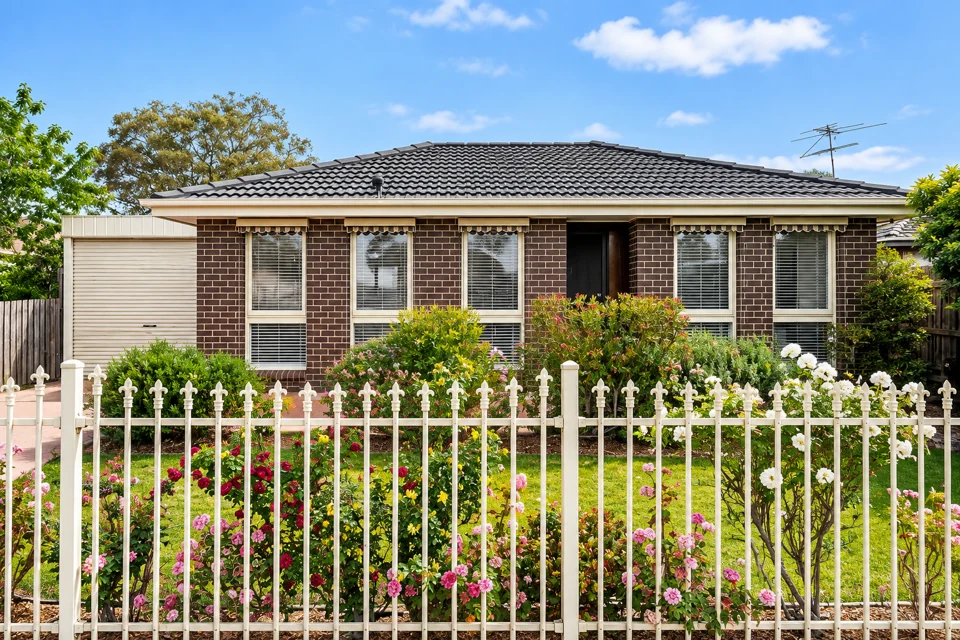
If you are considering a move to Cairns or a longer stay, this page explains the practical issues that shape daily life: climate, housing, transport, schools and local services. Cairns is a regional-city base in Far North Queensland, but travel times to work, schools, shops, public transport and other services vary by address across the Cairns Regional Council area.
The 2021 Census recorded 153,181 residents in the Cairns Regional Council area. Its household data also show how people live across the region. The Cairns Regional Council website lists council facilities, responsibilities and resident services.
Families can choose between Queensland government, Catholic and independent schools. Queensland’s school choice information explains these options. Before renting or buying, check the relevant state-school catchment and enrolment rules through the Department of Education’s enrolment information. Living near a state school does not confirm that the school can enrol a child.
Cairns weather and seasons
Cairns has a hot, wet season and a cooler, drier season. The Bureau of Meteorology’s Cairns Aero climate averages, based on records beginning in 1942, describe long-term conditions rather than a forecast.
Cairns Aero records a mean annual maximum temperature of 29.1°C and a mean annual minimum of 20.9°C. December and January have the highest mean maximum, at 31.5°C. July is cooler, with a mean maximum of 25.9°C.
Rainfall marks the clearest difference between the seasons. Cairns Aero receives mean annual rainfall of 2,019.1 mm. January, February and March each average more than 400 mm, while August averages 26.9 mm. Heavy rain during the wetter months can disrupt road travel and reef trips. It can also disrupt walking tracks and other outdoor activities. Check local conditions before travelling or heading outdoors.
Australia’s tropical cyclone season runs from 1 November to 30 April. These dates identify the national period when tropical cyclones occur; they do not indicate the risk at a particular Cairns location. Climate averages describe long-term patterns. For live alerts and advice, use Queensland warnings.
Renting and choosing a home
Compare individual listings and addresses rather than relying on a single Cairns rent figure. The Residential Tenancies Authority’s Median Rent Quick Finder publishes quarterly median rents by area and dwelling type. Record the release quarter and property type with each figure. These figures cover new rental bonds lodged during that quarter, giving a quarterly snapshot rather than a complete picture of current tenancies or available homes.
Compare rent with the cost and time of getting to work or study, schools, shops, medical services and bus stops. Include fuel or public transport fares, parking and other weekly costs in the comparison.
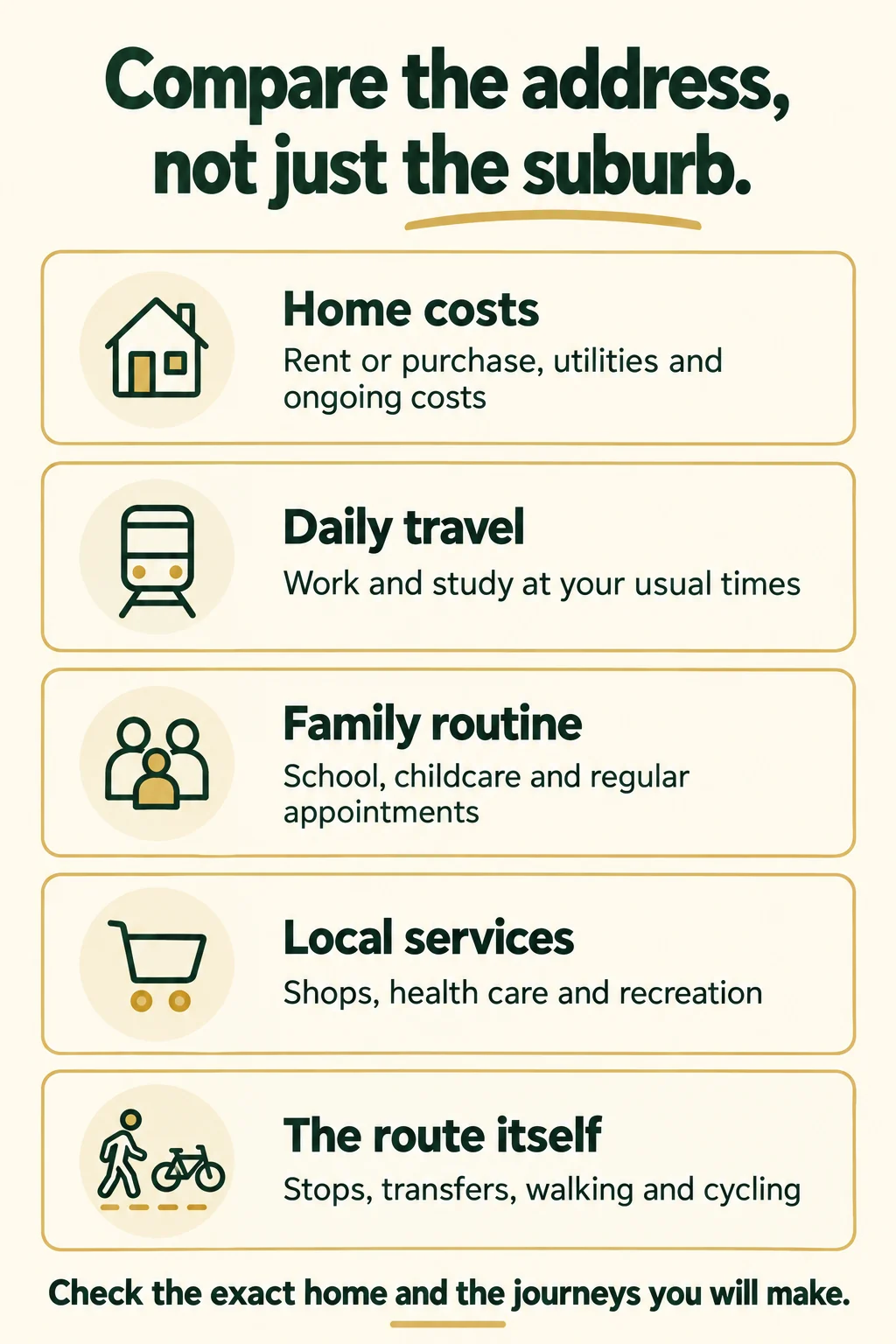
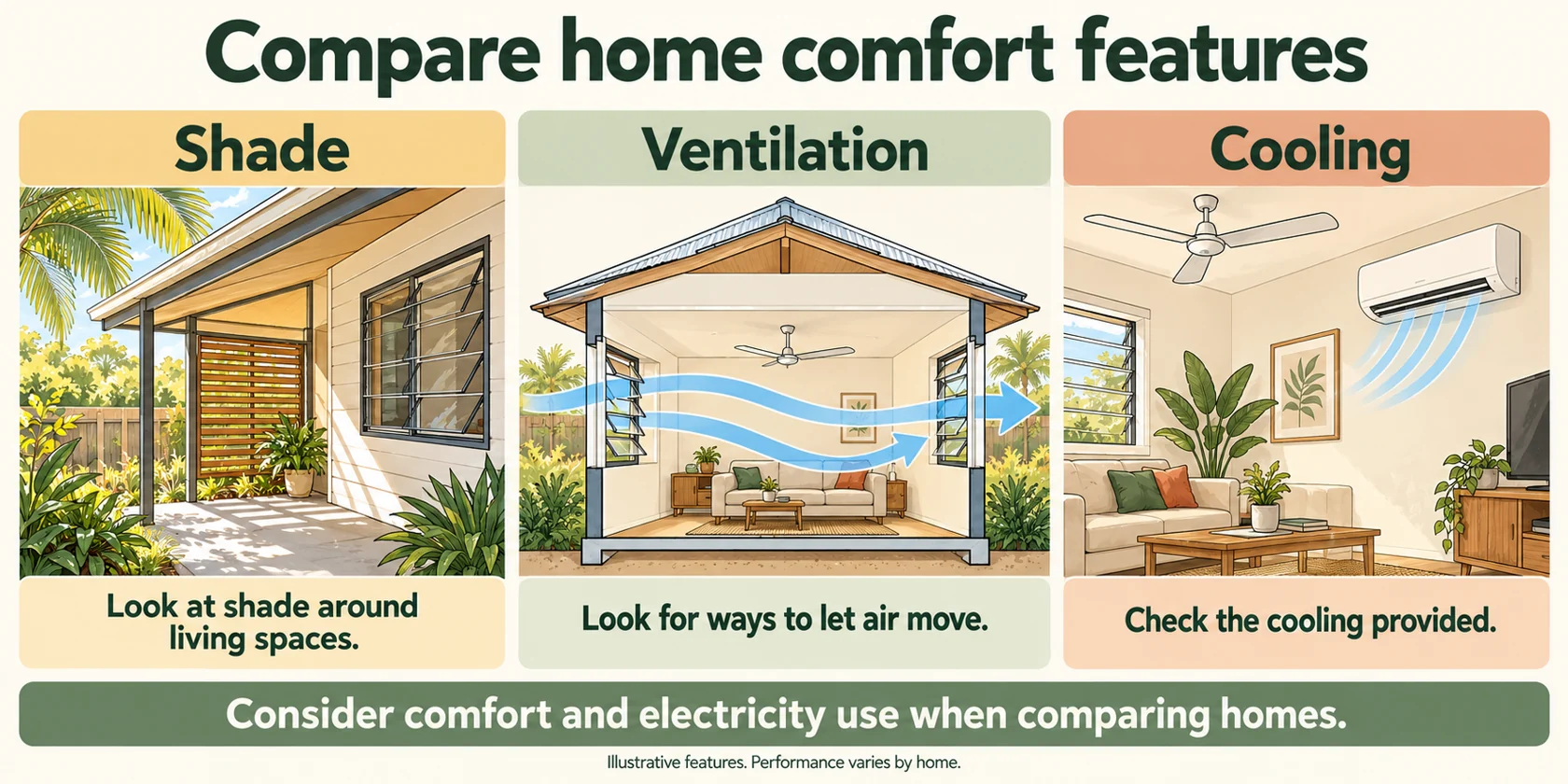
Inspect homes for shade, ventilation and air-conditioning. During the wet season, check whether heavy rain affects access to the property or regular travel routes. Confirm bus routes and travel times for the trips you expect to make before committing to an address.
For Queensland tenancy rules, bond requirements and dispute help, use the RTA’s renting information and support. Check the rules in force when you sign the agreement, as requirements depend on the tenancy and current conditions.
Getting around Cairns
Check the journeys you expect to make before choosing a home. Translink’s Cairns travel information provides bus routes, service times and current ticket information. Check each trip for the days and times you expect to travel, including the return journey. A nearby bus stop does not ensure that the route or timetable suits your needs.
If you drive, check Queensland road conditions before travelling for live information about crashes, roadworks, closures and delays. This matters most after heavy rain and during roadworks.