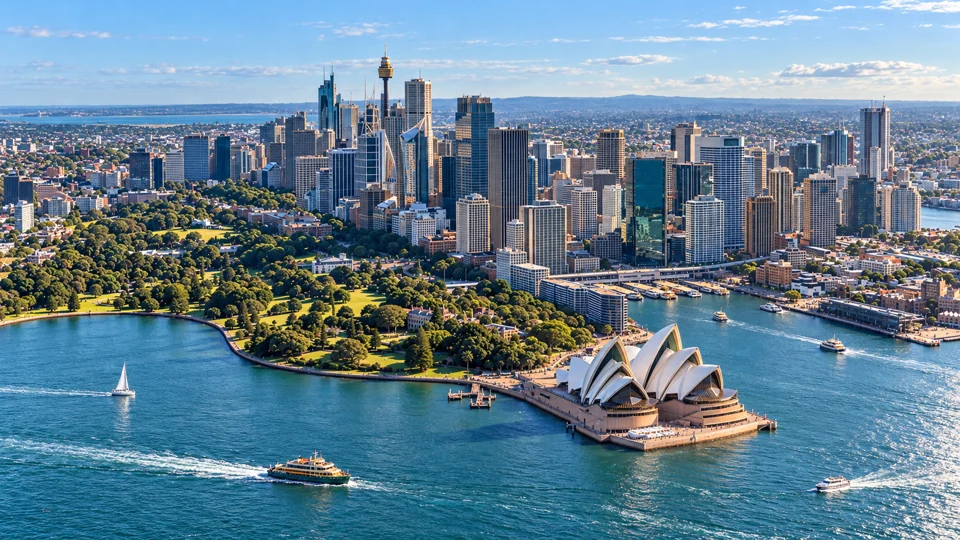
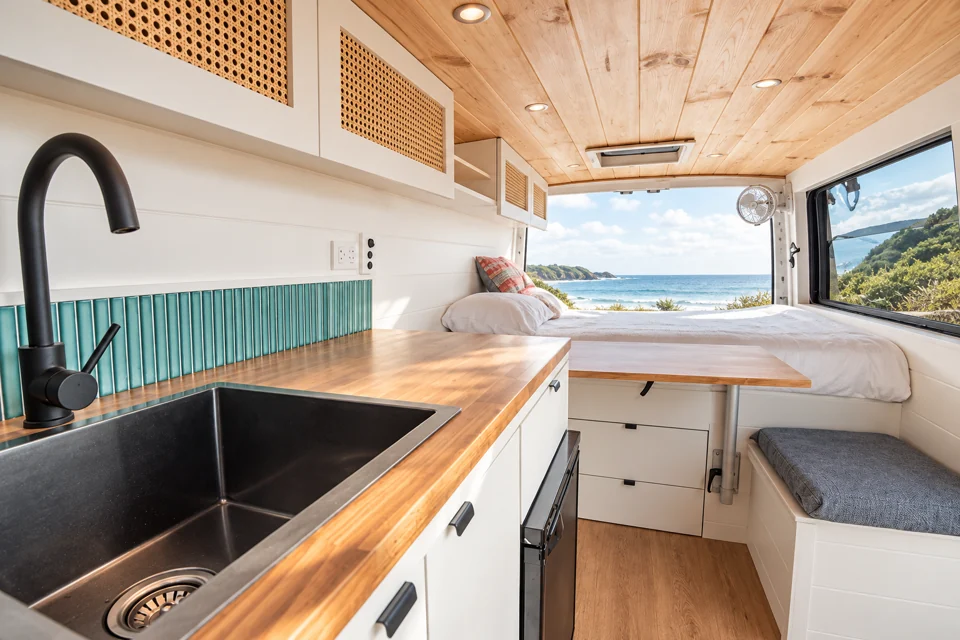
New South Wales (NSW) is the Australian state that includes Sydney, the capital and the main arrival point for most visitors. Beyond the city, the state runs from the north coast beaches and rainforest to the red-dirt outback and the alpine country around Mount Kosciuszko. For a first trip, make three choices: base yourself in Sydney first, pick one or two regions rather than trying to cover the state, and decide whether to travel by train, coach or hire car.
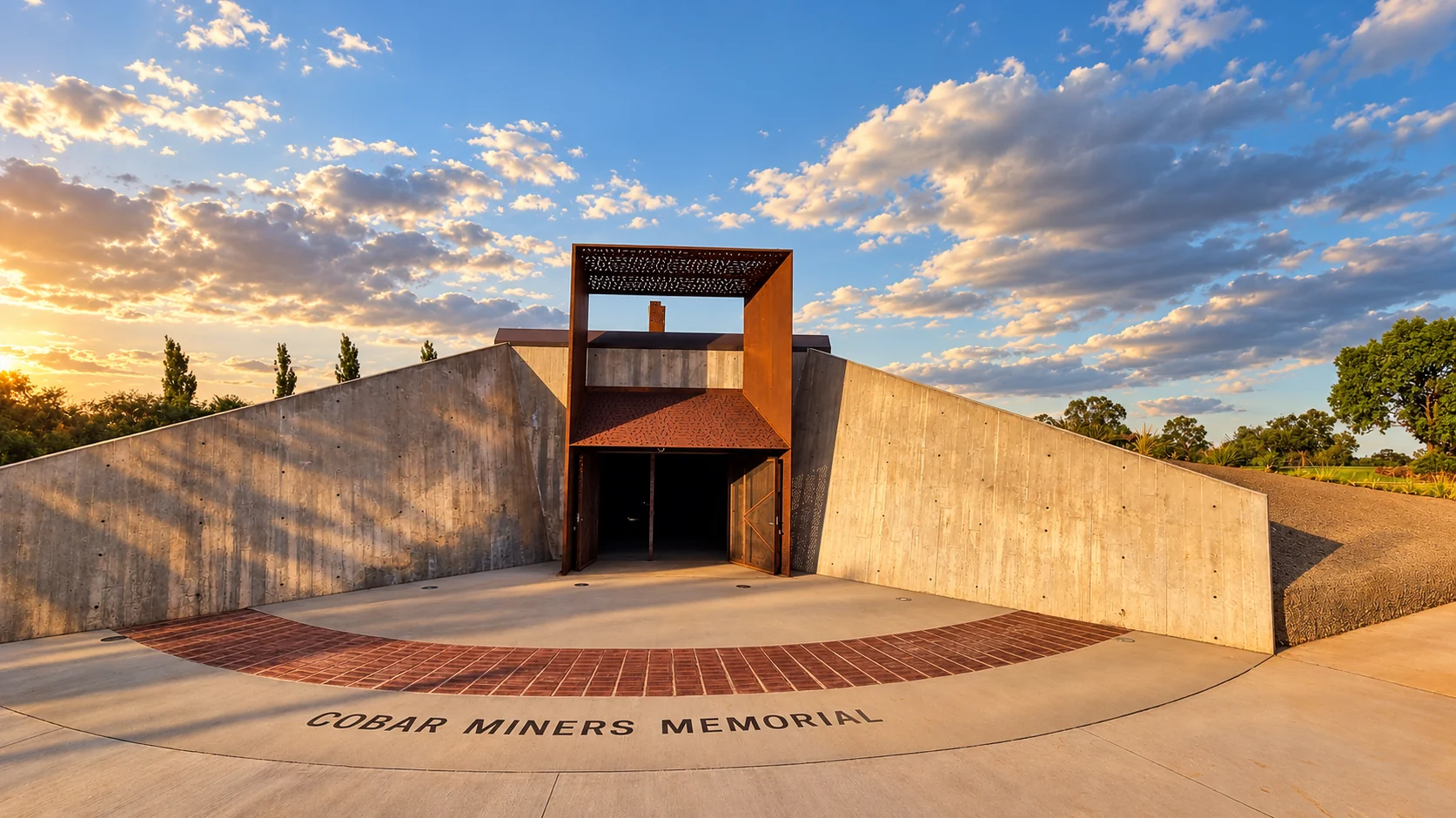
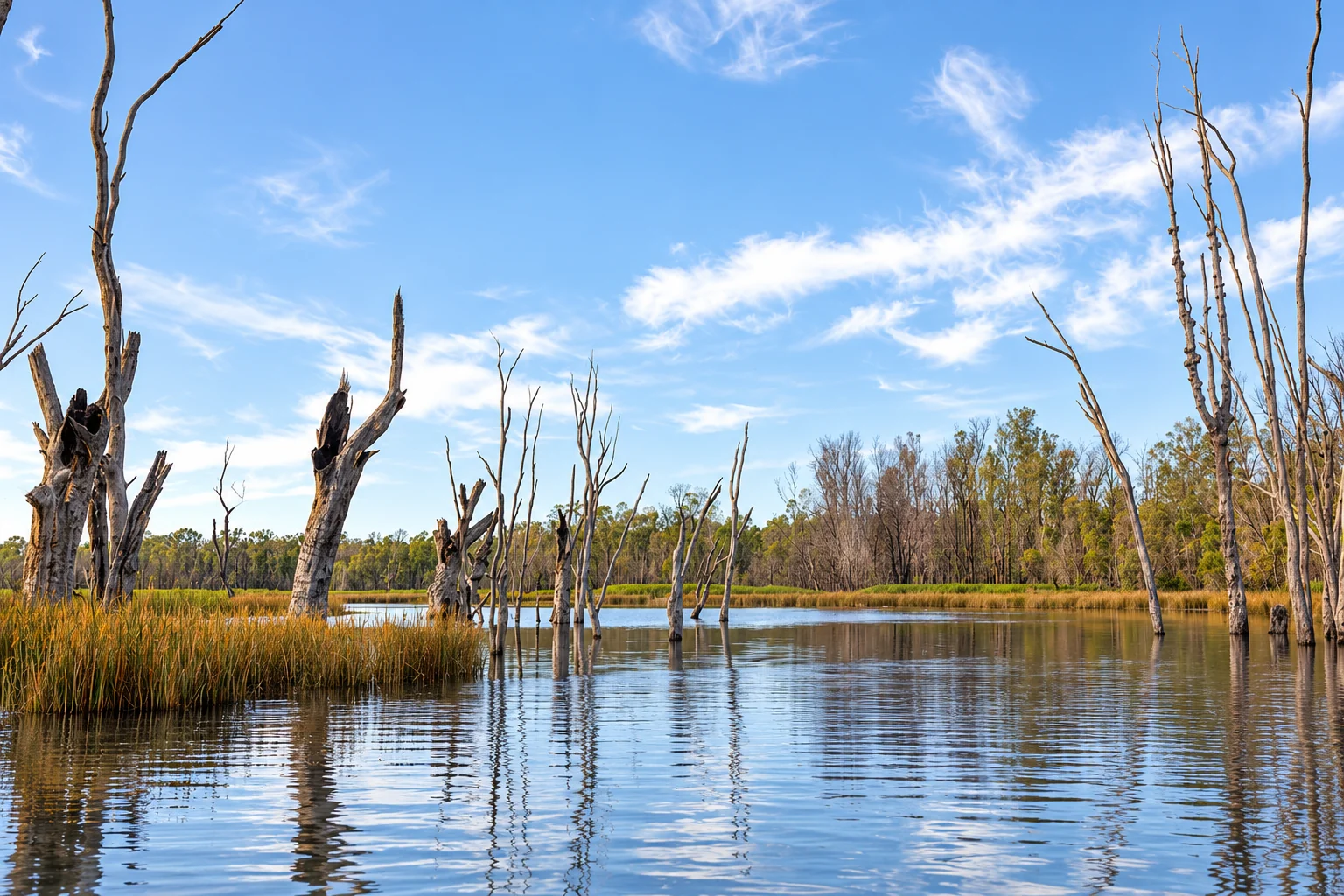
The state’s tourism body, Destination NSW, lists 11 visitor destinations outside the city: Blue Mountains, Central Coast, Country NSW, Hunter Valley, Lord Howe Island, The Murray, North Coast, Outback NSW, The Riverina, Snowy Mountains and South Coast. Sydney sits outside that list and has its own visitor site, Sydney.com. Transport, licence rules, park fees and fire warnings affect a first visit most.
How the state is divided
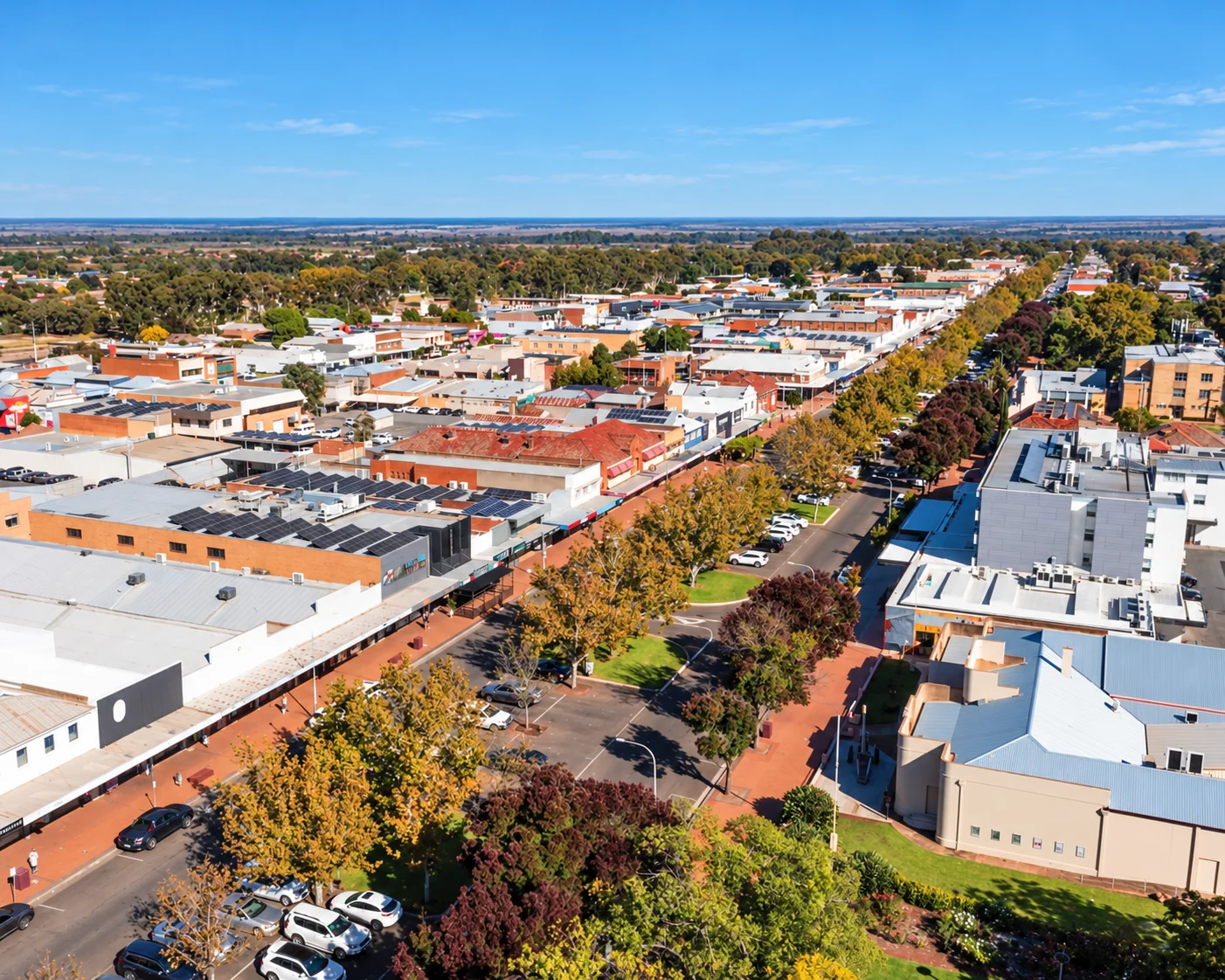
Destination NSW’s homepage describes its scope as "Sydney and regional NSW", and its 11 destinations are the units most trip pages are built around. The A to Z index adds finer pages for places such as the Snowy Valleys and South West Rocks. Country NSW is pitched as small-town charm and local producers, while Outback NSW is described as big skies and red dirt. Lord Howe Island is a remote island, and it is the only destination that needs separate travel planning from the mainland.
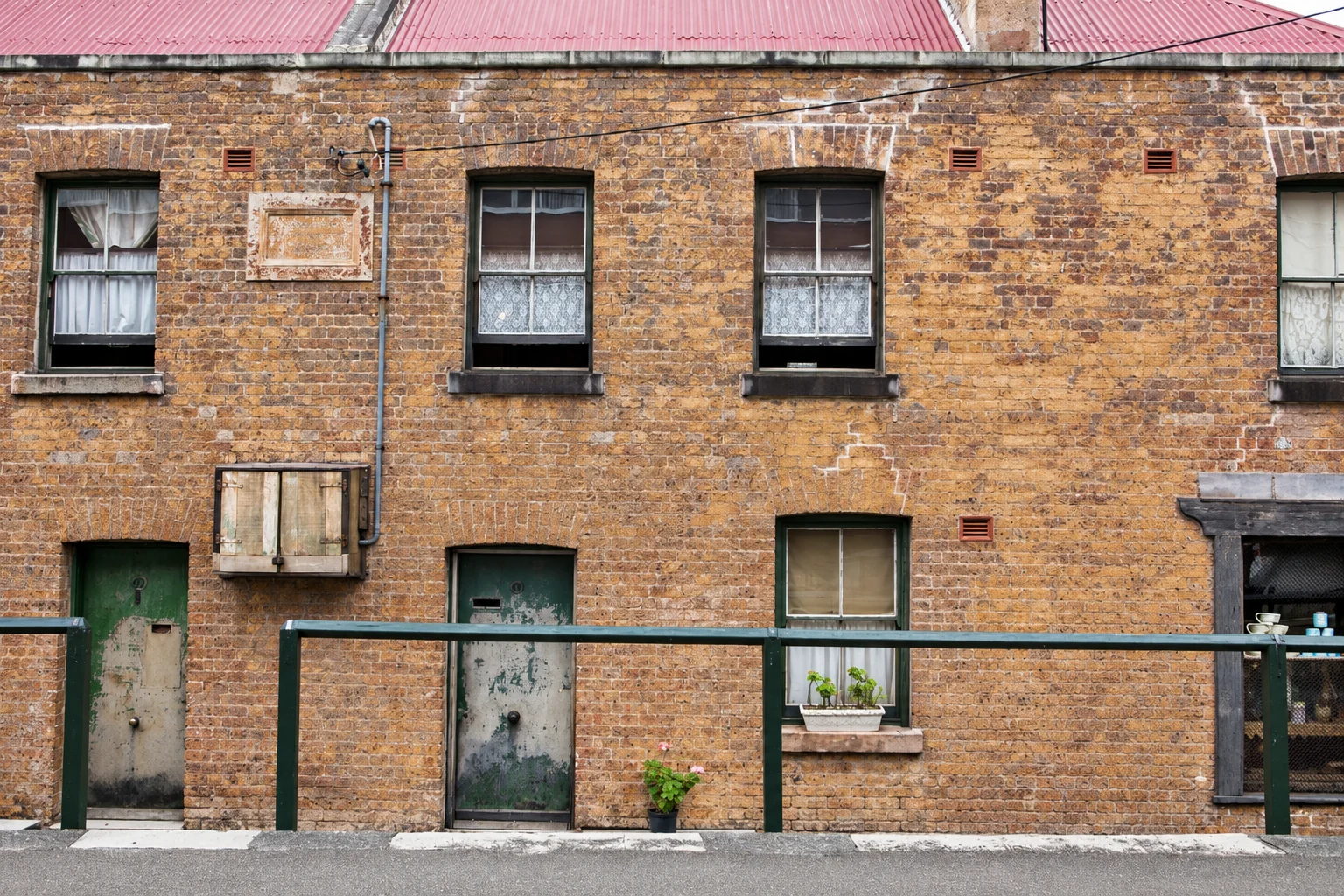
These tourism regions overlap in places. The Hunter Valley is its own destination, yet the North Coast page also groups Newcastle, Lake Macquarie and Port Stephens under a "Hunter Region" heading. If a booking site shows Newcastle under either label, it refers to the same area.
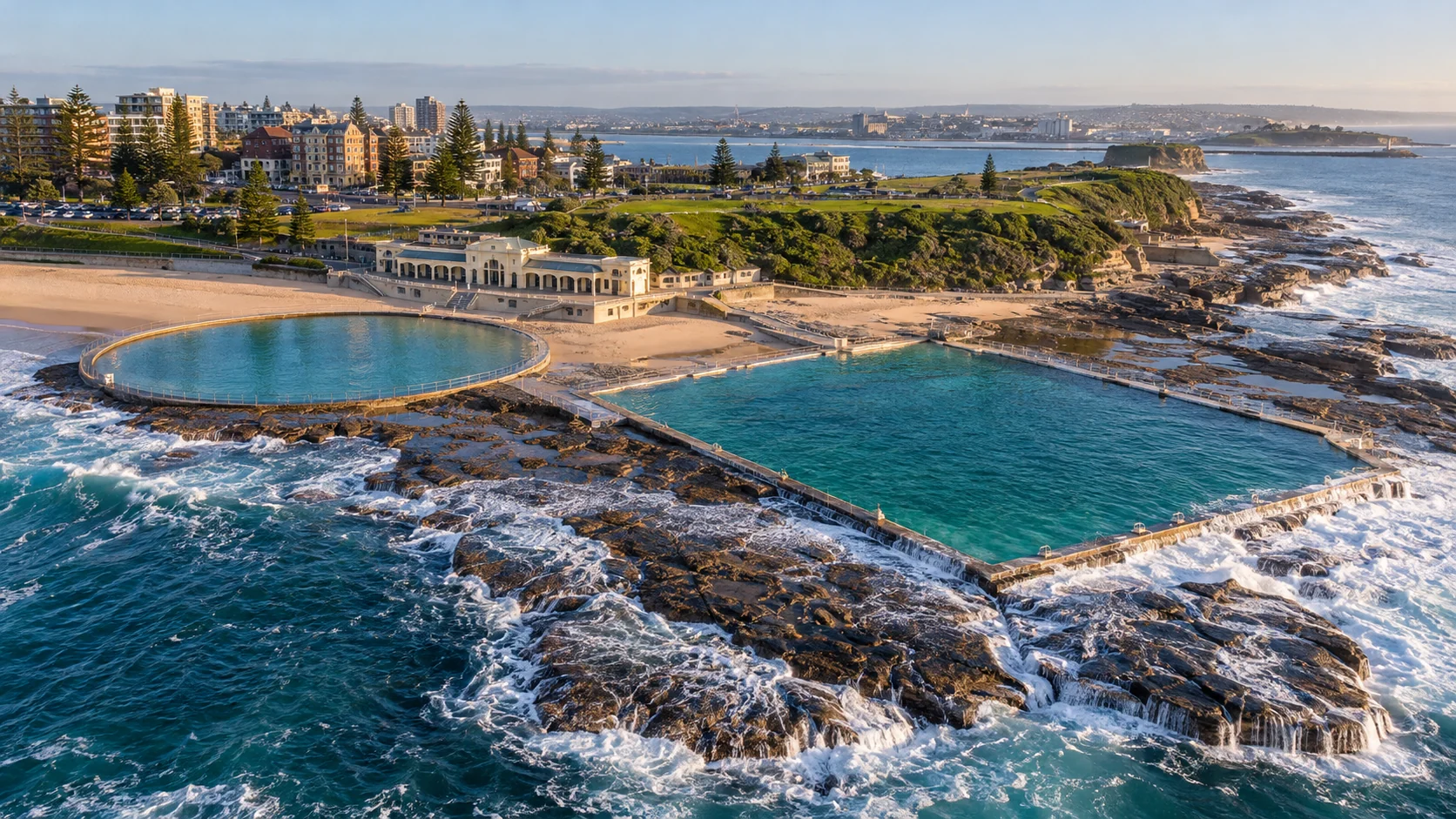

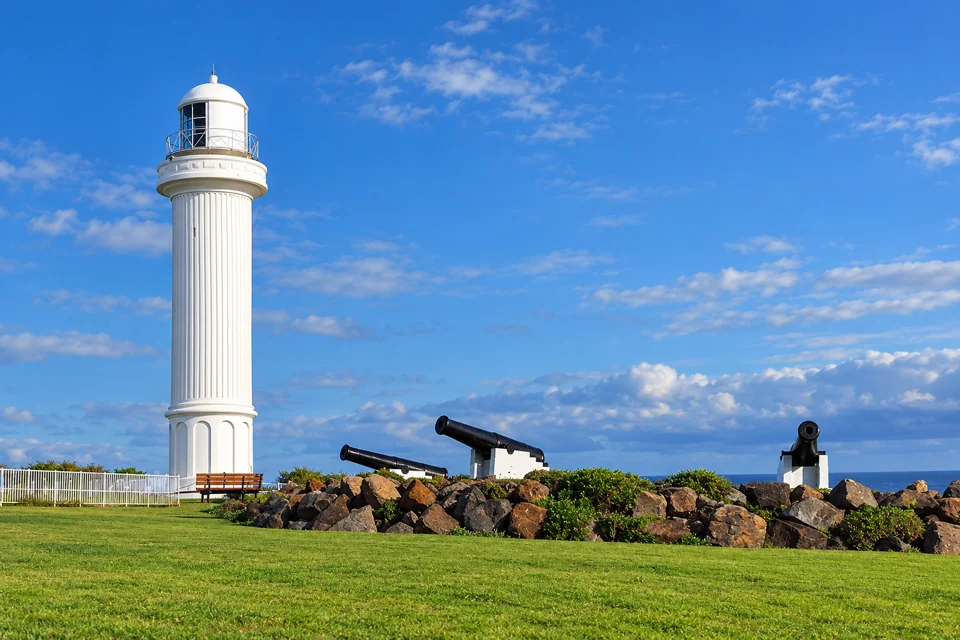
The government also divides the state differently for statistics. Wikipedia’s list of NSW regions names 13 divisions, including Central West, Far West, Illawarra, Mid-North Coast, Murrumbidgee and Richmond-Tweed. You will see those names in news reports, weather forecasts and government data, but they do not match the 11 tourism destinations. Illawarra, the Wollongong area, is a good example: it appears in government maps and local news, while visitor material tends to file the area under the South Coast.
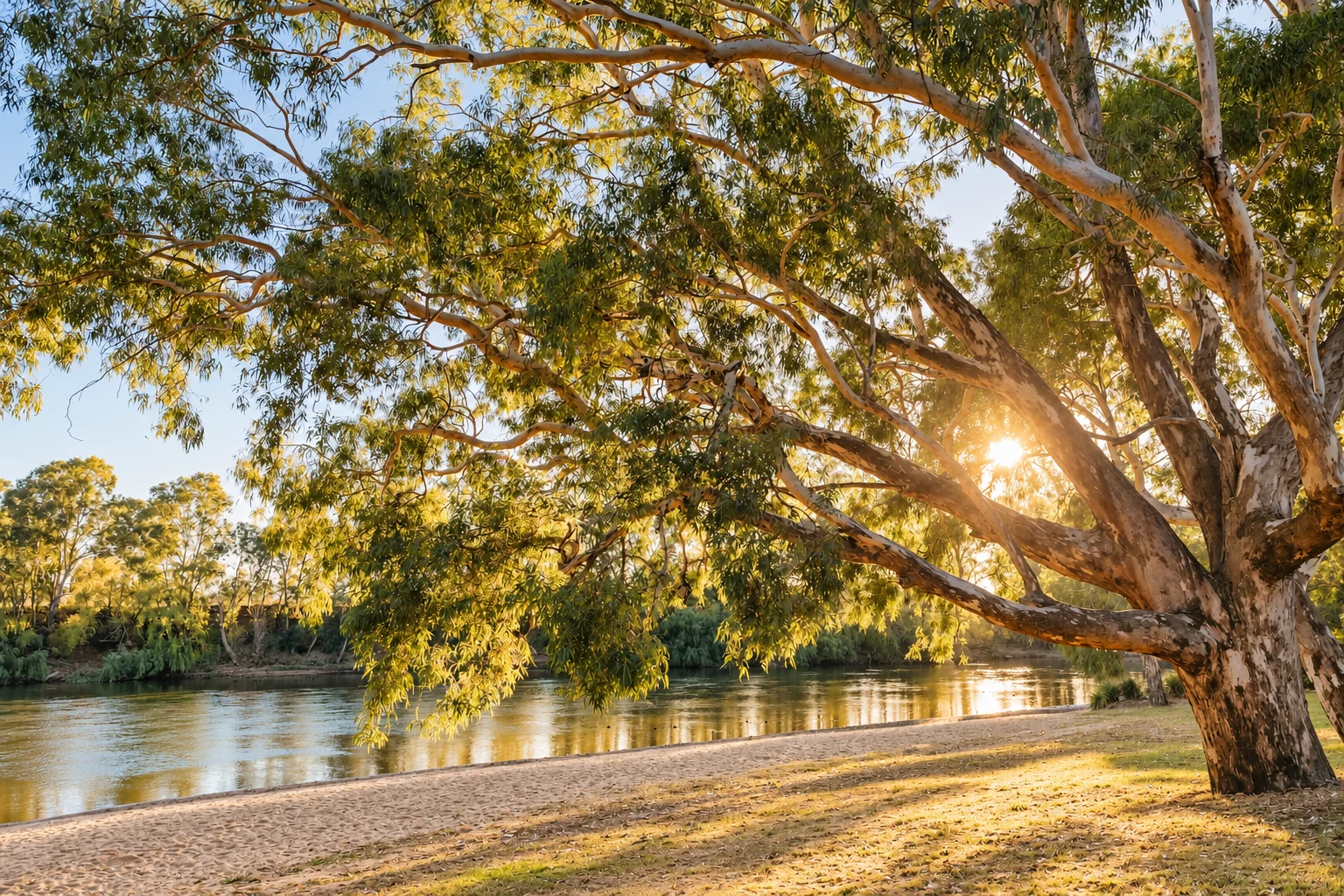
Two regions that locals use constantly have no dedicated Destination NSW page: New England and the Central West. New England appears in the tourism body’s school holidays material through Armidale, Uralla and Inverell, and the Central West is covered through the towns on the western train line, such as Orange, Bathurst and Dubbo. Search for those town names instead of the region labels to find more accommodation and tours.
For a first trip, a workable approach is to treat Sydney as one base and choose from three groups: the coast to the north and south, the country towns and wine areas to the west, and the high country to the south. Each group needs a different way of travelling.
Sydney and the cities within reach
Sydney is the arrival point, and the practical question on day one is how to pay for public transport. Sydney’s trains, metro, buses, ferries and light rail run on the Opal system. A physical Opal card is free, and a contactless bank card or phone wallet (Visa, Mastercard, AMEX, Apple Pay, Google Pay or Samsung Pay) also works on the same fares. A contactless card pays the same fares and daily and weekly caps as an Opal card, so visitors do not need to buy anything in advance.
The caps limit what an adult spends. The IPART fare determination lists these amounts from 14 July 2025:
| Item | Adult amount |
|---|---|
| Daily cap, Monday to Thursday | $19.30 |
| Daily cap, Friday to Sunday and public holidays | $9.65 |
| Weekly cap (Monday to Sunday) | $50.00 |
| Transfer discount | $2 |
A peak train trip of up to 10 km costs $4.33 on Opal and a peak ferry trip of up to 9 km costs $7.35. Single-trip paper tickets, which carry none of the Opal benefits, cost more than the same journey on Opal, and the Transport for NSW fare page lists the full tables. Opal fares also apply well beyond the city, across Newcastle, the Central Coast, Wollongong, the Blue Mountains and the Hunter. A visitor tapping on at Sydney can keep using the same card or phone on a day trip to the Blue Mountains.
From the airport to the city
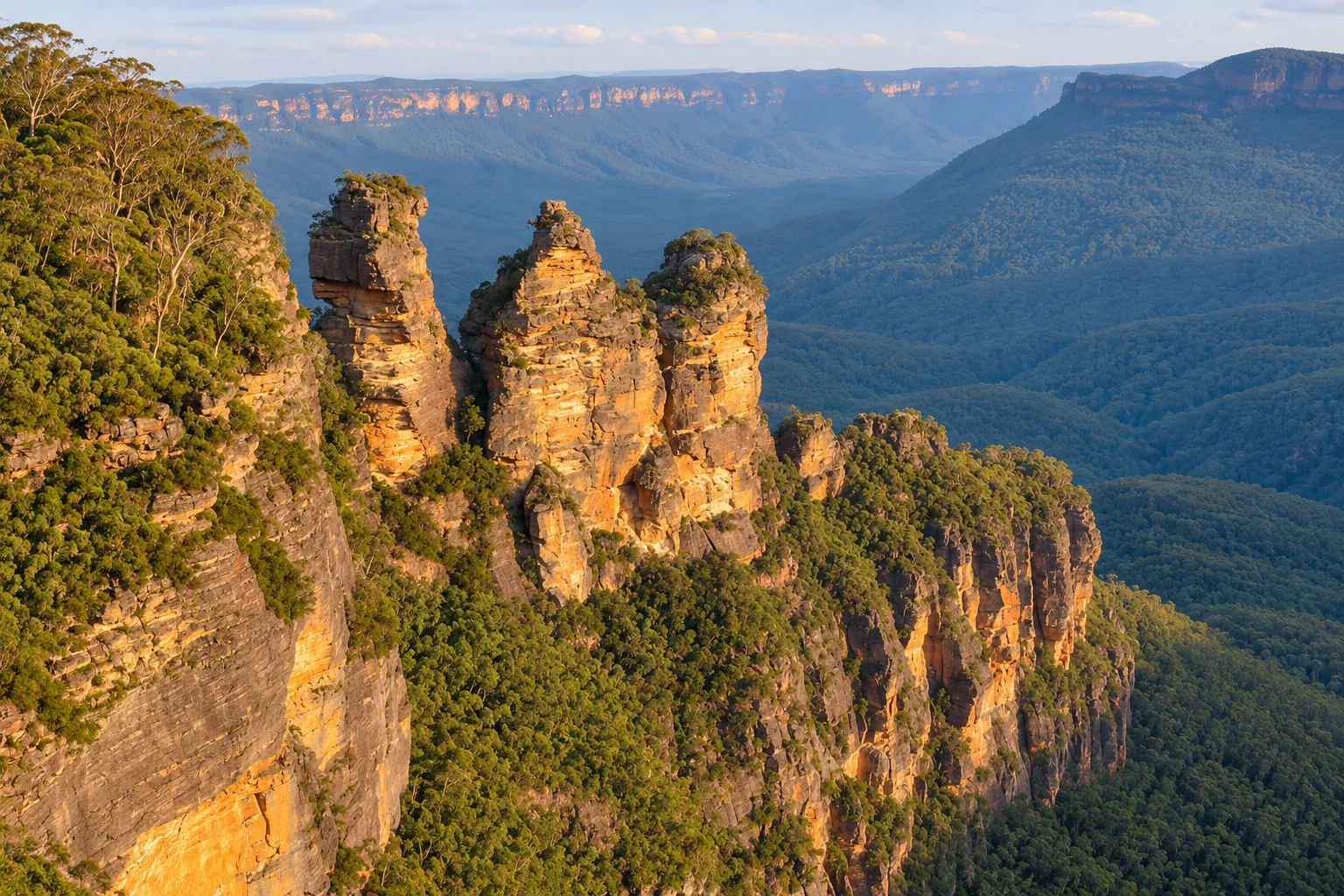
The train is the quickest way in. The Airport Link takes about 13 minutes to reach the city, with trains roughly every 10 minutes. From 15 November 2026, all T8 Airport & South Line services run via the airport, and the line is to be renamed the T8 SYD Airport & South West Line. Train fares to and from the airport stations include an airport station access fee, so the cheapest public option is the 420 bus to Mascot Station, where you change to a T8 train for Central, Town Hall or Wynyard.
Taxis wait at ranks at every terminal. Under a fixed-fare trial that began on 3 November 2025, eligible non-booked taxi trips from the airport ranks to a designated CBD area cost $60 in a standard taxi and $80 in a maxi taxi, excluding limited extras. Rideshare pick-up points differ by terminal, so follow the airport signs.
Short breaks around Sydney
Destination NSW’s school holiday pages recommend the Central Coast, the Hunter, the Shoalhaven and Newcastle as short breaks from Sydney. The Hunter Valley is the state’s best-known wine region, and the Destination NSW wine regions guide also names Hilltops, the Southern Highlands, Cowra, The Murray, Gundagai, the Snowy Valleys and Hastings River. The Blue Mountains are within the Opal network, which makes them the easiest day trip for a visitor without a car. The train from Central to Broadmeadow in the Newcastle area starts from $17.
North Coast, New England and the South Coast
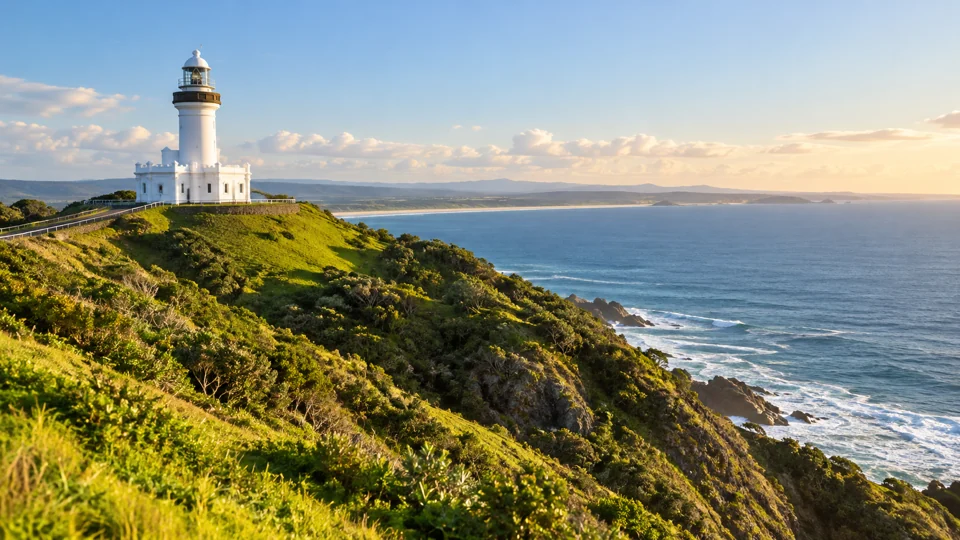
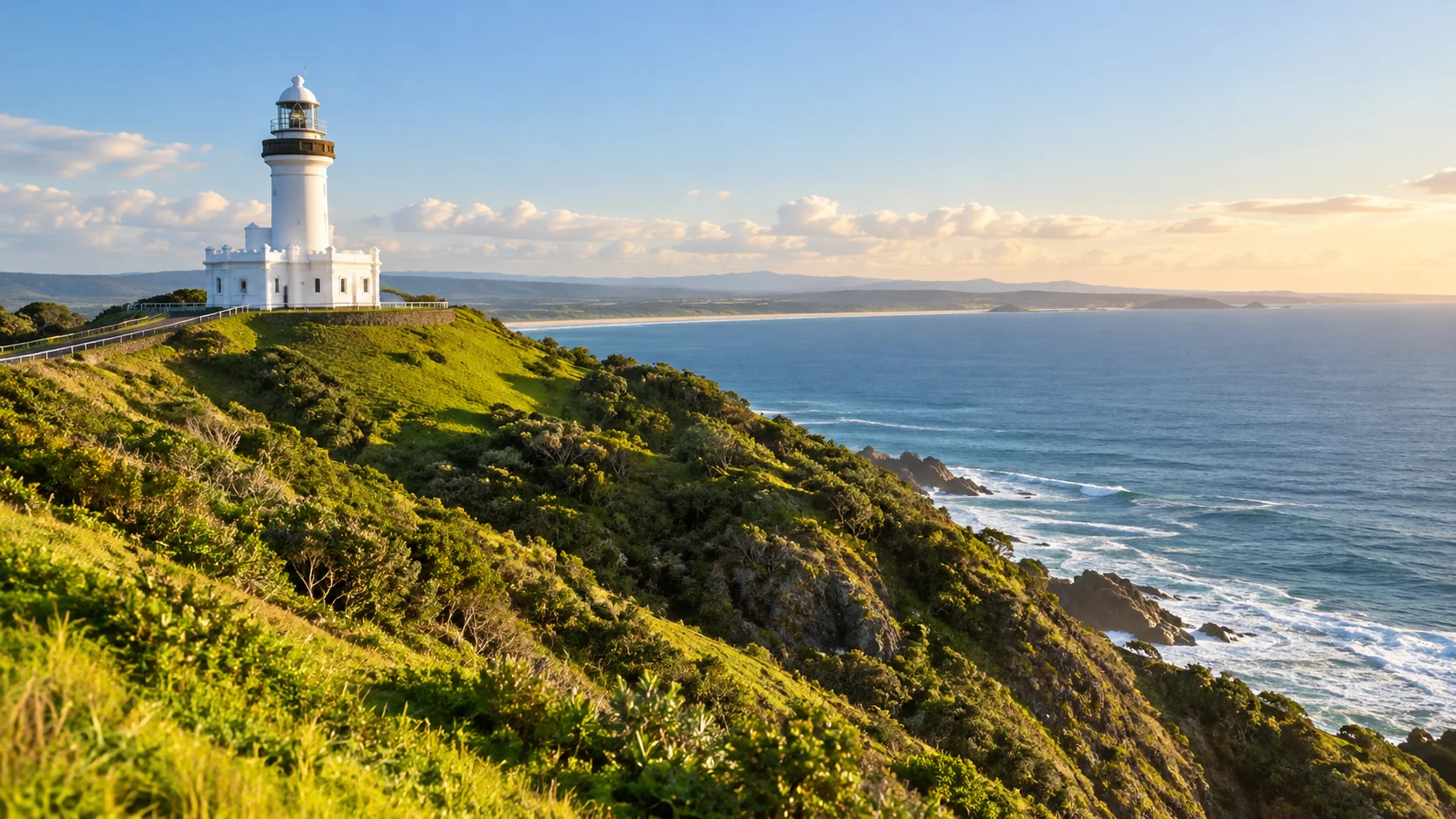
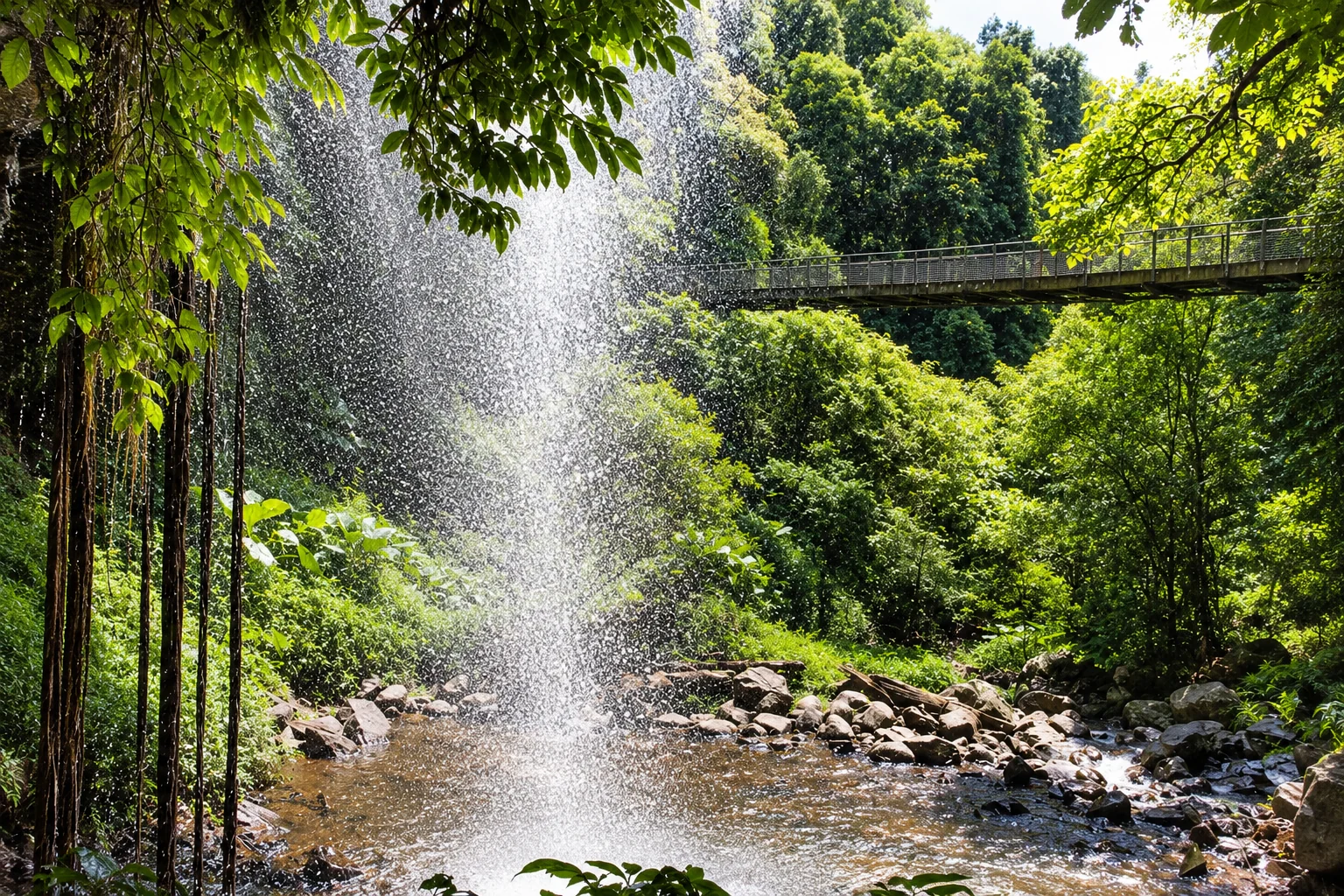
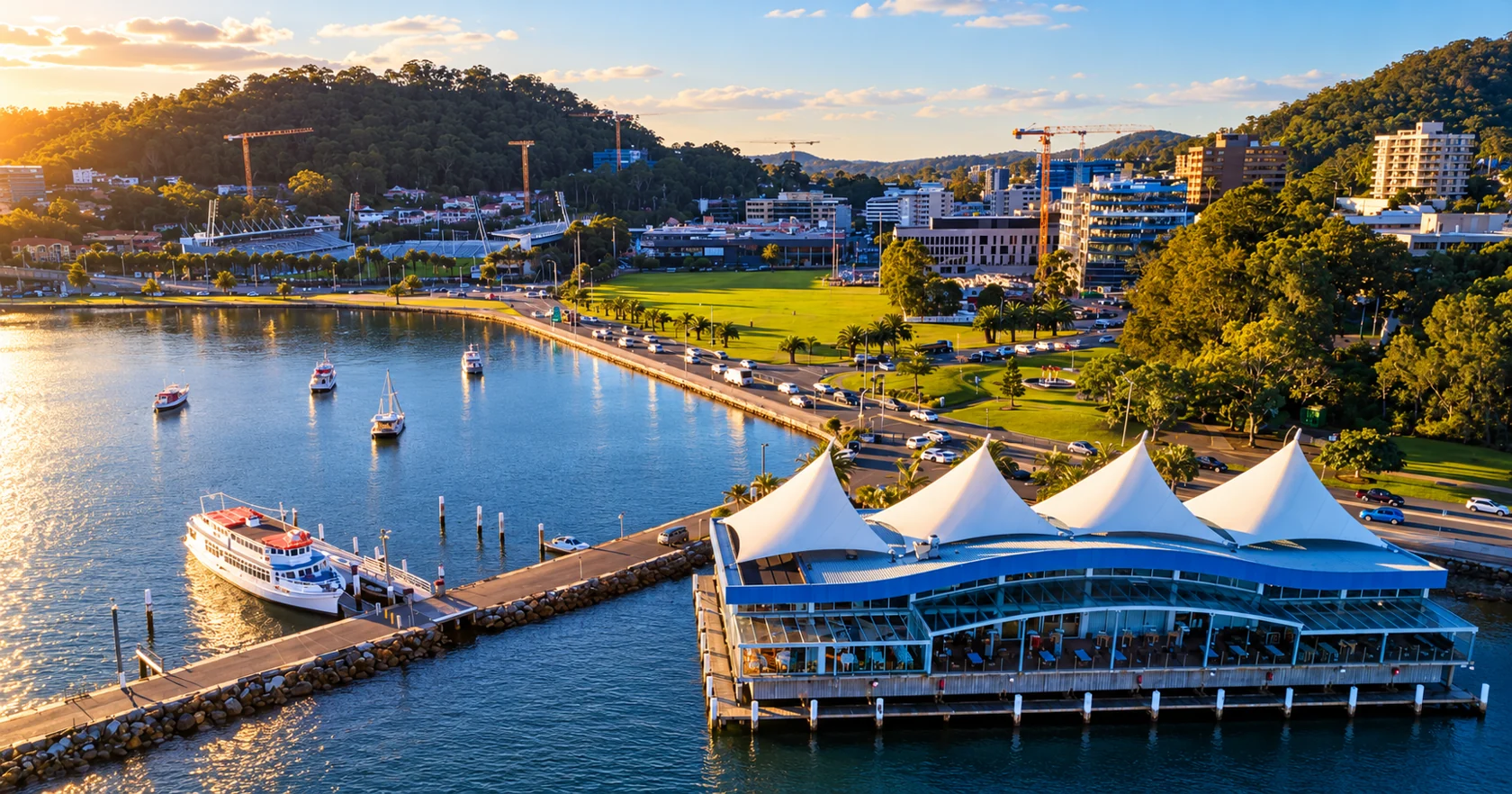
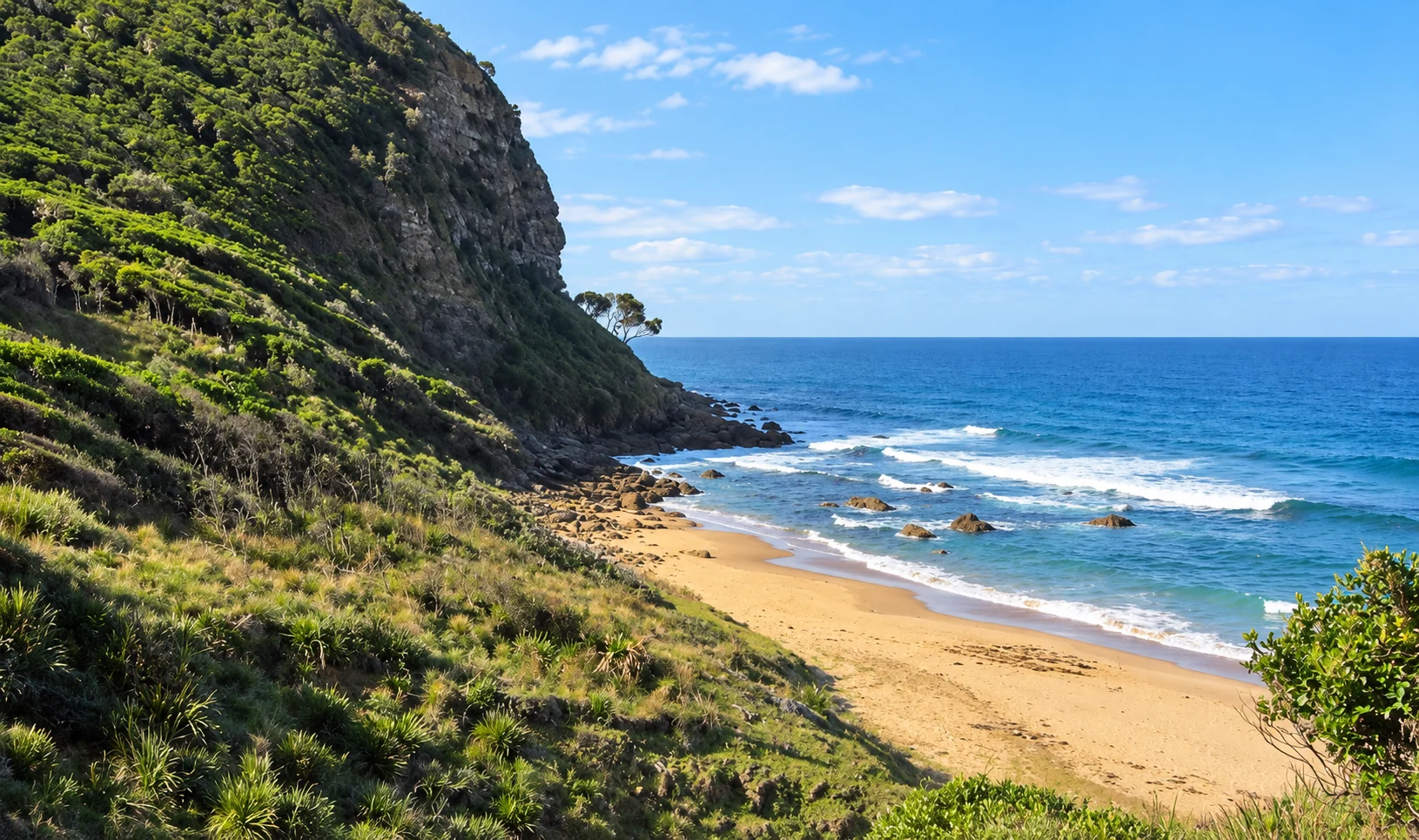
The North Coast is the stretch most visitors have in mind when they picture the NSW coast. Destination NSW describes beaches, quiet rivers, rainforest and mountains, with kayaking, diving, surfing and local food and wine. The page lists sub-areas that work as individual trip bases: Barrington Coast, Byron Bay, Clarence Valley, Coffs Harbour, Lake Macquarie, Lismore and Richmond Valley, Macleay Valley Coast, Newcastle, Northern Rivers, Port Macquarie, Port Stephens and The Tweed. It groups The Tweed, Northern Rivers and Byron Bay as the Far North Coast, so a search for Far North Coast accommodation covers the Byron Bay area.
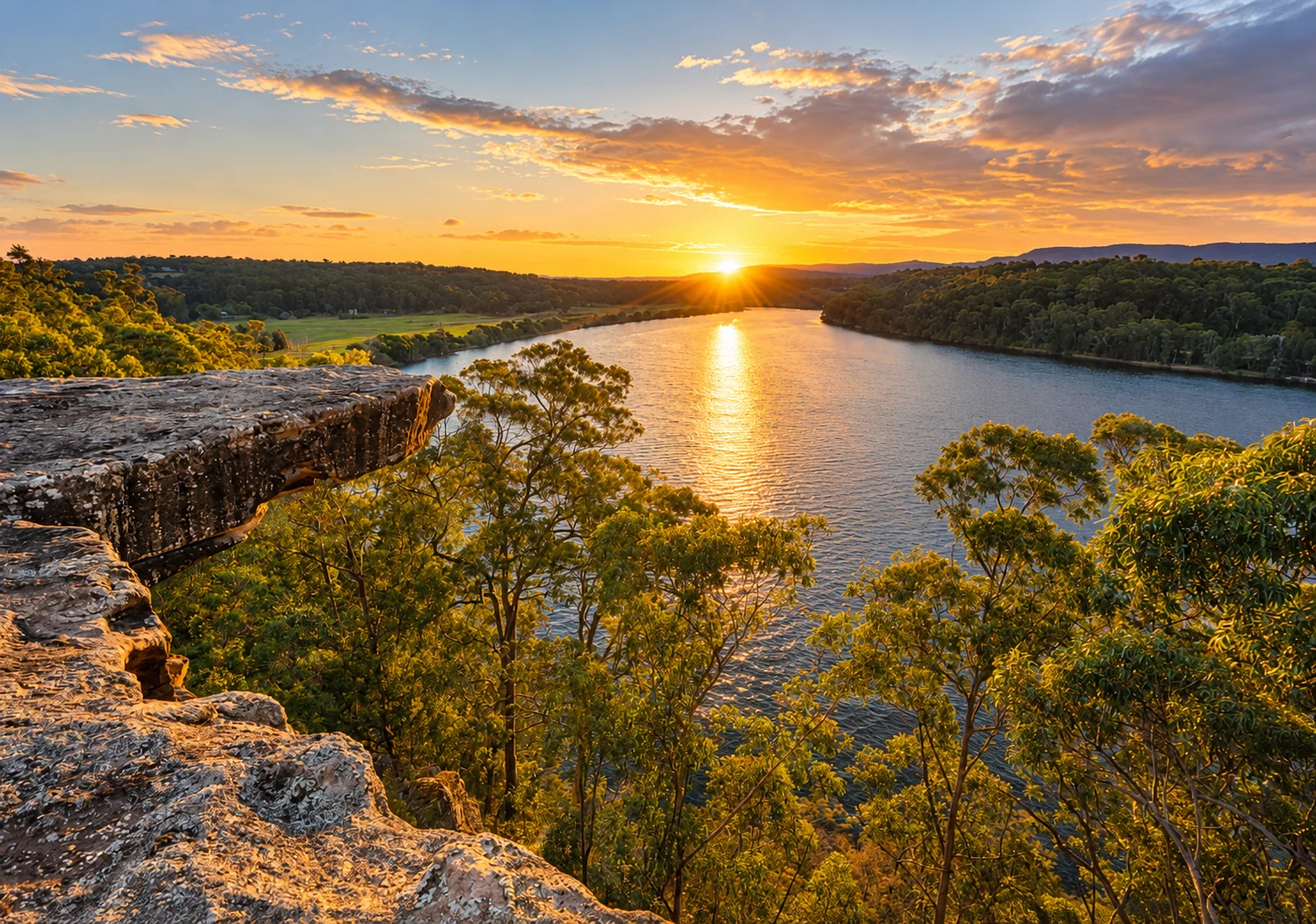
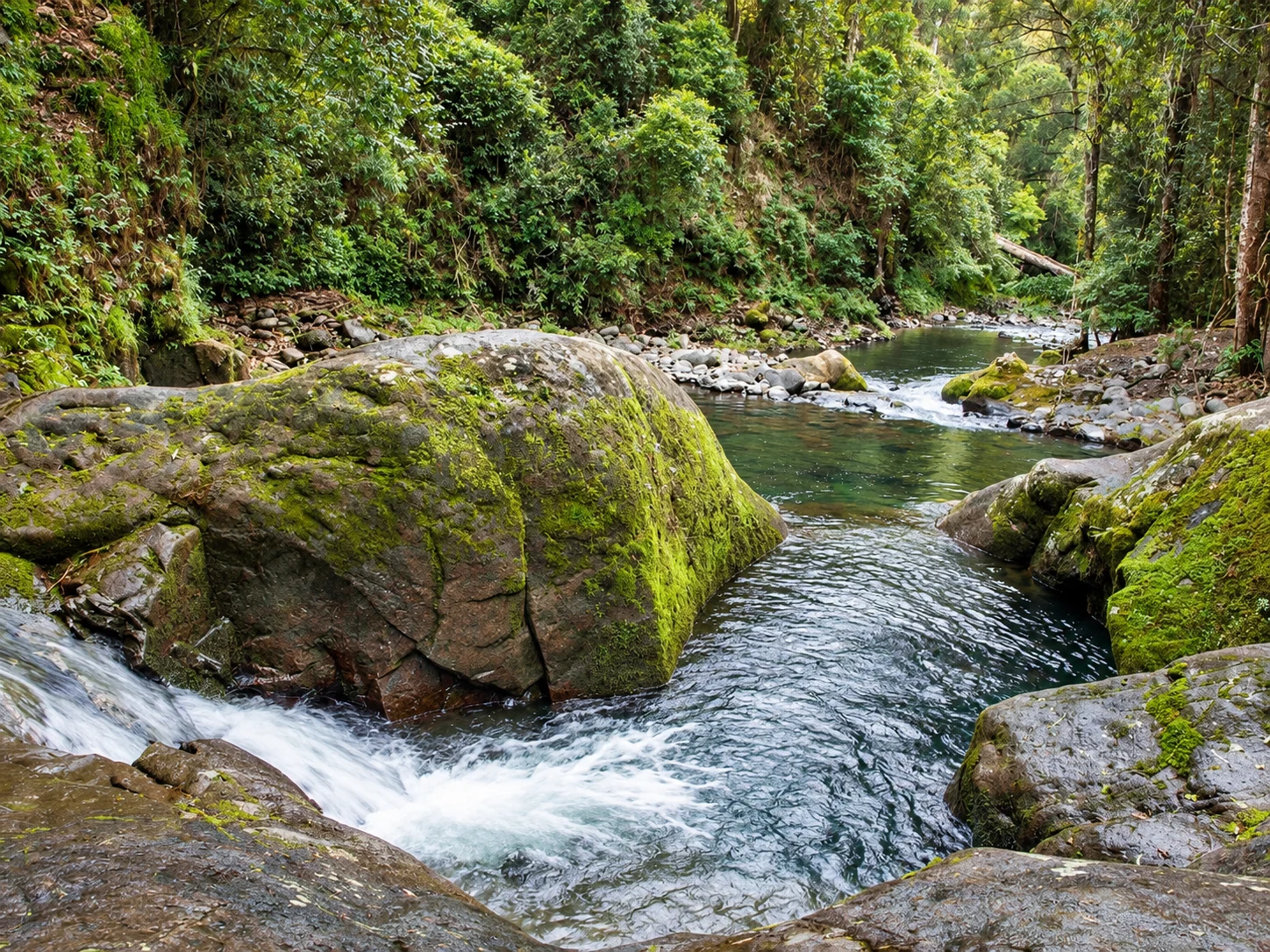
Travelling up the coast without a car is possible. According to the Transport for NSW regional travel page, a train and coach trip from Central Station to Coffs Harbour (services 31 to 36) starts from $53, and Casino to Tweed Heads starts from $18. These are "from" prices, and limited-time Online Saver fares are not always available. A hire car makes more sense if you want to move between beaches, rainforest walks and the smaller towns at your own pace.
New England
Inland from the north coast, the New England tablelands are cooler and higher than the coast. Destination NSW material mentions Armidale, Uralla and Inverell, and its wine guide describes New England as the youngest of the state’s wine regions. Armidale is the natural base and has its own rail and coach link. A Central Station to Armidale trip on services 223 and 224 starts from $57, and Tamworth to Inverell starts from $27. Moree, further north-west, is served by services 243 and 244 from Central, from $62.

South Coast
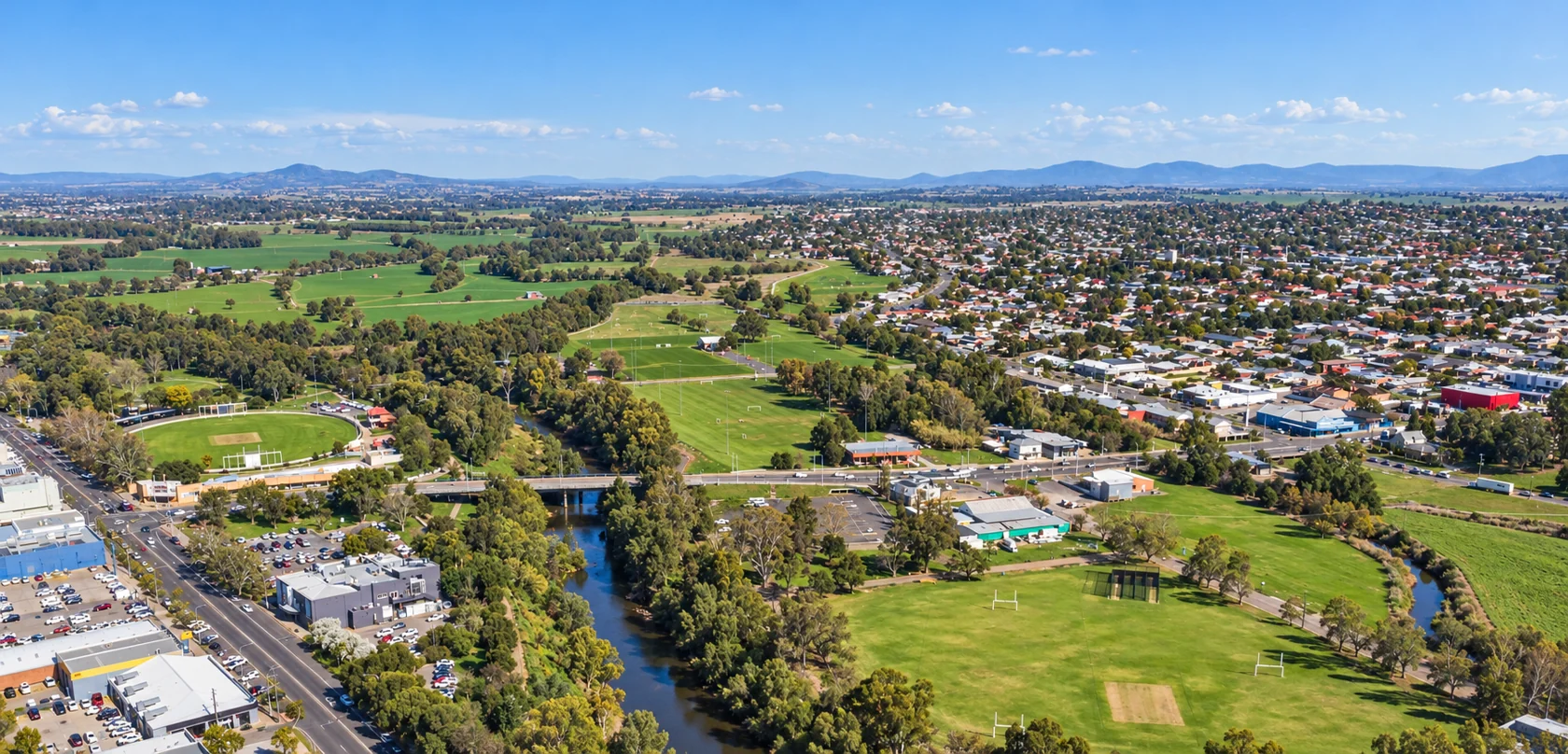
South of Sydney, the Shoalhaven is one of Destination NSW’s recommended short breaks from the city, and the South Coast destination runs down toward the Victorian border. Public transport thins out south of Wollongong, but NSW TrainLink coaches still link Canberra with Eden, with fares from $30.
Whale season
Humpback and southern right whales migrate along the NSW coast between May and November, according to the school holidays page. That window overlaps the Snowy Mountains ski season, so a winter trip can combine headland whale watching with a few days in the mountains.
Inland NSW: train routes, country towns and the outback
West of the Great Dividing Range, the state opens into farming country, regional cities and eventually the outback. The most useful public transport here is the regional train and coach network, run as NSW TrainLink. It connects more than 365 destinations across NSW, the ACT, Victoria and Queensland, and the booking rules matter for planning: all seats on regional trains and coaches must be booked in advance, and most services open for booking up to six months ahead. A few coach services must be booked together with a train service.
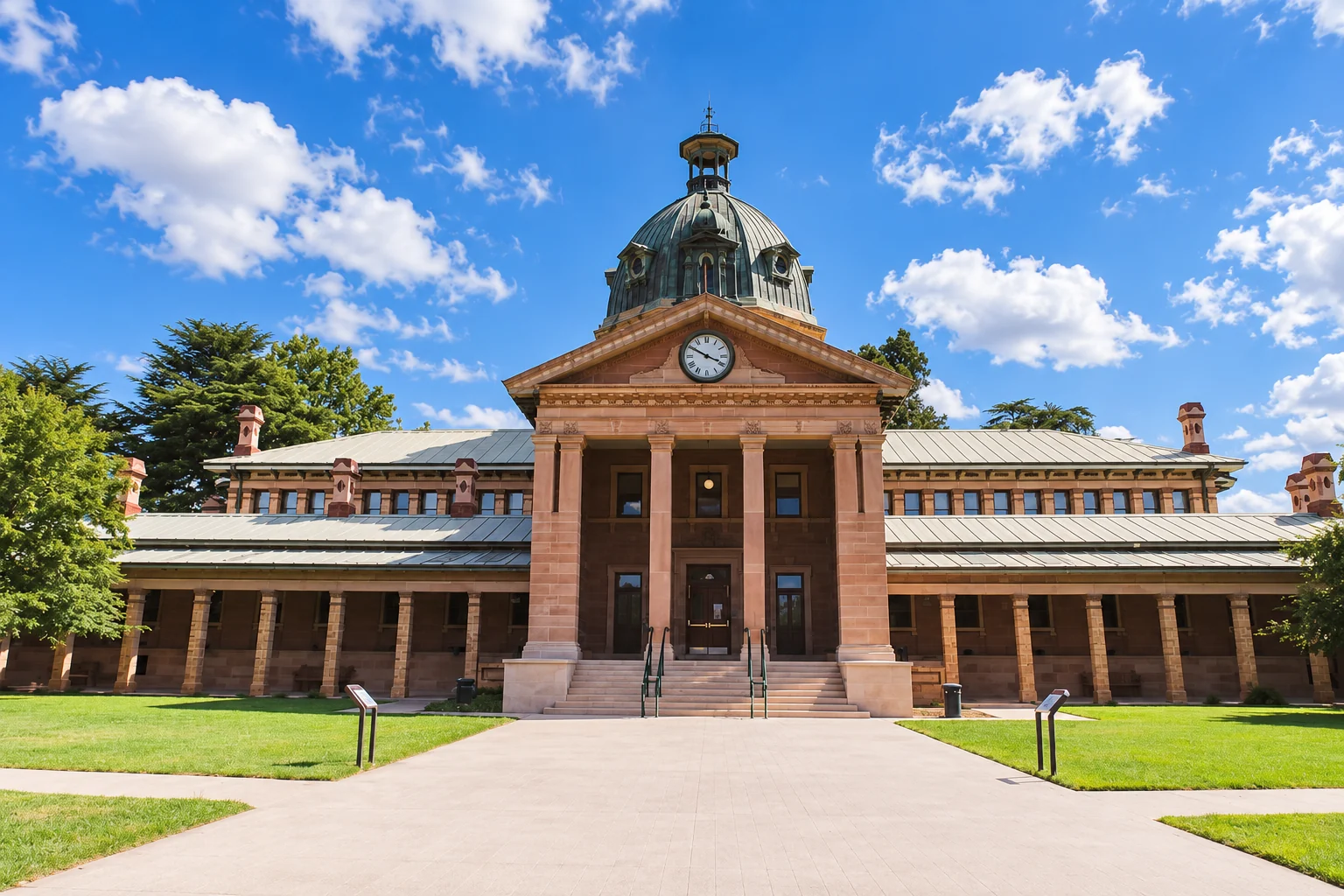
The Western NSW timetable, valid from 15 November 2026, shows the daily Sydney to Dubbo train (service 427) leaving Central at 7.19am and arriving at Dubbo at 1.46pm, with calls at Lithgow, Bathurst, Orange and Wellington. The return service 428 leaves Dubbo at 2.17pm and reaches Sydney at 8.50pm. Fares start from $44 for Central to Dubbo. Bathurst, Orange and Dubbo are three bases for country food, wine and wildlife. Dubbo is a regional city with plenty of attractions, and a common stop. Booking windows for service 427 and 428 vary: Sydney to Lithgow journeys open 7 days ahead, and other journeys open 180 days ahead.
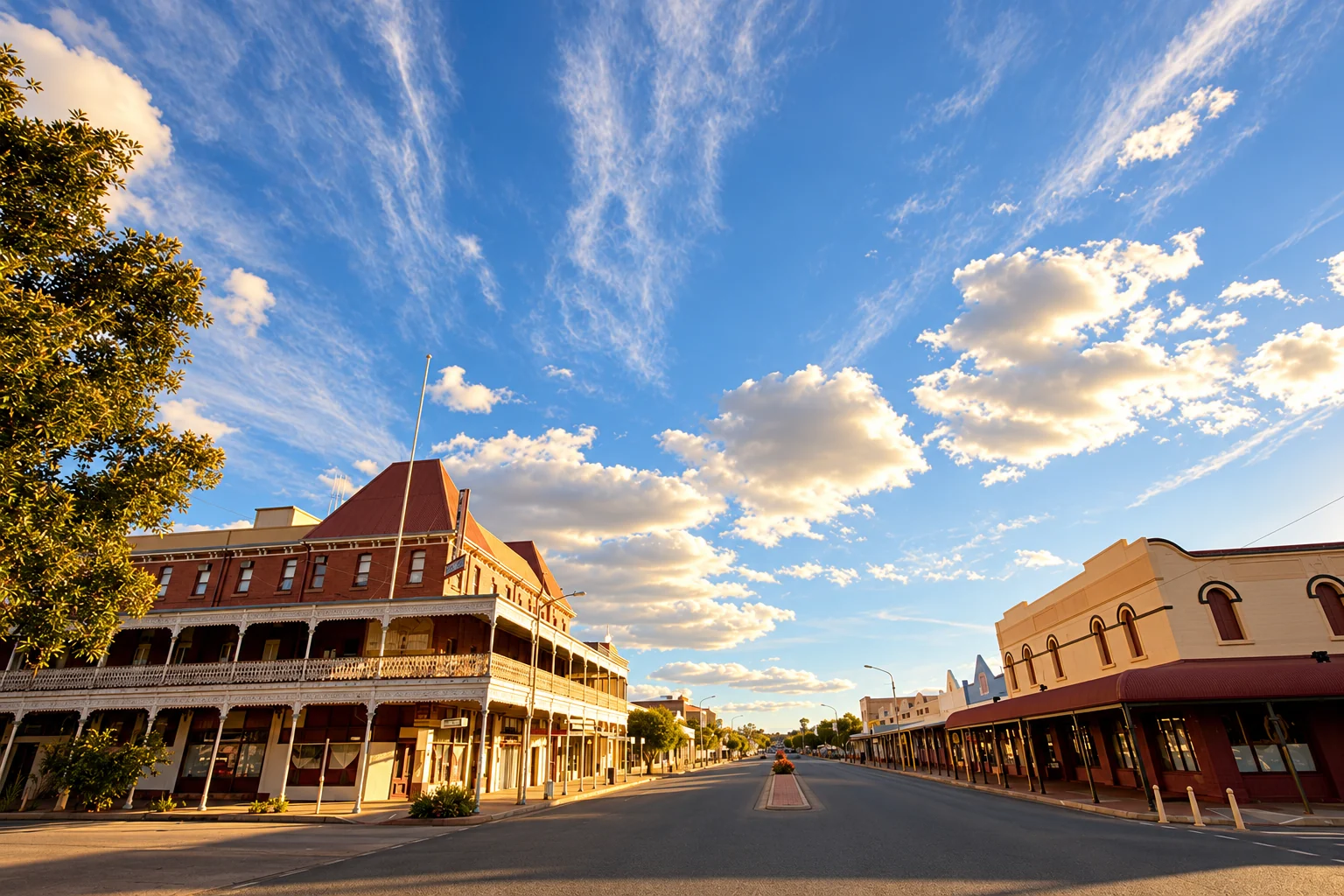
The Broken Hill train is a longer commitment. Service 445 leaves Sydney only on Mondays at 6.19am and runs via Orange, Parkes and Condobolin, with service 446 returning on Tuesdays. A one-way trip to the Far West needs planning around that weekly pattern. Many visitors fly or hire a car for the return.
Concession and pass options can bring costs down. The Discovery Pass, which covers a set period of travel, starts from $232 for 14 days, $275 for one month, $298 for three months and $420 for six months. Children aged 4 to 15 travel for $1 with an adult, and eligible pensioners and seniors can use the $2.50 Country Pensioner Excursion ticket. For booking help or accessible seating, the number is 13 22 32.
Driving on an overseas licence
Hire cars are the usual way to reach places the trains miss, and the licence rules are specific. According to the NSW Government, tourists and temporary overseas visitors can drive in NSW on an overseas licence for up to six months. They must hold a current licence, carry it while driving, and not be disqualified or suspended anywhere. A licence that is not in English must be accompanied by an English translation or an International Driving Permit (IDP), a document issued by the motoring association or embassy of the country that issued the licence. Translations must be the original or a copy certified by a Justice of the Peace, and photocopies are not accepted.
Different timing applies to people who live here. Australian citizens, permanent residents and New Zealand licence holders can drive on an overseas licence for three months before they must transfer it, and holders of a licence from another Australian state or territory may drive for three months on their interstate licence. A newcomer converting a licence needs an in-person visit to a Service NSW Centre with the original licence, proof of identity and proof of permanent residency, and may need a knowledge or driving test depending on the country of issue. The transfer page sets out the full document list.
The Snowy Mountains and Kosciuszko National Park
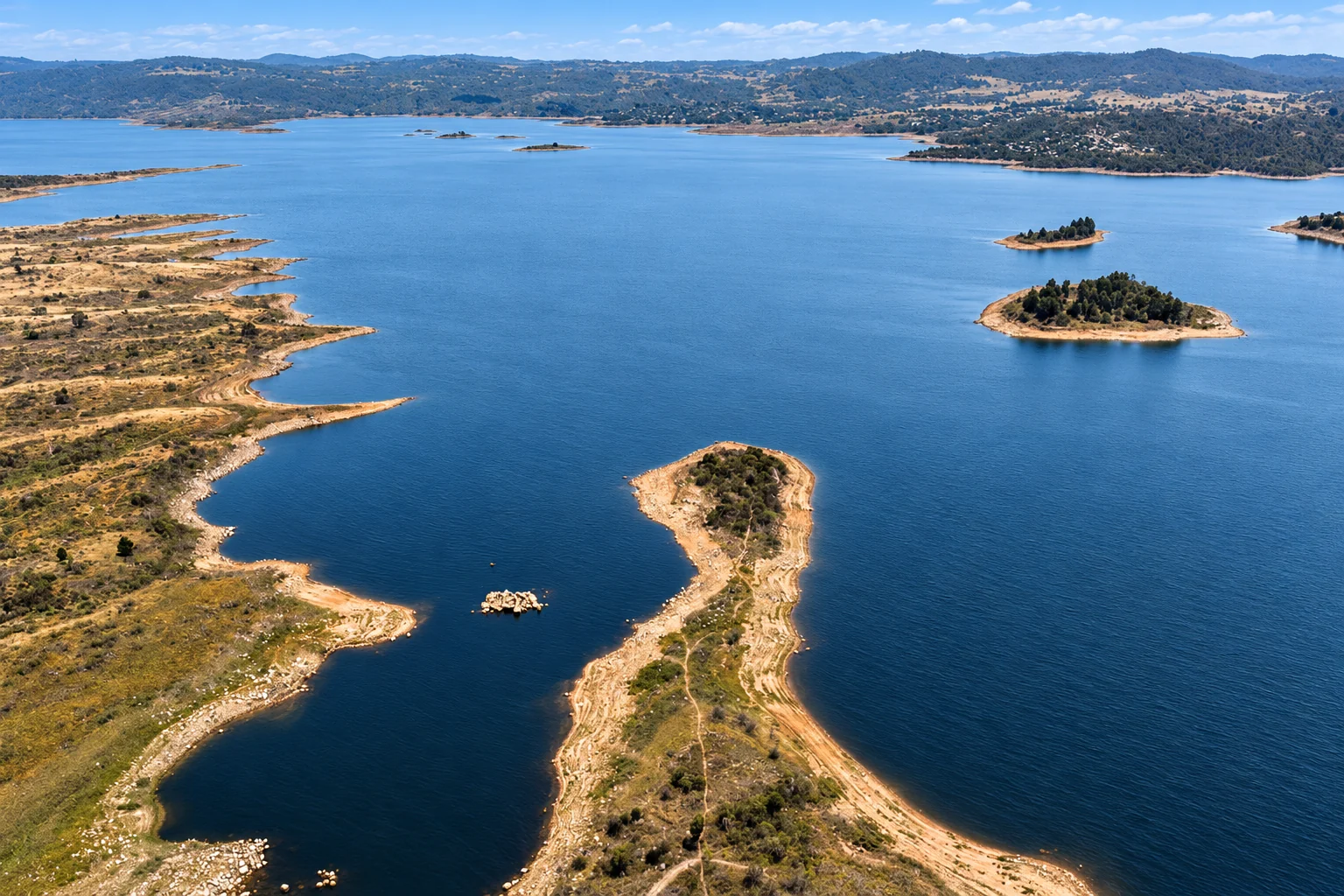
The Snowy Mountains, in the south of the state, contain Kosciuszko National Park and the ski resorts of Thredbo, Perisher, Charlotte Pass and Selwyn. By road, Sydney is roughly six hours from the region and Canberra about 2.5 hours, with Canberra to Jindabyne taking two hours. The main entry routes run through Jindabyne and Cooma on the east side, Tumut to the north and Tumbarumba to the west.
Without a car, visitors have choices. Snowy Mountains Airport near Cooma is about an hour from the resorts, and during the ski season Qantas flies daily from Sydney and Brisbane while Rex flies from Sydney from Sunday to Friday, with schedules that depend on the season. NSW TrainLink runs from Sydney to Cooma, Jindabyne and Bombala via Canberra, and to Tumut and Tumbarumba via Cootamundra. Coach operators run from Sydney and Canberra to Jindabyne, Thredbo and Perisher.
Winter roads and snow chains
Winter driving needs more preparation than anything else in this guide. NSW Government advice says all 2WD vehicles entering Kosciuszko National Park between the June and October long weekends must carry snow chains. The chain rule applies on three sections: Kosciuszko Road from the park boundary at the Thredbo River to Perisher Valley, the Alpine Way between Thredbo and Tom Groggin, and the whole of Island Bend/Guthega Road. The NPWS Thredbo page recommends chains for all vehicles, including 4WD and AWD, in extreme weather.
Roads also close when parking fills up. Transport for NSW can temporarily close Kosciuszko Road or the Alpine Way once parking at Perisher or Thredbo reaches capacity, and an SMS alert service covers these closures. Kosciuszko Road between Perisher and Charlotte Pass is closed to public vehicles in winter, and in-resort roads at Perisher Valley, Smiggin Holes and Guthega are closed to everything except oversnow vehicles. Every vehicle entering the resort areas must display a valid day pass, multi-day pass or annual parks pass.

Leaving the car behind
Two alternatives avoid most of these problems. The Skitube runs from Bullocks Flat near Jindabyne up to Perisher and Blue Cow, and Bullocks Flat has free overnight parking off the Alpine Way with no park entry fee on that section. The Snowy Mountains Bus Service runs daily to Perisher and Thredbo through the snow season, and the NSW Government recommends it when roads close. Charlotte Pass is reached by oversnow transport from the Perisher Skitube terminal. From Jindabyne, Thredbo is a drive along Kosciuszko Road, left onto the Alpine Way after 3 km, then another 13 km. Perisher is about 33 km along Kosciuszko Road.
National park fees and bushfire warnings
NSW has 895 national parks and reserves, and only 45 charge vehicle entry fees, according to a NSW Government release of 17 June 2025. Fees range from $4 to $12 a day, rising to as much as $29 a day for Kosciuszko in winter. The fee applies per motor vehicle, including motorbikes, and cyclists and walkers pay nothing.
Parks near Sydney illustrate the range on the fee-collecting parks page. Blue Mountains National Park charges $8 a day, collected only in the Glenbrook area, and Brisbane Water, Bouddi and Booti Booti are also $8. Broken Head Nature Reserve charges $4 an hour. Royal National Park charges $12 a vehicle a day, with vehicles of more than eight seats paying $4.40 per adult and $2.20 per child. It opens from 7am to 8.30pm and closes in poor weather or high fire danger. Payment is at the visitor centre, entry stations or pay machines, or through the Park’nPay app.
Passes suit longer trips. The Multi-Parks Pass covers all fee-collecting parks except Kosciuszko, and the All Parks Pass covers every fee-collecting park including Kosciuszko, which makes it the one a ski trip needs. Annual passes do not cover tours, events, the Skitube, or entry fees in other states and territories. Veterans holding a Commonwealth Veteran Card get free vehicle access to the 45 fee-collecting parks.
Checking fire conditions
Bushfire season affects travel plans in many parts of the state. The NSW Rural Fire Service (RFS) publishes warnings through the Hazards Near Me NSW app, which also covers floods and tsunamis, as well as its website and social media. Warnings follow the Australian Warning System. Advice means no immediate danger, Watch and Act means conditions are changing and you should start acting now, and Emergency Warning is the highest level, meaning you may be in danger and must act immediately. Setting up a watch zone in the app sends notifications for your route.
Fire danger ratings show how dangerous a fire would be if one started, and the RFS sets ratings and total fire bans each afternoon for the following day. NSW has 21 fire weather areas, and a "Forecast ratings" label means a rating is still indicative. On Catastrophic days the advice is to leave bush fire risk areas and reconsider travel through them. Outside total fire bans, Solid Fuel and Park Fire Bans may still be declared in state forests and national parks where the risk to visitors is high.
Fires can cross roads and highways. Smoke cuts visibility and can close roads without warning. The RFS advice for travellers is to check the rating for your route and destination, set a watch zone in Hazards Near Me and download the Emergency+ app. The Bush Fire Information Line is 1800 679 737, and emergencies go to Triple Zero (000).
Key Takeaways
- Plan Sydney as its own base: Destination NSW lists 11 regional destinations and sends city visitors to Sydney.com, so choose one or two regions to add rather than covering the whole state.
- Tap on with a contactless card in Sydney: Opal fares and caps apply to bank cards and phones, with adult daily caps of $19.30 (Monday to Thursday) and $9.65 (Friday to Sunday and public holidays) from 14 July 2025.
- Book regional trains and coaches ahead: All seats on NSW TrainLink regional services must be reserved, and the Sydney to Dubbo train runs daily while the Broken Hill service runs only on Mondays.
- Check your licence before hiring a car: Overseas tourists can drive for up to six months, a licence not in English needs a translation or an IDP, and residents and interstate drivers get three months.
- Prepare early for snow trips: 2WD vehicles in Kosciuszko National Park must carry chains between the June and October long weekends, and the Skitube or Snowy Mountains Bus Service avoids road closures.
- Check fire ratings and park fees daily: Only 45 of 895 NSW national parks charge vehicle fees, and the Hazards Near Me app shows fire warnings for your route.