Sydney is a very popular destination for Australia travellers. The capital of the state of New South Wales is world famous for the Sydney Opera House and the Harbour Bridge. In this Sydney guide we tell you everything you need to know about this dream destination. Find out everything about the best sights and tours (Sydney Bridge Climb), the best bars, restaurants and cafés, up to our insider tips that we would have liked to have known earlier (compare current attraction-pass prices and inclusions before booking).
The metropolis of New South Wales is Australia’s largest greater-capital-city area, with 5,638,830 residents at June 2025, the continent’s financial and industrial centre and a major attraction for tourists from all over the world. Thanks to the coastal setting and the numerous beaches, hectic city life and relaxed beach life go hand in hand. It is not uncommon for bankers to take off their suits after office hours and go straight to the sea to surf. It’s also where people barbecue and eat, where families and friends get together at the beach after work, drink beer and swim in the cold Pacific Ocean.
Particularly interesting are the numerous markets in the individual districts. Every Friday evening there is a Chinese night market on Dixon Street in China Town. Cheap clothes and electrical goods are available at Paddy’s Market on Hay Street. This market is also Asian and is located near Chinatown. Domestic handicrafts can be found every Saturday at Paddington Market in the suburb of Paddington, and the market on Bondi Beach in the eastern suburbs is particularly popular. The Bondi Beach Market is open every Sunday, and here you can find everything you need or might need for a life on the beach.

Facts about Sydney
Here we give you the most important Sydney facts that will give you a better insight into the metropolis in the east of Australia.
- Greater Sydney had 5,638,830 residents at June 2025, according to the ABS.
- A census in 2006 showed that 31.7 percent of Sydney’s inhabitants were not born in Australia. Sydney is home to immigrants from all over the world and gives the city a multicultural flair. However, the city also has a casual and therefore typically Australian feel.
- The city is located directly on the Pacific Ocean on the east coast of Australia. In the hinterland, the Blue Mountains extend to the west and the hilly landscape of the Hornsby Plateau to the north.
- The world famous port of Sydney is called Port Jackson.
- Greater Sydney includes many suburbs, including Bondi and Manly; district counts depend on the boundaries used.
- When was Sydney founded? British settlement at Sydney Cove began in 1788 with the arrival of the First Fleet. The settlement was named after Lord Sydney, the British Home Secretary. Sydney was incorporated as a city in 1842.
Sights and experiences
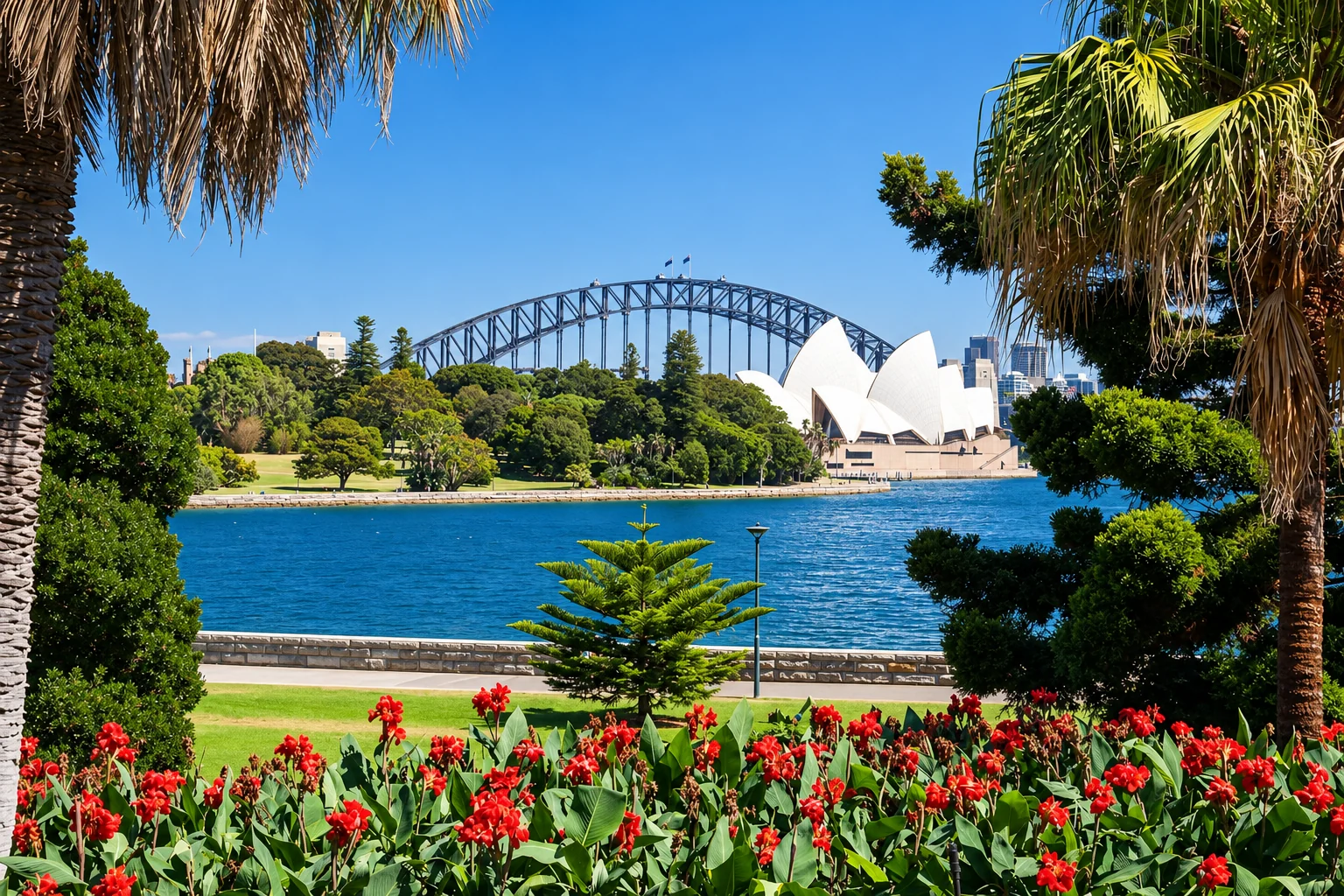
The Sydney Opera House and Sydney Harbour Bridge are central landmarks. Walk around Circular Quay to see both, or take a ferry across the harbour for a different view of the skyline. The Royal Botanic Garden sits beside the water and offers a quieter place to walk between the harbour and the city centre.
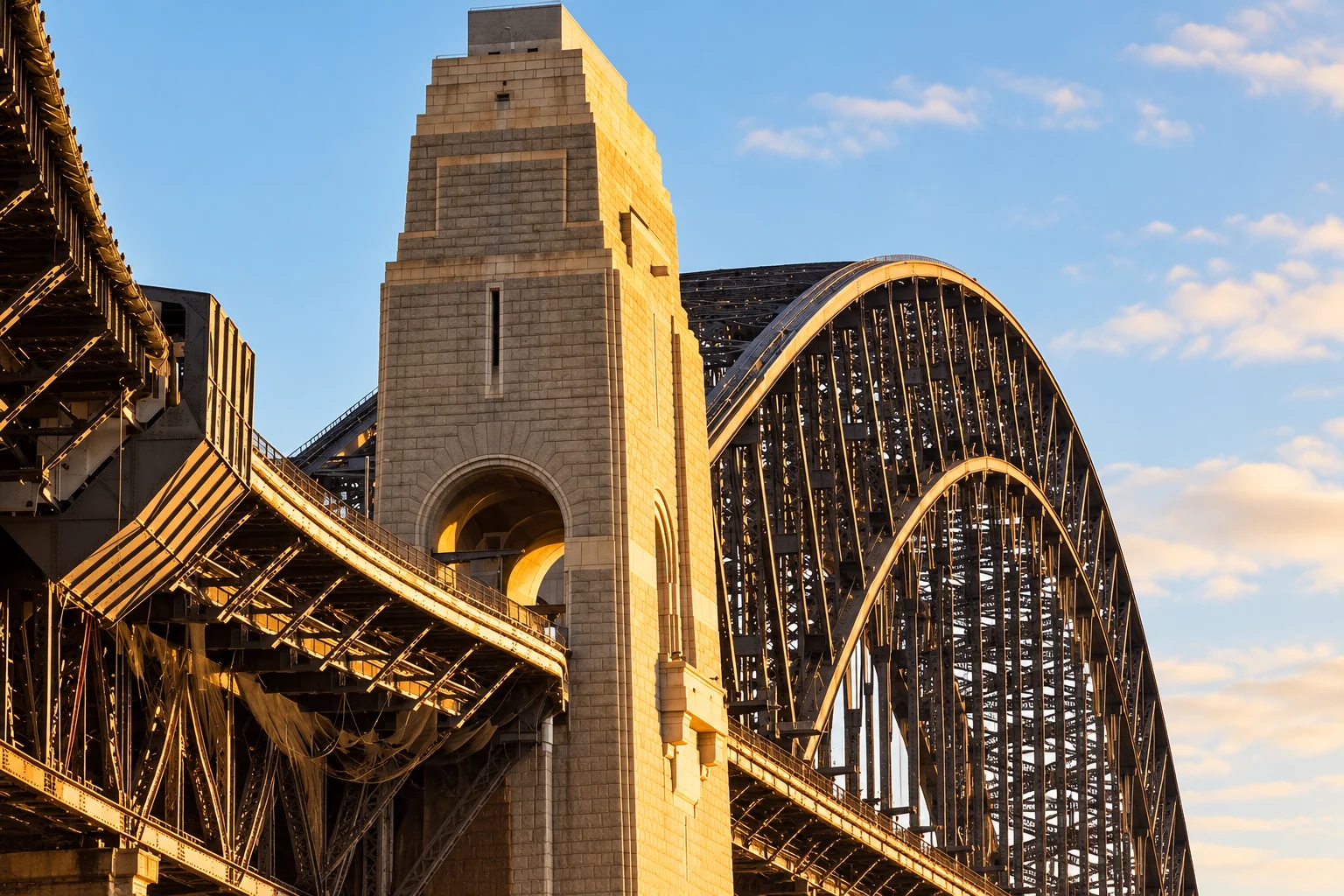
For a close-up view of the bridge, the BridgeClimb takes visitors along its upper arches with a guide. Book ahead and check the operator’s age, health and clothing requirements. If you prefer to stay at ground level, the pedestrian walkway across the bridge is free to use.
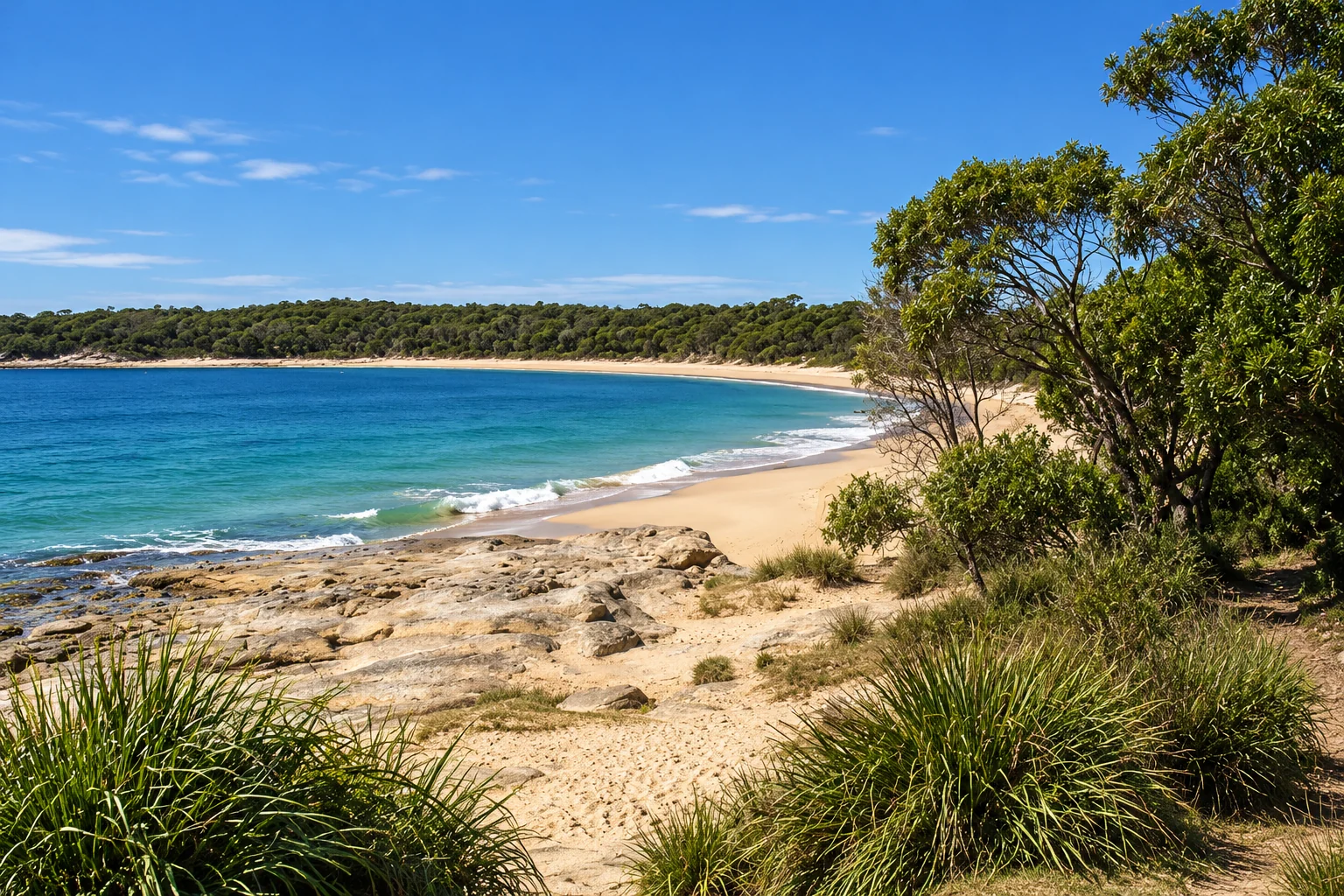
Sydney’s beaches offer a change of pace from the city centre. Bondi is a well-known starting point for coastal walks; the route between Bondi and Coogee passes several beaches and bays. Swim between the red and yellow flags at patrolled beaches and follow lifeguard advice, as surf and currents can be hazardous.

Pass inclusions, prices and savings depend on the product and the attractions selected, so compare the total cost with buying individual tickets before you commit. Check current opening hours and booking requirements for attractions, restaurants and tours.
When to visit
Sydney has warm summers and mild winters, but rain can fall throughout the year and conditions change. Summer brings long days and busy beaches. Spring and autumn are often comfortable for walking and sightseeing, while winter suits visitors who prefer cooler weather and fewer beach crowds. Check the forecast before setting out, especially for coastal walks and boat trips.
Major events and school holidays can make accommodation and popular attractions busier. If your dates are flexible, check local event calendars and book accommodation and sought-after tours in advance.
Arriving and getting around
Sydney Airport is south of the city centre. Trains run from the airport’s domestic and international stations to central Sydney; an airport station access fee applies in addition to the fare. Taxis and rideshare services are also available. Allow extra time for airport travel during busy periods.
Trains, buses, light rail and ferries connect the city centre with many suburbs and attractions. You can pay for eligible public transport trips by tapping on and off with the same contactless bank card or device, or by using an Opal card. Check the current fare and payment rules before travelling, as they vary by service.
Ferries are a useful way to see the harbour while travelling between places such as Circular Quay and Manly. Walking works well around the central harbour, but Sydney’s suburbs are spread out; check the transport route before planning a day around several distant sights.

Day trips from Sydney
The Blue Mountains offer bushwalks, lookouts and mountain towns west of Sydney. You can go by train or join a guided tour, but allow a full day for the journey and time on site. Weather, track conditions and transport disruptions can affect plans.

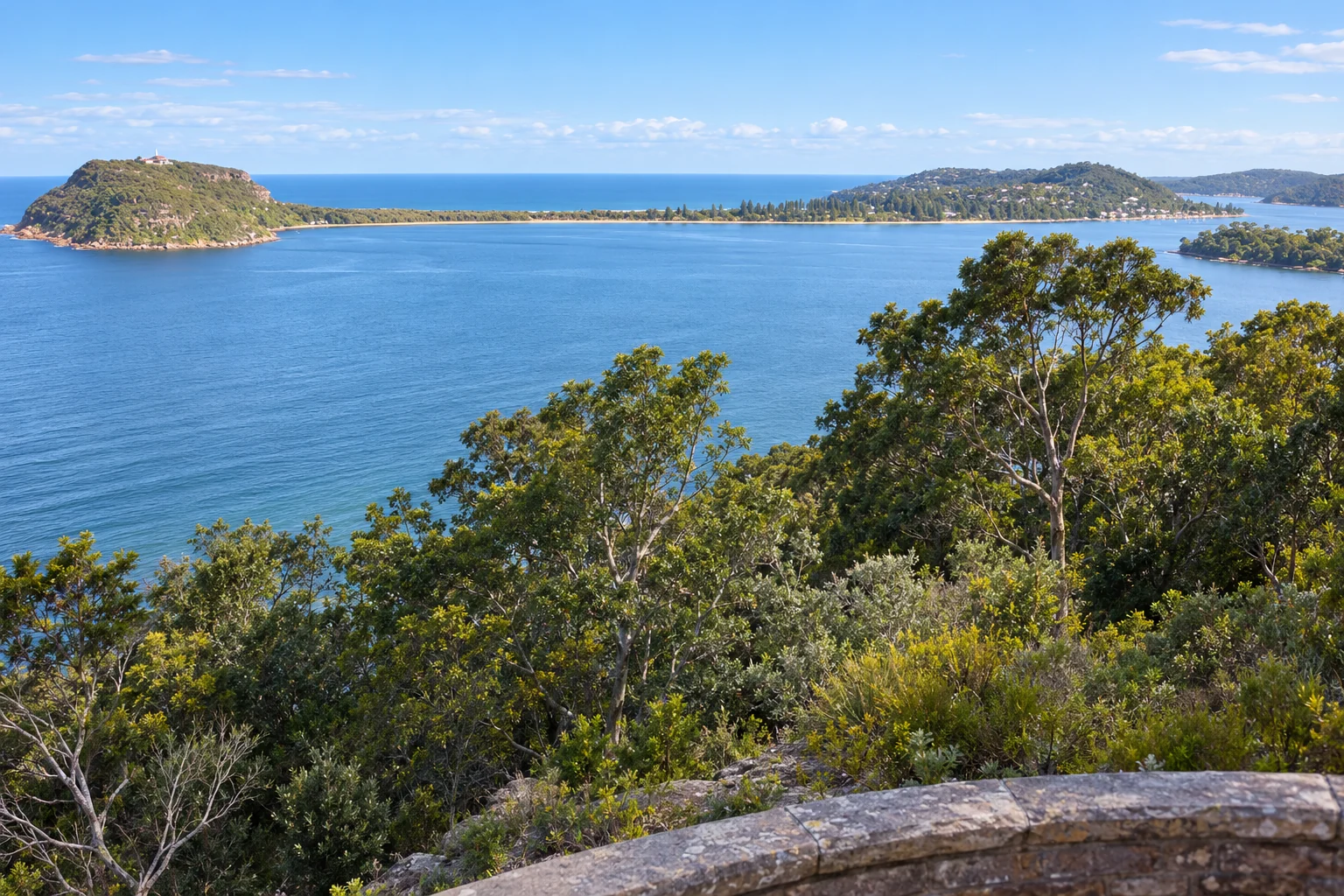
Closer to the city, Royal National Park has coastal scenery and walking tracks south of Sydney. Ku-ring-gai Chase National Park, to the north, combines bushland, waterways and Aboriginal cultural sites. Check National Parks and Wildlife Service alerts and track information before you go, and plan transport carefully: public transport does not reach every trailhead or park destination.
Practical facilities
Sydney’s visitor facilities vary by neighbourhood and attraction. Major transport hubs and popular visitor areas have public toilets, but facilities are less frequent on some beaches and walking routes. Check facilities and accessibility information for the specific place you plan to visit, and carry water on longer walks.
At beaches, use the patrolled swimming area and obey signs and lifeguard instructions. Wear sun protection, even when the day feels cool, and check conditions before entering the water. In an emergency, call 000.