Whale watching in Victoria means looking for migrating whales from public headlands, beaches and jetties, or from a tour boat, between late autumn and early spring. Southern right whales and humpbacks are the two species most visitors see. The best-known shore site is Logans Beach at Warrnambool on the Great Ocean Road, where female southern rights come in to calve. Phillip Island, about 140 km south of Melbourne, has the widest range of viewpoints and boat tours.
Most sightings fall between May and October, with June to September the most reliable months. The guide covers when to go, which species to expect, viewpoints from Melbourne to the western coast, paid tours and prices, the distances to keep from a whale, and who to call about a stranded or injured whale.
When whales are in Victorian waters
Whales begin arriving in Victoria in May and stay until early October, when they head back towards Antarctica. The timing varies by location and species.
On Phillip Island, May to October is the best time. The island’s Whale Discovery Trail runs from mid-May to September, with a peak in June and July. At Logans Beach in Warrnambool, females return each year between June and September to calve. The regional tourism listing for Warrnambool suggests June to October. A commercial Great Ocean Road listing puts the peak at July to September.
The national whale-watching guidelines treat May to November as the period of highest-intensity whale watching on the humpback and southern right migration routes. Boat traffic is heaviest during those months.
Southern right records from the south-west coast show how the season unfolds in practice. In 2013 the first sighting was on 28 May at Port Fairy, the first cow and calf pair was recorded at Logans Beach on 9 June, and the last sightings of the season were at Logans Beach on 5 October. In 2011 the first sighting on that coast was 10 May at Logans Beach. The earliest record on file is Portland on 22 April 2006 and the latest is Portland on 27 October 2010. In 2011 a cow and calf pair was seen at Logans Beach virtually every day from 23 July to 18 August.
For planning, book a trip for June to August if you want the most consistent calving activity at Logans Beach and the highest tour activity around Phillip Island. September and early October remain worthwhile at both places, while May and late October are shoulder months with fewer whales.
Whales you can expect to see
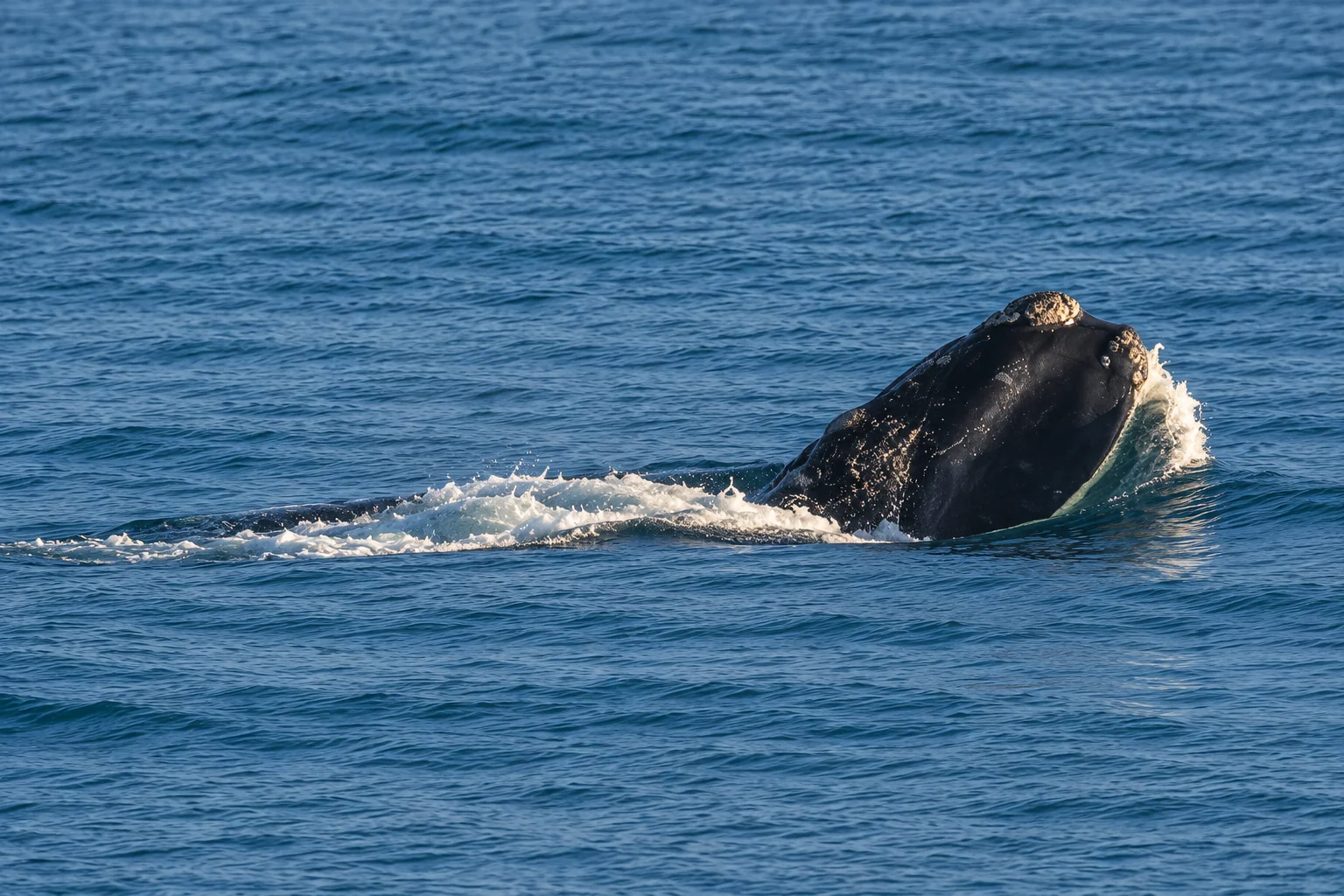
Southern right whales are the species most tied to the Victorian coast. They are Australia’s only inshore large whale species, and the south-eastern Australian population is small, at about 250 to 300 animals. They are usually black, with no dorsal fin and a rounded blowhole, and measure about 14 to 18 metres. The white patches on each whale’s head, called callosities, are distinctive enough that researchers identify individuals from photographs. Southern rights favour shallow water and linger in the surf line, which is why shore watchers do well with them. Look for them at Logans Beach, Port Fairy, Portland and the Bass Strait islands. On Phillip Island they are sometimes seen in shallow water off Cowes or the San Remo jetty.

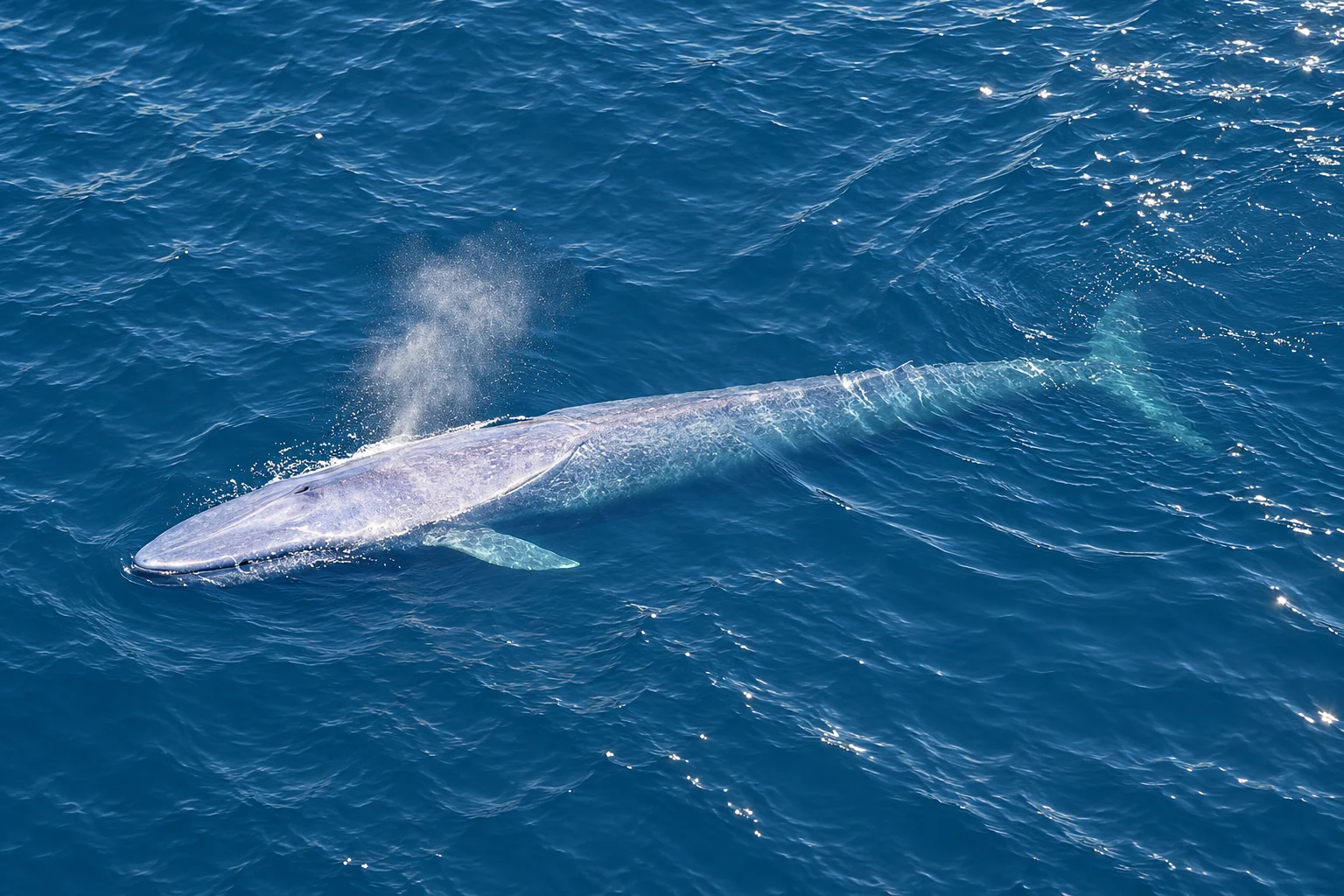
Humpback whales are lighter and faster, with a white underside, long flippers and a small dorsal fin, and they grow to up to about 16 metres. They are the species most often seen from Phillip Island and the entrance to Port Phillip Bay. Northbound humpbacks pass from May to August and head back south from September to November. Humpbacks have been seen near Cowes jetty when they enter the bay, especially in rough surf-side weather.
Orcas are smaller, black and white, and can exceed 50 km/h when hunting. They are occasional visitors to Phillip Island and less common than humpbacks and southern rights.
Blue whales are rare and stay further offshore, so they are not a realistic target for a shore visit around Melbourne or Phillip Island.
Boat trips also turn up other wildlife. Common and bottlenose dolphins are regular companions, and thousands of Australian fur seals live at Seal Rocks off Phillip Island. Albatross, with wingspans of about 2.5 metres, are also seen from the water.
Phillip Island viewpoints
Phillip Island suits a day trip from Melbourne because it combines free headland viewing with boat tours. The dry-land viewpoints named by Visit Melbourne are Cape Woolamai, Surf Beach, Pyramid Rock, and The Nobbies and Summerlands area. The south-facing coast gets the open-ocean passage, so these headlands are where you scan the horizon for blows and tail flukes.
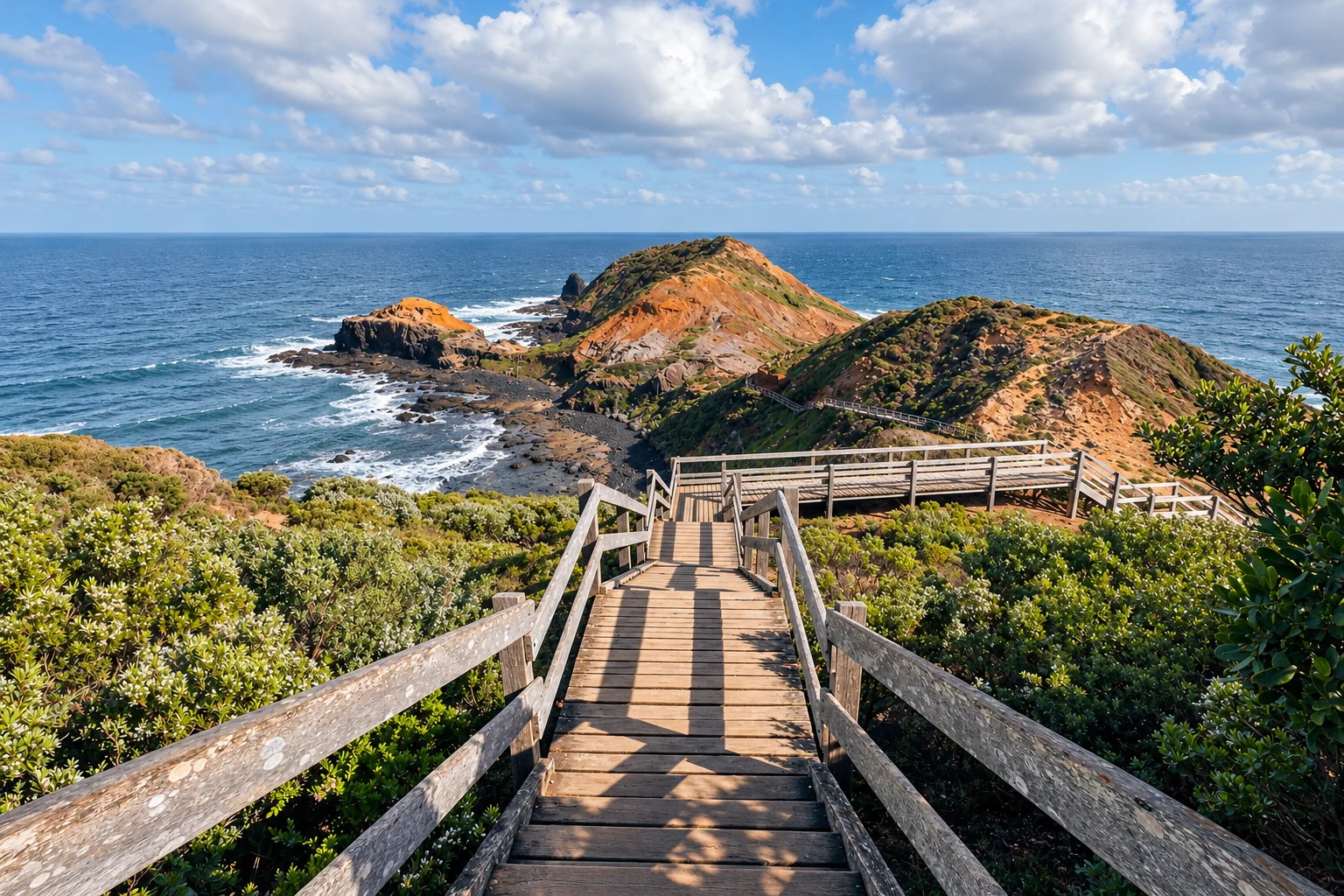

The Whale Discovery Trail links the best coastal viewpoints from Eagles Nest in the east to Cowes. You can walk it, ride it or drive it, and interpretive signs at the viewpoints explain what you are looking at. Cowes jetty and San Remo jetty are worth a stop on their own, since southern rights and occasionally humpbacks come into the shallows near them.
The Phillip Island Visitor Information Centre at Newhaven gives the latest sightings before you start. Sightings are usually posted on the Wildlife Whales app, which also offers live notifications for Phillip Island and Wilsons Promontory. Visit Melbourne’s Phillip Island page points to a Whale Sightings Google map for the region.
If you prefer to go airborne, Phillip Island Helicopters looks out for migrating whales during its scenic flights. Like the boats, the flights depend on weather.
Melbourne and Port Phillip
Whales do come close to the city in winter, but sightings here are less predictable than at Phillip Island or Warrnambool. At the entrance to Port Phillip Bay, Queenscliff Harbour is one of RACV’s recommended spots, where humpbacks and southern rights are possible from June to October. Dolphins and fur seals are also seen there.
Inside the bay, the Dolphin Research Institute has reported three humpbacks confirmed inside Port Phillip Heads in one season, seen from Seaford to Mount Martha on the Mornington Peninsula. The same report warned about boats crowding the whales, so if you are on the water in the bay, keep to the distances in the rules section below. A guide to Melbourne-area watching gives a May to October season with a June to September peak.
Wilsons Promontory and Gippsland
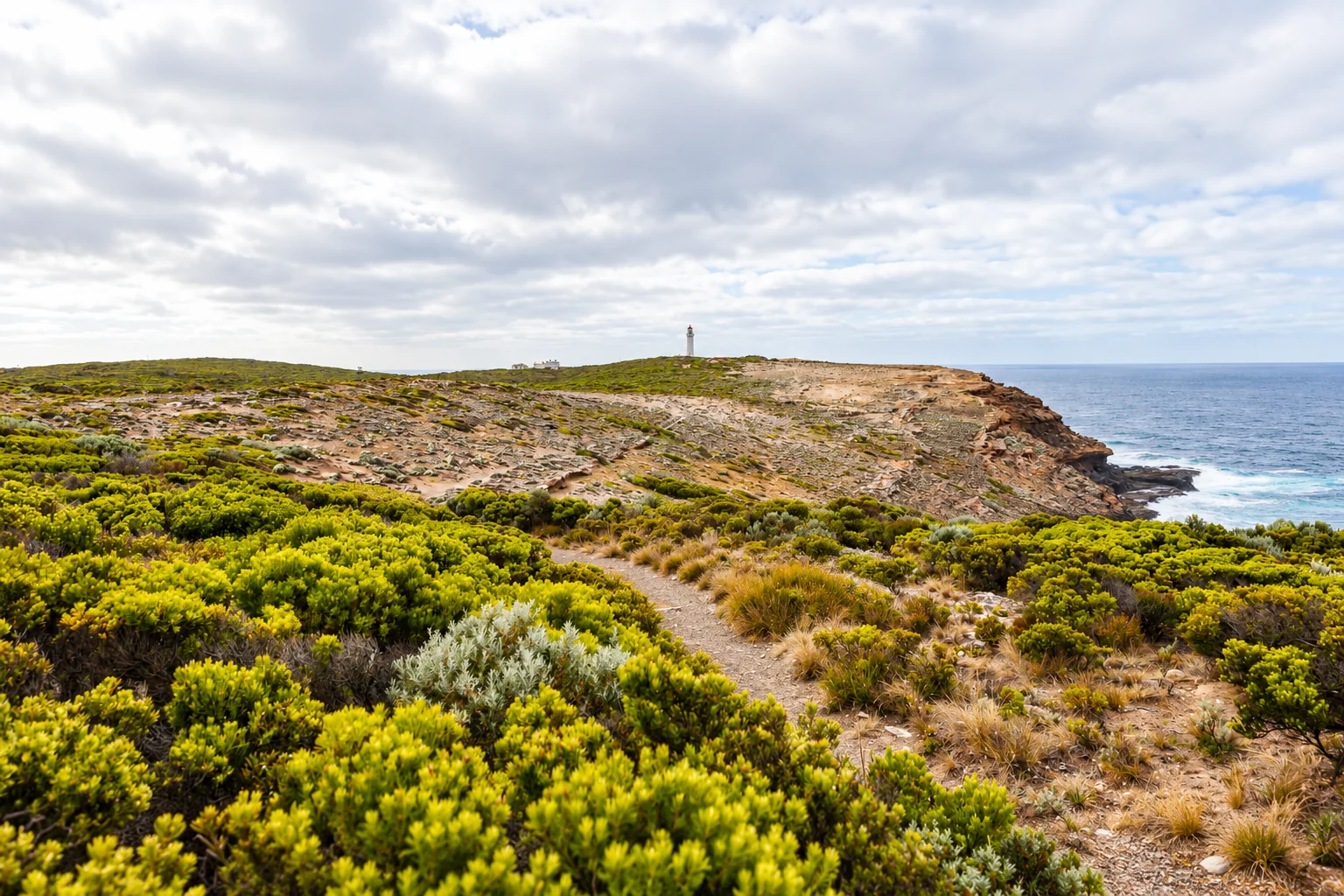
Whales can be seen along the Gippsland south coast, though Portland, Warrnambool and Phillip Island are rated the best areas in the state. RACV names Wilsons Promontory and Ninety Mile Beach among its recommended places, and it also lists the Cape Otway Lightstation on the Great Ocean Road.
Wilsons Promontory is the one Gippsland location with a dedicated whale tour. The Wilsons Prom Whale Cruise from Port Welshpool is covered in the tours section below.
Warrnambool and the western coast
Logans Beach
Logans Beach, on Logans Beach Road, Warrnambool, VIC 3280, is the main calving area for southern rights in Victoria and the best-known shore site. Females return between June and September, and the whales often swim within 100 metres of shore. Dedicated viewing platforms are provided, according to RACV. Cow and calf pairs stay in the shallows for weeks, so a visit at any point from June to September gives a good chance of a sighting, and you do not need a boat or a long walk.
If you would rather have a guide, the Whale Express from Warrnambool Tours is a one-hour trip to Logans Beach. It costs $25 for an adult and $15 for a child and includes transport to and from the beach, binoculars and a local guide who explains southern right whale behaviour. The operator is at 89 Merri Street, Warrnambool.
Port Fairy and Portland
Port Fairy, west of Warrnambool, produced the first southern right sighting of the 2013 season on 28 May. Monitoring notes from 2011 also record an unusual white southern right off Port Fairy on 27 July. Portland, further west again, has the earliest and latest southern right records on file, so it is worth a stop at either end of the season. Southern rights are also seen off Portland, according to Visit Melbourne’s Great Ocean Road listing.
Warrnambool, Port Fairy and Portland sit along the same western coast, so a two- or three-day Great Ocean Road trip in July or August can include all three.
Whale watching boat tours and prices
Boat tours reach humpbacks and the Seal Rocks fur seal colony, which shore viewpoints cannot. The operator for most Phillip Island and Wilsons Promontory tours is Wildlife Coast Cruises. Listing prices and departure dates below were published for the 2026 season, so confirm them before booking.
| Tour | Departs | Adult | Child | Times and 2026 dates |
|---|---|---|---|---|
| Winter Whale Cruise | Rhyll Jetty, Phillip Island | From A$179 | A$125 (aged 4 to 15) | 8:30am to 12:30pm, season finished for 2026 |
| Winter Whale Cruises (Visit Melbourne listing) | The Esplanade, Jetty Car Park, Cowes | $179 | $125 | 8:30am to 12:30pm, 5 June to 9 August |
| Dolphin and Whale Cruise | 170 Marine Parade, San Remo | $135 | $95 | 1:00pm to 4:00pm daily, season finished for 2026 |
| Wilsons Prom Whale Cruise | 93 Lewis Street, Port Welshpool | $255 | $185 | 10:30am to 4:30pm daily, 18 July to 8 November |
The Phillip Island Winter Whale Cruise lasts four hours, with check-in at 8:15am. The tour page lists humpback whales, common and bottlenose dolphins, and fur seals at Seal Rocks. Morning tea is included. A family fare for two adults and two children costs A$517. Bookings are book now, pay later, and the card is charged three days before the tour. If the departure is within five days, you pay at booking. The phone number on the page is (03) 5952 9500. The winter cruise is listed from both Rhyll Jetty and The Esplanade in Cowes, so check your booking confirmation for the departure point.
Packing advice from the tour page is warm clothing, sunscreen, a hat, a camera and motion-sickness tablets. Bass Strait swell makes the open-water section rough on some mornings, so the tablets are worth taking before you board.
Sightings are not guaranteed. Tour sellers put the sighting rate at about 80 per cent of trips, and expect 70 to 90 per cent success between June and August. These figures come from the sellers, not from the operator’s own counts. Weather can also change the route for safety reasons.
The Phillip Island cruises stop in early August, well before the whales leave, so a September trip to the island relies on the shore viewpoints. The Wilsons Prom cruise runs well into spring. On the western coast, the shore-based Warrnambool Whale Express is the better choice for visitors.
How close you can go to whales
Victoria applies its own rules on top of a national standard. DEECA, the Victorian environment department, states that vessels, drones and aircraft should stay at least 300 metres from all whales. The 300-metre rule also covers kayakers and drone pilots.
The Australian National Guidelines for Whale and Dolphin Watching, updated in 2017 with state and territory governments, set the following for vessels near adult whales:
- Stay at least 100 metres to the side of an adult whale.
- Keep out of the area directly ahead of or behind the whale, out to 300 metres. Do not wait in front of the whale’s direction of travel or follow directly behind it.
- Abandon an approach immediately if the whale shows disturbance. The signs are erratic fast movement, stopping feeding, and changes in direction or speed. Other signs are hasty dives and changed breathing, along with tail slaps and trumpet blows.
The guidelines add that state and territory rules apply in adjacent coastal waters and can differ from the national standard, so the stricter 300-metre distance is the safe figure to work with in Victoria. If a whale approaches your vessel by its own choice, you are still within the regulations, but you should avoid pursuing it.
Several types of craft must not come within 300 metres of any whale or dolphin. These are jet skis and underwater scooters, parasails and remotely operated craft, as well as wing-in-ground-effect craft and hovercraft. If one strays into that zone by accident, it should slow to less than 6 knots and move away until it is at least 300 metres out. Some sites are Biologically Important Areas, where stricter limits on time, trips per day or area closures can apply, and commercial operators in an Important Cetacean Habitat Area can need a permit under the national environment law.
Marine mammals are protected, and it is illegal for any member of the public to interfere with them on the sea or on land. Possessing material from a whale or dolphin, such as teeth from a dead animal, is a major offence with significant penalties.
Weather and sea conditions for whale watching
Weather decides both sightings and comfort. Boat and helicopter trips on Phillip Island are weather-dependent, and operators change routes or cancel for safety. Humpbacks sometimes enter the bay in rough surf-side weather, so a stormy day can still pay off from Cowes jetty if you dress for it.
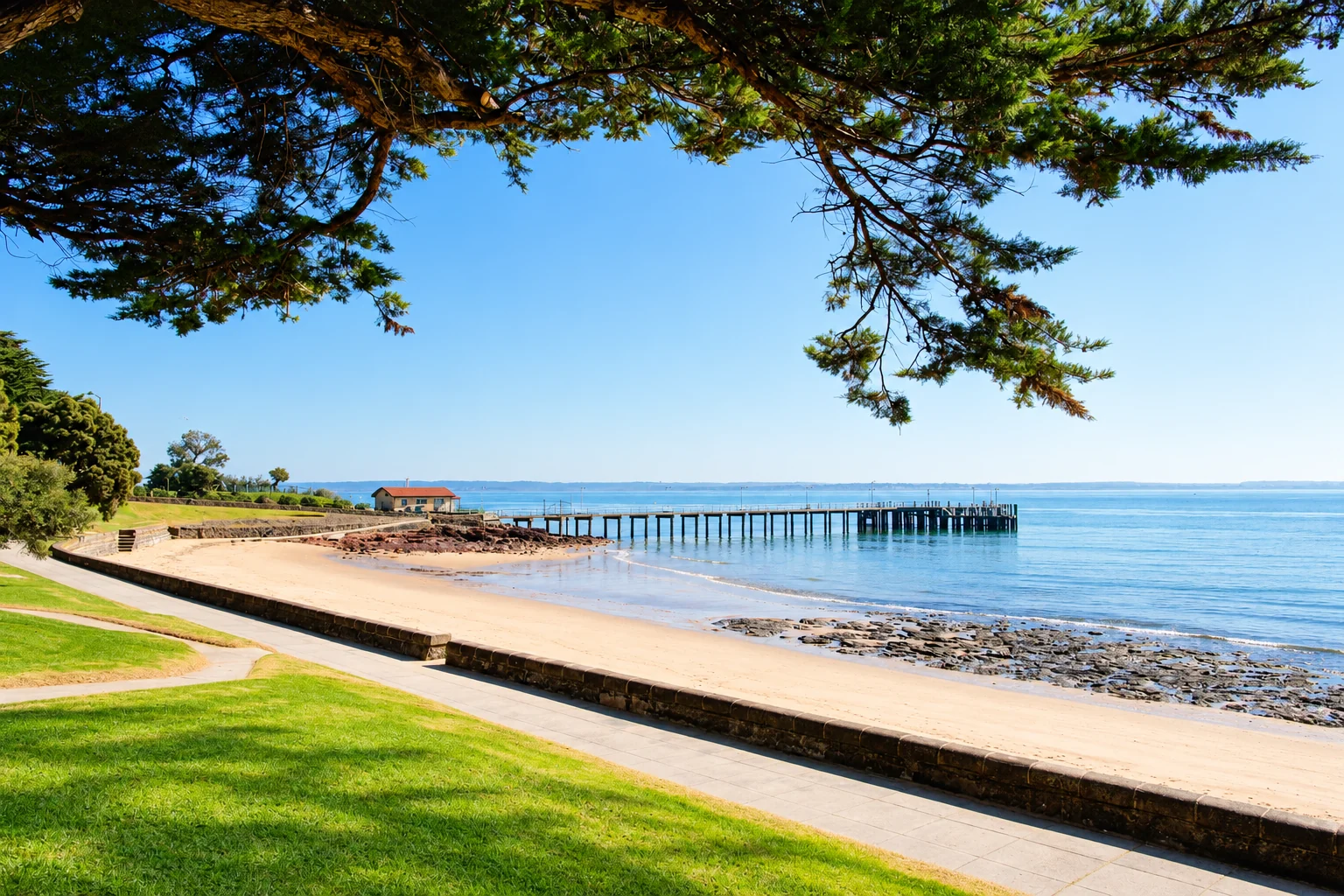
On shore, take binoculars and warm layers, since the winter coast is cold and exposed, and scan the surf line at Logans Beach and the open-ocean headlands of Phillip Island for blows. Check the latest sightings at the Newhaven visitor centre or on the Wildlife Whales app before you drive out. Mornings on a flat sea make blows easier to spot than a choppy afternoon.
Reporting whales and emergencies
Call the Whale and Dolphin Emergency Hotline on 1300 136 017 straight away if you find a stranded, injured or entangled whale or dolphin. Do not approach an entangled whale from a boat, because this can endanger you and your vessel and further stress the animal. Do not approach a stranded or entangled animal on land either. Responders weigh their own safety and the animal’s welfare first.
DEECA manages stranding emergencies under the Victorian Cetacean Emergency Plan and is the control agency for entanglements. Parks Victoria handles public enquiries and access to stranding sites. It also supports entanglement operations with vessels and accredited personnel, as does the Victorian Fisheries Authority. Victoria historically records about four to seven whale or dolphin strandings a year. A stranded whale is returned to the sea only if that is safe and its chances of survival are high. For large whales, letting the animal die naturally can be the most humane option.
Entanglement responders assess the animal from the air and from the water, looking at the species, its direction of travel, the type and position of the entanglement, and sea and weather conditions. Operations run in daylight only, can continue for several days, and pause when conditions are unsafe. The usual debris includes ropes, derelict fishing gear, plastic and bottles.
For ordinary sightings, WhaleFace is a DEECA-linked program that collects photos and sightings. It focuses on southern right whales but accepts all whale species, and you register to submit. Your photos feed into DEECA’s whale research and monitoring, with support from SWIFFT and Federation University’s CeRDI. The Wildlife Emergency app is for injured wildlife during emergency events and is not a channel for routine sightings.