
The Great Ocean Road runs 243 km along the coast of south-western Victoria, according to Transport Victoria. Most visitors drive it from Melbourne. Allow three days for a self-drive that includes the Twelve Apostles and a night on the coast, or four to six days if you want to walk, swim or wait for good light.
Where you sleep matters more than any single stop. The pattern that works best is Lorne or Apollo Bay for the first night, Port Campbell for the Twelve Apostles, and Port Fairy or Warrnambool at the western end. Entry to the Twelve Apostles is changing, summer is both peak season and fire season, and roadworks on the road and its inland alternatives continue, so check the details against your travel dates.
How many days to allow
Visit Melbourne frames the touring route as a three-day self-drive from Torquay to Port Fairy, covering 664 km and about 9.5 hours of driving. That is driving time only, so the days fill up quickly once you add lookouts, walks and meals.
A day trip from Melbourne is possible, but one travel guide notes you would leave before dawn, skip most detours and spend more time in the car than out of it. A tour with a coach driver suits that format better than driving yourself (see the section on tours and buses below). An operator itinerary spreads the route over six days with two nights each in Lorne, Apollo Bay and Port Campbell, and says the drive can easily take six days or more.
As a rule of thumb: allow two days for a rushed trip, three for a balanced one, and four or more if you want the Otways, a whale-watching stop or an unhurried morning at Port Campbell.
Three-day route from Melbourne
Visit Melbourne’s three-day plan drives the coast on the way out and returns on an inland road, so you do not backtrack along the same bends.
| Day | Leg | Distance | Drive time |
|---|---|---|---|
| 1 | Melbourne to Apollo Bay | 187 km | about 3 hours |
| 2 | Apollo Bay to Port Fairy | 189 km | about 3 hours |
| 3 | Port Fairy to Melbourne, inland via Colac | 288 km | about 3.5 hours |
Day 1 covers Torquay, Bells Beach, Anglesea, Lorne and the lookouts before Apollo Bay. Day 2 is the heaviest sightseeing day, taking in the Otways, Port Campbell National Park and the Twelve Apostles on the way to Port Fairy, with Warrnambool as an alternative end point.
One adjustment is worth making. Light at the Twelve Apostles is best early and late, and one guide says midday in summer brings flat light, a car park full of tour buses and no shade. Staying in Port Campbell on night two puts you minutes from the lookouts at either end of the day, as another guide also notes. If you do that, finish at Warrnambool or Port Fairy on the morning of day 3 rather than the evening of day 2.
When to add a fourth day
A fourth day works best as an extra night on the three-day route. This is a judgment call rather than a published itinerary, and there are two good places for it.
Add the night at Apollo Bay if you want the Otways. Cape Otway Lightstation is about 50 minutes’ drive from the Apollo Bay turn-off. Visit Melbourne describes it as the oldest surviving lighthouse on mainland Australia, 90 metres above sea level, and entry is fee-based. Otway Fly Treetop Adventures, with its canopy walkway and zip-line, is an easy hour’s drive from Apollo Bay, and Triplet Falls Rainforest Walk passes through lush rainforest. Wildlife Wonders lies west of Apollo Bay.
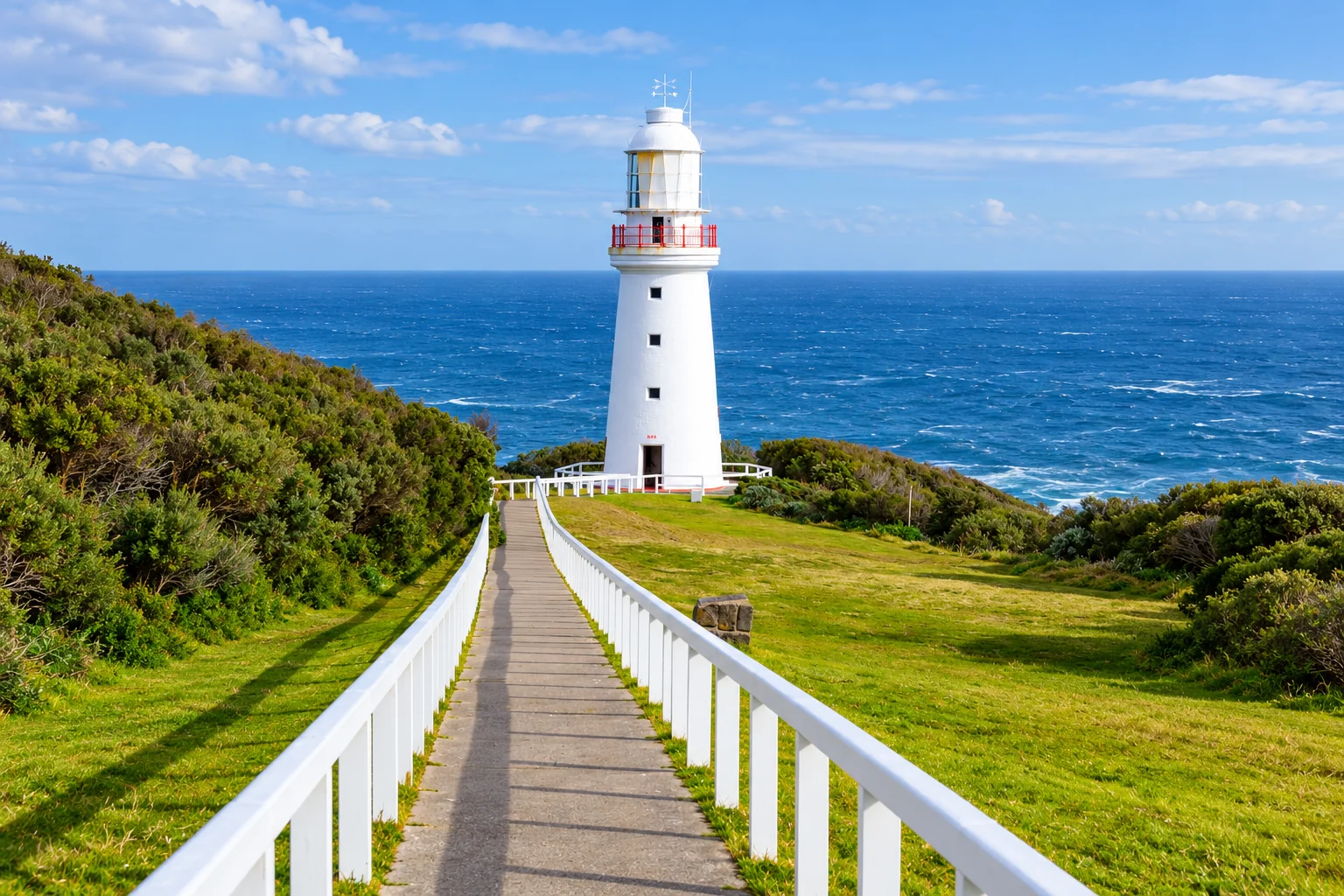
Add the night at Port Campbell if you want to see the Twelve Apostles at sunrise and sunset, walk down to Gibson Steps and Loch Ard Gorge without watching the clock, or travel in peak season when you want to avoid late-afternoon driving.
If you have a fifth or sixth day, follow the operator’s pattern of two nights in each of Lorne, Apollo Bay and Port Campbell. Time in each base town buys beach and walking time instead of more kilometres.
Distances between stops
The leg distances below come from the operator itinerary, and the total drive on that plan is 8 hours.
| Leg | Distance | Drive time |
|---|---|---|
| Melbourne to Torquay | 104.5 km | 90 min |
| Torquay to Lorne | 46 km | 50 min |
| Lorne to Apollo Bay | 47.3 km | 60 min |
| Apollo Bay to Lavers Hill | 51.4 km | 50 min |
| Lavers Hill to 12 Apostles | 40 km | 45 min |
| 12 Apostles to Port Campbell | 11.2 km | 10 min |
| Port Campbell to Colac | 77.6 km | 60 min |
| Colac to Melbourne | 152 km | 2 hours |
Torquay is the official start of the Great Ocean Road, and Visit Melbourne says it is just over an hour from Melbourne. The Lorne to Apollo Bay stretch takes longer than its distance suggests because of the bends and lookout stops.
Torquay and Bells Beach
Torquay is a family holiday town with safe swimming beaches and the Australian National Surfing Museum. Bells Beach, just beyond town, hosts the Rip Curl Pro, which the operator site says has run at Easter since 1961, with no free public access along the road to the beach during the event. Surf lessons with Go Ride a Wave and a kangaroo tour at Anglesea Golf Club are both on Visit Melbourne’s list of optional stops. If you start from Melbourne in the morning, Torquay is a natural coffee stop rather than a place to spend a night.
Lorne and the lookouts
Lorne suits lunch or a night, and Visit Melbourne suggests Totti’s Lorne for a meal. The coast between Lorne and Apollo Bay has frequent lookouts, and Visit Melbourne recommends stopping at them. Koalas, kangaroos and whales are all seen along the route, so watch for wildlife at pullovers and keep your speed down on the bends.
Apollo Bay and the Otways
Apollo Bay is the usual end of day one on a three-day trip and the best base for the Otway attractions described above. The Apollo Bay visitor information centre is at 100 Great Ocean Road, phone 1300 689 297 (check opening hours before you travel). Apollo Bay is also where you should fill the tank before heading west, as covered in the driving section.
Port Campbell and the Twelve Apostles
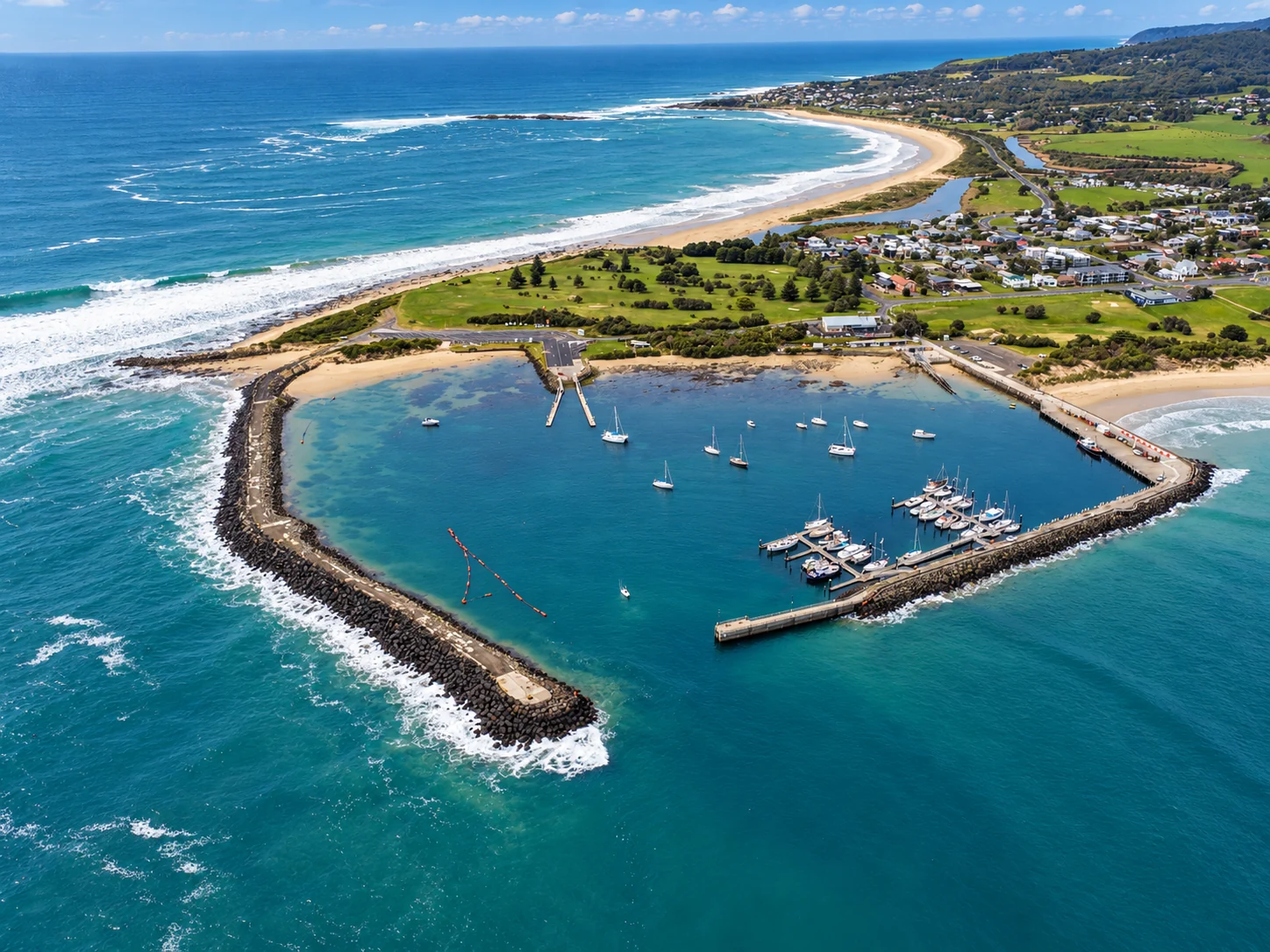
Port Campbell National Park is the core of the route. The main stops are Gibson Steps, Loch Ard Gorge, the Twelve Apostles and the Bay of Islands just beyond Port Campbell. From Apollo Bay to Port Campbell is about 95 km by the road, and the Twelve Apostles sit 11.2 km before the town on the Melbourne side.
On timing, sunrise is quietest at Gibson Steps and the Twelve Apostles, while sunset is busiest and tour buses arrive in late afternoon. Port Campbell has the Port Campbell visitor information centre at 26 Morris Street, phone 1300 137 255. The town is small, with a few hundred permanent residents and limited accommodation, so peak dates fill early.
Twelve Apostles booking and entry fee
Visiting the Twelve Apostles now involves a booking system. According to ABC News on 7 October 2026, a booking system has gone live, and the new $126 million visitor centre opened on 16 October 2026, with visitors needing to book ahead to enter it. Visiting remains free until April 2027, when the government will start charging an entry fee. Local residents and traditional owners will be exempt.
More than 2 million people visit the Twelve Apostles each year. The stated purpose is to manage peak-time overcrowding and to fund visitor infrastructure and environmental projects. Time Out reported in March 2026 that the price would be set after consultation with councils, traditional owners and businesses, and that members of the Eastern Maar Aboriginal Corporation would also be exempt. It names the Great Ocean Road Coast and Parks Authority as the body involved.
In practice, book the visitor centre before you travel, check the official booking platform for the fee schedule that applies on your dates, and build in time at the car park, which Parks Victoria’s guide notes is not patrolled after hours.
Warrnambool, Tower Hill and Port Fairy
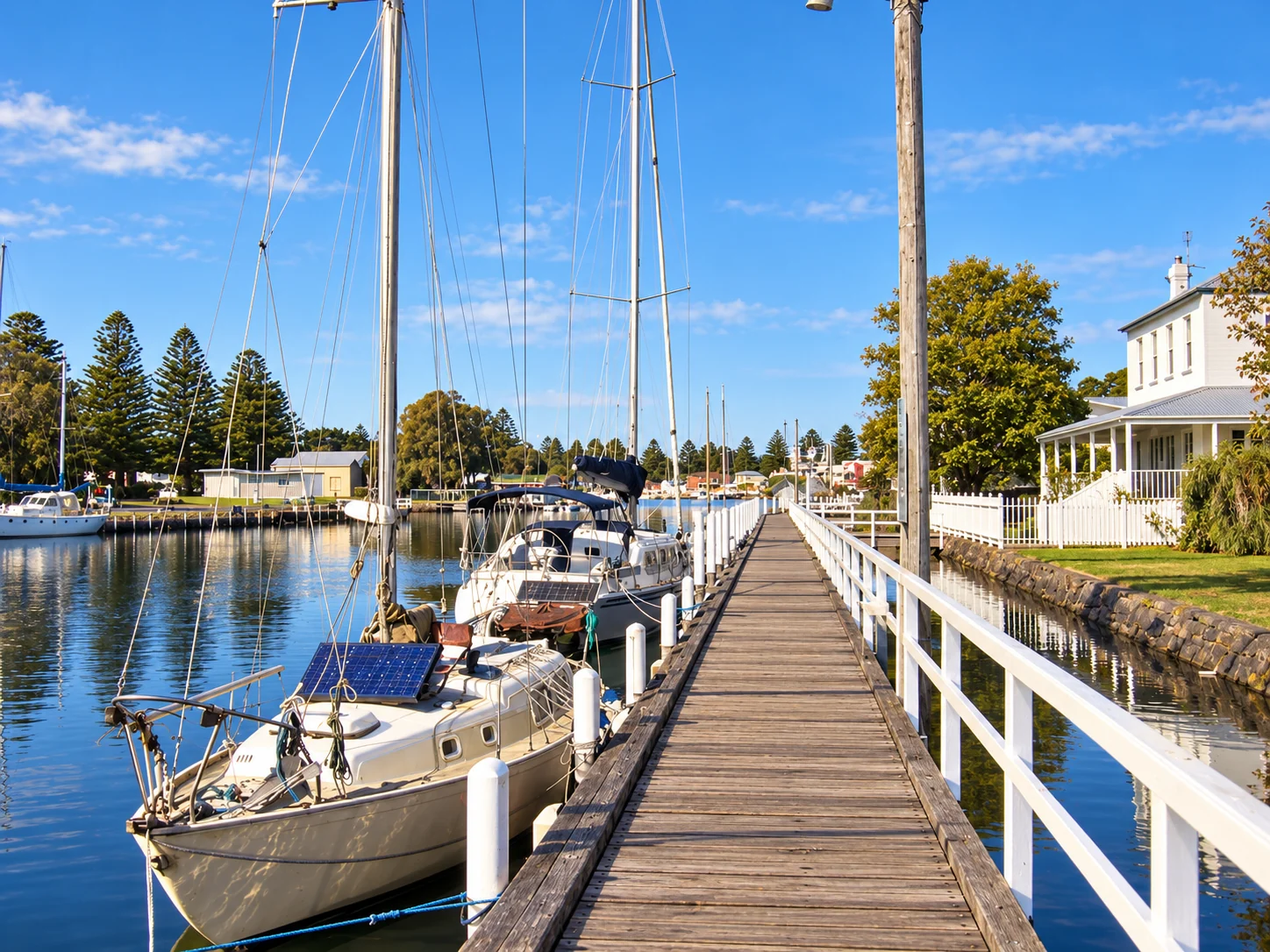
West of Port Campbell the landscape flattens and the pace eases. At Warrnambool, the Logans Beach viewing platforms are a winter stop, when southern right and blue whales are seen (Visit Melbourne). Tower Hill Wildlife Reserve is 15 minutes’ drive from the Warrnambool turn-off. Port Fairy is the endpoint of Visit Melbourne’s route, and a Lady Julia Percy Island seal cruise is an optional extra there.
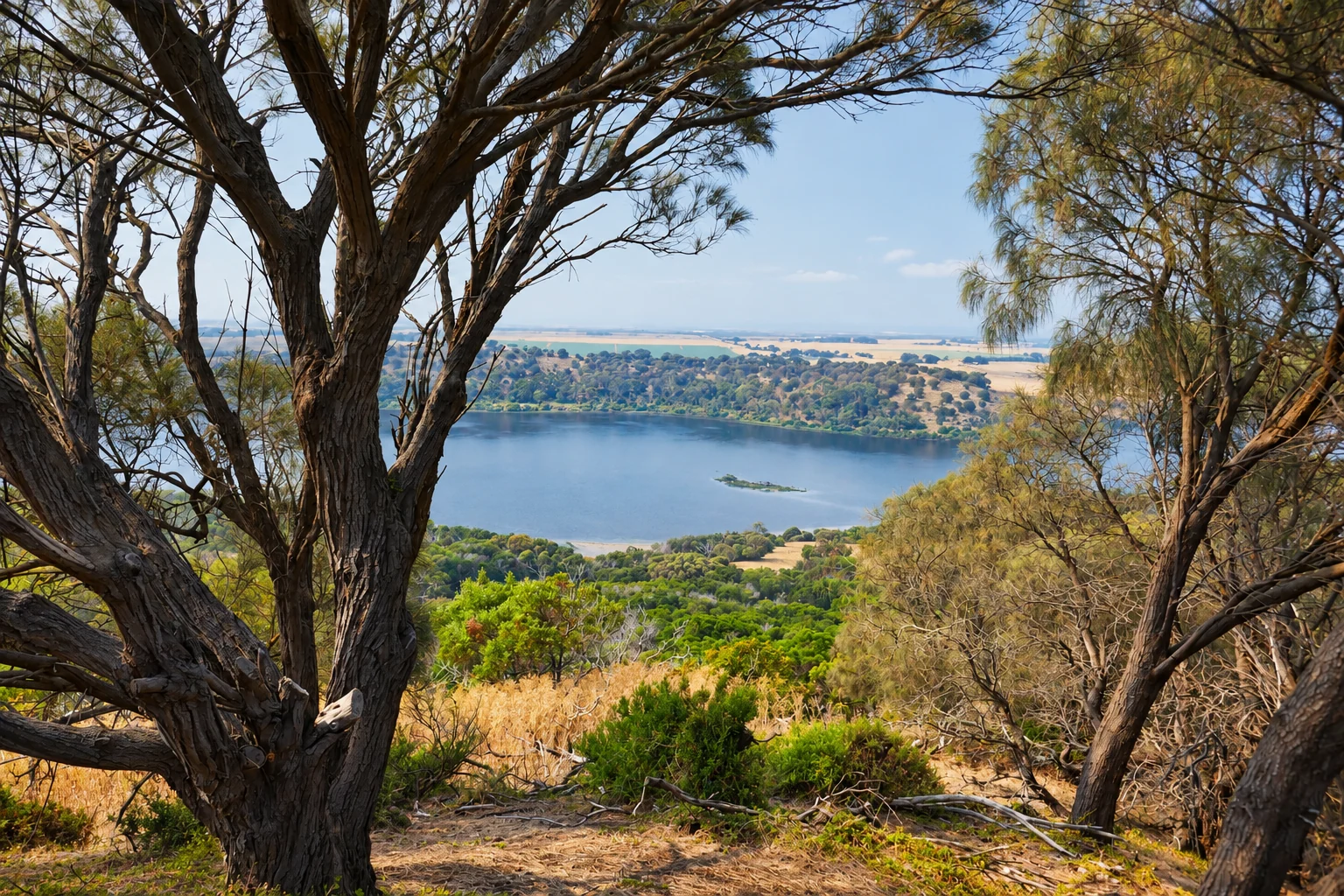
If you only want one of the two towns for a night, Port Fairy gives a more relaxed finish, while Warrnambool has more accommodation and the whale platforms.
Inland return to Melbourne
Visit Melbourne’s third day returns inland through Camperdown (about one hour from Warrnambool), then Mt Leura and Mt Sugarloaf, Colac, Otway Estate, Forrest Brewing Company, Birregurra (home of Brae) and Winchelsea before Melbourne. Colac is about 140 km from Warrnambool on that route. Travel guides put the drive from Port Campbell to Melbourne by the inland road at about three hours, and the operator’s legs give Port Campbell to Colac as 77.6 km and Colac to Melbourne as 152 km.
Road works and closures
Check VicTraffic on the day you drive. Transport Victoria’s landslip works page, updated October 2026, lists the current position:
- Landslip works on the Great Ocean Road between Kennett River and Grey River were completed in August 2026.
- Works on the Colac–Lavers Hill Road were completed in September 2026.
- Construction on the Cobden–Port Campbell Road and Timboon–Port Campbell Road is expected to finish in late 2026.
- The Timboon–Port Campbell Road has been closed since 16 September 2026 near the Cobden–Port Campbell Road intersection. The closure was extended to late October because of extra retaining-wall work, with a detour via New Cooriemungle Road and Cobden–Port Campbell Road.
Standard site hours are Monday to Friday, 7am to 6pm, with possible weekend work. Expect single-lane closures under traffic management, reduced speed limits, temporary traffic lights and electronic message signs. The project contact number is 133 778.
The wider upgrade program is $255 million of Victorian Government funding, with $140 million for the Great Ocean Road and $115 million for inland routes between the coast and the Princes Highway. Emergency works after unforeseen events can bring reduced speed limits and lane closures at short notice.
Events also close sections of the road. The Great Ocean Road Running Festival closes sections including Lorne to Skenes Creek and Apollo Bay from 7am to 2:30pm on its Sunday, so check the festival dates before booking.
Fire season and fire bans
December to February is both peak holiday season and bushfire season. In January 2026, ABC News reported an Otways fire that was not contained before extreme weather on Tuesday 27 January. Residents of more than 1,100 properties around Gellibrand, Kawarren, Beech Forest, Forrest, Barongarook and parts of Great Otway National Park were asked to evacuate, and authorities warned the fire could affect beach towns as far east as Lorne, Aireys Inlet and Anglesea. A total fire ban applied to the whole of Victoria on 27 January. These events show how fast a summer plan can change.
The area has a history of destructive fires. A Christmas Day 2015 fire at Wye River destroyed 116 homes. On the hiking side, one operator reports that Parks Victoria closed the Great Ocean Walk for 24 hours on a Catastrophic Fire Danger day. If your travel dates fall on or near a bad fire weather forecast, have a flexible booking or an alternative plan, and check fire warnings and VicTraffic before leaving each morning.
When to go and where to stay
Peak period runs from December to February, and travel guides advise booking accommodation early, with one guide recommending January stays be booked months ahead, not weeks. Lorne, Apollo Bay and Port Campbell fill first. The Lorne Foreshore Caravan Parks fill quickly over summer, and Apollo Bay has limited options that sell out. Shoulder-season prices do not carry over to December.
Indicative prices from commercial guides, which vary by date:
- A peak-season motel was about AUD 200 a night, booked at least two months ahead.
- Port Campbell Parkview Motel and Apartments was AUD 120–150 a night, and Ocean House Lorne about AUD 350 a night.
- Powered camping starts from about AUD 35 a night in Torquay, Lorne, Apollo Bay, Port Campbell and Warrnambool, according to a self-drive guide updated in May 2026. Eco Beach Caravan Park is AUD 30–45 a night.
- The same guide budgets AUD 50–80 a day for camping travellers and AUD 200–400 a day for hotels and dining.
Fuel stops and driving tips
Fill up at Apollo Bay before the leg to Port Campbell. The self-drive guide suggests Colac or Apollo Bay, and another suggests Apollo Bay. A third guide names Torquay, Apollo Bay and Warrnambool as cheaper fuel stops and advises avoiding Lorne and Port Campbell. The coast road is slow on bends, so plan on the drive times in the table above, not highway speeds, and leave extra time on weekends and public holidays.
Tours and public buses
If you do not have a car, V/Line runs a Geelong–Apollo Bay bus via the Great Ocean Road on weekdays with limited services (check the V/Line timetable and fares before planning). Day tours from Melbourne start from about AUD 100 and run daily, covering Memorial Arch, Lorne, Apollo Bay and the Twelve Apostles, but they make for a long day and follow the tour schedule. Multi-day tours of two to three days give more time at each stop and usually include accommodation in Lorne or Apollo Bay.
Great Ocean Walk and camping
The Great Ocean Walk is about 110 km one way from Apollo Bay to the Twelve Apostles, planned over eight days. Parks Victoria’s guidance from April 2018 requires overnight bookings for hike-in campsites and national park campgrounds, which open up to 12 months ahead with full payment at booking. At that time, individual hike-in sites cost $32.30 per tent per night, and phone bookings carried a fee that online bookings did not. Check current prices and cancellation terms on the Parks Victoria booking site.
The walk has seven hike-in campgrounds with eight tent sites each, and campfires are not permitted at hike-in sites. Car-based campgrounds in Great Otway National Park include Blanket Bay, Parker Hill, Aire River and Johanna Beach. Bush camping is prohibited in Great Otway and Port Campbell National Parks.
For drivers, Johanna Beach has no facilities and Aire River has a toilet but no showers, with dump points at Apollo Bay and Port Campbell. Car parks in both parks are open at all times but unsecured, and the Gibson Steps car park is not recommended for overnight parking.