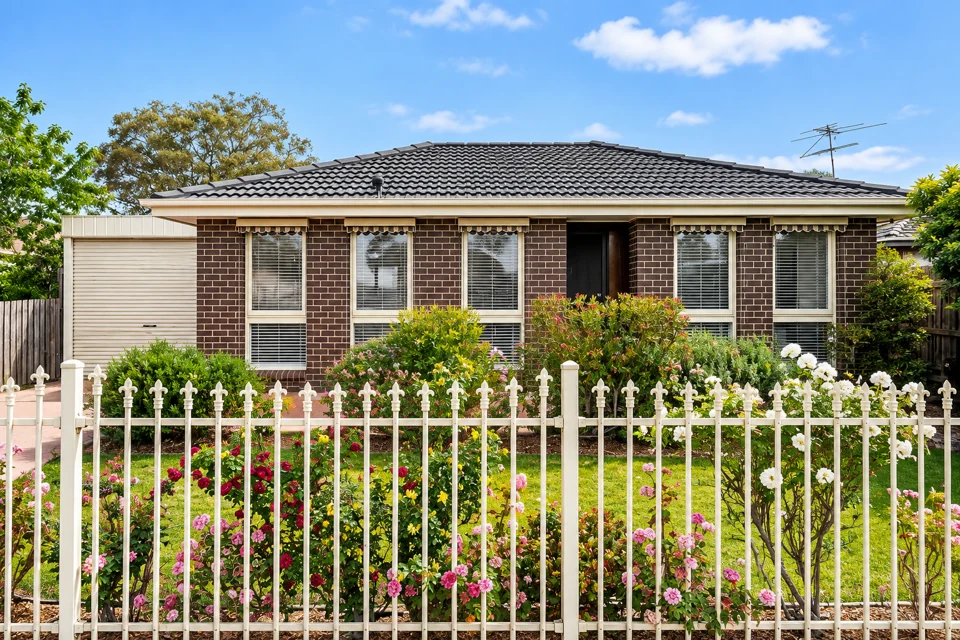
If you’re inspecting or renting a home in Victoria, check whether it meets the state’s 15 rental minimum standards for facilities, security and safety. A viewing can reveal visible problems, but it cannot confirm technical matters such as electrical safety.
Rental providers and agents must ensure the property meets the standards before advertising or offering it for rent, and the rental provider must do so again before you move in. Different rules apply to some older rental agreements, so check your agreement dates if you already rent.
What to check at a viewing
Use this table to guide a visual and functional check. It summarises the standards; some have detailed requirements or exceptions. Consumer Affairs Victoria’s full checklist and Schedule 4 of the Residential Tenancies Regulations 2021 set out the legal details.
| Standard | What to look for or ask |
|---|---|
| Bathroom | A washbasin, shower or bath, and hot and cold water. A showerhead generally needs a 3-star water-efficiency rating. A 1- or 2-star head is allowed where a 3-star head cannot be installed, such as because of the property’s age. |
| Electrical safety | Ask when the last electrical safety check took place and whether it found outstanding recommendations. A quick look at the switchboard cannot confirm compliance. |
| Heating | Check for a fixed, working heater in the main living area. For agreements entered into from 29 March 2023, an energy-efficient fixed heater is required, subject to specified rules and exceptions. |
| Kitchen | Check for a dedicated cooking and food-preparation area, a working sink with hot and cold water, and a working stovetop with at least two burners. Any oven provided must work. |
| Laundry | If the property has a laundry, check that it has a reasonable supply of hot and cold water. |
| Lighting | Rooms, corridors and hallways need access to working light, including natural light during the day and artificial light at night. An approved heritage exemption may apply. |
| Locks | External entry doors need a working deadlock or appropriate key-operated lock. The door must be openable from inside without a key. Specified exceptions apply. |
| Mould and damp | Look for visible mould, damp patches, water stains or recurring moisture. The minimum standard concerns mould or damp caused by, or related to, the building structure; a mark alone does not prove its cause. |
| Structural soundness | Look for obvious damage or water entry. The property must be structurally sound and weatherproof. |
| Toilet | Check that it works and connects to an approved sewerage or wastewater system. |
| Ventilation | Check that rooms, including the bathroom, toilet and laundry, have adequate ventilation. There is no simple viewing measurement for adequacy. |
| Bins | Check that rubbish and recycling bins are supplied and appear suitable for council collection. |
| Windows | Openable external windows need working latches that secure them against entry from outside. |
| Window coverings | Rooms used for living or sleeping need curtains or blinds that open and close, block light and provide privacy. |
| Window-covering cord anchors | Since 1 December 2025, corded internal window coverings need an anchor to secure the cords and prevent loops. Check for a fitted anchor. |
The window-anchor requirement and the current 15-category checklist are included in Consumer Affairs Victoria’s checklist, updated 31 March 2026. New energy-efficiency standards are scheduled to take effect on 1 March 2027; they are separate from the current fixed-heater requirements.
A viewing will not establish every part of compliance. In particular, leave electrical and gas safety assessments to qualified professionals. A worn finish or cosmetic mark is worth recording, but does not necessarily mean the property fails a minimum standard.
What to photograph
Take a wide photo to show where an issue is and a close-up to show the detail. For example, photograph the whole bedroom window, then the damaged latch or unanchored blind cord. For a damp patch, capture both the mark and the surrounding wall.
Record the date and exact location, such as “main bedroom, window beside wardrobe”. Describe what you can see rather than diagnosing the cause. If you test something during the viewing, note the result in writing: for example, “the kitchen tap did not produce hot water when checked”. A photo alone cannot show whether a heater, tap or appliance works.
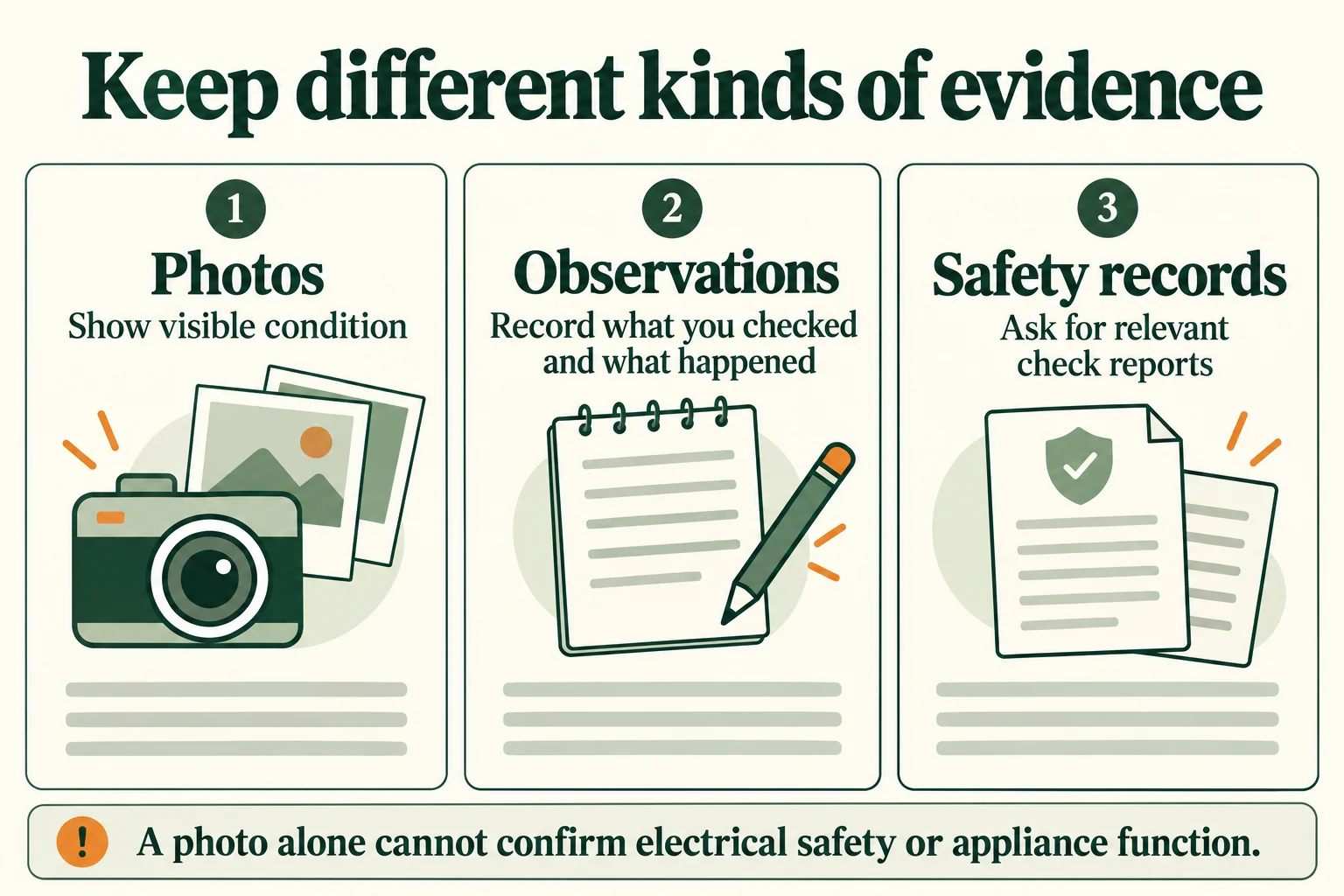
Keep the original files and send copies to the agent. After you move in, record existing damage or faults in the condition report and attach dated, labelled photos. Keep a copy of the report and return it within five business days.
What to ask the agent
Send a brief written message. Name the property and inspection date, then describe where the issue is and what action you want. For example:
I inspected [address] on [date]. In [room and location], I observed [specific issue]. I have attached dated photos. Could you confirm whether this will be checked or repaired before I move in, and when I can expect an update?
For electrical safety, ask for the date of the latest check and whether it identified outstanding recommendations. Consumer Affairs Victoria says the rental provider must disclose that information before an agreement is made, and renters can request a copy of the most recent electrical check in writing. For gas safety, ask the same questions; a copy of the latest gas-check record must be provided within seven days of a written request.
If the heater is unclear, ask whether the fixed heater in the main living area works and what type it is. Where the agreement began on or after 29 March 2023, ask how it meets the applicable energy-efficiency requirement if that is not clear. For mould, damp or a leak, ask whether it has been investigated and what repair is planned. A photo can document the evidence without establishing the cause.
If a standard is not met
Before signing, ask the rental provider to fix the problem before you commit or move in. If you have signed but have not moved in, Consumer Affairs Victoria says you can end the agreement immediately without fees by notifying the provider that the property does not meet minimum standards, or move in and request an urgent repair. Ending an agreement is a significant step; seek tenancy advice if you are unsure how the rule applies to your circumstances.
During a tenancy, a failure to meet a minimum standard counts as an urgent repair, so contact the agent or rental provider straight away and confirm the request in writing. Save copies of messages and note any calls you attempt. You must continue paying rent while waiting for repairs.
If the provider does not respond, Consumer Affairs Victoria says you can apply to the Victorian Civil and Administrative Tribunal (VCAT) for an order. In certain circumstances, after notifying the provider and receiving no prompt response, a renter can arrange and pay for an urgent repair costing $2,500 or less and seek reimbursement. Check the requirements before arranging work or paying a contractor. You can also report an advertised property that appears not to meet the standards to Consumer Affairs Victoria.