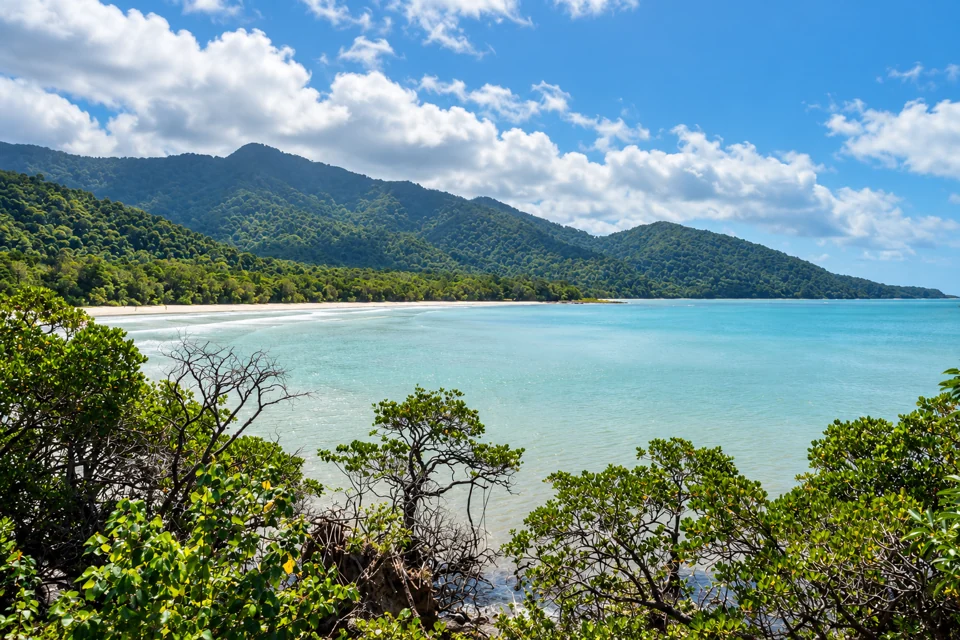
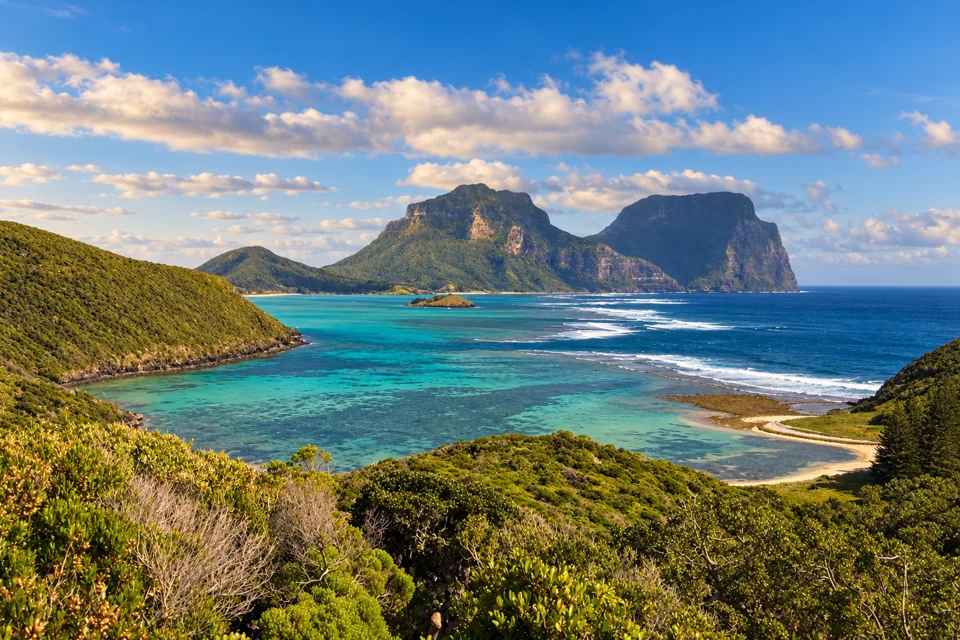
If you are planning a Darwin stay or a Top End road trip, Darwin is the practical base for city attractions, wetlands and national parks. The Northern Territory capital sits on the Timor Sea, with the waterfront, beaches, markets and cultural attractions close to the centre, while wildlife areas and parks require day trips or longer drives. Tourism Australia’s Darwin and surrounds overview outlines the wider region.
For a city stay, start in the centre and at Darwin Waterfront, then head north-west towards Mindil Beach and Fannie Bay. Parap, a nearby suburb, is known for its Saturday market and food stalls. Museums, gardens, waterfront dining and sunset views are close to these areas.
Darwin stands on Larrakia Country. Follow directions from Larrakia custodians, Traditional Owners, tour operators and site managers, especially at places with access rules, photography restrictions or cultural significance.
Wetlands and wildlife areas suit day trips from Darwin. Adelaide River crocodile cruises can be combined with other Arnhem Highway stops. Litchfield National Park is about 120 km south-west of Darwin and takes roughly 1.5 hours to reach by road. Visiting several swimming holes, waterfalls and walking tracks makes it a full day.
Allow more time for Kakadu National Park and Nitmiluk National Park. Jabiru, in Kakadu, is about 250 km and three hours from Darwin, while Nitmiluk Gorge near Katherine is about 320 km and four hours away. Both parks suit an overnight stay rather than a rushed return drive.
When to visit Darwin
Darwin has two broad tropical seasons. The dry season, generally from May to October, has lower rainfall and humidity, which makes outdoor plans easier. The wet season, generally from November to April, brings high humidity, heavy rain and thunderstorms. January to March are the wettest months in the Bureau of Meteorology’s Darwin Airport climate averages, while temperatures stay warm throughout the year.
The dry season offers more reliable conditions for markets, harbour cruises and day trips to nearby parks. The wet season brings lush landscapes and stronger waterfall flows, but rain can close roads and walking tracks and restrict access to swimming areas. Choose the season that suits your plans, then check conditions shortly before departure.
Before travelling beyond Darwin, use the NT Road Report and NT park conditions and closures for road conditions, closures and access restrictions. Read the Bureau of Meteorology forecast and warnings before departure. At natural swimming sites, swim only where authorities permit swimming at the time, and follow signs and local advice.
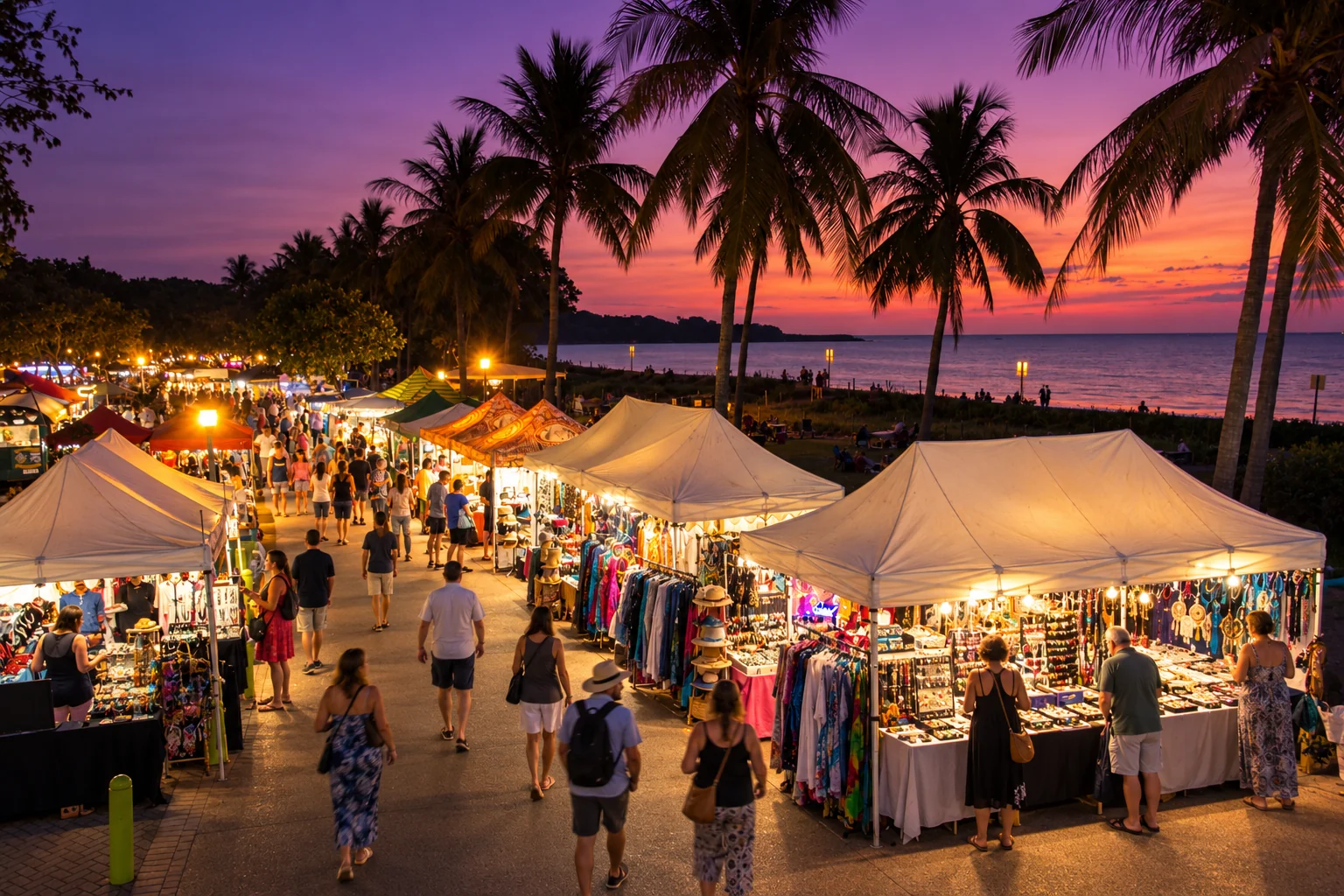
The Mindil Beach Sunset Markets combine food stalls with sunset views during their operating season. Dates vary, so confirm your visit through the market’s current programme. Take drinking water and protect yourself from the sun with a hat, sun-protective clothing and sunscreen. Check park, venue and market listings for food, toilets and accessibility information, as facilities vary between locations.
What to see in the city
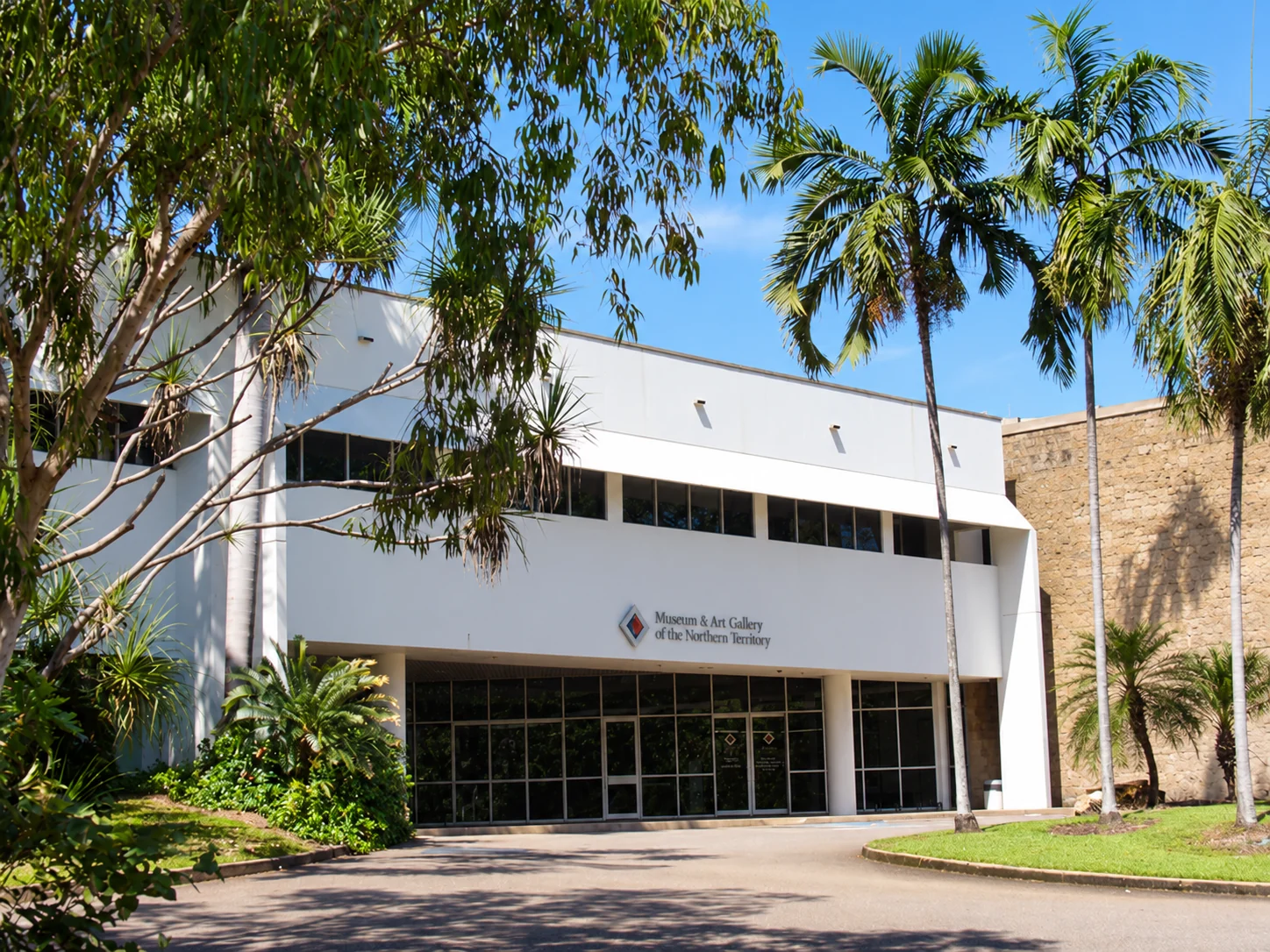
For Top End art, natural history and Cyclone Tracy, visit the Museum and Art Gallery of the Northern Territory. Its permanent collection includes Aboriginal and Torres Strait Islander art, and the Cyclone Tracy gallery records the 1974 cyclone that devastated Darwin. Check the museum’s website for current exhibitions, opening hours and visitor information.
Markets offer food and an easy way to spend part of the day. Parap Market and Rapid Creek Market offer breakfast, fresh produce and takeaway food; check their current listings for opening days and times. The Mindil Beach Sunset Markets are an evening option when they operate, with food stalls and sunset views over Fannie Bay.
For swimming, use Darwin Waterfront’s managed facilities rather than open-water beaches. The Wave Lagoon and Recreation Lagoon have designated swimming areas and family facilities, with the waterfront publishing access conditions, operating hours and closures. For a quieter break, the nearby George Brown Darwin Botanic Gardens has shaded paths and tropical plantings.

Choose other attractions by interest. The Darwin Military Museum and World War II Oil Storage Tunnels cover Darwin’s wartime history, including the 1942 air raids. Crocosaurus Cove has crocodile displays and close-up encounters in the city centre. The Royal Flying Doctor Service visitor attraction explores the service’s role in remote Australia. Confirm opening hours, accessibility arrangements and admission prices with each operator before visiting.

Getting around Darwin
Darwin International Airport’s transport information lists taxis and ride-hailing among current terminal options. It also includes private transfers. Coaches and public buses are listed too. The public bus stop is on Henry Wrigley Drive beside the Mercure Darwin Airport Resort, about 600 metres from the terminal. Before relying on a bus, consult current NT bus routes, fares and timetables, especially if you have heavy luggage.
Walking, local buses, taxis and ride-hailing suit many visits focused on Darwin’s CBD, Waterfront Precinct and nearby attractions. Check your operator’s pickup point and availability, which vary by location and time.
Hire a car for independent trips beyond Darwin, where attractions are spread across long distances and public transport is limited. Guided tours suit visitors who want to reach regional destinations without driving.
Plan regional outings separately from city sightseeing. Long driving distances, heat and limited services mean you need to allow enough time and carry fuel and drinking water. Check road conditions and park access before leaving Darwin, particularly during the wet season.