
For families considering a move to Darwin, climate, housing, work and travel shape daily life and household costs.
Moving to Darwin as a family
Living in Darwin involves balancing a tropical regional-city lifestyle with heat, housing costs and distance from other Australian capitals. Darwin and nearby Palmerston are separate cities, with different housing choices, services and travel patterns. A home’s location affects trips to work, school, childcare, medical appointments and regular activities.
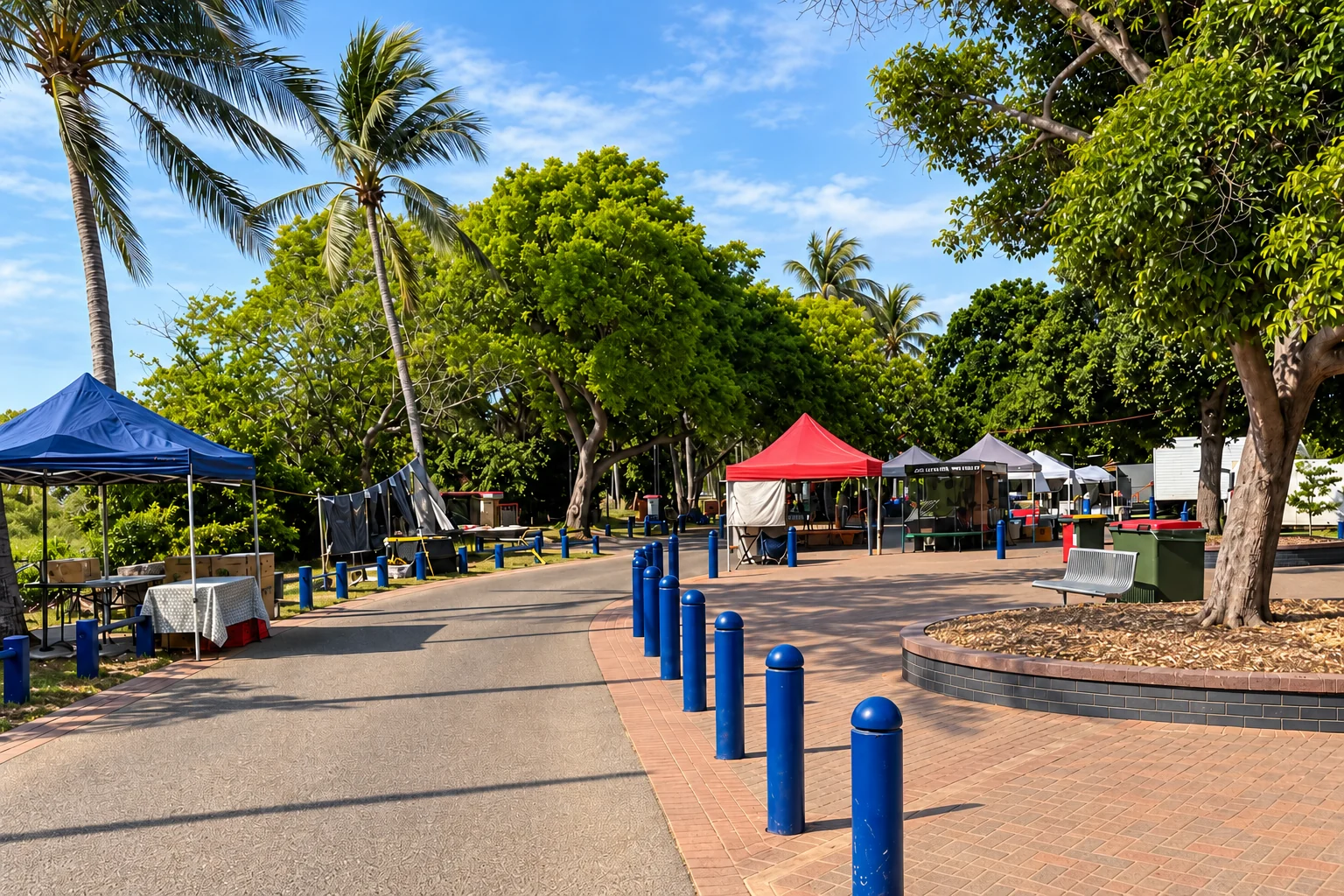
Darwin’s dry season supports foreshore walks, parks and markets. City of Darwin maintains parks and reserves across its municipality, while the Darwin Waterfront has public swimming areas, dining and open space. The build-up and wet season bring high temperatures, humidity and heavy rain. Outdoor activities shift to cooler parts of the day, and storms can disrupt travel.
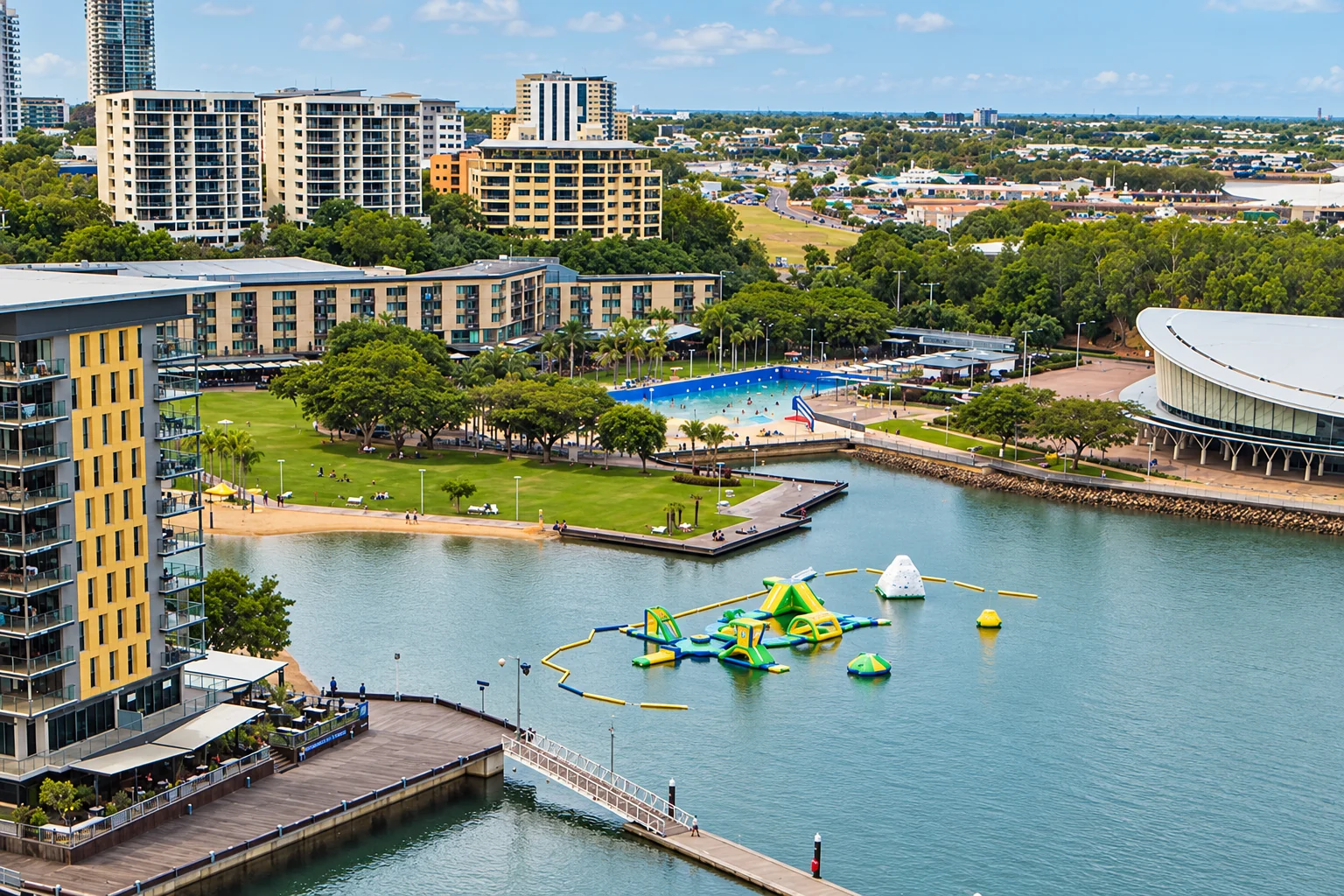
Work prospects depend on a person’s skills, experience and vacancies at the time of the move. The ABS Census profile for Greater Darwin shows employment across public administration and safety, health care, construction and education. Government and defence support a significant share of local employment. The figures describe where residents work and do not establish whether a suitable role is available.
When choosing an address, assess how it will support your household’s daily life. Check NT school-zone and enrolment information, then speak with the relevant school about eligibility and enrolment. Contact long day care, family day care and preschool providers about vacancies, waitlists, opening hours and fees. Before signing a lease or buying, map travel times to work, a GP, specialist services and regular activities.
Darwin suits families who enjoy getting outside together and can plan around hot weather. Evening outings, markets and seasonal events provide regular options away from home. Families who prefer mild weather year-round, travel interstate often or rely on established social networks should weigh those trade-offs before moving.
Darwin climate
Darwin has a humid wet season from roughly November to April and a drier season from about May to October. Temperatures stay high throughout the year. The dry season feels more comfortable because humidity and rainfall fall, not because temperatures become cold. Long-term Bureau of Meteorology climate averages for Darwin Airport show a sharp change in rainfall through the year. January has an average maximum temperature of 31.8°C and average rainfall of 432.1 mm. In July, the average maximum is still 30.7°C, but average rainfall falls to 1.0 mm. Darwin receives about 1,732 mm of rain in a typical year, mostly between November and April.
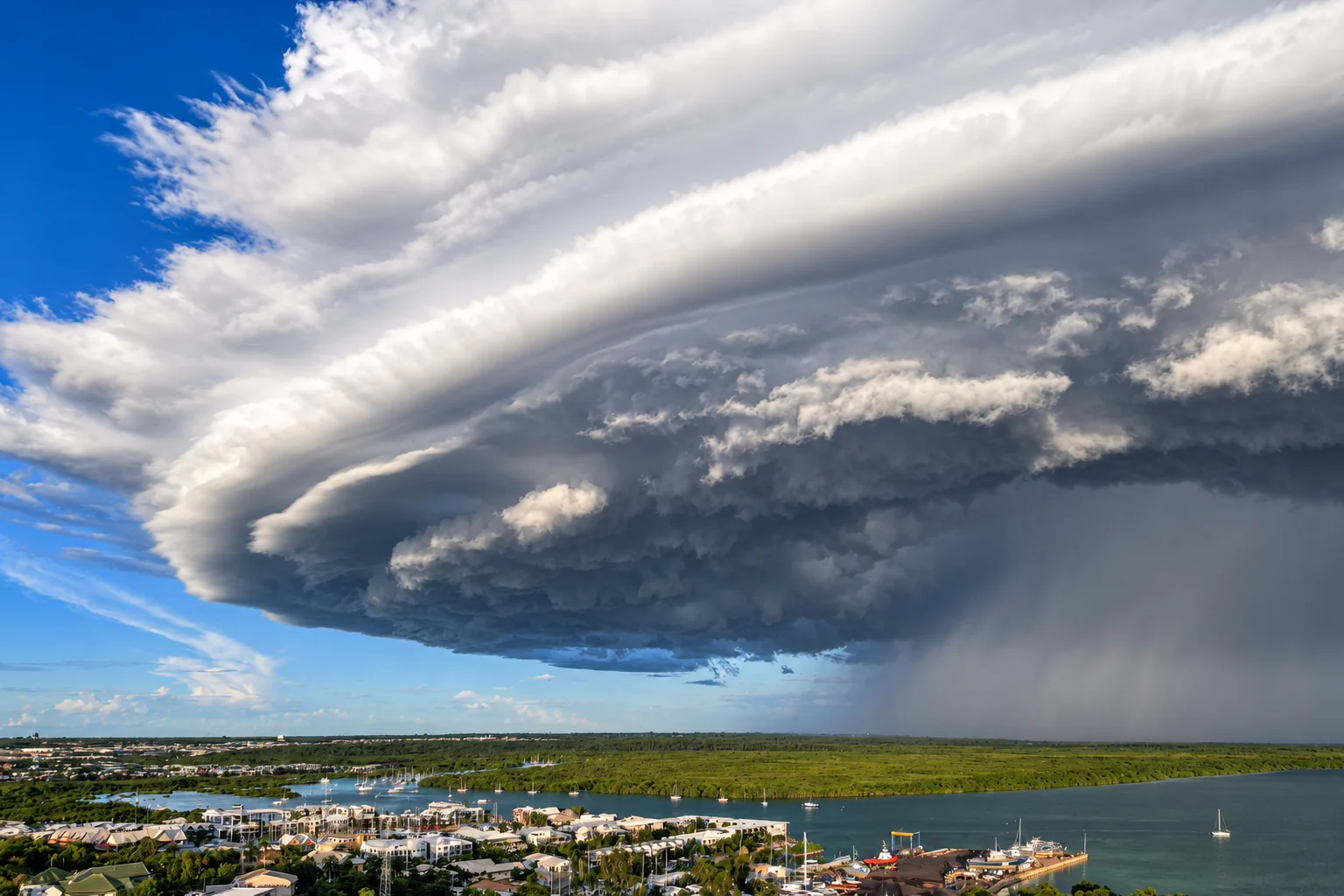
Heat and humidity shape daily routines. Families often plan exercise, playground visits and errands for early morning or late afternoon, with indoor options for heavy rain. Air-conditioning directly affects comfort at home, and humid weather slows outdoor laundry drying. When inspecting a property, ask who maintains the air-conditioning and check its condition and capacity. Find out how electricity is billed, then include power costs with rent or mortgage repayments, transport, insurance and other regular expenses. Compare those costs with confirmed household income before moving, rather than assuming local work will cover them.
See the Bureau of Meteorology’s Darwin forecasts and NT warnings for current weather and alerts. Consult the NT Road Report before driving beyond Darwin or in wet weather. Seasonal averages do not show whether a warning is active or a road is open.
Preparing for the wet season
Before signing a lease or buying, inspect the roof, gutters and property drainage. Test the air-conditioning and ask how previous occupants stored or secured outdoor furniture, tools and other items during severe weather. These checks identify maintenance needs and practical responsibilities, but they do not predict whether a property will flood or be damaged.
Keep important documents and essential supplies easy to reach, and plan indoor alternatives for activities that rain may disrupt. Know how to receive emergency alerts and prepare for cyclone conditions. Follow current advice from SecureNT, especially when severe weather approaches, because warnings and road access can change quickly.
Housing costs and choices
The NT economy housing data reports REINT’s June quarter 2026 Greater Darwin median weekly rent at $799 for houses and $601 for units. Median sale prices were $715,000 for houses and $450,000 for units. Greater Darwin combines Darwin and Palmerston, so these figures do not describe either city alone. The source reports Darwin zones separately, but its headline medians cover both cities.
A median is the middle recorded result, with half of results higher and half lower; it describes the overall market rather than the rent or sale price of a particular property. Include electricity, transport and internet when setting a rental budget. Buyers should also allow for council rates, insurance, repairs and maintenance.
Renting suits households that need flexibility while they learn the area or move for work. Buying gives owners more control over their home and outdoor space, but they are responsible for repairs, maintenance and insurance. Houses generally provide more internal space and a yard, with more outdoor upkeep. Units reduce yard work, though strata levies and body corporate rules may apply.
For either type of home, inspect the air-conditioning and ask about electricity bills. Test trips to work, school, childcare and regular appointments. Buyers should obtain an insurance quote for the specific property before making an offer. The ACCC’s Northern Australia insurance inquiry has identified insurance affordability and availability concerns across the region.
Darwin suburbs and Palmerston
Nightcliff is one option for households seeking coastal access and a mix of housing.
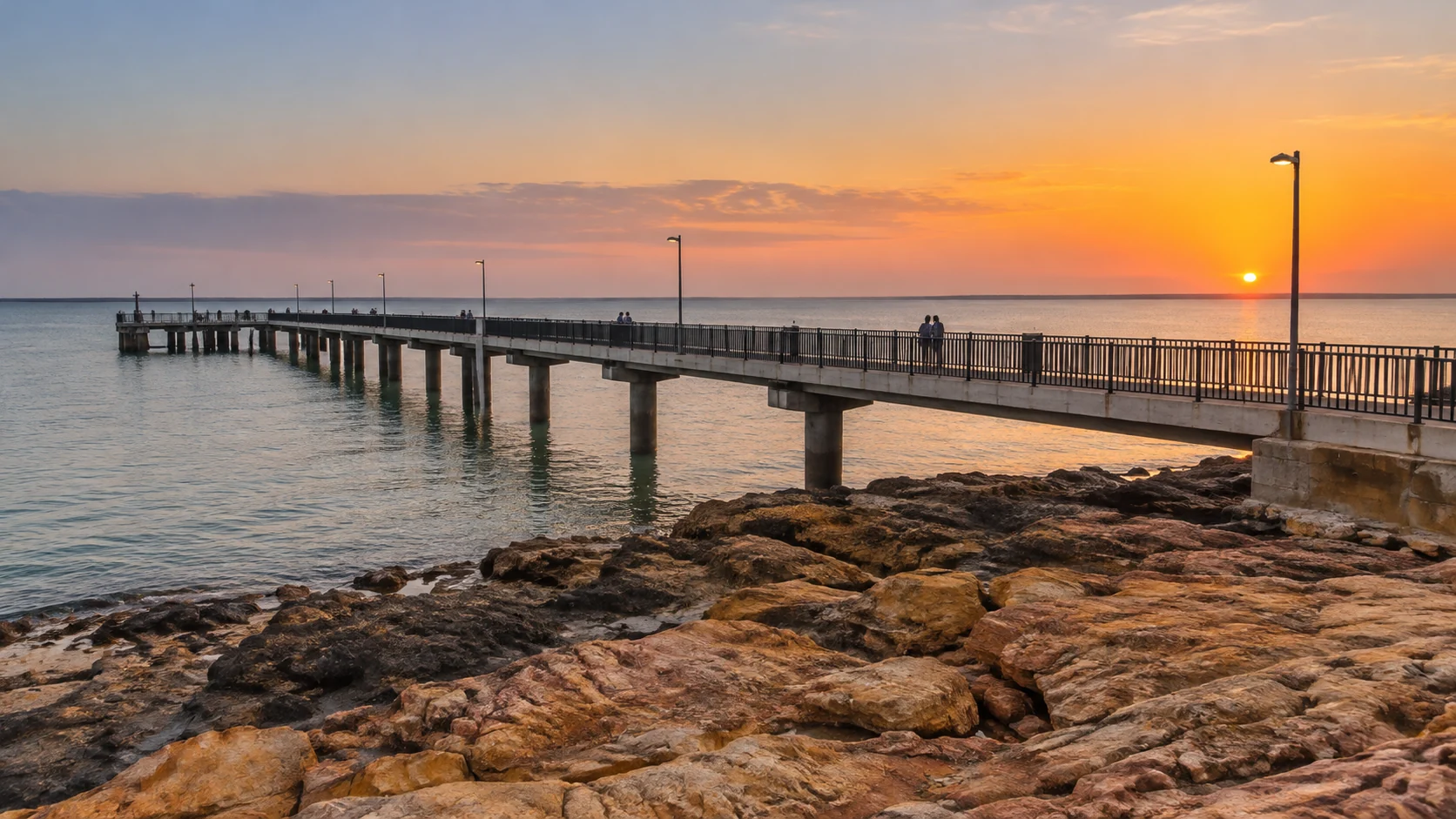
Darwin’s inner and coastal suburbs, northern suburbs and other areas differ in dwelling types, nearby services and travel distances. Palmerston is a separate city south-east of Darwin. Compare the actual trip to regular destinations rather than treating it as a Darwin suburb. Check public transport routes, school catchments, childcare vacancies and service opening hours with the relevant providers.

Consider nearby shops, pharmacies, GPs and outdoor places such as foreshore paths and markets. Map routes for routine appointments and urgent care, then confirm suitable services with NT Health. Check a property’s drainage and insurance cover before committing, particularly if wet-season rain would affect access or outdoor areas.
Daily travel in Darwin
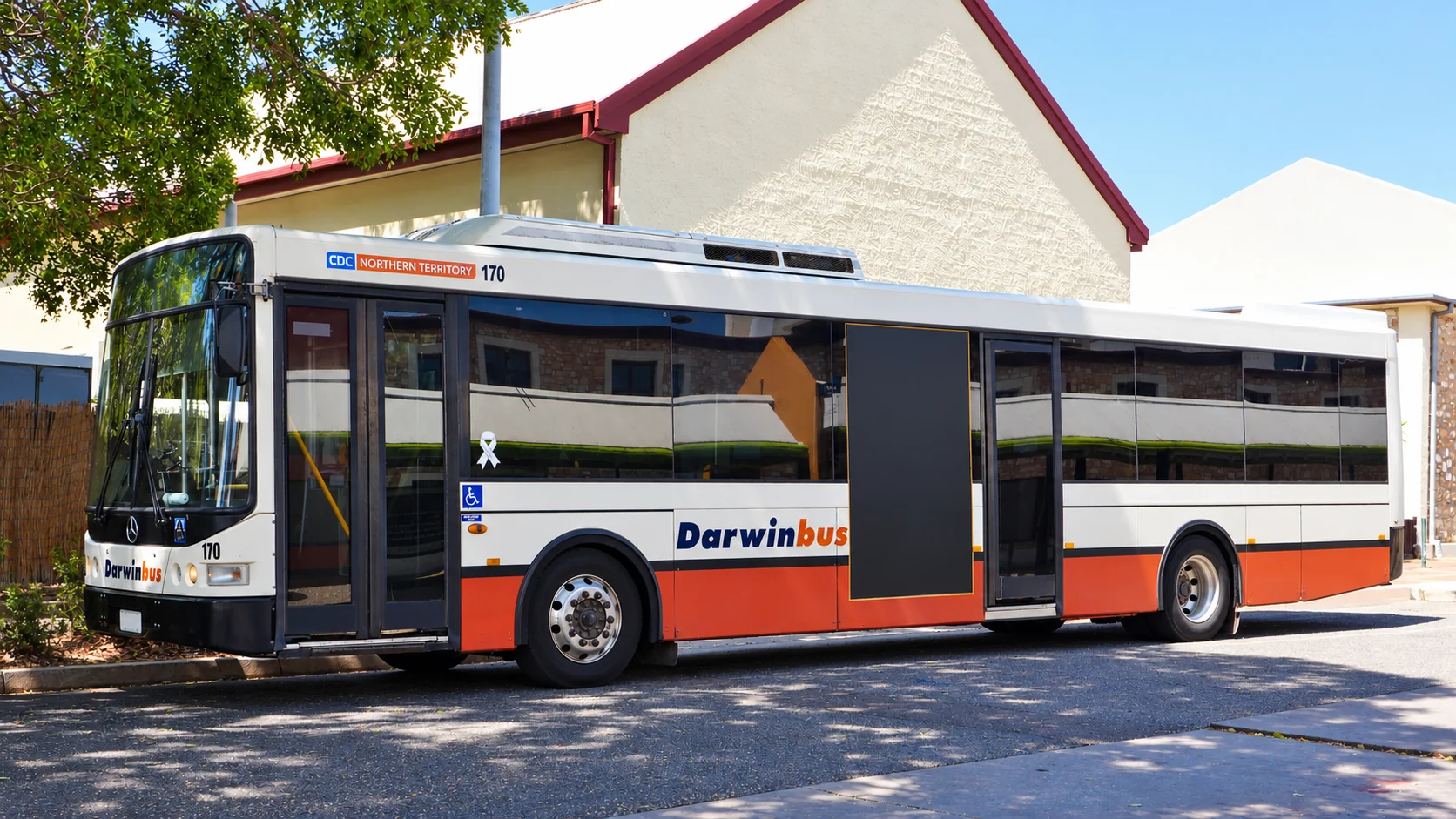
For many households, a car makes it easier to combine work, school drop-offs, shopping and appointments. In the 2021 Greater Darwin Census profile, 67.8% of employed residents travelled to work as car drivers, 2.3% by bus and 1.7% by bicycle. Test your own regular journeys before choosing an address.
Buses suit some commutes and errands, but their value depends on the route, timetable and travel time. Check NT public bus information for routes, fares and timetables. Compare trips at the times you need them. Check school drop-off and pick-up, work starts and finishes, and journeys for shopping or medical appointments. Walking and cycling suit nearby destinations, although heat and wet-season rain limit what is practical. Arrange a wet-weather alternative, such as a taxi, rideshare or lift, for essential trips.
When comparing housing costs, include what buying a car or making loan repayments adds to the budget, along with fuel, servicing, registration, insurance and parking. A home with lower rent or mortgage repayments can still strain the household budget if daily life requires one or more cars.
Choose a home only after checking how work, school schedules and transport costs fit together throughout the year. Families relying on buses, walking or cycling should test every regular journey.
Schools and healthcare
Before signing a lease or buying, check the current NT school priority enrolment maps for the address, school and year level. A priority enrolment area gives a child priority for a school; it does not guarantee a place in every circumstance. Darwin and Palmerston have separate maps, so contact the school to confirm how the current rules apply to your child.
Contact childcare providers directly about vacancies, fees and operating hours. Availability and costs depend on the provider. For healthcare, check whether nearby GPs accept new patients and how your family would travel to Royal Darwin Hospital or Palmerston Regional Hospital. Workforce announcements do not show appointment access or waiting times.

Dry-season life outdoors
Darwin’s dry season runs from May to October, with a calendar of outdoor activities and events. TourismNT highlights Mindil Market, where food stalls and a beach sunset make an evening outing, alongside events such as the Darwin Festival and the Beer Can Regatta. It also lists family-oriented activities such as Wild Survival Night at Territory Wildlife Park.
Trips to other capitals
Darwin’s distance from other capitals matters most if you regularly visit relatives, travel interstate for work or depend on easy connections. Qantas lists direct-route flight offers for Darwin to Perth, Darwin to Brisbane and Darwin to Sydney. Qantas gives approximately 3 hours 50 minutes from Darwin to Perth, 3 hours 55 minutes from Darwin to Brisbane, and from 4 hours 10 minutes from Darwin to Sydney. These are journey-time estimates, not a guarantee for every service; check the selected date when planning.
For a family that travels often, the flight itself is only part of the calculation: airport time and onward connections add to the day. Less frequent travellers may find the distance easier to accommodate.