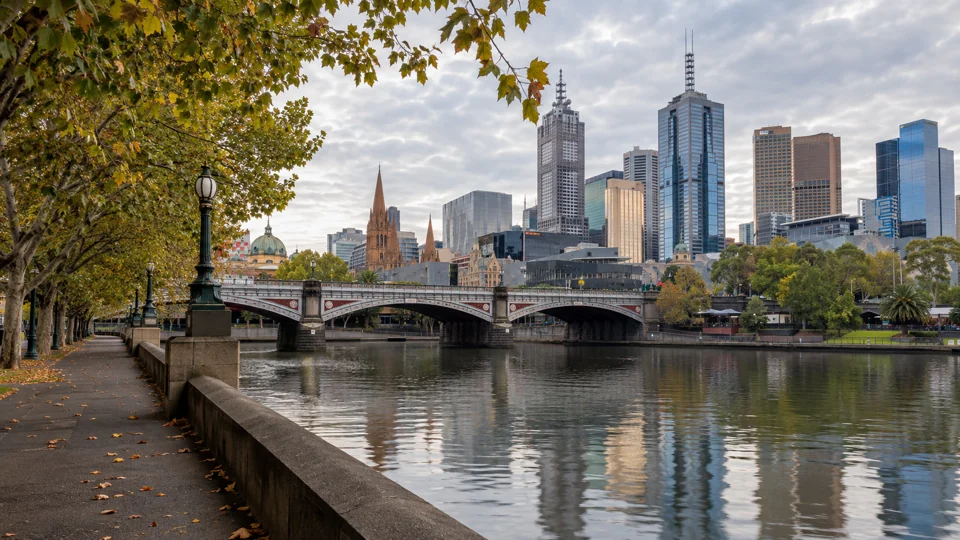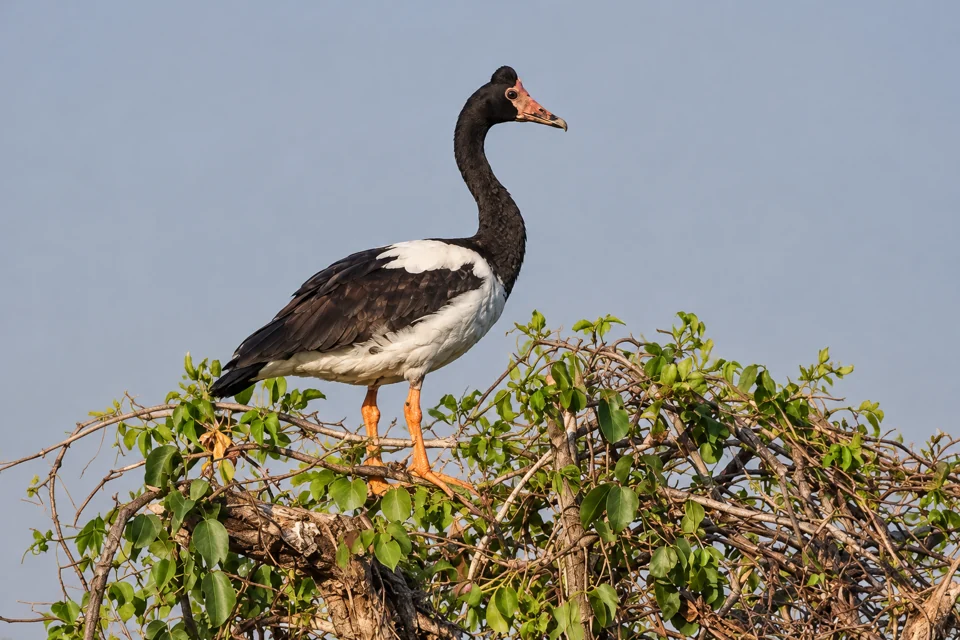
Visitors and new residents can narrow down where to find common birds in Western Australia by looking at habitat. Perth wetlands, south-west forests and Kimberley billabongs support different birds, so no single list covers the whole state.
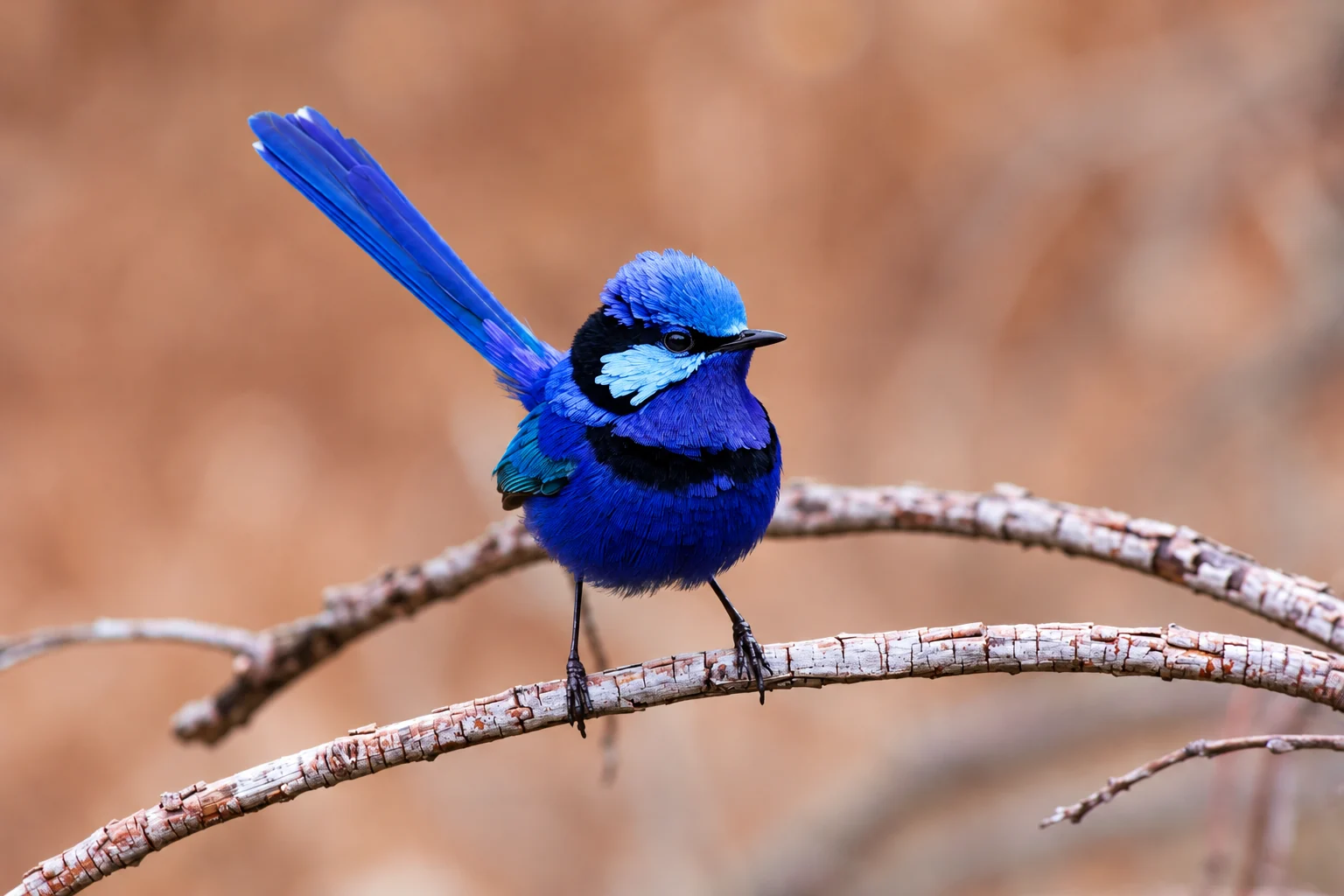
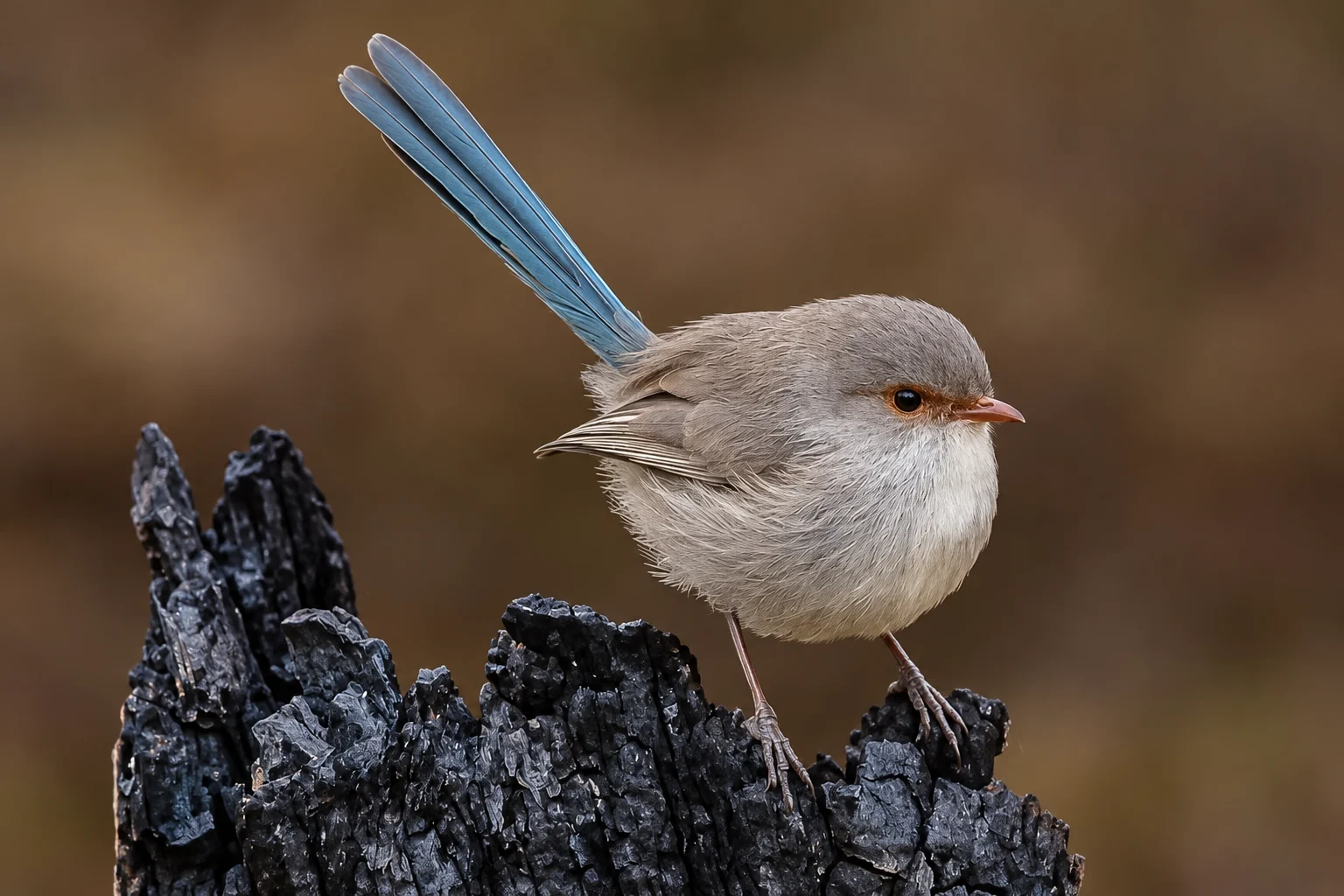
Use a bird’s shape, markings and behaviour together to identify it. Male Splendid Fairy-wrens are bright blue, while females and non-breeding males are much duller. Habitat and feeding behaviour can help confirm an identification.
Perth wetlands and gardens
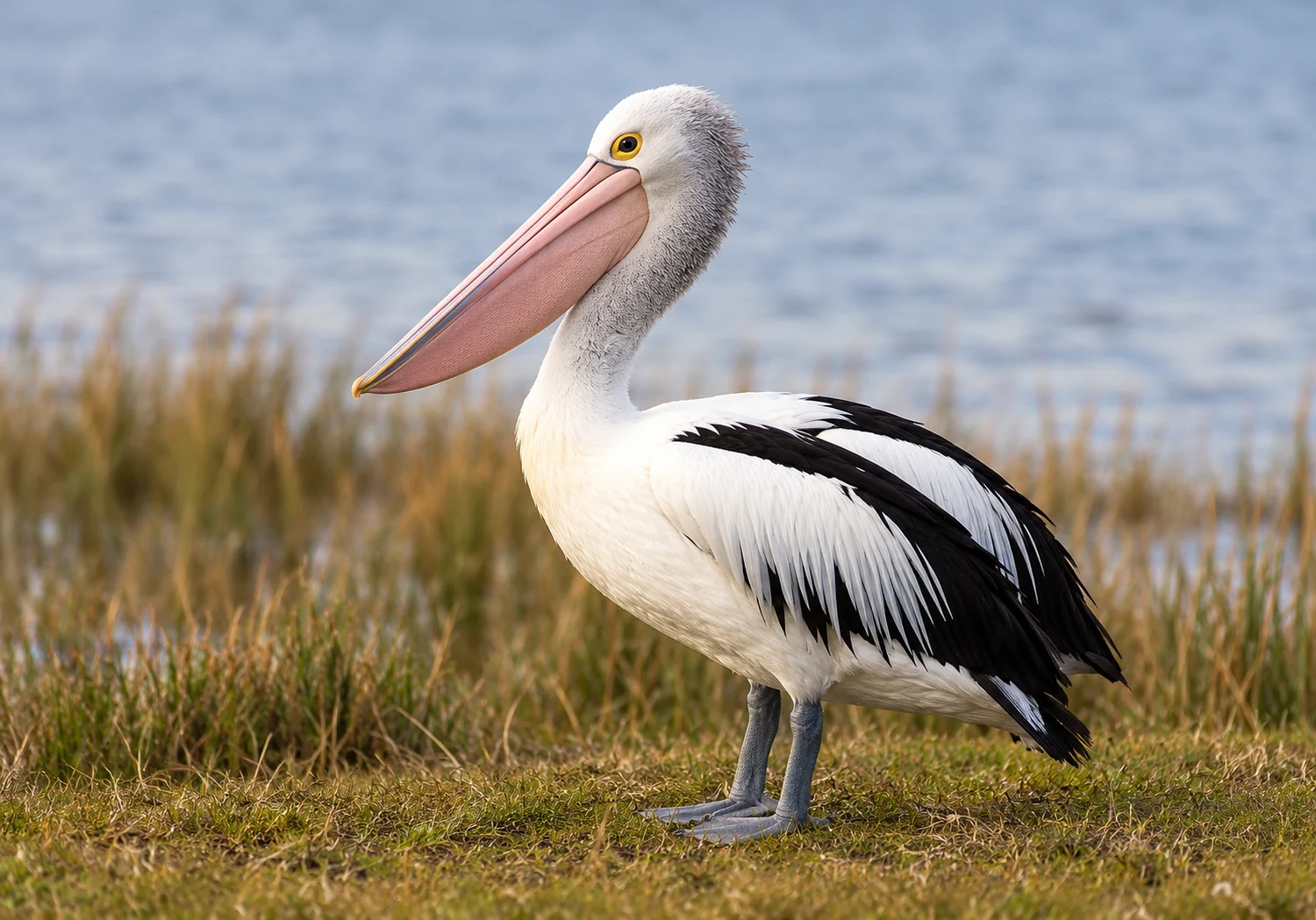
The Swan Estuary supports a range of waterbirds. The Department of Biodiversity, Conservation and Attractions (DBCA) highlights Pelican Point and Alfred Cove for black swans, pelicans, migratory waders and other birdlife. At Herdsman Lake, bird hides and walking paths offer views across wetland habitat. DBCA also identifies the lakes of Beeliar Regional Park as important for birds.
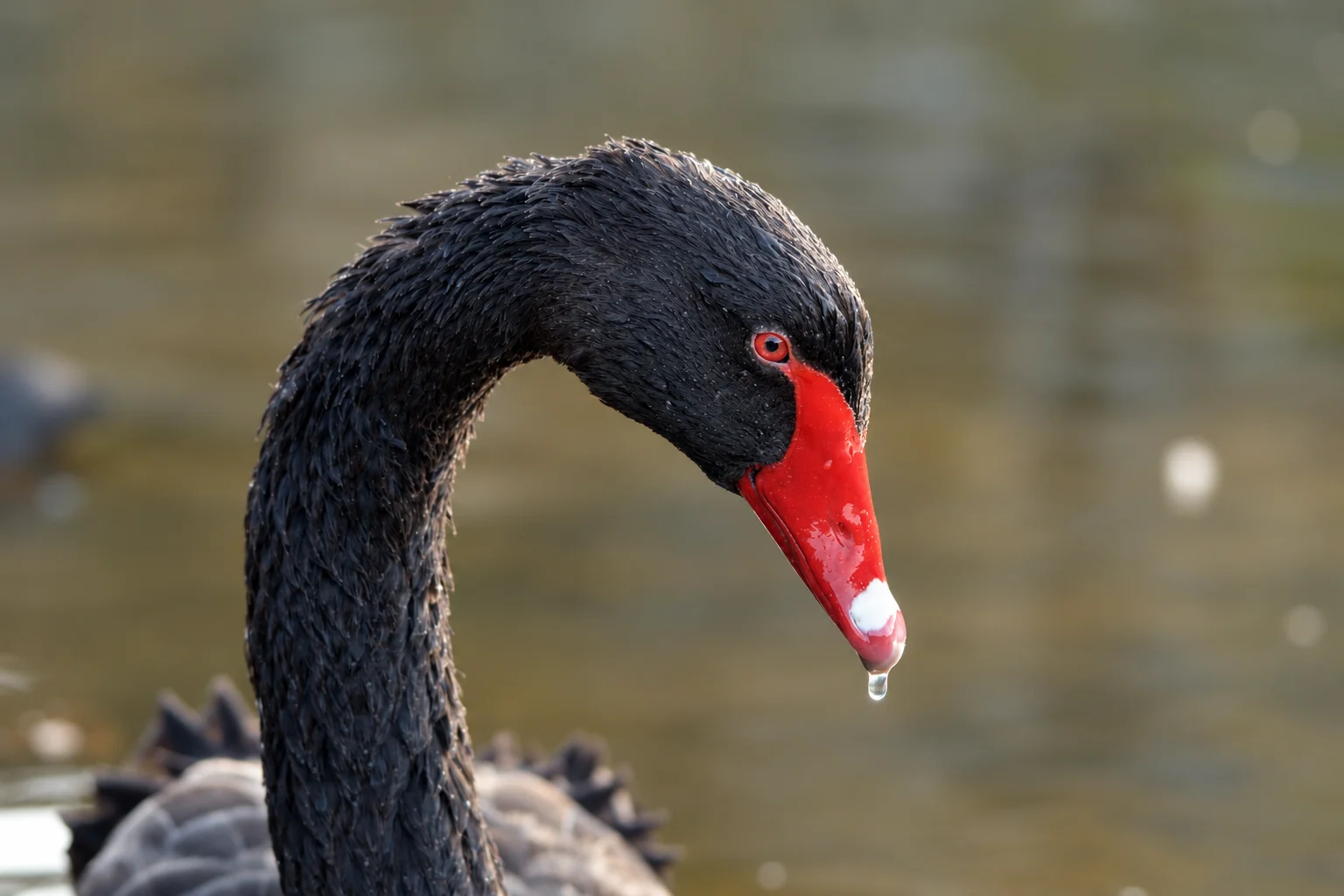
The Black Swan is identifiable by its dark plumage, white wing tips and red bill with a white band near the tip. It uses fresh and salt water, and is Western Australia’s state bird emblem.
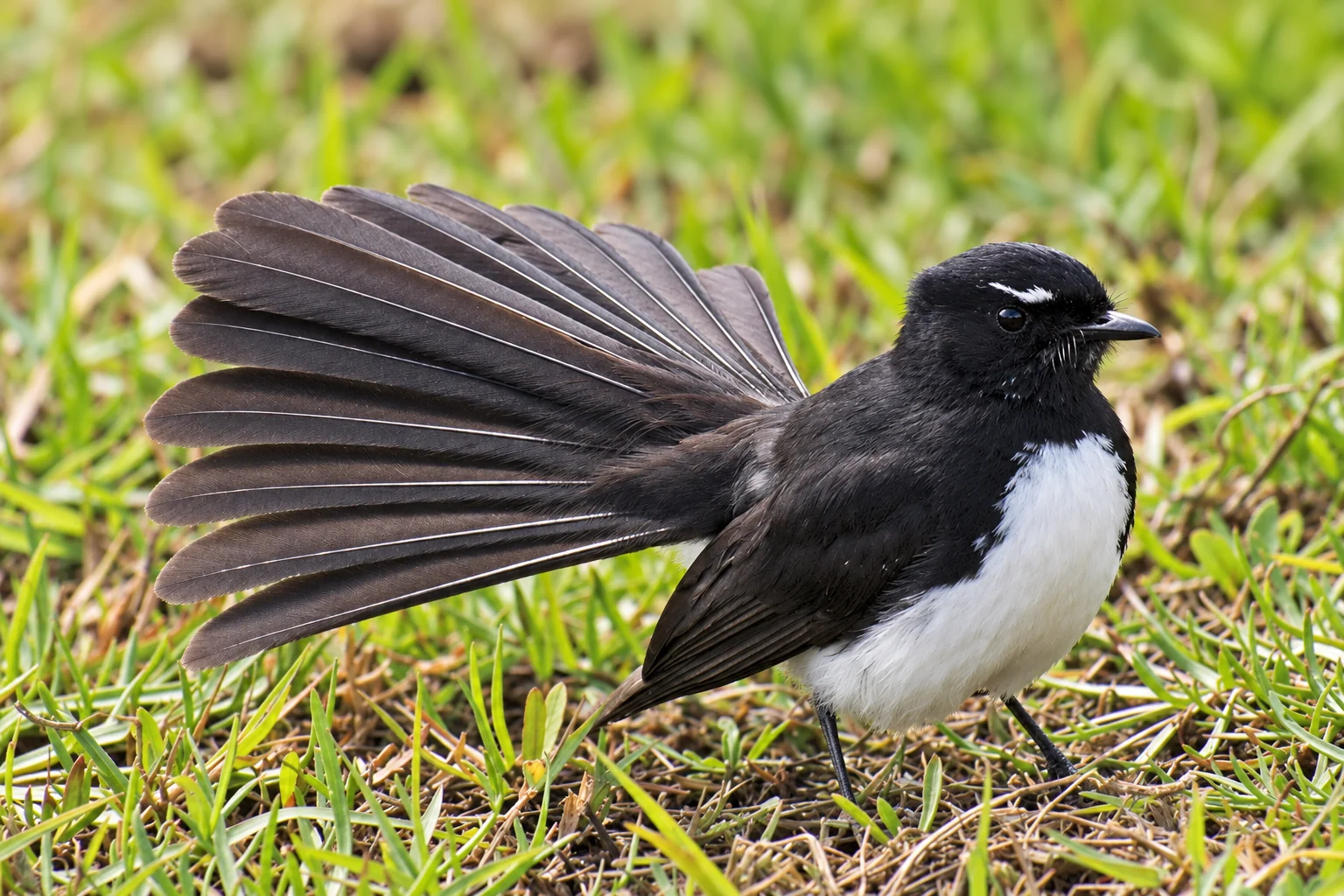
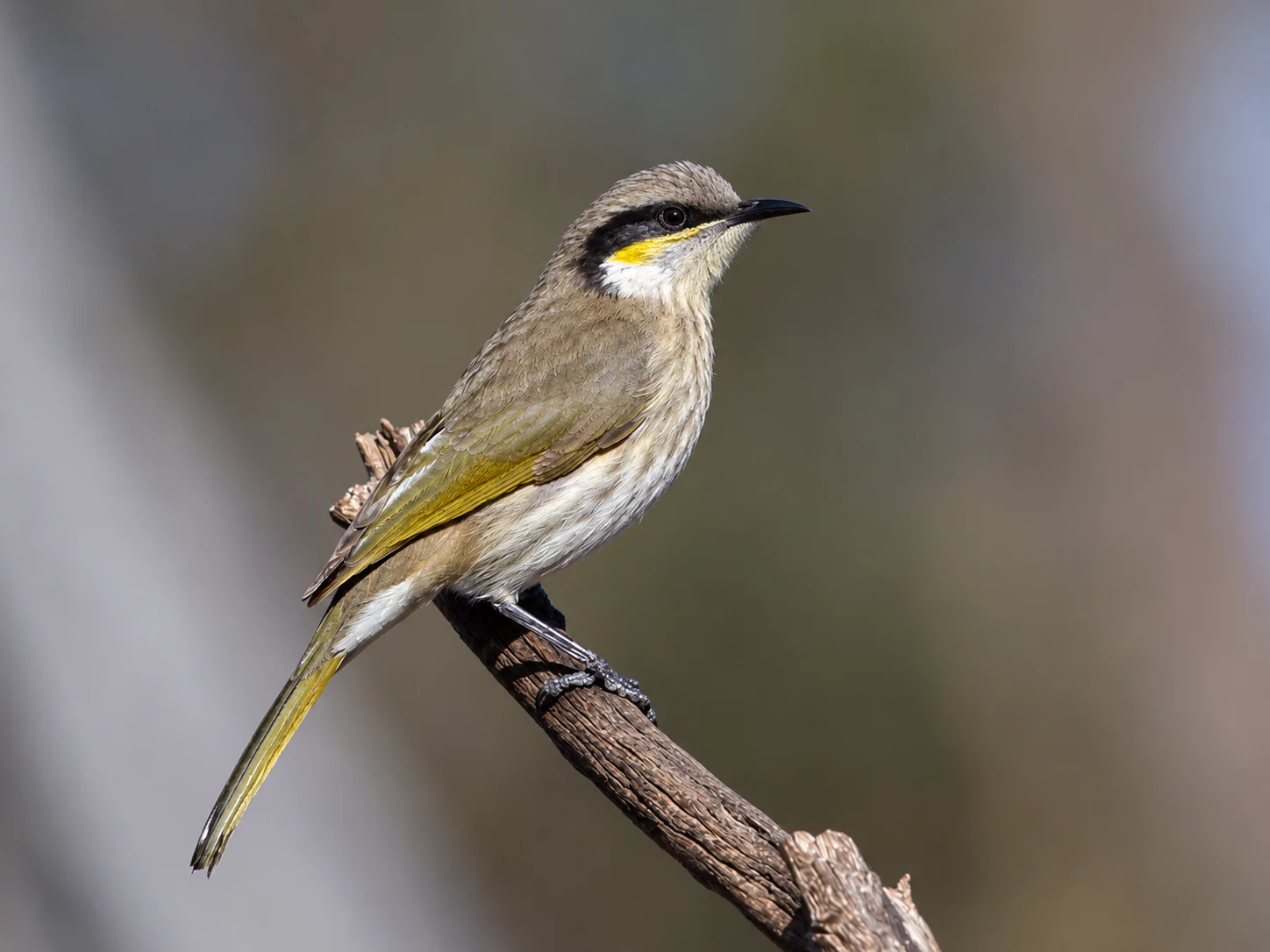
In suburban gardens, look for a Willie Wagtail working across open ground. Its black-and-white plumage and long, fanned tail, which it frequently wags, help distinguish it from smaller garden birds. The Singing Honeyeater has a brownish body and a dark stripe edged with yellow through the eye. It visits flowers such as banksias and grevilleas.
South-west forests
In the forests and woodlands between Perth, Augusta and Albany, watch the lower branches and scrub as well as the canopy. DBCA’s south-west forest guide describes birds that feed at different heights and use different hunting tactics.
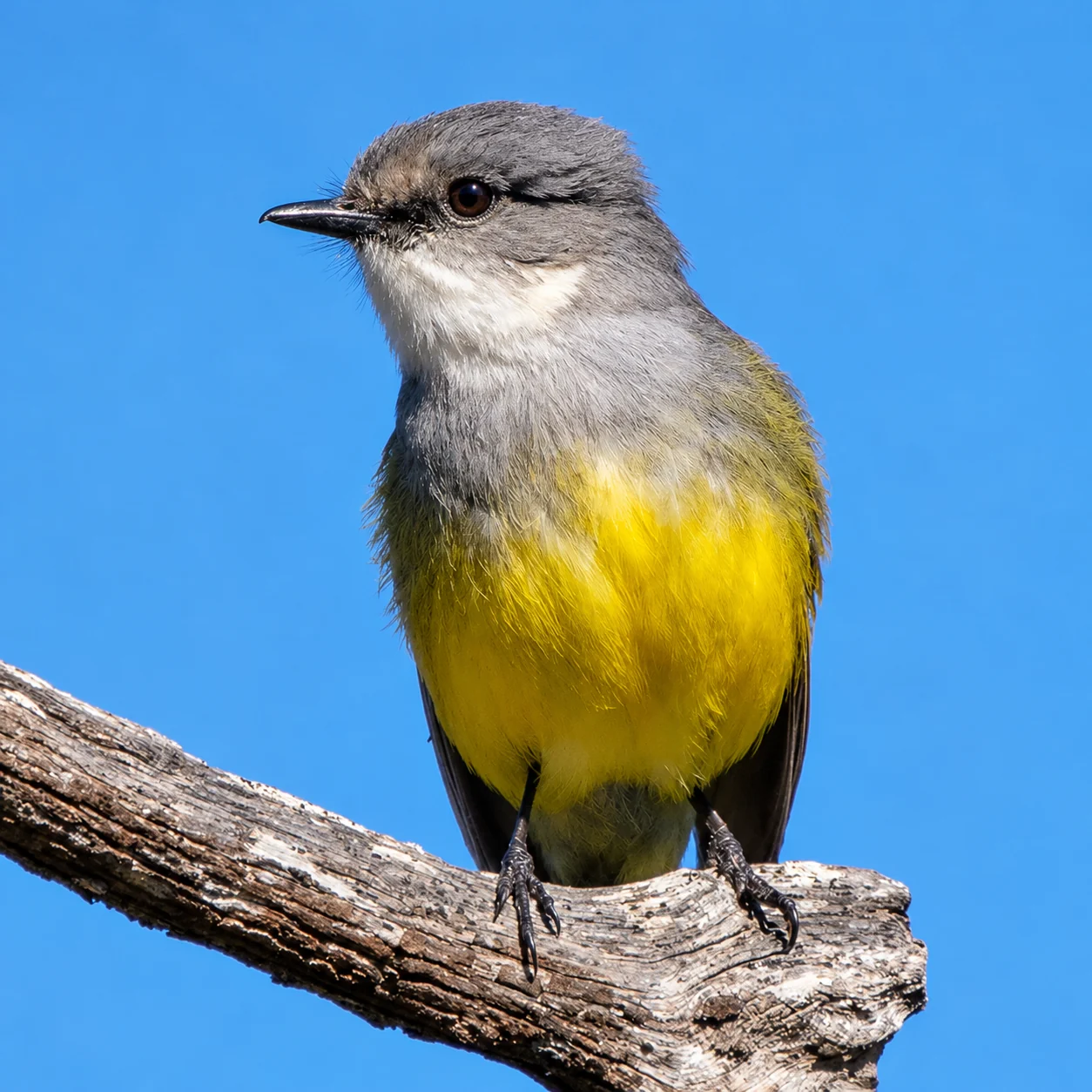
The Western Yellow Robin, a small silvery-grey bird with a white throat and bright-yellow rump, often waits on a low branch or trunk before darting to the ground for prey. It lives in eucalypt forest, open woodland and mallee, particularly where scrub provides cover. DBCA describes it as reasonably common in the south-west while also noting that clearing has reduced its range and numbers.
A Splendid Fairy-wren may be vivid blue if it is a breeding male, but females and non-breeding males have much duller plumage. Look for the species in jarrah forest, woodland, mulga and mallee; a brownish bird in these habitats may still be a fairy-wren.
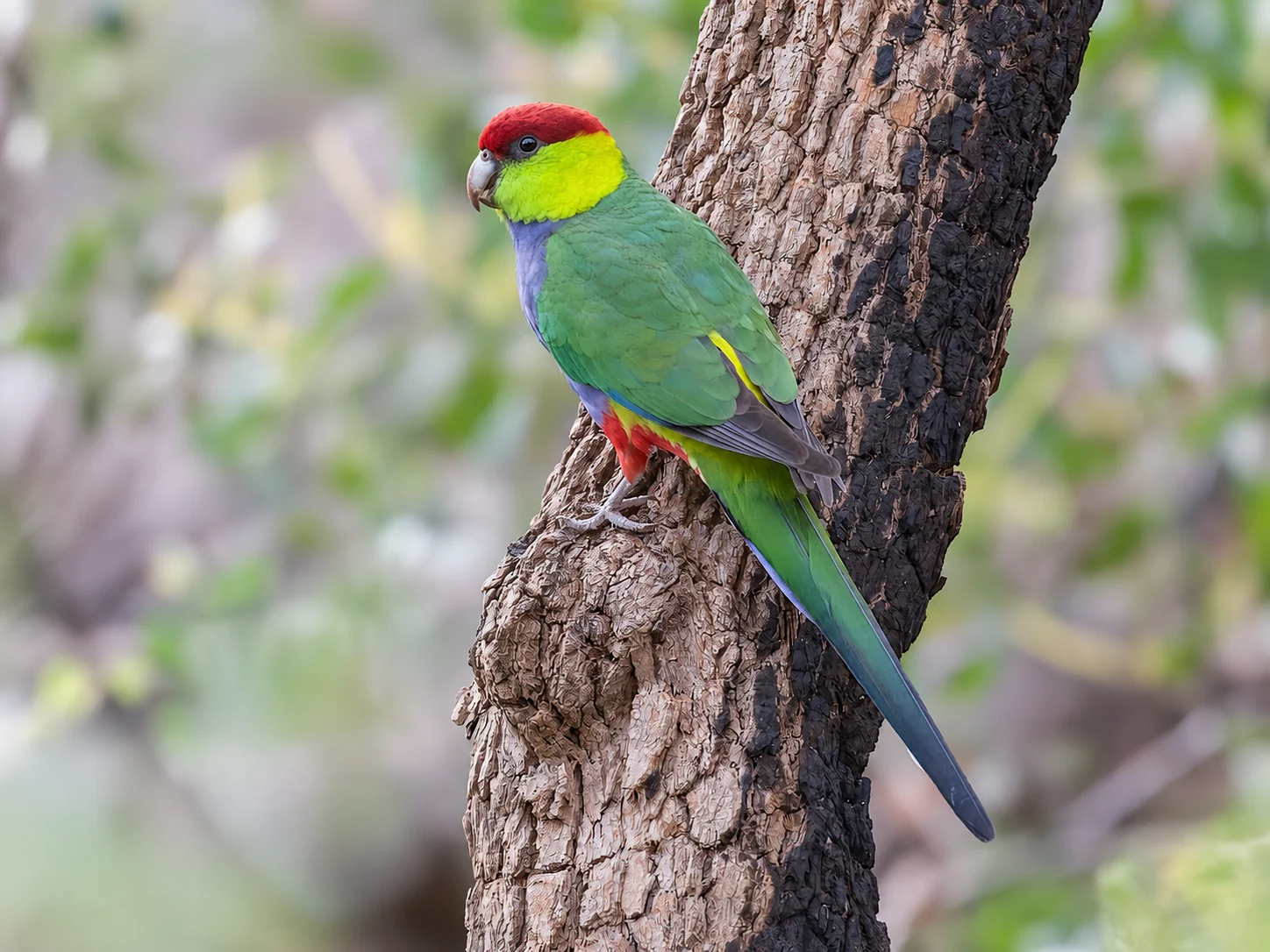
The male Red-capped Parrot has a scarlet crown, yellow neck band, purple breast and red rump, with a green back and wings. Females and young males look greener and less vivid. The species is associated with eucalypt forest and woodland, especially marri.
Kimberley wetlands
In the Kimberley, water levels shape where birds feed. DBCA describes Parry Lagoons Nature Reserve as a wet-season habitat for feeding and breeding waterbirds and migratory waders. As water retreats, birds gather around shrinking billabongs; dry-season grasslands offer habitat for ground-feeding birds.
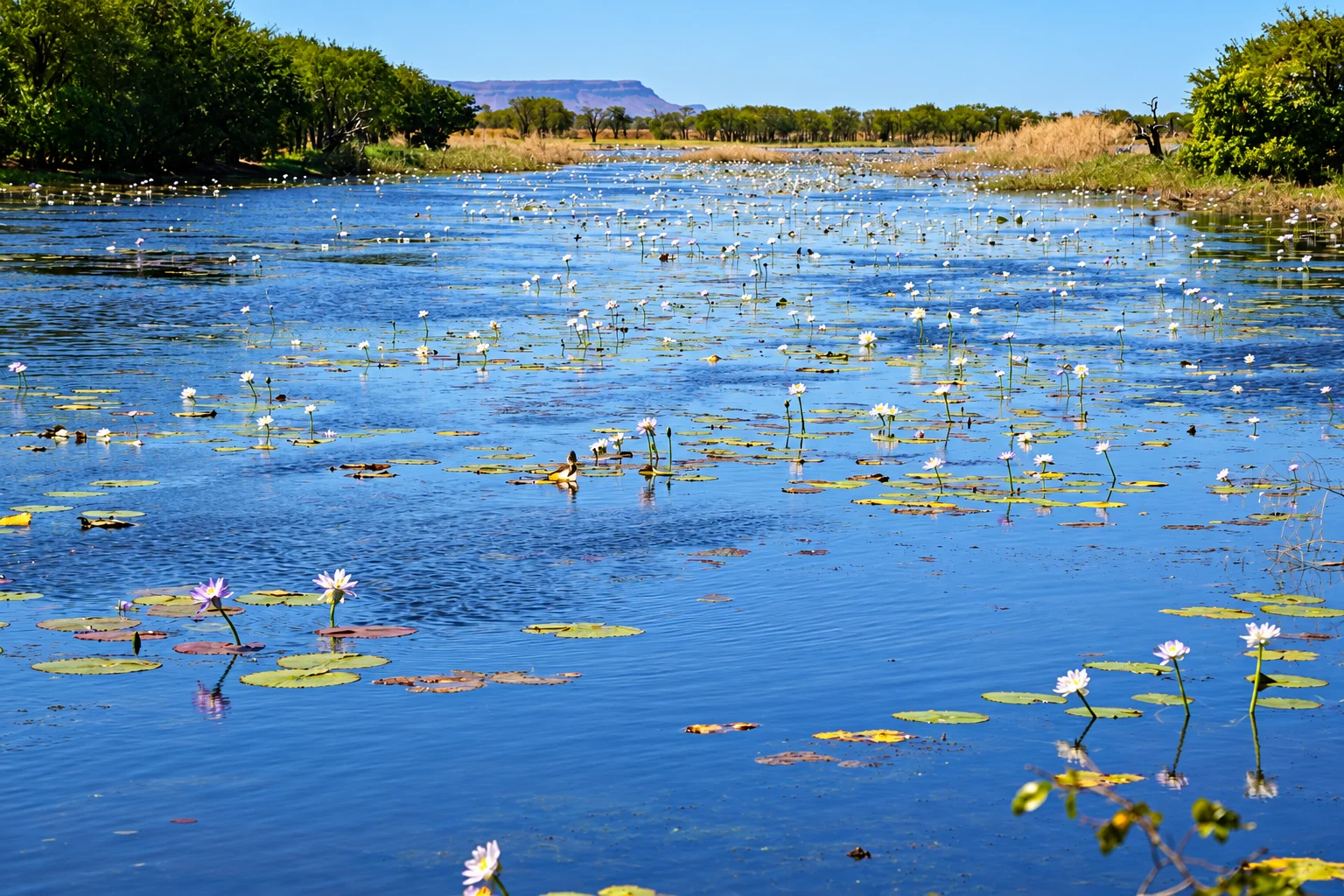
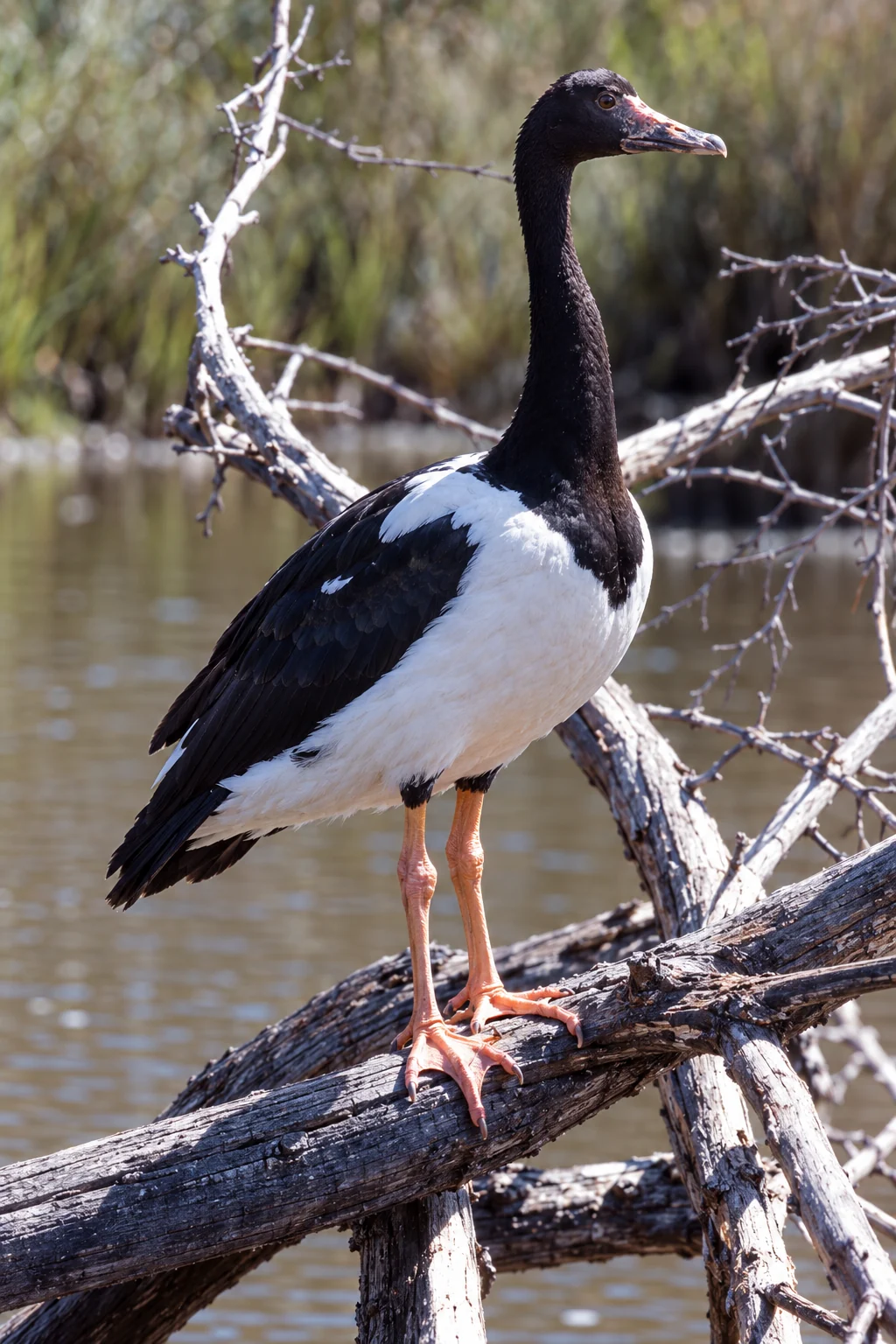
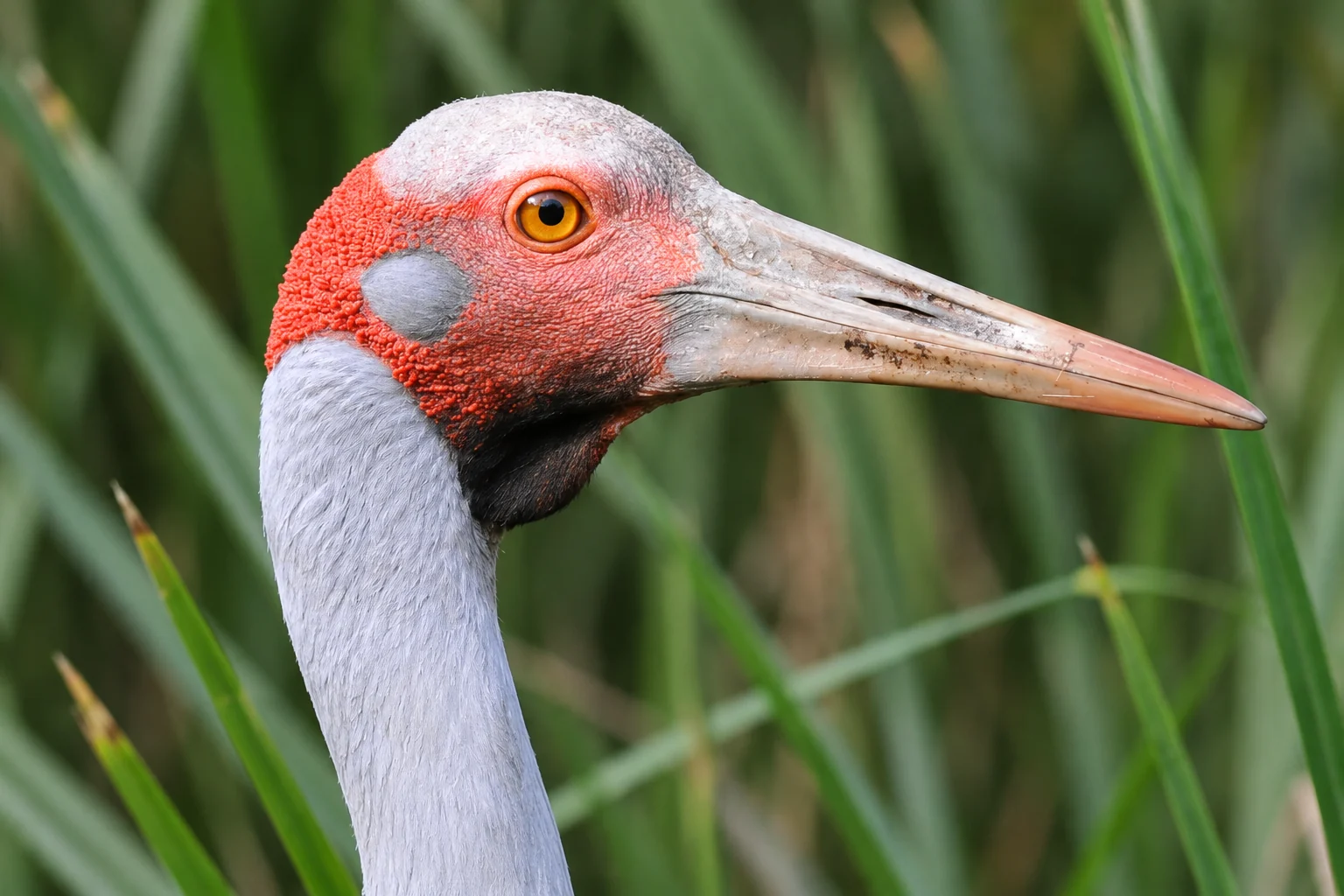
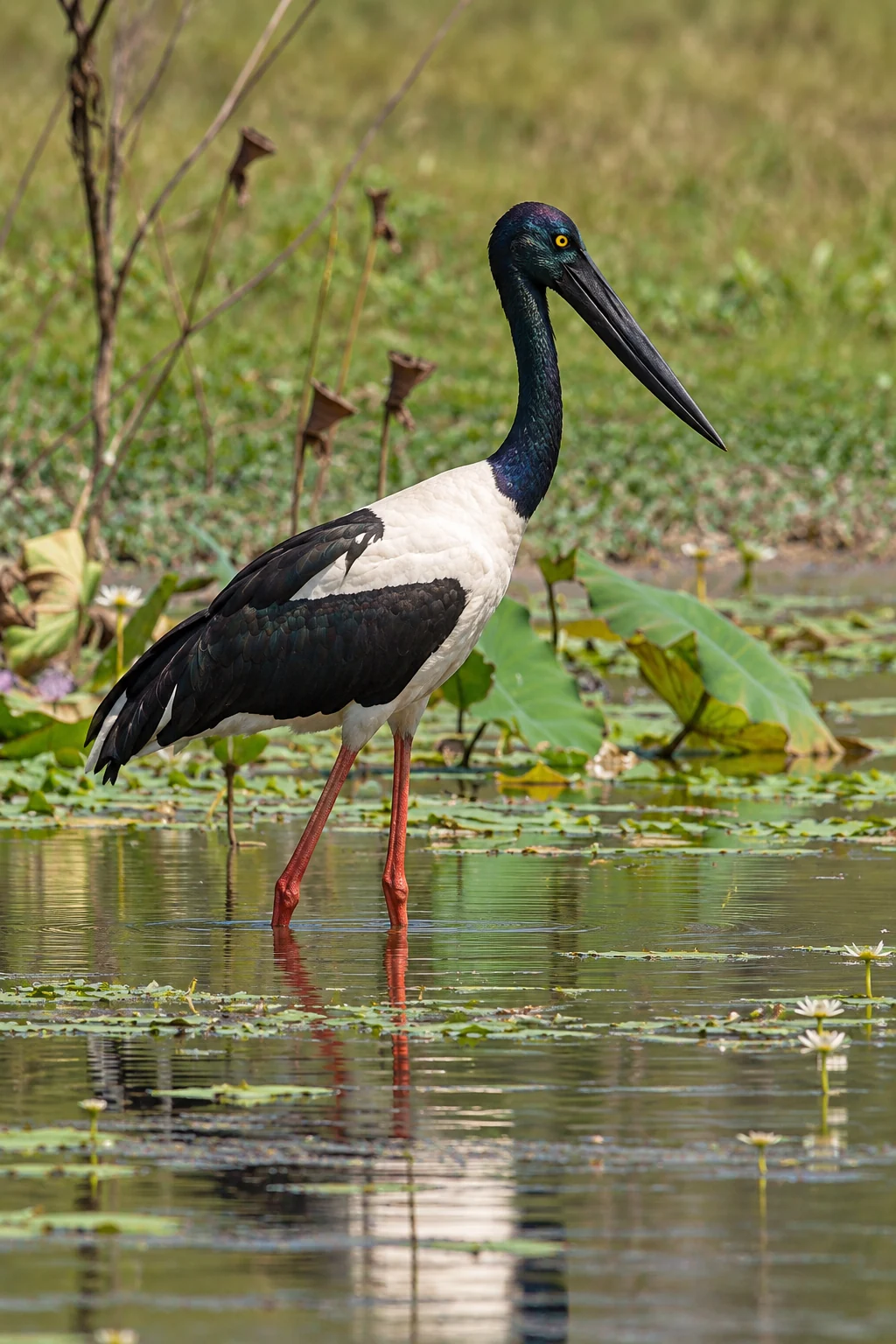
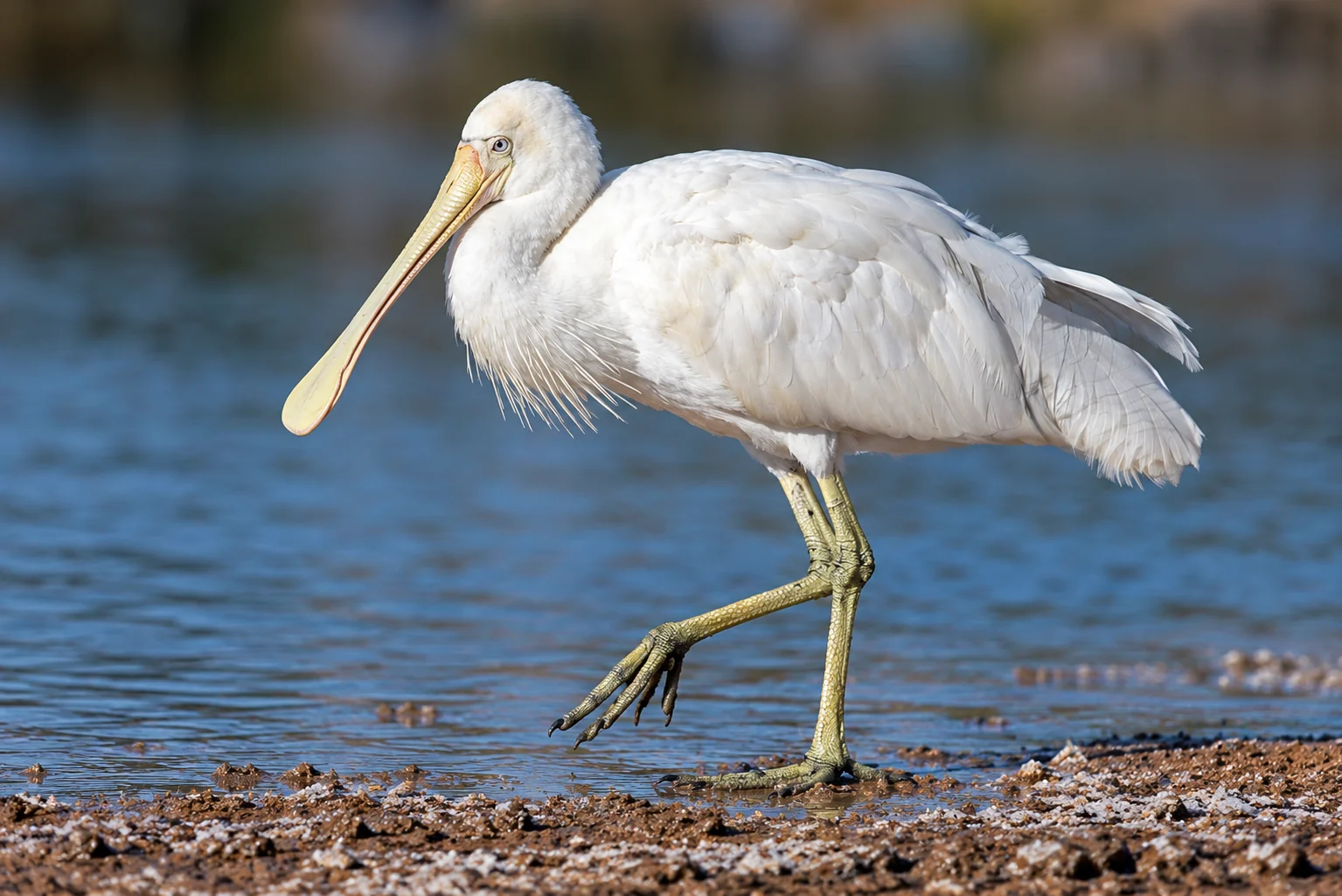
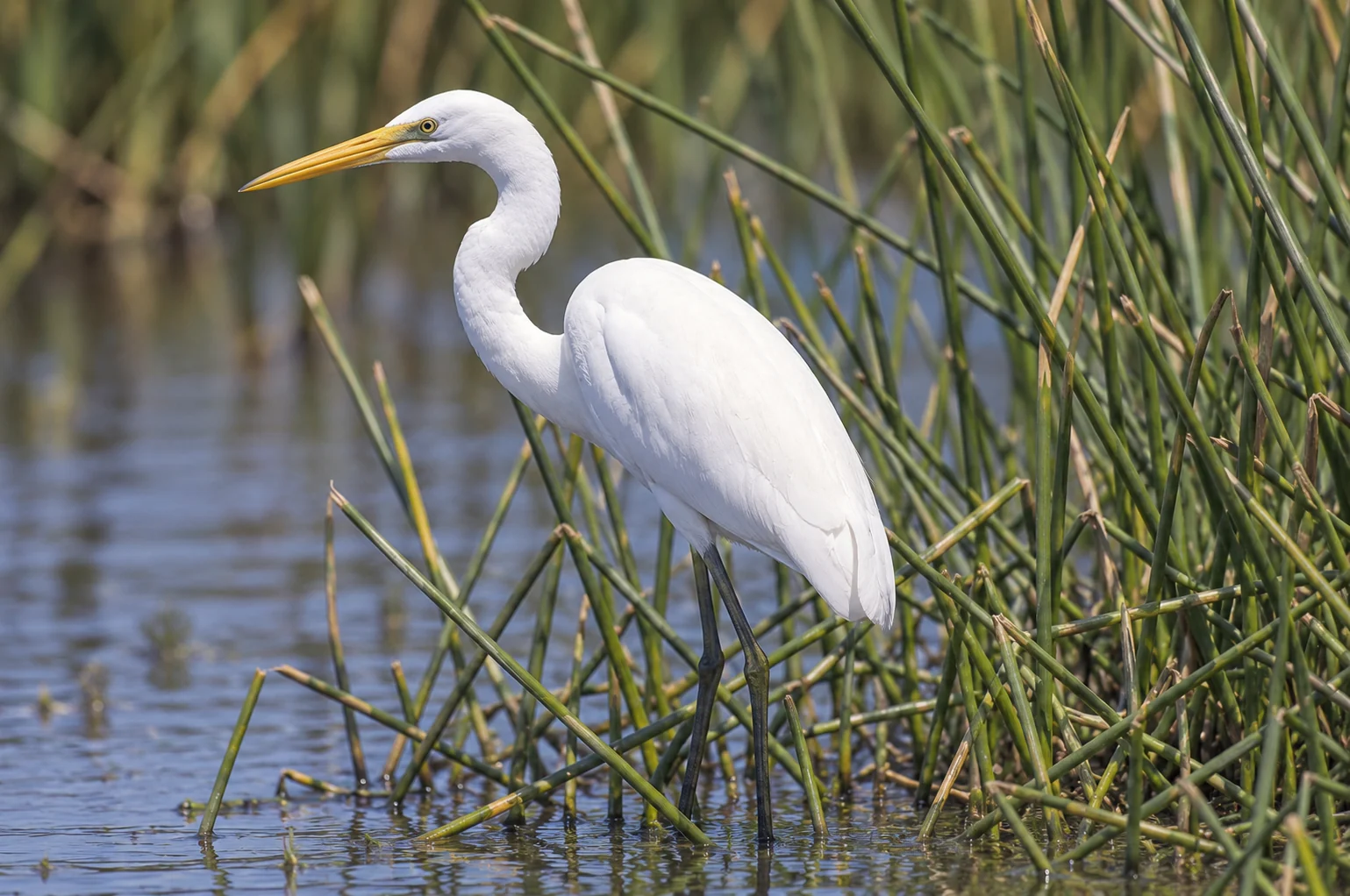
Look among the shallows and wetland edges for egrets, spoonbills and herons. DBCA also lists brolgas, magpie geese, pelicans and jabirus for the reserve. The birds present change with water and season, so check the reserve’s current access information before setting out and keep well back from the water.

Make a reliable identification
Use more than colour when a bird is distant or partly hidden. Note its size and shape, then check its markings and behaviour: a bird that repeatedly drops from a low perch to seize prey is a cue for the Western Yellow Robin, while a long tail that fans and wags points towards a Willie Wagtail.
The Western Australian Museum’s bird checklist is a dated reference for the state’s recorded species, not a ranking of the birds visitors are most likely to see. For a practical sighting, match the bird to its habitat and region, and treat a record from a park as evidence of presence rather than proof that the species is common there.