Australian native flower gardens are botanic gardens and bushland reserves that grow plants native to Australia, such as banksias, grevilleas, kangaroo paws and waratahs. The Australian National Botanic Gardens in Canberra, the Royal Botanic Gardens Cranbourne in Victoria and Kings Park Botanic Garden in Perth are three of the best known. All three are free to enter. What is in flower depends on the season and the region.
Spring brings the widest range of flowers, and in Western Australia the wildflower peak runs from August to October. Flowering dates shift from year to year, and the Australian Museum calls its Sydney-region flowering calendar "a guide only" because rainfall, heat and local conditions move the dates. The sections below cover each garden, the flowers to look for, how flowering varies by month and region, the rules on picking wildflowers, and how to plan a short visit around opening hours and weather.
Three gardens to visit
Australian National Botanic Gardens, Canberra
The gardens sit on Clunies Ross Street, Acton, and cover 90 hectares, of which 40 hectares are developed. According to the official fact sheet, the first planting was in 1949 and the official opening was on 20 October 1970. The gardens’ mission is "Inspiring, informing and connecting people with the Australian flora."


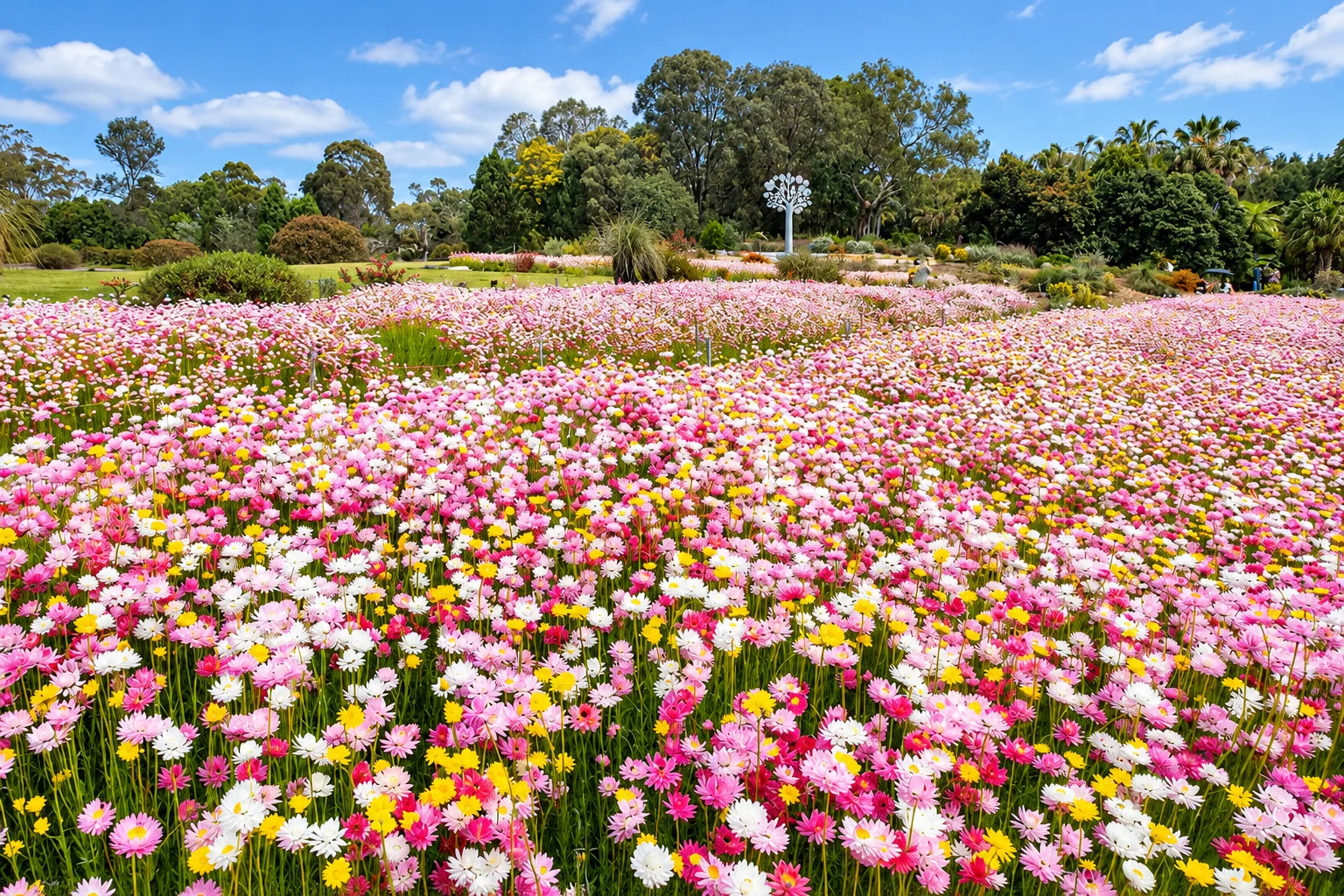


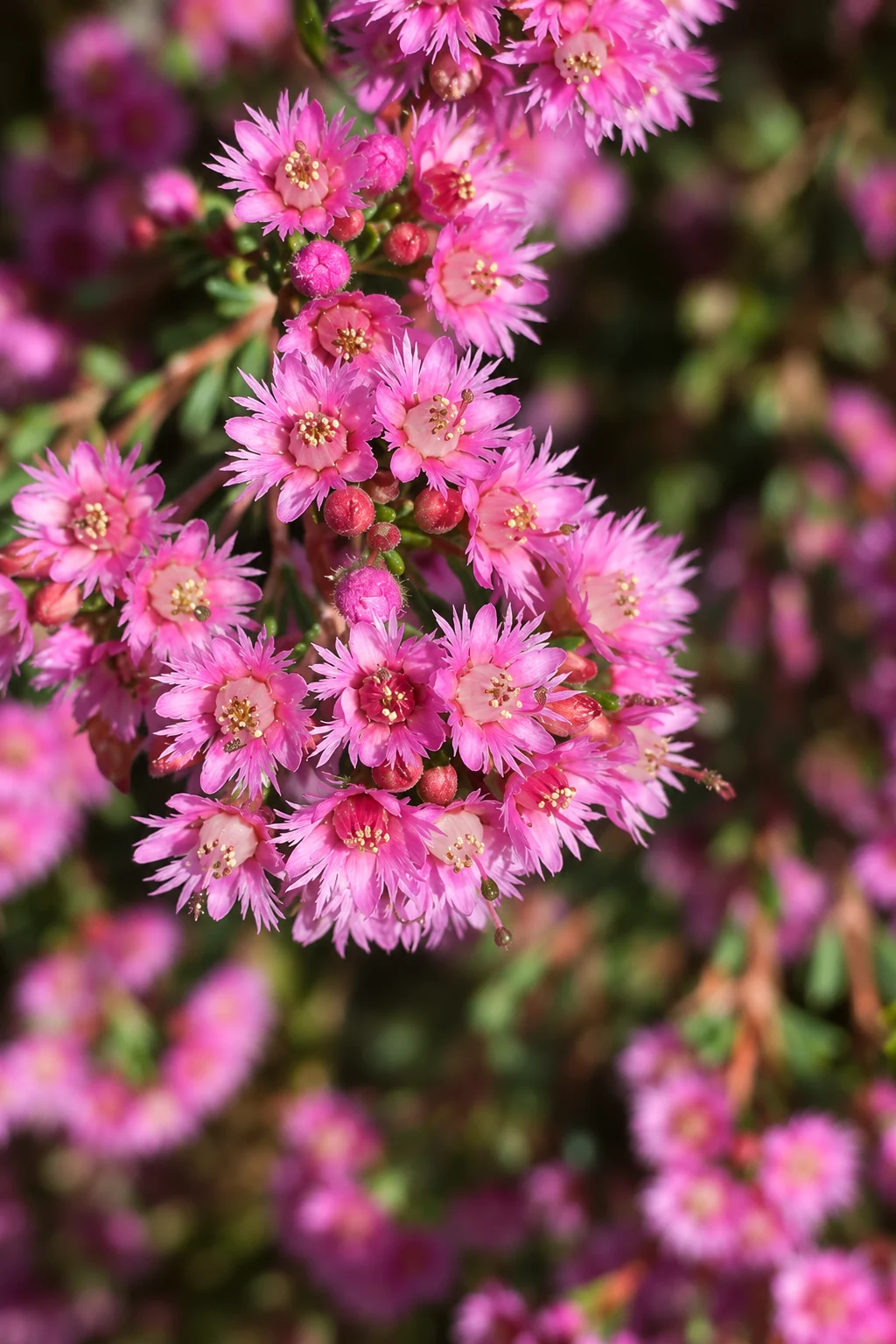

The gardens are divided into themed areas, including the Eucalypt Lawn, Red Centre Garden, Rainforest Gully, Paperbark Treehouse and Garden, Sydney Region Gully, Rock Garden, Proteaceae displays, Banksia Garden and the Asteraceae (Daisy) Garden. The Proteaceae family covers banksias, grevilleas, hakeas and waratahs, so those displays suit anyone interested in the flowers described later. The Daisy Garden shows the everlasting-type flowers that many visitors associate with the Australian bush.

According to Parks Australia, the gardens are open from 8.30am to 5.00pm daily and closed on Christmas Day, and the gates are locked outside those hours. Parts of the gardens can close in dangerous weather such as high winds or high fire danger. The Visitor Centre and Botanical Bookshop open from 9.30am to 4.30pm, and Pollen Cafe opens from 9.00am to 4.00pm. Both close on Christmas Day. Jindii Eco Spa opens 8am to 5pm Monday to Wednesday, 8am to 8pm Thursday, 8am to 5pm Friday and Saturday, and is closed Sundays and Christmas Day. Visitors who park after 5pm for the spa need to arrange it directly with Jindii.
Entry to the gardens is free, but confirm that on the Parks Australia page before you go. The site also lists walks, tours and ranger-guided programs.

Royal Botanic Gardens Cranbourne, Victoria
Cranbourne is about 50 km from Melbourne’s CBD, roughly a 50-minute drive. It covers about 363 hectares of heathlands, wetlands and woodlands with more than 170,000 individual native plants. The Australian Garden section includes the Red Sand Garden, Dry River Bed, Arid Garden, Eucalypt Walk and Exhibition Gardens. The Bushland areas hold the remnant heath that grows naturally on the site.
Royal Botanic Gardens Victoria lists admission as free apart from special ticketed events. The gardens open 9:00am to 5:00pm every day except Christmas Day, with last entry at 4:30pm. The Visitor Centre opens 9:00am to 4:30pm. A free car park at the entrance serves both the Australian Garden and the Bushland areas. There are two entrances: the East Entrance at Botanic Drive and Ballarto Road (Junction Village), and the West Entrance at 1000 Ballarto Road. Wildlife uses the roads, so drive with care.
Without a car, the nearest station is Cranbourne, 6 km by car from the gardens. A free shuttle runs from the station with one fixed pick-up at 10:45am and a return at 2:45pm. It has 8 seats and one wheelchair space, and bookings are required on 03 5990 2262. Those times leave about four hours in the gardens. For other questions, contact the gardens on +61 3 5990 2200 or rbgc@rbg.vic.gov.au.
The paid "Nature Lovers Tour" runs from 13 August to 29 November 2026. It costs from $10 and takes 1.5 hours; check the What’s On page for dates and bookings. The same page lists the Trig Point Lookout Tower as closed. Casey City Council states that the gardens close on Total Fire Ban days, so check the fire danger forecast on summer mornings.
Kings Park Botanic Garden, Perth
Kings Park covers 400.6 hectares, according to Tourism Western Australia. Native bushland covers nearly two-thirds of it, and 319 native plant species are recorded in the park. Tourism Western Australia also says the park is home to more than 3,000 wildflower species. Walks start mainly from the Botanic Garden and Aspects of Kings Park. Each September the Botanic Garden section of Kings Park hosts the Kings Park Festival, which features wildflowers.
The Kings Park and Botanic Garden Authority (BGPA) runs several free walks. "Discover Kings Park" leaves every day at 10am and 1pm from outside Aspects of Kings Park. The Wildflowers and Bushland Walk takes about 2 hours and leaves daily from Aspects Lawn, starting in the Fraser Avenue Precinct. It follows the Nature Trail through bushland and is led by Kings Park Volunteer Guides. The walk highlights spider, pansy and cowslip orchids, and the red and green kangaroo paw, the State floral emblem. It also explains how Western Australian plants adapt to hot, dry conditions and low-nutrient soils.
The walk is free and easy-grade, and suits wheelchairs and prams. Part of the trail is raised mesh, which is unsuitable for dogs. Individual bookings are generally not required, but groups of more than ten should contact the Visitor Information Centre. Wear closed shoes and bring a hat, jacket, sunscreen and water. The walk is cancelled if temperatures reach 37°C or above. Other events go ahead in rain or shine, although walks may be cancelled in extreme weather.
Other 2026 programmes include these:
- "Heart of the Park" runs on Fridays from July to October and follows bushland paths with volunteer guides.
- "Water Views and Bushland" runs on Mondays from July to October and looks out over the Swan River and Perth City.
- A "Natives from Seed" workshop on 14 November 2026 covers sowing seed for native gardens.
- The dog-friendly "Paws and Plants" walk is on 15 November 2026.
- The Friends of Kings Park hold a plant sale on 8 November 2026. Sales are held four times a year.
- The self-guided "Biosecurity Trail" is open daily and highlights threats to Western Australian flora.
The park also records 70 bird species, so a visit suits birdwatchers as well as flower seekers.
Flowers to look for
Most of the plants in these gardens belong to a handful of groups, and learning them makes the labels easier to read.
Banksias have cylindrical flower spikes made of hundreds of tiny flowers. Over 100 species are cited, and most flower in autumn and winter, though some flower year-round. Banksia serrata blooms March to August, Banksia coccinea peaks in August and September, and silver banksia flowers mainly February to July in Victoria. Banksias prefer full sun and slightly acidic, low-phosphorus soil.
Grevilleas have curved, spidery flowers and are cited at over 350 species. They flower year-round, with the heaviest flowering in winter and spring. Grevillea banksii blooms August to October. Their nectar draws birds, which makes them good for watching wildlife as well as flowers.
Waratahs (Telopea speciosissima) have large red flower heads and bloom mainly from September to November. The Gippsland waratah grows in wet forests east of Orbost and flowers from September to December. Waratahs grown from seed can take up to five years to flower, so a garden specimen in bloom is a mature plant.
Kangaroo paws (Anigozanthos) have velvety, claw-shaped flowers. The Sydney calendar lists them in January and February, while florist guides describe spring flowering, so flowering time varies with the region. In Perth, the red and green kangaroo paw is the State floral emblem and a highlight of the Kings Park walk.
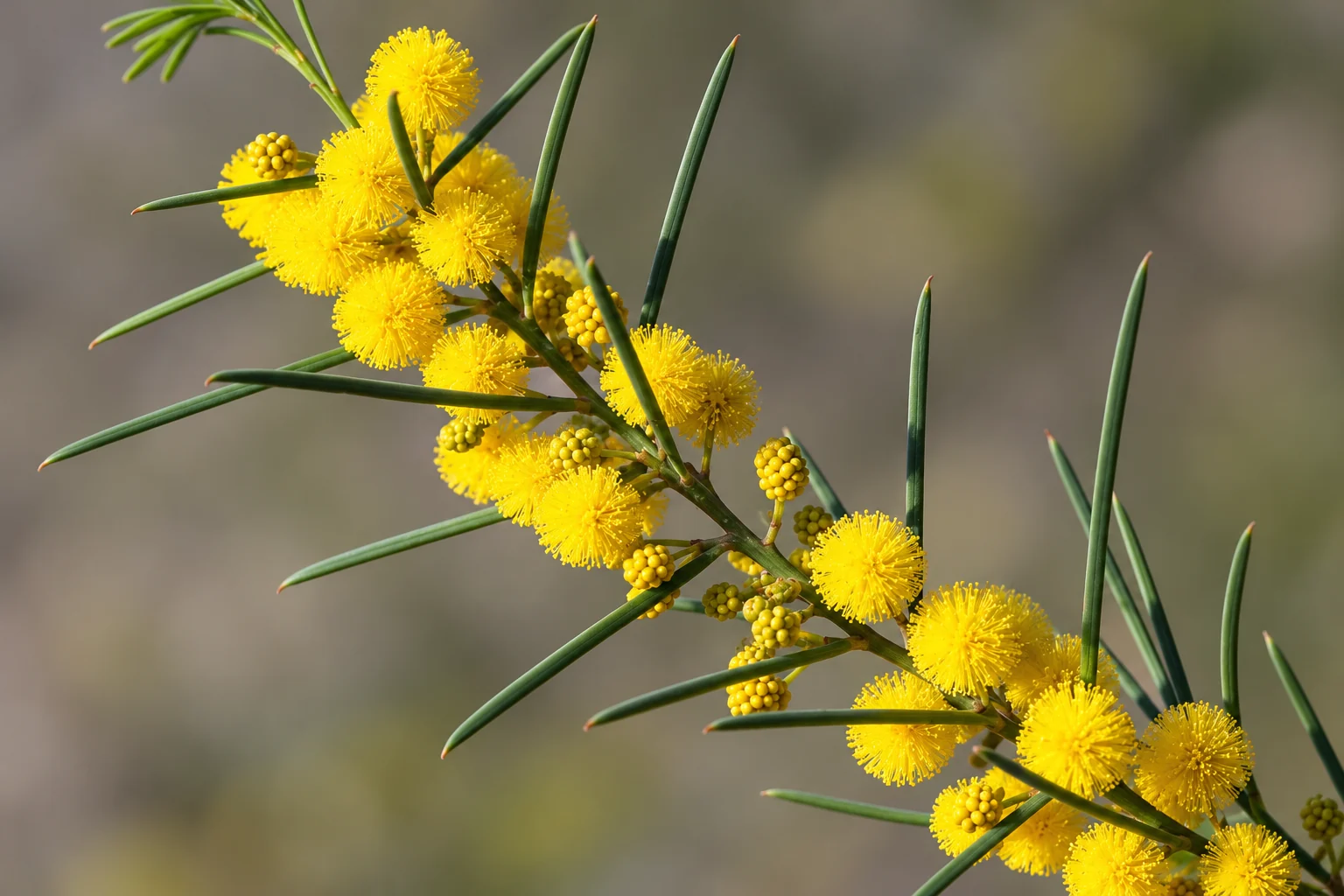
Wattles (Acacia) cover the bush in yellow flowers. In South Australia they flower through August and peak in September, and in Victoria they flower in spring.
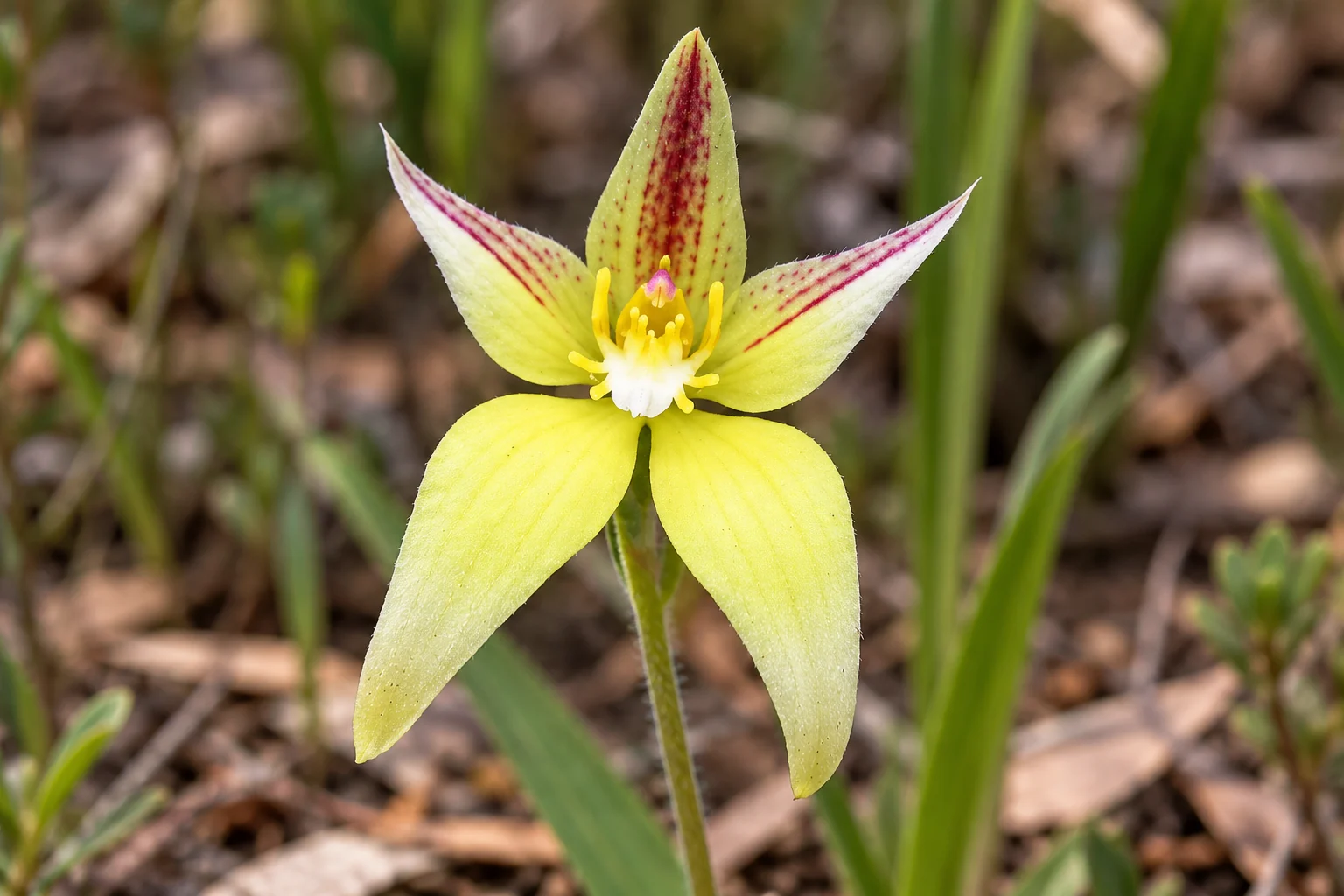
Other groups appear at each garden. These include correas and hakeas, which peak from June to August with the winter-flowering banksias. Orchids appear in September and October around Sydney, and Kings Park highlights spider, pansy and cowslip orchids on its walk.
When native flowers bloom
Most Australian natives flower between late winter and early summer. Flowering periods vary by species, and many plants respond to rainfall, heat or fire rather than a strict season. The seasonal patterns below show what to expect in each region.
Western Australia
Tourism Western Australia says the wildflower season "typically has a six-month window," starting in the Pilbara in June. By September, Perth’s urban parks, including Kings Park, are "bursting with colour." The season "comes to a vivid close in October" in the Margaret River region. Kings Park draws wildflower visitors between August and October, and the BGPA walk runs through this period. A trip to Perth in September lets you attend the Kings Park Festival while the season is at its peak.
Sydney region flowering by month
The Australian Museum calendar covers common flowering native plants around Sydney and its regions. It is not a comprehensive list, and it is useful for seeing what is in bloom each month.
- Summer (December to February): December brings grevillea (robusta), muntries, melaleuca, lilly pilly, the Illawarra flame tree and Christmas bush. January has banksia (serrata), callistemon, red flowering gum, grevillea, kangaroo paw, NSW coral heath, dianella and leptospermum. February has Sydney blue gum, scribbly gum, grevillea, geebung, kangaroo paw and westringia.
- Autumn (March to May): March features grevillea, hakea, melaleuca and strawflower. April brings spotted gum, callistemon, acacia, lilly pilly and hibbertia. May has banksia (ericifolia), callistemon, eucalyptus, grevillea, hakea and epacris.
- Winter (June to August): June has acacia, callistemon, lemon-scented gum, grevillea, hakea, kunzea and correa. July adds banksia (spinulosa), eremophila and prostanthera to the acacias, eucalypts, grevilleas, hakeas and correas. August has acacia, grevillea, hakea, kunzea, native frangipani, Gymea lily and hardenbergia.
- Spring (September to November): September has acacia, banksia (caleyi and baueri), grevillea, waratah, rice flower, native rose and orchids. October has banksia, grevillea, waratah, callistemon, prostanthera, leptospermum, indigofera, viola and orchids. November has acacia, banksia (marginata), grevillea, callistemon, melaleuca, persoonia, flannel flower and eriostemon.
The calendar also lists native bees, butterflies, hoverflies, beetles, wasps and ants across much of the year, and moths in autumn and late spring. Summer and autumn visits still have plenty to see, especially grevilleas, which flower in nearly every month on the list.
Canberra and Cranbourne
Canberra and Cranbourne have no equivalent official monthly calendar, so use the plant-group patterns above. In Victoria, wattle flowers in spring and silver banksia from February to July. Spring (September to November) gives the widest range of bloom across the three gardens. Autumn and winter suit banksias, grevilleas, correas and hakeas.
Picking wildflowers in Western Australia
Picking wildflowers on public land in Western Australia is illegal. The Department of Biodiversity, Conservation and Attractions (DBCA) says it is an offence to take native flora, including wildflowers, from Crown land, public reserves and road verges without lawful authority. As ABC News reported on 21 September 2026, penalties reach up to $50,000 for unlawfully taking native flora. They rise to up to $500,000 where critically endangered flora is involved.
Taking covers plucking, cutting, pulling up, damaging or removing plants, and the DBCA says Western Australia’s native everlastings are protected under the Biodiversity Conservation Act 2016. The roadside rule also protects drivers. Main Roads WA described stopping to pick flowers on the Bussell Highway median between Bunbury and Busselton as dangerous and illegal. The state’s transport authority planted that median to improve soil quality.
The DBCA’s advice is to stay on designated paths, obey road rules and leave wildflowers undisturbed. Visitors can also carry phytophthora dieback, a soil-borne pathogen that kills native plants, on their shoes and equipment, so clean footwear and gear before entering bushland. Take photographs instead of flowers.
Planning a short visit
Choose the garden that matches your location and the season. In spring, all three gardens have a good range in bloom. Western Australia peaks from August to October, and the Kings Park Festival in September falls inside that window.
For Canberra, allow a morning or afternoon. The Visitor Centre closes at 4.30pm and Pollen Cafe at 4.00pm, both before the 5.00pm gate closure, so plan food and information stops early. Check the Parks Australia page for tours and weather closures, especially on windy days or days of high fire danger.
For Cranbourne, the car park is free. If you rely on the shuttle from Cranbourne Station, book ahead for the 10:45am pick-up and 2:45pm return. Last entry is 4:30pm, and the gardens close on Total Fire Ban days.
For Kings Park, join the free 10am or 1pm walk from outside Aspects of Kings Park. The Wildflowers and Bushland Walk takes about 2 hours and is cancelled at 37°C or above. Wear closed shoes and bring water, sun protection and a hat. On the days the Heart of the Park and Water Views and Bushland walks run, check the BGPA page for departure details.