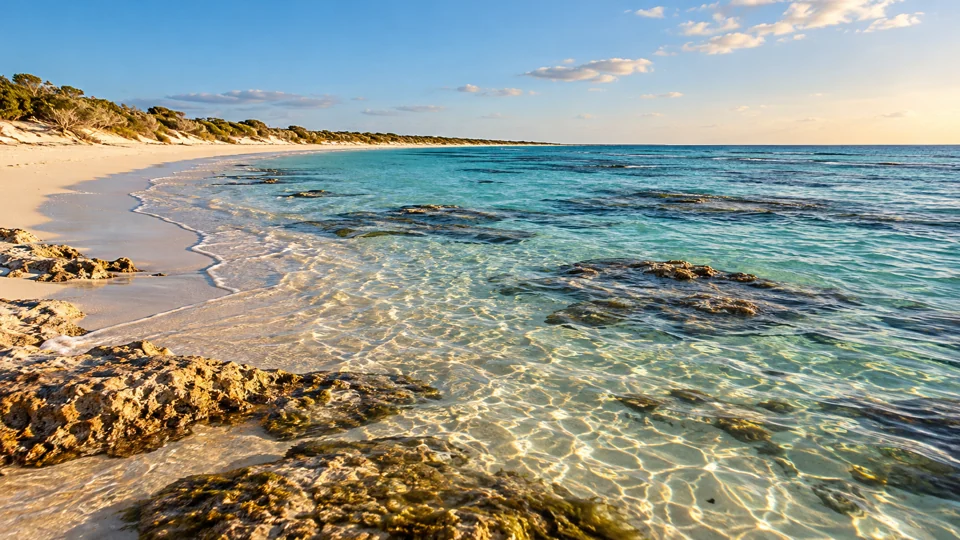
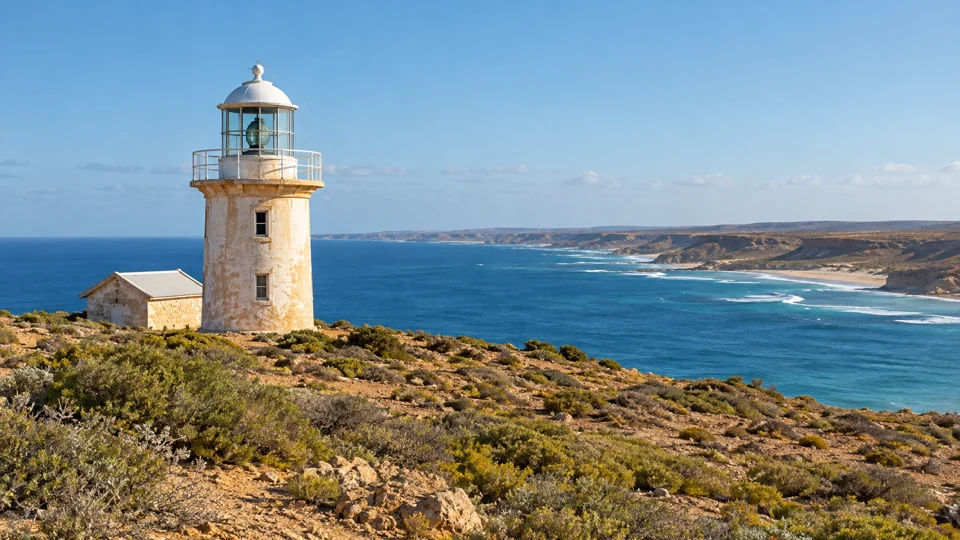
Coral Bay is a small town on the west coast of Australia, known for its beautiful nature. Here I will tell you everything about Coral Bay so that you know what to expect in this place in the middle of the outback of Australia.
Ningaloo Reef
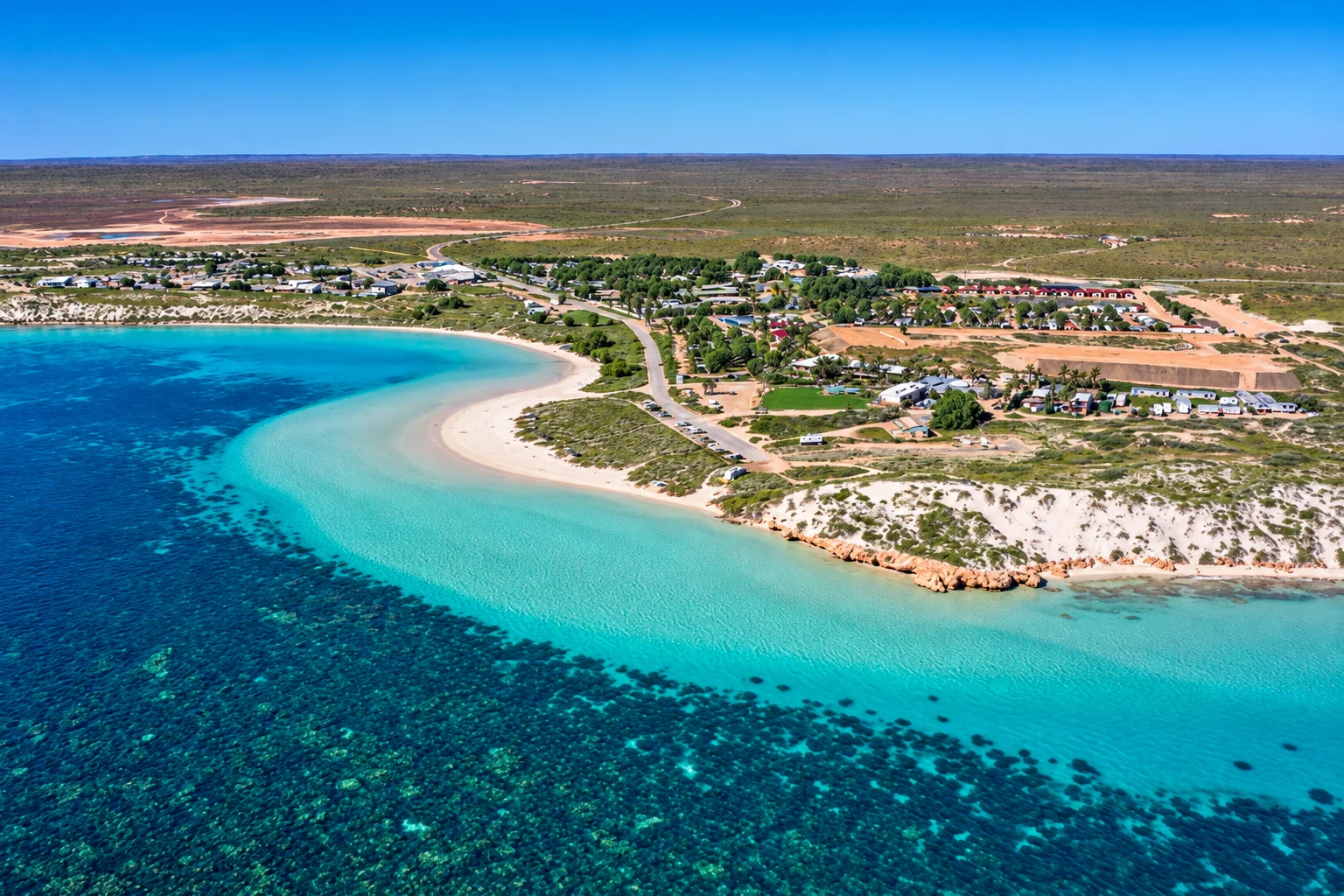
The absolute highlight in Coral Bay is the offshore Ningaloo Reef with its beautiful coral reefs. These are located directly in front of Bill’s Bay, the bay in front of the settlement. The reef shelters the bay, but wind, swell and tides affect swimming and snorkelling conditions. Check local advice before entering the water. You should definitely explore the reef while snorkelling.
Coral Bay Beaches
The beaches in Coral Bay are simply unbelievably white and paradisiacally beautiful. There is the Coral Bay Town Beach, a little bit further south the Paradise Beach.
Snorkelling and Family Visits
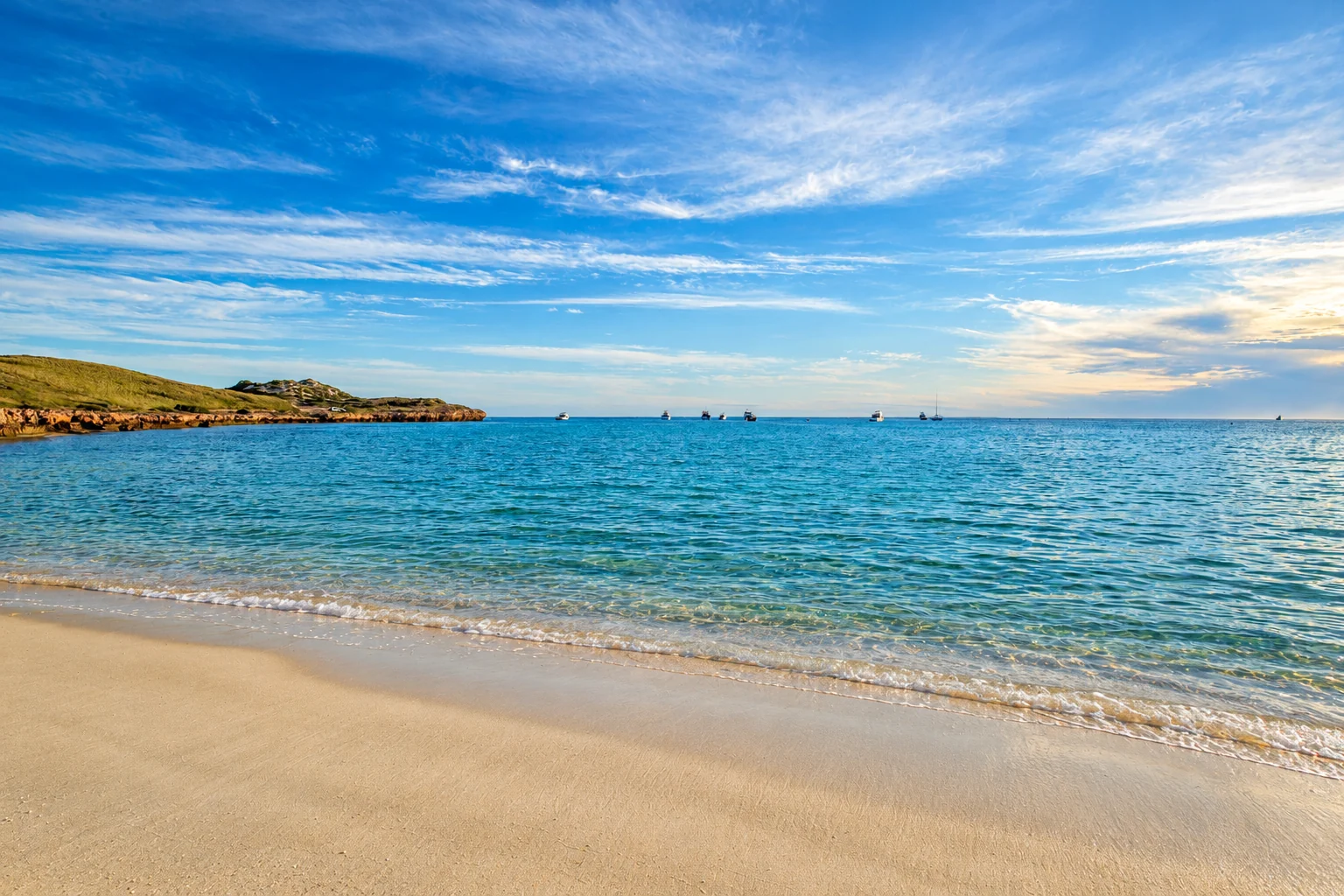
You can snorkel over coral close to shore. Choose a spot suited to your swimming ability, enter carefully and keep clear of boats. Wear a well-fitting mask and snorkel, use fins only where there is enough depth, and never stand on, touch or take coral. Avoid chasing or feeding marine animals, and use sun protection. See DBCA’s Coral Bay guidance.
The shallow lagoon can suit families, but children need close supervision near the water and around boats. Beach access over soft sand can be difficult for wheelchairs and mobility aids. If you need step-free access, beach assistance or an accessible boat, contact accommodation providers and tour operators before you travel to confirm what they can provide.
When to Visit
Coral Bay is a year-round destination, but your preferred season depends on the experience you want. The regional wildlife calendar lists March to July for whale sharks and July to October for humpback whales. Manta rays are seen year-round, although sightings vary.
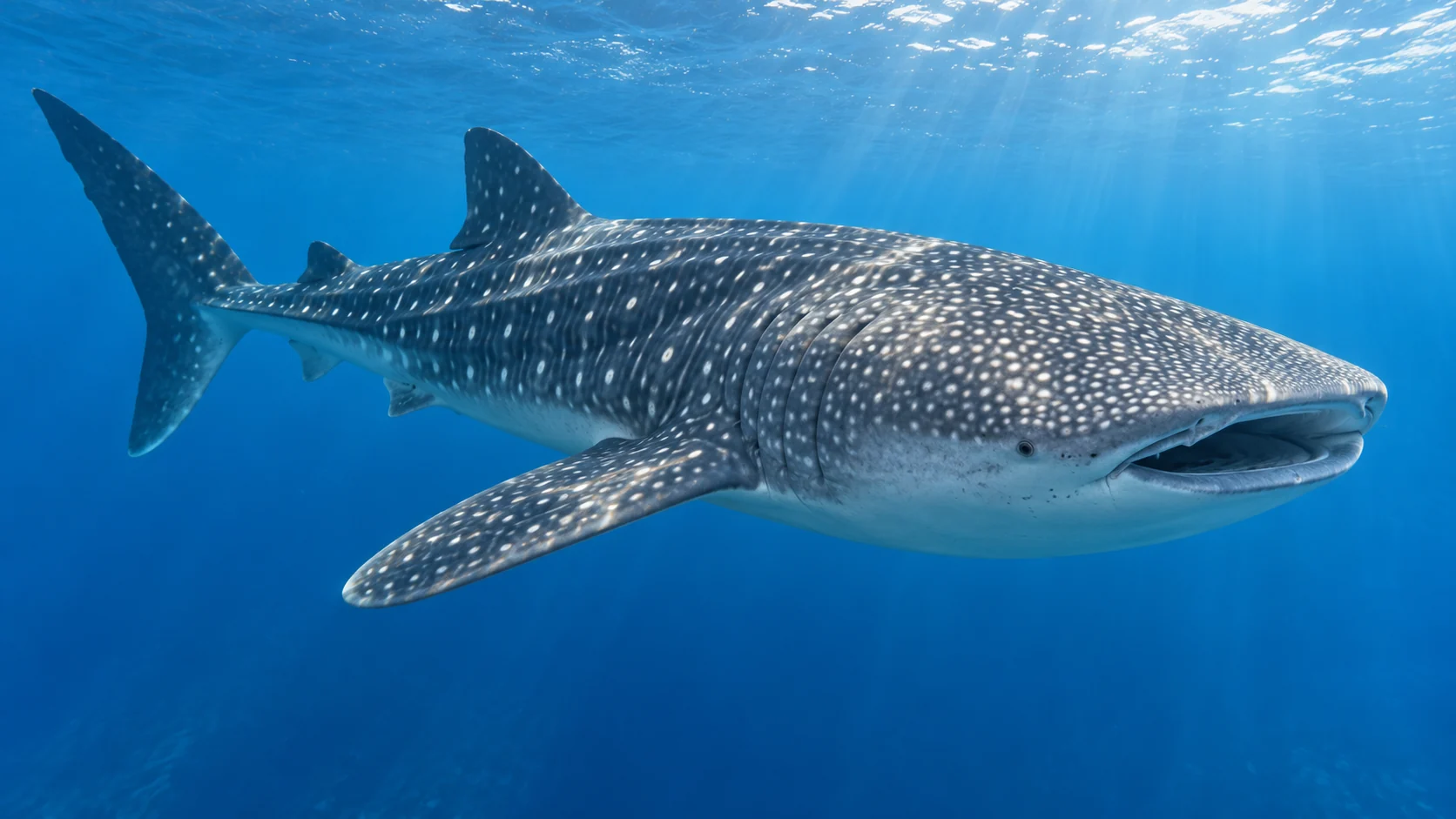
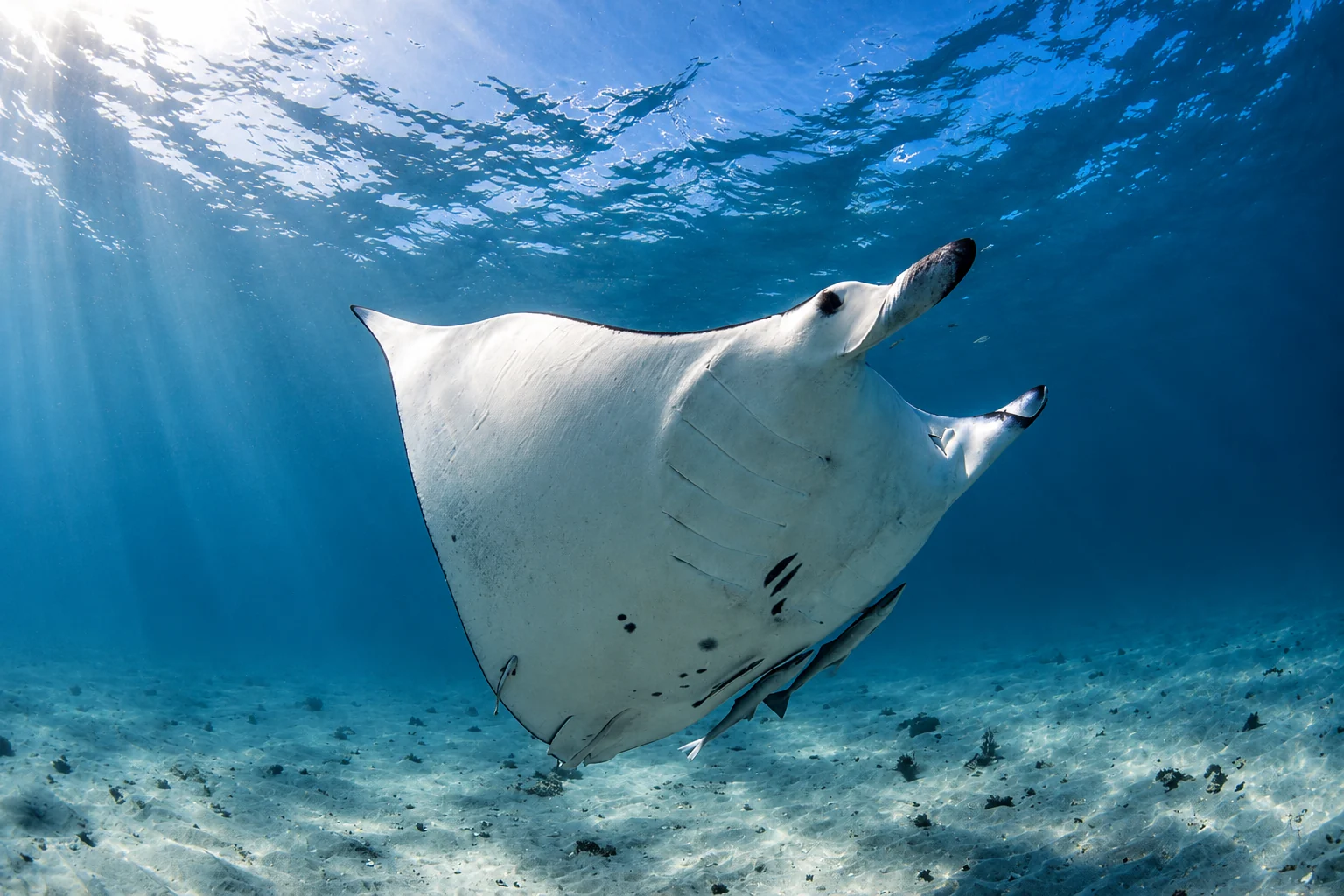
The weather, sea state and water visibility also change through the year. Check forecasts and tour schedules close to your visit, particularly if snorkelling or a wildlife cruise is central to your plans. School holidays and popular tour periods are busy, so book accommodation and tours well ahead.
Accommodation and Camping
Coral Bay has a limited choice of accommodation, including holiday parks and other stays. Reserve early for school holidays and peak travel periods, and check what each booking includes, such as linen, cooking facilities and powered sites.

If you plan to camp, book a designated campsite rather than assuming you can camp wherever you find space. Check the campsite’s location, facilities, access requirements and booking conditions before setting out. Availability and rules vary between sites.
Local Facilities
Coral Bay is a small settlement, so its shops, food options and other services are more limited than those in a large town. Check opening hours and availability before relying on a particular service, and bring any essential medicines or specialist supplies with you. Plan fuel stops and food supplies before the final leg of your drive, and confirm current fuel availability locally.
Getting to Coral Bay
Coral Bay is a remote coastal destination, and most visitors arrive by road. Allow time for the drive, plan fuel and rest stops, and check road and weather conditions before leaving. For route choices and transport options, see Getting to Coral Bay.
Visitor information: Coral Bay from DBCA and regional wildlife calendar.