If you are planning a Ningaloo Reef or Cape Range National Park trip, this page helps you decide whether to stay in Exmouth or camp on the coast, and how to allow time for the reef and range.
Stay in Exmouth
Exmouth is the main base for visiting Ningaloo Reef and Cape Range National Park. It sits at the northern end of Western Australia’s Coral Coast, about 1,200 km north of Perth, as ABC News reported.
In town, you can access shops and fuel, find meals, and use other services between reef tours, beach visits and days in Cape Range National Park. Coastal campgrounds place you closer to particular beaches and park areas, but require more preparation. Before leaving Exmouth, check whether your campground has water and toilets, provides rubbish collection and supplies, then bring anything it lacks.
Cyclone Narelle disrupted visitor access and local services. ABC News reported on 31 March 2026 that Exmouth was closed to tourists. Before travelling, see Emergency WA for warnings, DBCA Explore Parks for park alerts and the Main Roads WA Travel Map for road conditions.
Plan Ningaloo Reef and Cape Range days
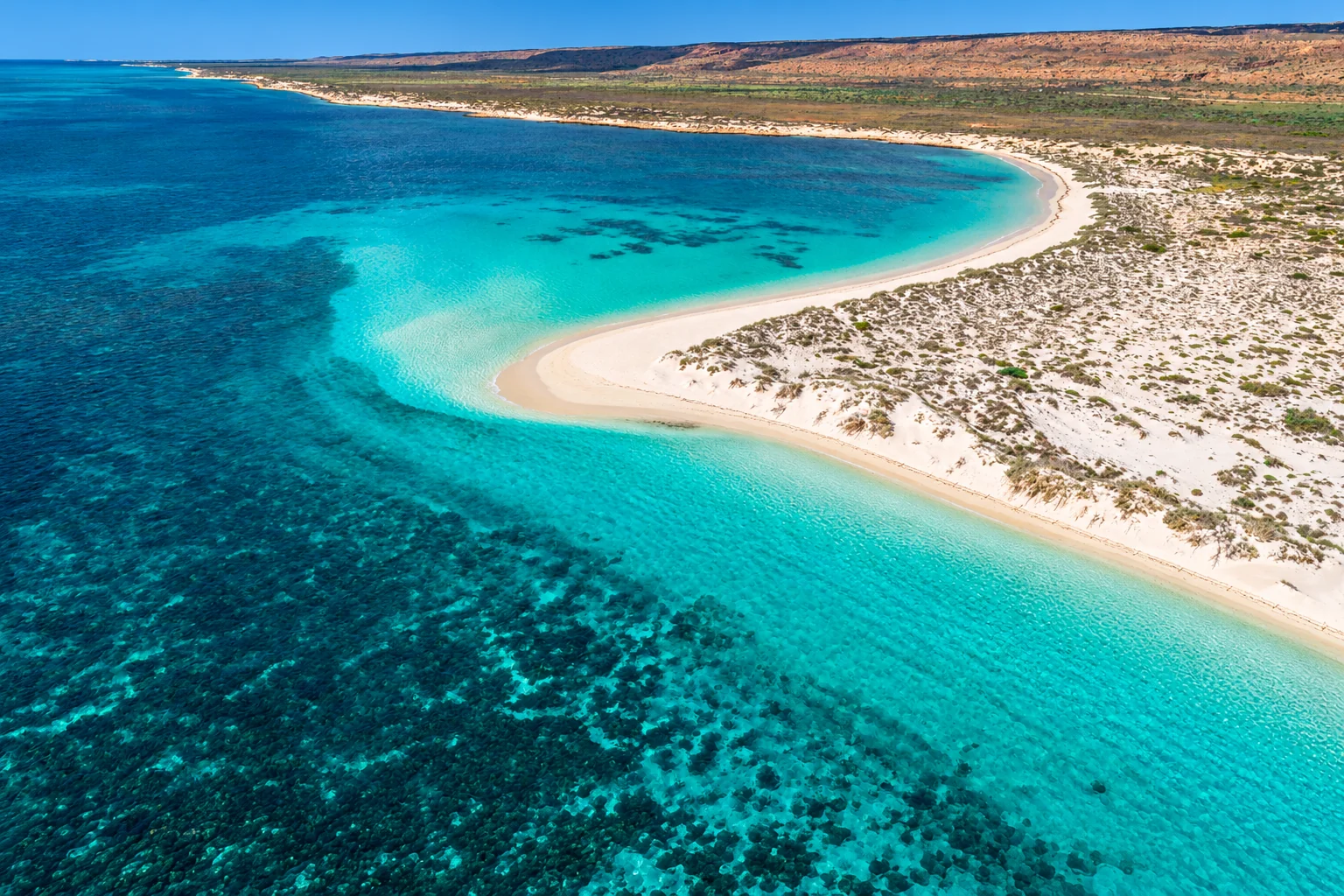
Set aside separate days for Cape Range National Park walks and lookouts, and for swimming or snorkelling in Ningaloo Marine Park. Cape Range is a rugged limestone range beside an arid coastal plain and Ningaloo Reef. Both lie within the Ningaloo Coast World Heritage Area, which covers 604,500 hectares.
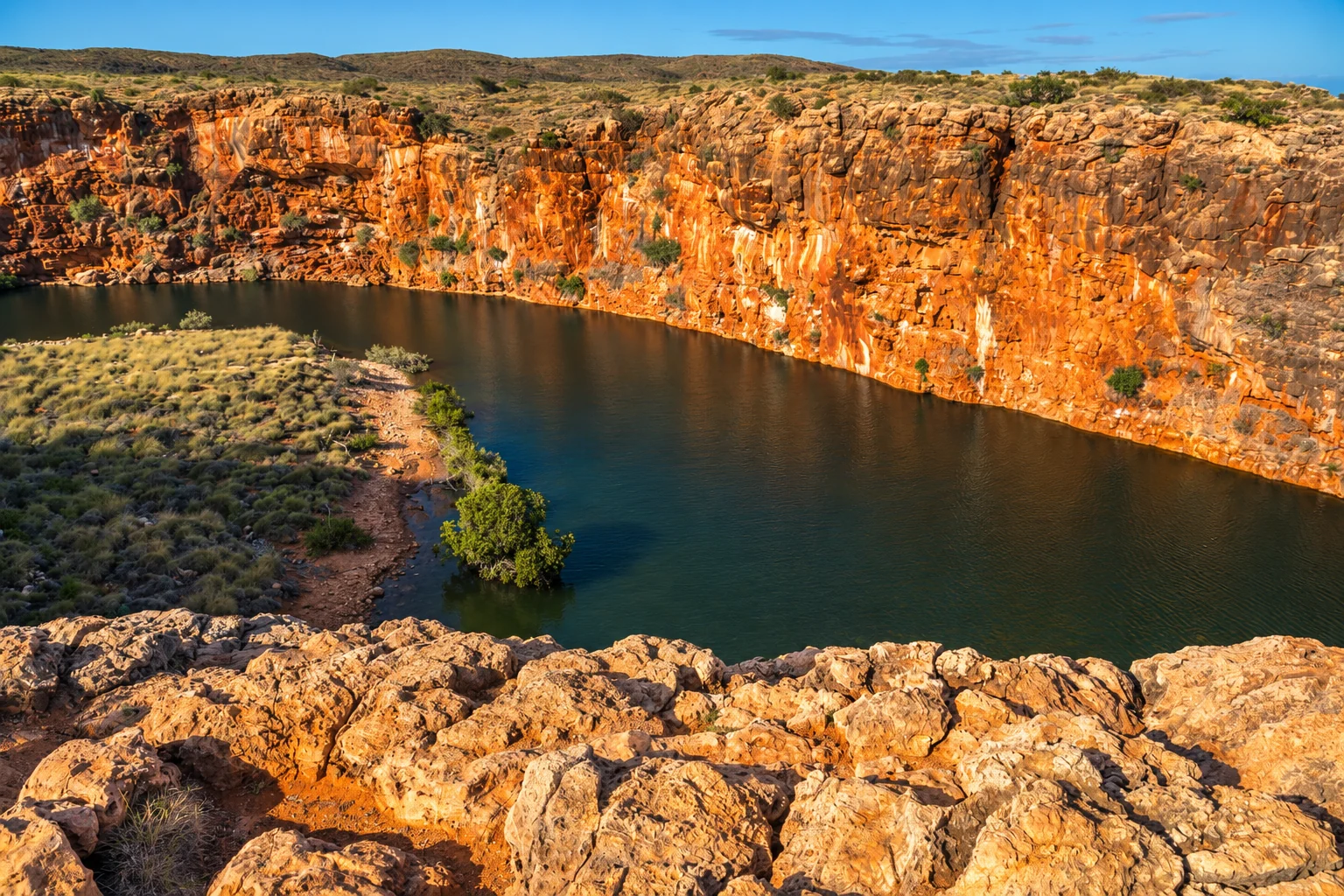
For walks and views, Tourism Western Australia highlights Yardie Creek, Mangrove Bay and Bloodwood Creek Lookout. Turquoise Bay, Lakeside and Oyster Stacks are well-known snorkelling sites. Plan one main beach, walk or marine activity each day. Sites are spread along the peninsula, and driving time adds up. Check current Cape Range National Park information from DBCA before leaving, as road access, weather and site conditions vary.
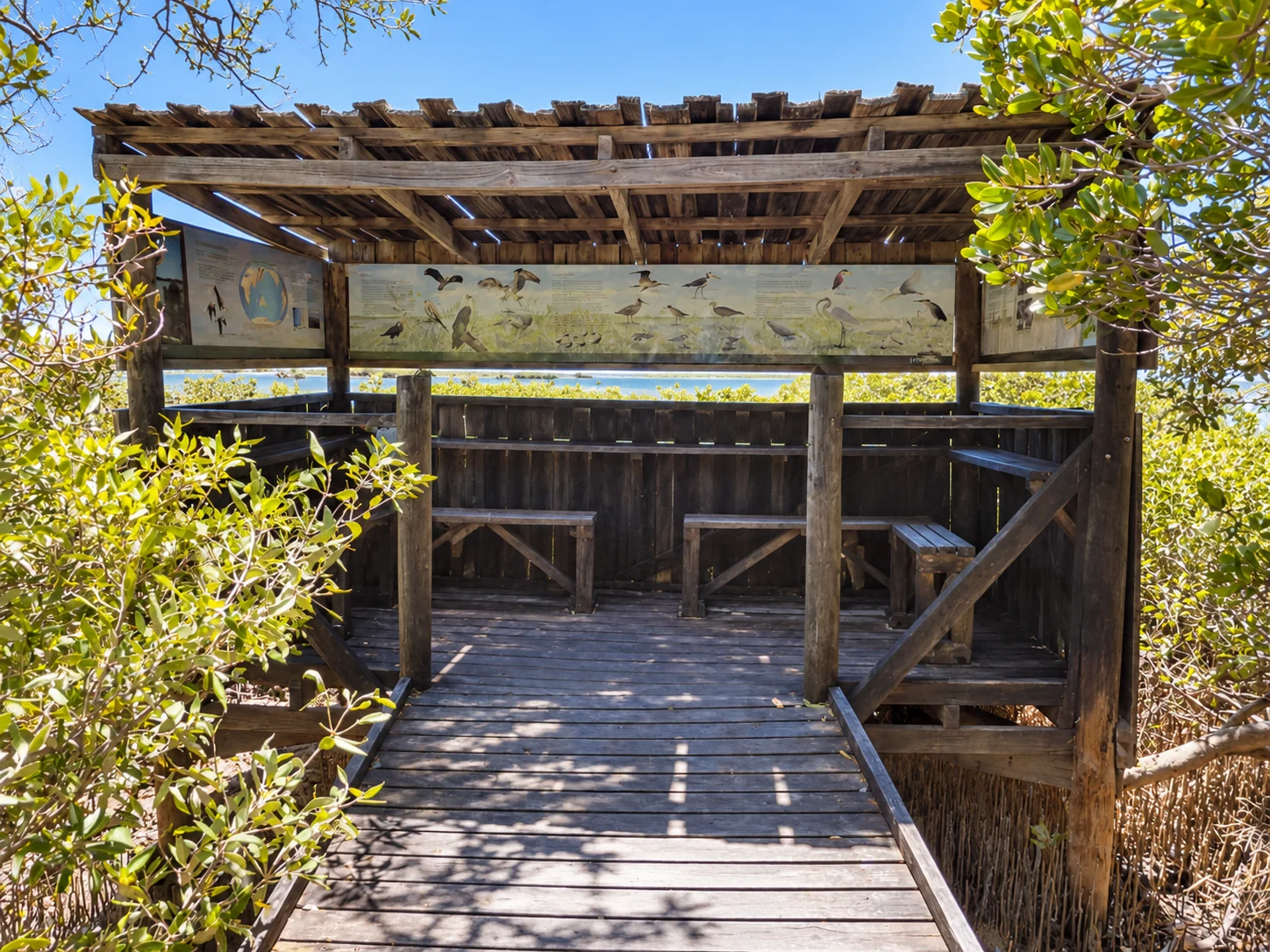
Stay on marked tracks. Take all rubbish with you and give wildlife space. When visitors leave rubbish, damage plants or approach animals too closely, vegetation, wildlife and coastal habitats face added pressure.
Spend one of your two full days snorkelling and the other on a Cape Range walk or lookout, such as Yardie Creek or Bloodwood Creek. Check access and travel times before adding other stops.
Stay in Exmouth or camp on the coast
Stay in Exmouth if town services matter between outings to the reef, beaches and Cape Range National Park. Choose coastal camping if spending more time near a particular beach, reef access point or park site matters more than returning to town each day. Bring the supplies and equipment needed for a self-sufficient stay.
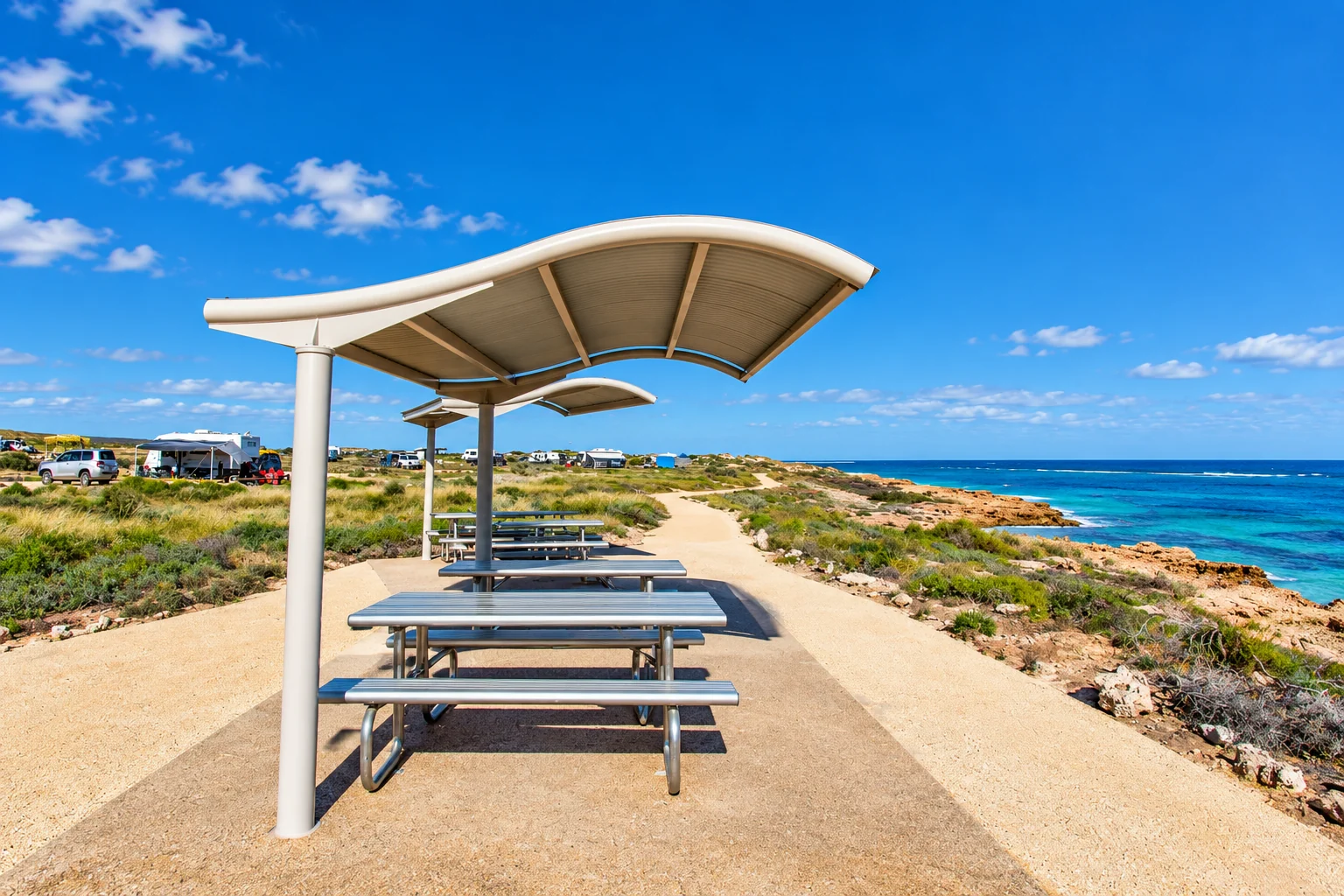
The Ningaloo (Nyinggulu) coastal reserves extend for 215 km alongside Ningaloo Marine Park. They are jointly managed by the Nganhurra Thanardi Garrbu Aboriginal Corporation and Western Australia’s Department of Biodiversity, Conservation and Attractions, and provide camping and caravan sites for visitors who bring their own supplies. See the Ningaloo Coast Reserves management information.
Facilities, road access and camping conditions vary by location. Before choosing a site, confirm its fees, booking requirements, access conditions and available facilities. Check current Cape Range National Park information for relevant park updates.
When to visit Ningaloo Reef
Humpback whales pass Cape Range during their annual migration from May to October, according to Tourism Western Australia. Guided trips may encounter whale sharks and other marine wildlife, but sightings are never guaranteed. Before leaving, review park alerts and weather forecasts, and read the water-safety advice.
Ningaloo experienced a major coral bleaching event in 2025. According to the Australian Institute of Marine Science, it was the first recorded there since 2011 to 2013. Later that year, CSIRO reported record-low coral cover at northern Ningaloo. These findings cover parts of the reef at that time and do not describe current conditions at every snorkelling site.
Water clarity and currents vary with the location and day, as do wind and swell; conditions also shift across seasons. If snorkelling is central to your trip, allow more than one reef day and keep plans flexible. Use Bureau of Meteorology marine forecasts for conditions on the day; tour operators can advise which sites they plan to use.