Before repeating an Aboriginal place name from a road sign or map, check which place it names and whether it is official. For its meaning, use a public explanation from the relevant Traditional Owners, custodians or language centre. Registration and published meaning are separate facts.
Across Australia, a place name may be official, dual, or recorded for historical or cultural reasons. The naming authority confirms its status and spelling; a local custodial source explains what has been shared publicly.
Check the name and its status
Start with the exact spelling and the feature named. A dual name pairs two names for one feature; other names may be traditional, historical or recorded without being registered as the official name. Public use alone does not establish which category applies.
Check the relevant state or territory naming authority. In Victoria, VICNAMES is the official place-names register. The Victorian Aboriginal Heritage Council’s waterways project describes registered and dual names. It also covers historic names, recorded names, traditional names and archived names. In New South Wales, the Geographical Names Board says approved dual names for eligible geographical features have equal status and can be used separately or together. Its policy does not cover every type of place, including towns and roads.
The Australian Government Style Manual notes that official naming processes differ between jurisdictions and recommends consulting local communities about spelling and naming conventions in First Nations languages. For a particular sign or map, match the name to the named feature and check the relevant register rather than assuming that every Aboriginal name shown has the same official status.
Check who explains the meaning
Use a public explanation from the relevant Traditional Owner organisation, custodian group or language centre. Record the source and the place its explanation concerns. Note which language or community the source identifies. Keep any qualifications in the source: a short English gloss may describe one aspect of a name, not its full cultural significance.
The State Library of Victoria’s guidance, which relays advice from the Victorian Aboriginal Corporation for Languages, recommends using the language of the place and seeking permission from Traditional Owners before using a language word to name a public place. When interpreting names already shown on signs and maps, do not extend a published explanation to other places or similar-sounding words.
Broad language maps can help with orientation, but they do not establish who speaks for a particular place or what a name means. AIATSIS describes its Map of Indigenous Australia as a general guide based on published material available up to 1994; its boundaries are not exact or fixed. AIATSIS also says AustLang’s language-location maps are indicative rather than authoritative. Use a local custodial source for place-specific explanations.
If a public source gives no meaning, leave it unstated; a lack of published explanation does not mean the name has no meaning. Some knowledge is not shared publicly, and the Northern Territory’s place-naming policy recognises that restrictions on some names must be respected.
Published explanations for four place names
A New South Wales Government announcement dated 19 March 2024 attributes Walgun to the Bundjalung language and says its meaning is “shoulder”. The announcement says the dual naming was supported by the Bundjalung of Byron Bay Aboriginal Corporation and the Cape Byron Trust. Keep the meaning attached to that attribution and place.

The same announcement identifies Nguthungulli as a traditional name used by the Arakwal people and says it is said to be the Father of the World. Retaining “said to be” matters: it preserves the qualification in the public explanation. The announcement also names the Bundjalung of Byron Bay Aboriginal Corporation and the Cape Byron Trust as supporters of the dual naming.

For Piccabeen Park in Bangalow, the New South Wales Government describes piccabeen as a Bundjalung word used for the Bangalow Palm and/or baskets made from its palm frond. The explanation concerns this named reserve; it does not establish a general meaning for every place or word with a similar spelling.
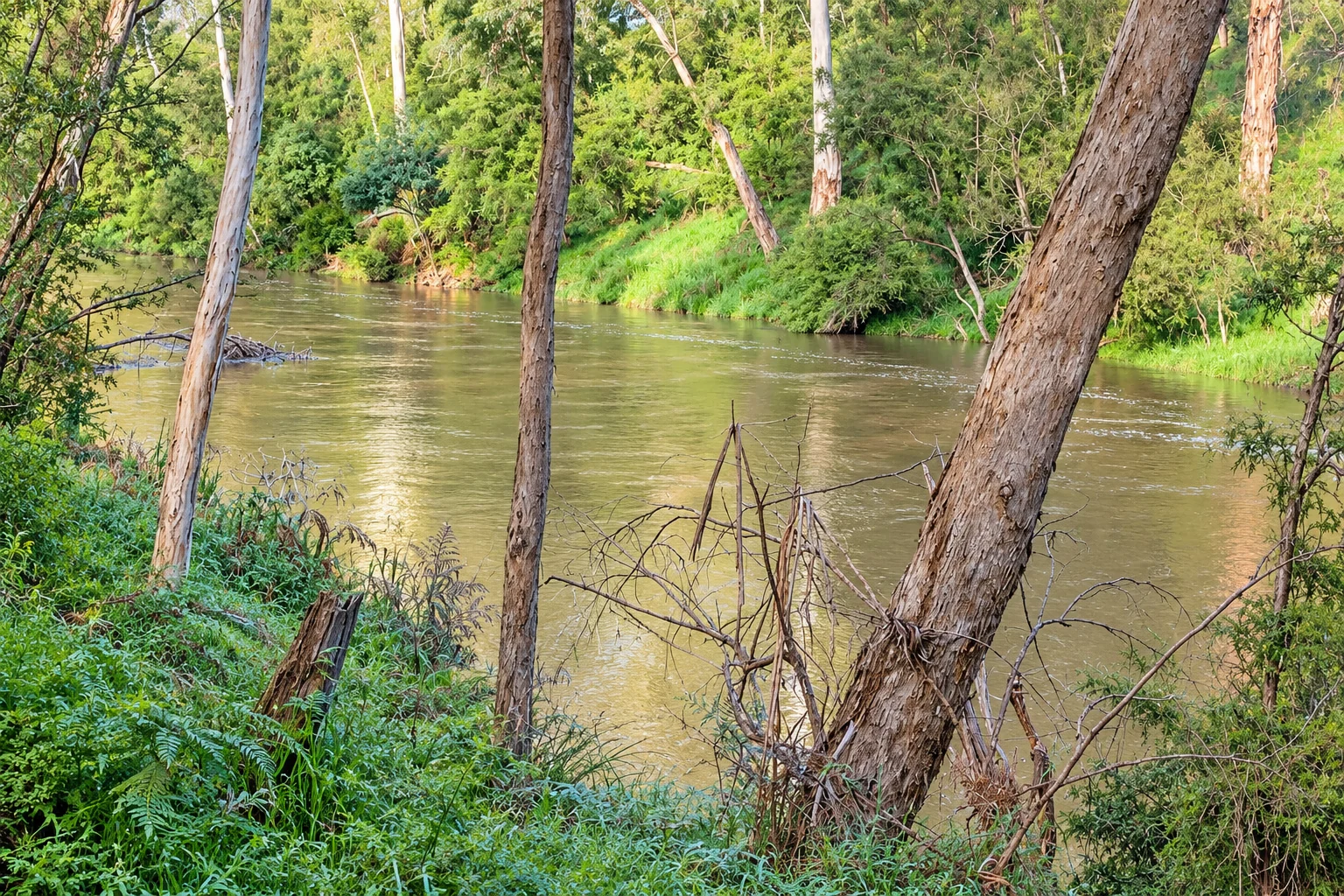
Parks Victoria’s public description identifies Birrarung as the name by which the Yarra River is known to the Wurundjeri people, and gives no English gloss. Use that name and attribution without importing a gloss from another context.