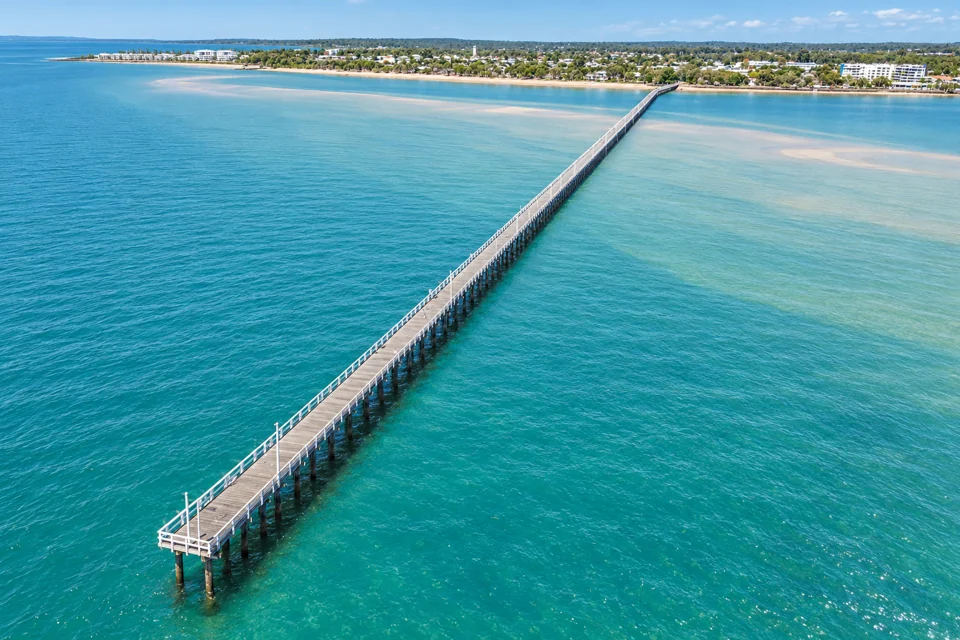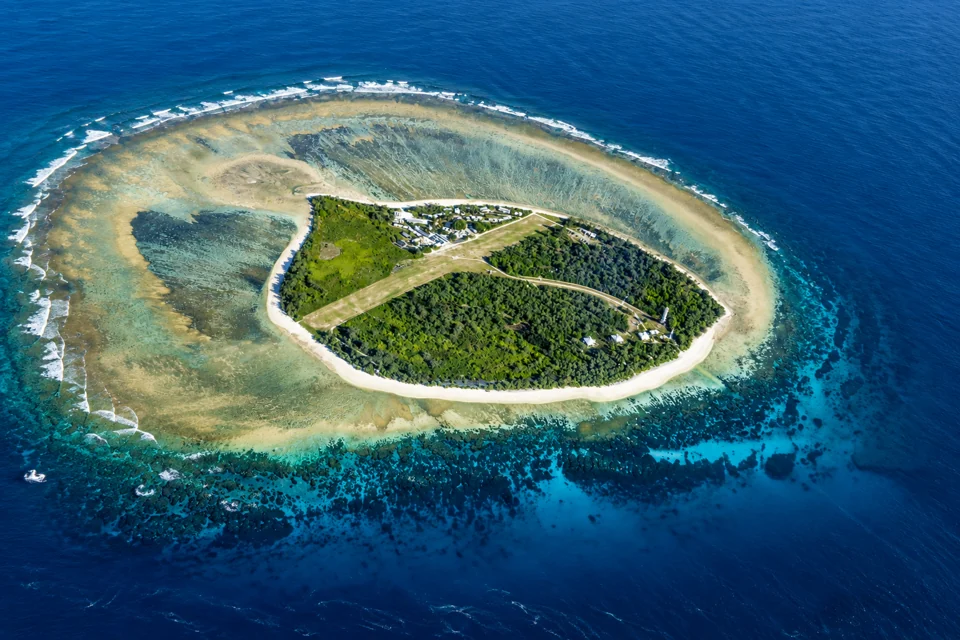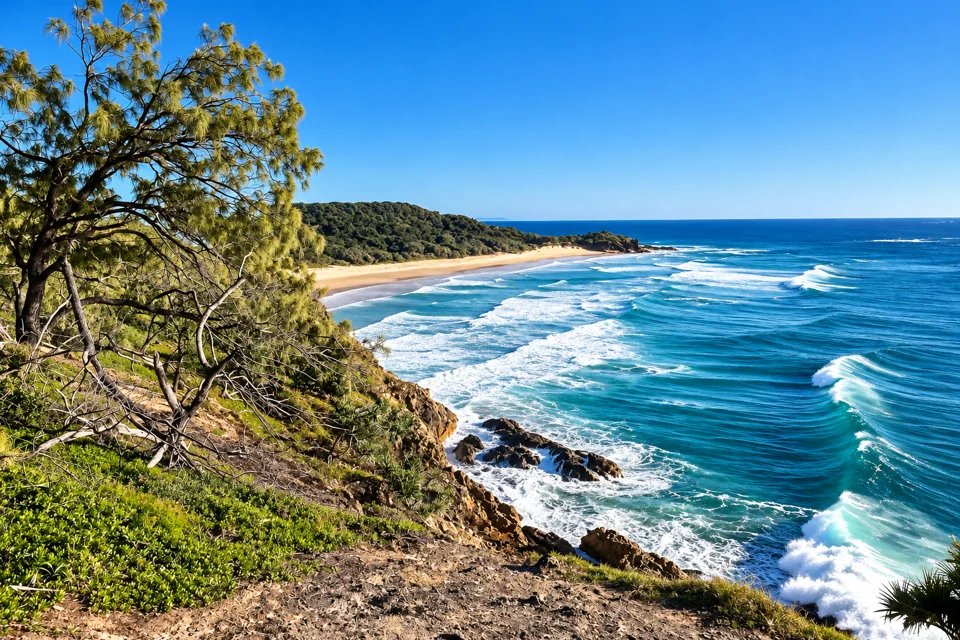
North Stradbroke Island, also known as Minjerribah, is a large sand island in Moreton Bay, just off Brisbane’s eastern edge. SeaLink ferries run from Cleveland (Toondah Harbour) to Dunwich. Walkers head to the headland tracks and whale watching at Point Lookout. Families go to the patrolled, calm beaches, and drivers can take a 4WD along Flinders Beach and Main Beach.
The rules decide most trip plans. Vehicle ferries must be booked ahead, and any vehicle driving in the island’s recreation area needs a permit bought beforehand. Camping is permitted only in designated grounds and beach camps. A day trip suits visitors who walk or use the island bus. A night or longer suits anyone who wants beaches, tracks and whales without watching the ferry clock.
Ferry from Cleveland to Dunwich
SeaLink runs both the vehicle and passenger ferries. The Cleveland terminal is at 12 Emmett Drive, and arrivals and departures on the island use Junner Street at Dunwich. SeaLink’s timetable page asks you to arrive at least 30 minutes before departure for both vehicle and passenger services. The vehicle crossing takes about 45 to 50 minutes, and the passenger ferry takes about 25 minutes and connects to the island bus at Dunwich.
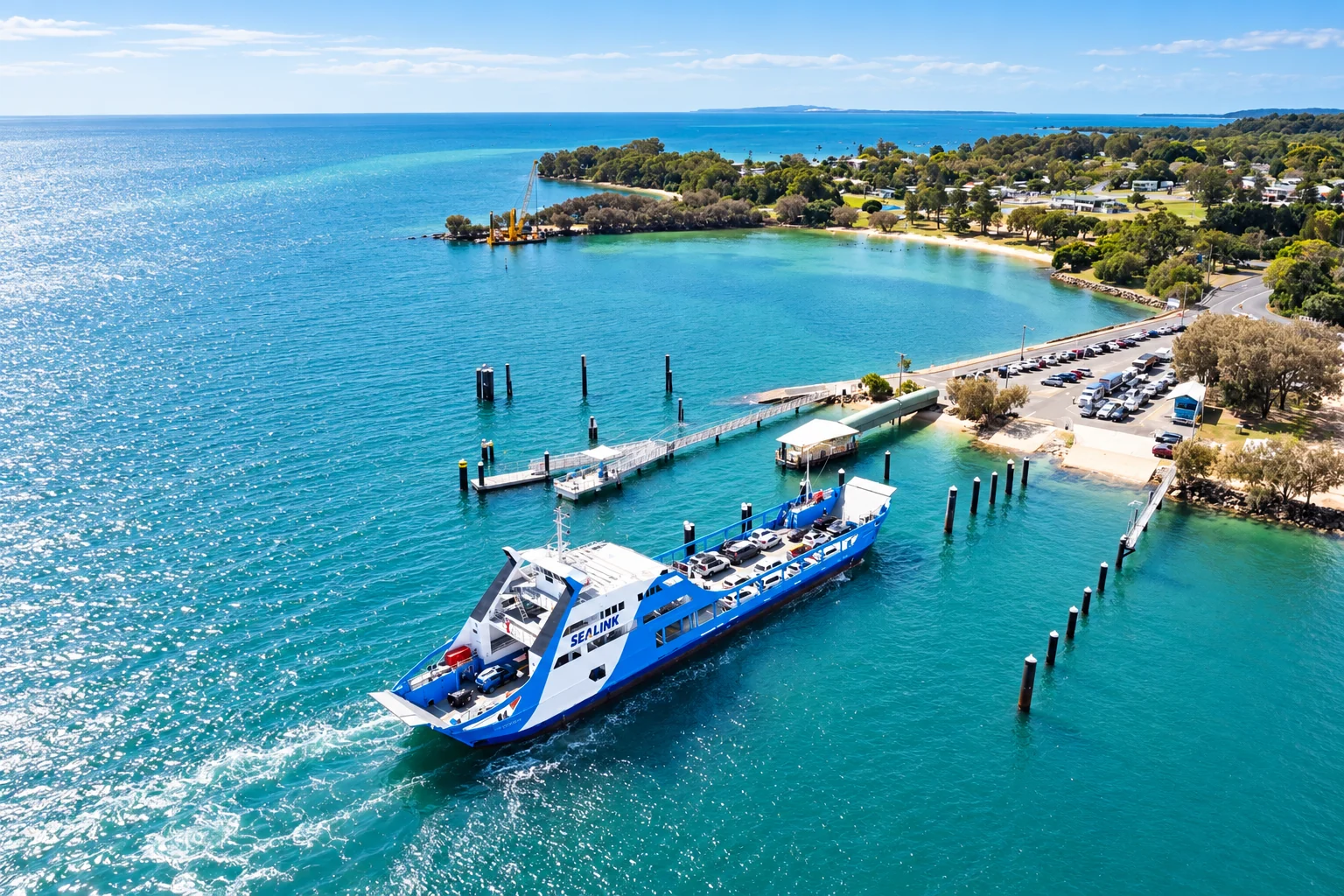
The base vehicle timetable has Cleveland departures at 6:00am, 7:00am, 8:00am, 9:30am, 10:30am, 12:00pm, 1:00pm, 2:00pm, 3:30pm and 4:30pm. SeaLink regularly adds extra services, so the booking page for your date is the final word. Passenger ferries leave Cleveland from 4:45am to 8:45pm, and the last two departures (8:15pm and 8:45pm) run only on Fridays, Saturdays and Sundays. That matters if you plan a Monday to Thursday dinner on the island, because the last passenger boat leaves earlier on those days.
The Cleveland terminal is open Monday to Thursday from 5:30am to 5:00pm, Friday from 5:30am to 6:00pm, and Saturday and Sunday from 6:00am to 3:00pm. Vehicle ferries have air-conditioned lounges and licensed cafés, with alcohol served after 10.00am. The Yalingbila passenger ferry is wheelchair accessible. Among the vehicle ferries, Minjerribah has a lift, while Sea Breeze and Quandamooka do not, so check the vessel if lift access matters to you.
Parking near Toondah Harbour gets tight on weekends, in peak periods and during school holidays. Some spaces have time limits or are shared with boat trailers, so allow extra time or leave the car at home and travel as a passenger. A separate passenger-only operator, Stradbroke Flyer, runs from Toondah Harbour to One Mile Jetty at Dunwich, and its current timetable and fares are best checked with the operator directly.
Ferry fares and booking
Vehicle fares are one way and valid from 1 April 2026, as listed on SeaLink’s fares page:
- A standard car costs from $79 and a larger car from $90.50.
- A motorbike is $42.50 and a kayak or canoe is $20.
- Bicycles and mobility scooters travel free with a passenger ticket.
- Extra passengers in a vehicle pay from $3 (child) or $6 (adult), while the driver and children aged 0 to 4 travel free.
Fares vary by date, time and direction until you book and pay.
Passenger fares from 1 July 2026 are $13.50 for an adult one way, $8.75 for a child aged 5 to 14, $11.50 for a student and $6.75 for a concession holder. An adult return is $23.00, and children aged 0 to 4 travel free. Students and concession holders must show a valid Australian student or concession card when travelling. Frequent visitors can buy 10 adult returns for $140.00 or 30 adult returns for $365.00, which works out to $6 per trip.
Vehicle booking is essential and can be done online or by phone. Passenger tickets must be bought online or at the ticket office before boarding, because crew no longer sell them on board. They stay valid for 365 days from purchase and are not tied to a departure time. The Go SeaLink Ferries app handles bookings and live timetables. If you are collecting a rental car and do not yet have its details, book using "Rental" as the make and "RENTAL" as the registration, then contact SeaLink after pickup.
Flying in via Brisbane
Visitors by air land at Brisbane Airport (BNE) and continue to the Cleveland terminal by road. A taxi takes about 35 to 55 minutes. The Bay Air Shuttle runs seven days a week and must be booked ahead, and SeaLink’s timetable page describes the transfer. Build the transfer time and the 30-minute check-in rule into your plan, and book a ferry departure that leaves a margin after your flight lands.
Vehicle permits
Any vehicle driving in the Minjerribah recreation area needs a vehicle access permit bought before you enter. Queensland Parks and Wildlife Service requires that vehicles be registered and hold a valid permit, display it while driving, and produce it for inspection by an authorised officer. A digital copy on a phone or tablet is acceptable.
Permits cannot be transferred. The driver of the registered vehicle buys the permit in their own name, and a hire vehicle needs a permit in the renter’s name with the hire vehicle’s registration. According to the Australian Business Licence and Information Service, permit durations are one calendar day, one week, one month or one year.
Permits for Minjerribah are sold by Minjerribah Camping, which runs separately from the general Queensland National Parks booking service, and changes go through the same office. You can buy online or at its offices in Dunwich, Amity Point, Adder Rock or Cylinder Beach. Figures from October 2025 put a one-month permit at about $58 to $60 and a year at about $173 to $179. Confirm the current price, including shorter permits, with Minjerribah Camping before you book. Refund requests must be lodged within 28 days of the permit end date.
Residents, landholders, visiting close relatives of residents, educational groups and workers travelling through the area may qualify for an exemption, which you apply for online or by calling QPWS on (07) 3059 4042. QPWS aims to review exemption applications within 20 business days. Emergency vehicles, government vehicles on official business and vehicles under a commercial activity permit do not need a permit.
Enforcement is routine. Number plates of vehicles entering and leaving recreation areas are recorded and matched against the booking service, and a vehicle without a valid permit receives a $500 Penalty Infringement Notice. That amount rises each financial year from 1 July. A permit is required even for a single day on the beach in a vehicle.
Beach driving rules
Only 4WD vehicles may drive on the beach, and only on Flinders Beach and Main Beach at designated access points, according to Stradbroke Island Tourism. Drivers follow the public road rules and travel at low tide. They stay on harder sand and avoid driving or parking in water or dunes.
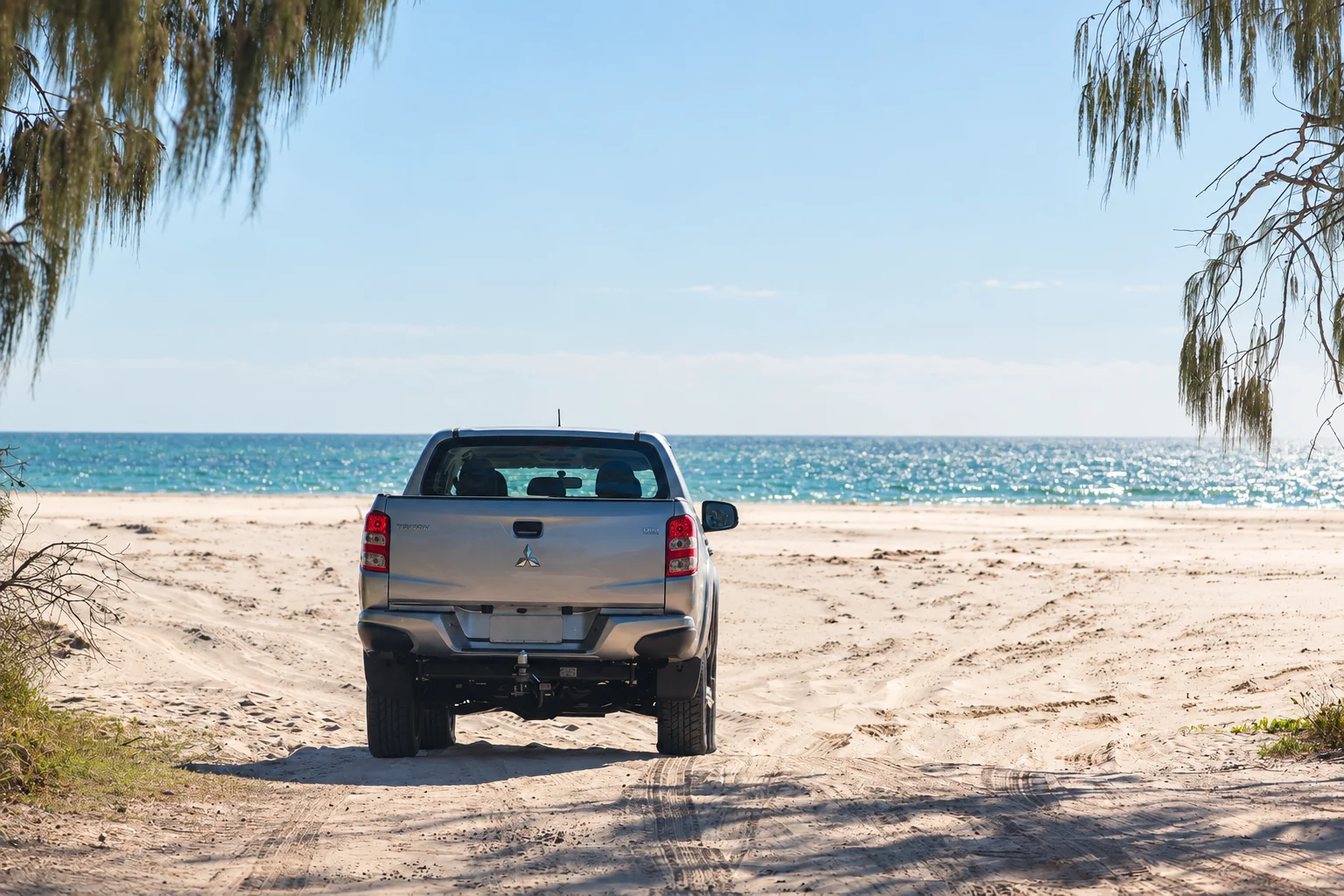
Beach driving is not permitted around high tide. As at 29 October 2026, Minjerribah Camping’s beach conditions report prohibits driving for two hours either side of high tide on both Flinders Beach and Main Beach. Treat that as the minimum, look up the day’s tide times before you leave the access point, and confirm the current window with Minjerribah Camping. Plan beach legs for the middle of the falling or rising tide, not the edges of the window.
On soft sand, 4WD guides recommend lowering tyre pressure, so carry a tyre gauge and a 12V compressor to reinflate afterwards. Recovery boards, a snatch strap, shackles and a shovel complete a sensible kit. A 4WD guide lists 60 km/h on Main Beach and 40 km/h on Flinders Beach, so check posted limits on arrival. Tracks at Amity Point often close because of erosion, so do not count on them.
Beaches for families
Cylinder Beach at Point Lookout is patrolled every day of the year and suits children. Amity Point has calm Moreton Bay water that suits young swimmers, though Amity Beach is not patrolled, so adults need to supervise closely. Flinders Beach is 8 km long and unsuitable for surfing, which makes it a place for camping and walking rather than a swim. Whichever beach you choose, the Recreation Areas Management regulations apply, and rangers patrol the beaches and beach camping areas.
Walks at Point Lookout
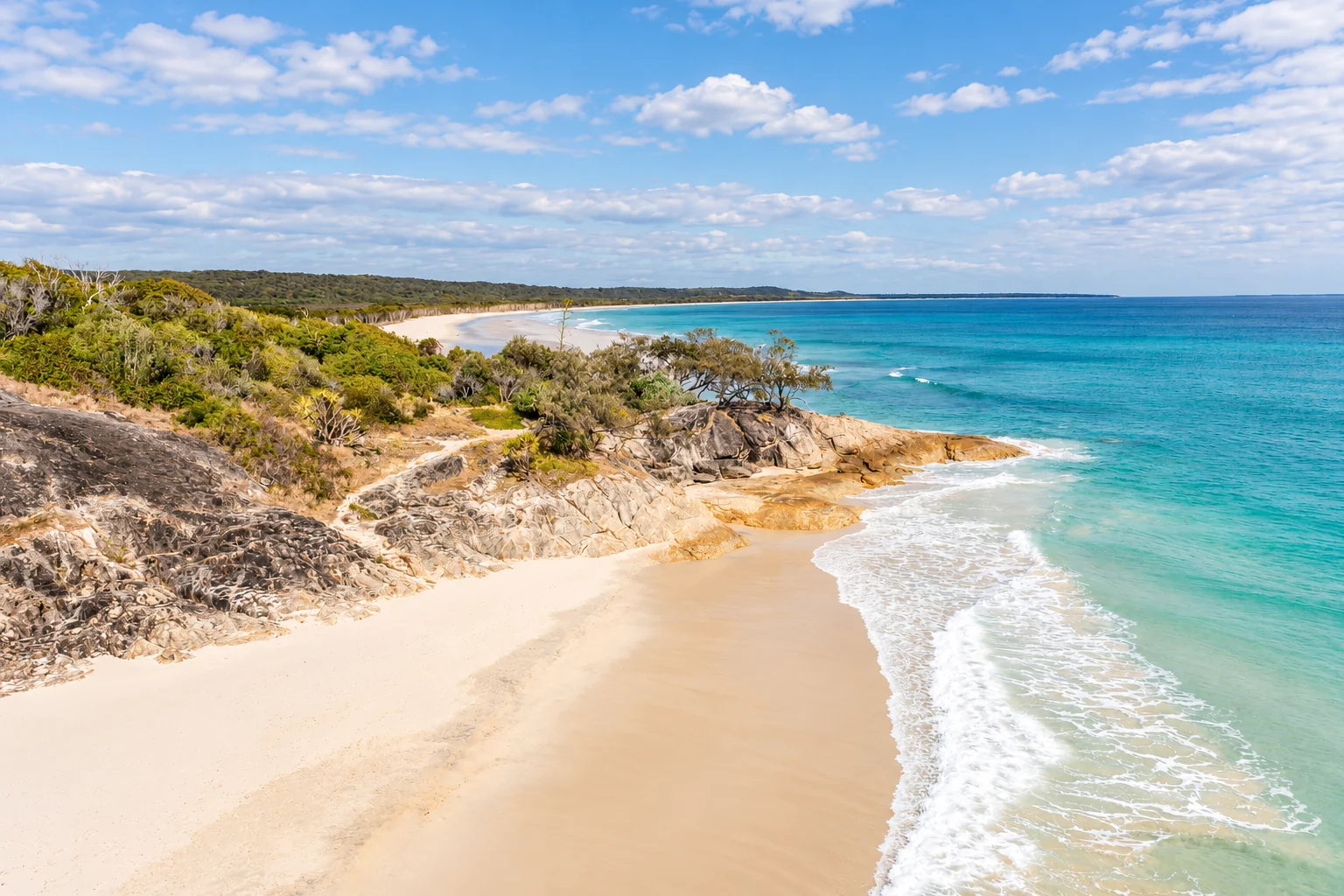
Point Lookout sits about 35 metres above sea level and has uninterrupted ocean views. Two short walks start here, and both suit a day trip.
The Whale Track is 1.3 km and takes about 20 to 25 minutes. It starts at the corner of Snapper Street and Mooloomba Road, follows the headland above Frenchman’s Beach and continues toward the Deadmans Beach Picnic Area. The North Gorge Walk is a 1.4 km loop along the cliffs starting at Headland Park, with boardwalks, seating and several lookouts. A blowhole along the Gorge can sound like a whale spout "when the conditions are right," according to SeaLink’s whale watching page, so listen before you assume a whale is close.

Whale watching season
Humpback whales pass close to the coast on migration, and SeaLink places the main window at May to October. Whale guides extend it to November, and September and October are named as the busiest months for sightings. Mothers and calves tend to stay closer to shore on the southward return journey, which can make sightings more frequent late in the season.

Point Lookout is the main vantage point, and the Whale Track and North Gorge Walk are the best places to stand. Go in the morning when the sea is calm, bring binoculars, and give yourself more than one lookout stop, because whales surface at intervals.
Turtles, dolphins and koalas
The Gorge Walk offers chances to see sea turtles, manta rays and dolphins. Koalas and kangaroos turn up along the North Gorge Walk throughout the year. A travel guide places turtle nesting in spring and the most active dolphin and migratory bird period from September to November. In camping areas, look at native animals but do not touch or feed them.
Day trip or overnight
One Brisbane travel guide says the island can be done in a day, but a stay of one night or more is better. The day-trip version works like this: take the passenger ferry, catch the island bus from Dunwich, walk the Point Lookout tracks and spend time at a beach. It needs no vehicle permit and avoids Toondah Harbour parking if you arrive by train or rideshare.
An overnight stay buys flexibility. You can watch whales in the morning, avoid the tide window on the beach and take a later ferry on Fridays, Saturdays and Sundays. For anyone driving a 4WD onto the beaches, a single day is short once ferry check-in, tide times and permit buying are counted.
Where to stay
Point Lookout is the island’s tourist hub, close to the Whale Track, North Gorge Walk and Cylinder Beach, and the best base for walkers and whale watchers. Dunwich is where the ferries arrive and is the practical stop for a short stay, with a Minjerribah Camping office for permits. Amity Point suits families because of its calm water.

For camping, Minjerribah Camping lists camping grounds at Adams Beach, Bradbury’s Beach, Amity Point, Adder Rock, Home Beach and Cylinder Beach, plus designated beach camping at Flinders Beach and Main Beach. Camping is not permitted anywhere else on the island. A 4WD permit is needed to drive on the beaches or to camp in any camping ground, and bookings go through Minjerribah Camping.
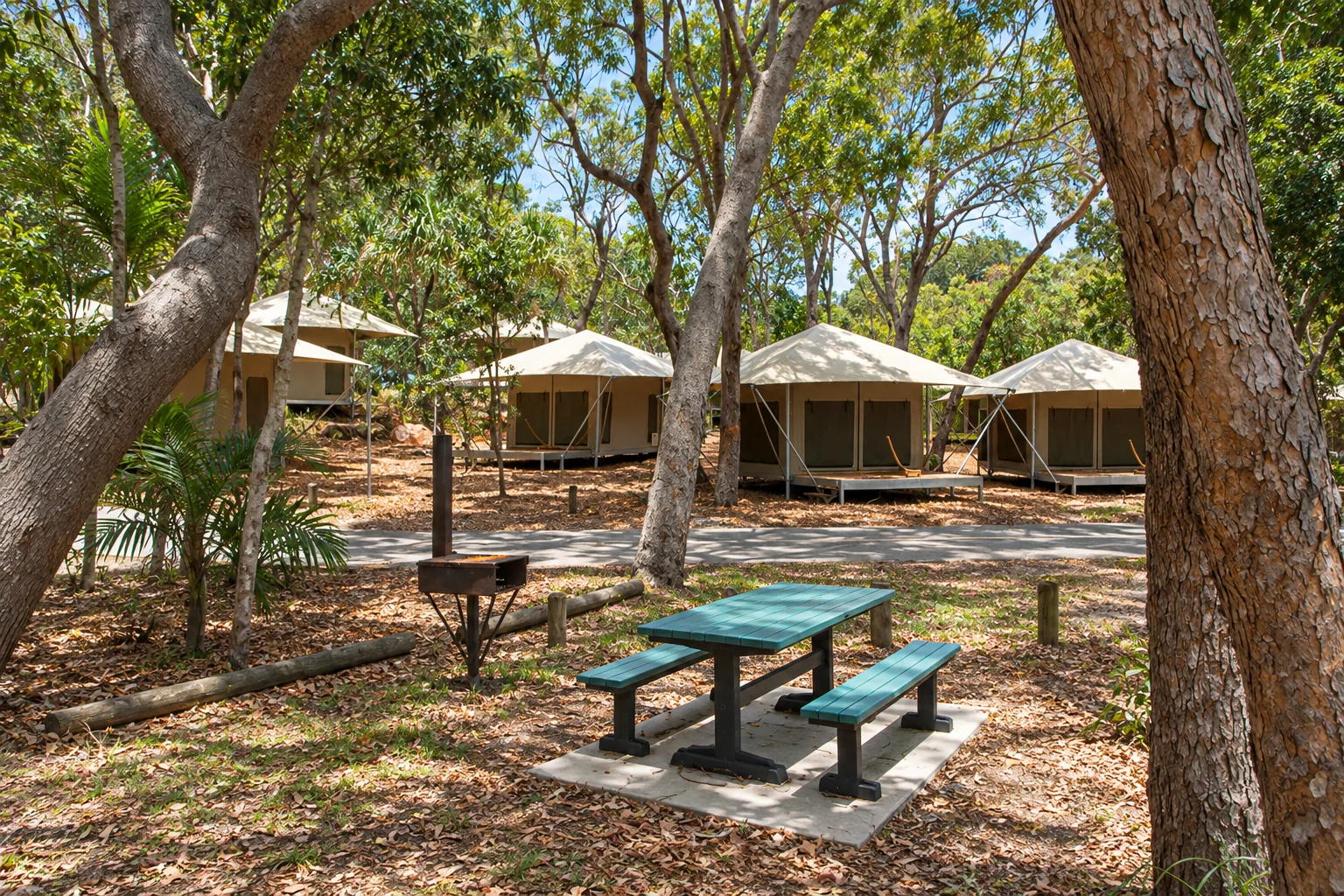
Flinders Beach campsites are in the dunes and reached only by 4WD, and walking in is not recommended because the access roads are long. Main Beach is also a 4WD-only beach camp. Adder Rock offers a shower pass for its shower and toilet facilities, which campers at the beachside Flinders camp can use. Guide prices for Flinders Beach start from about $22 per night for an unpowered site, and Amity Point and Adder Rock start from about $49. Confirm current prices with Minjerribah Camping.
Pets are not allowed in the formal camping grounds. Dogs are allowed at the Flinders Beach and Main Beach camping areas, must be on a lead at all times and are limited to two per campsite.
Best time to visit
Winter and spring suit whale watching, with September and October the busiest months for sightings. Winter days run about 15 to 20°C, so pack warm layers for the headland. Summer is the busiest season, with temperatures around 25 to 30°C and occasional storms, so book ferries and accommodation early. One travel guide gives January as the hottest month at around 30°C, February as the wettest, July as the driest and coldest, and November as the sunniest.
Autumn brings mild weather and fewer crowds. Weekends and school holidays are busy in every season, so book vehicle ferries ahead and expect limited parking at Toondah Harbour. Before driving, check Queensland Parks and Wildlife Service alerts for access and closures, along with Bureau of Meteorology forecasts, bushfire warnings and fire bans.
Key Takeaways
- Book the vehicle ferry and permit first: SeaLink vehicle space is limited, and a permit must be bought before you drive in the recreation area. Driving without one costs $500.
- Check tides before driving on the beach: Only 4WD vehicles may use Flinders Beach and Main Beach, and driving stops around high tide. Allow at least two hours either side of high tide and confirm the current conditions with Minjerribah Camping.
- Camp only in designated grounds: Camping is limited to the named camping grounds and the Flinders Beach and Main Beach camping areas, booked through Minjerribah Camping.
- Plan whale watching for winter and spring: Point Lookout’s Whale Track and North Gorge Walk work best from May to November, with September and October busiest.
- Choose a night over a day for a fuller trip: A day trip by passenger ferry and island bus covers Point Lookout, but an overnight stay leaves room for tides, walks and whales.