Visitors planning a Canberra break can use this guide to choose areas to stay in, group nearby attractions, time a visit and travel between the city and regional day trips.
Plan your Canberra itinerary
Use Lake Burley Griffin as your central reference point, then plan each day around nearby districts or a regional outing. Canberra’s visitor areas are spread across the city, so check event dates and weather before booking and choose transport that suits the distances you plan to cover.
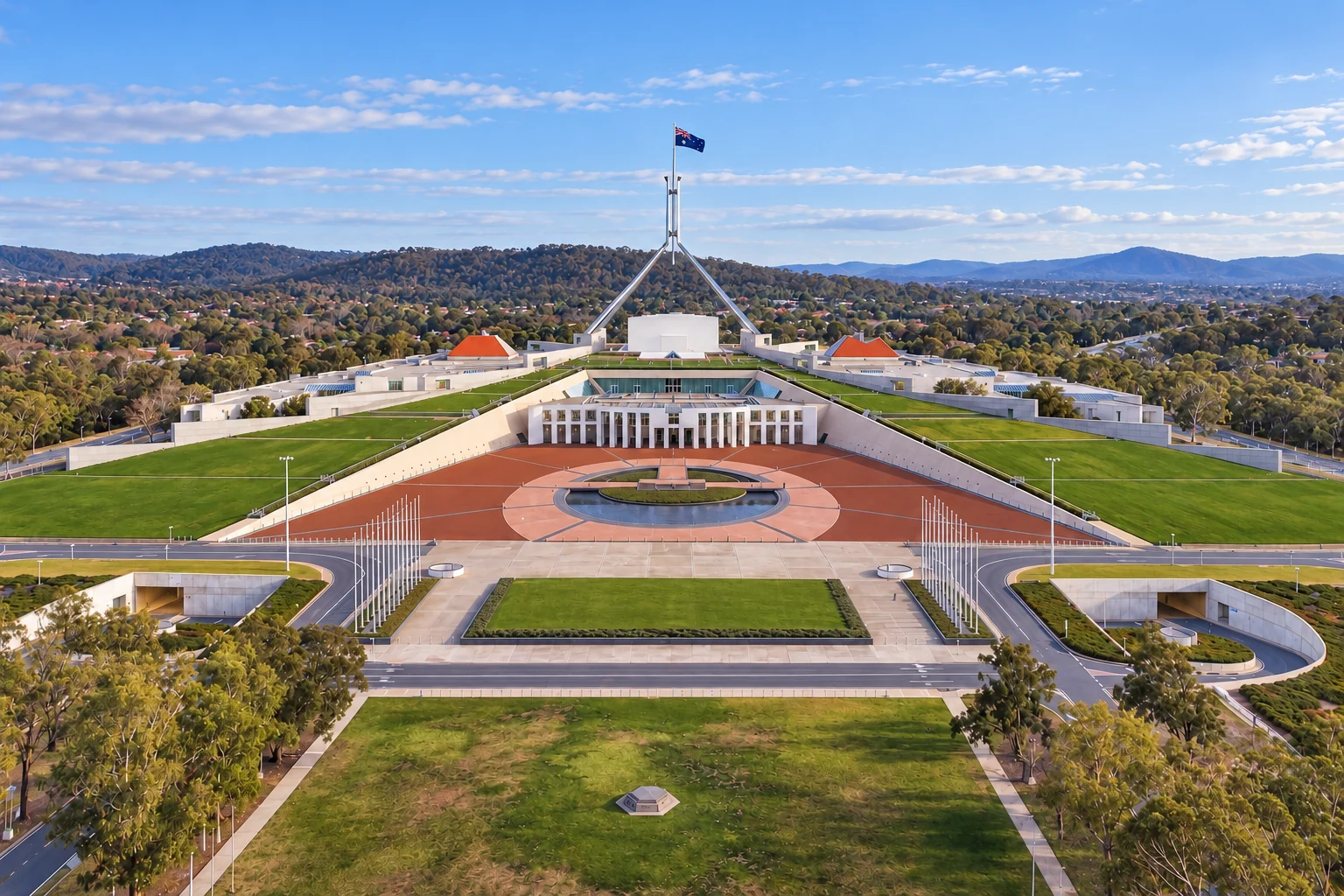
The lake sits between Canberra’s national institutions and civic precincts. South of the lake, the National Triangle includes Parliament House, the National Gallery of Australia and the High Court of Australia. Transport Canberra’s visitor maps show how the Inner North, Inner South and National Triangle connect with Belconnen, Gungahlin, Woden, Weston Creek, Molonglo and Tuggeranong. Group stops in the same area rather than crossing the city several times in one day.
Tidbinbilla Nature Reserve, about an hour’s drive south-west of the city, suits a half-day or full-day outing. For a longer day, Namadgi National Park offers bushwalking and mountain scenery. Check park access information before leaving, especially after poor weather or during fire season.

Gundaroo, about 30 minutes north, suits a short country-town visit or winery stop. Yass Valley, roughly 45 minutes away, has cellar doors, food and rural towns. Braidwood, about an hour east, suits a longer town visit. The NSW South Coast and Snowy Mountains are 2.5 to 3 hours from Canberra, so allow a full day with an early start or stay overnight. Allow extra time for traffic, road conditions and weather.
Lake Burley Griffin and museums
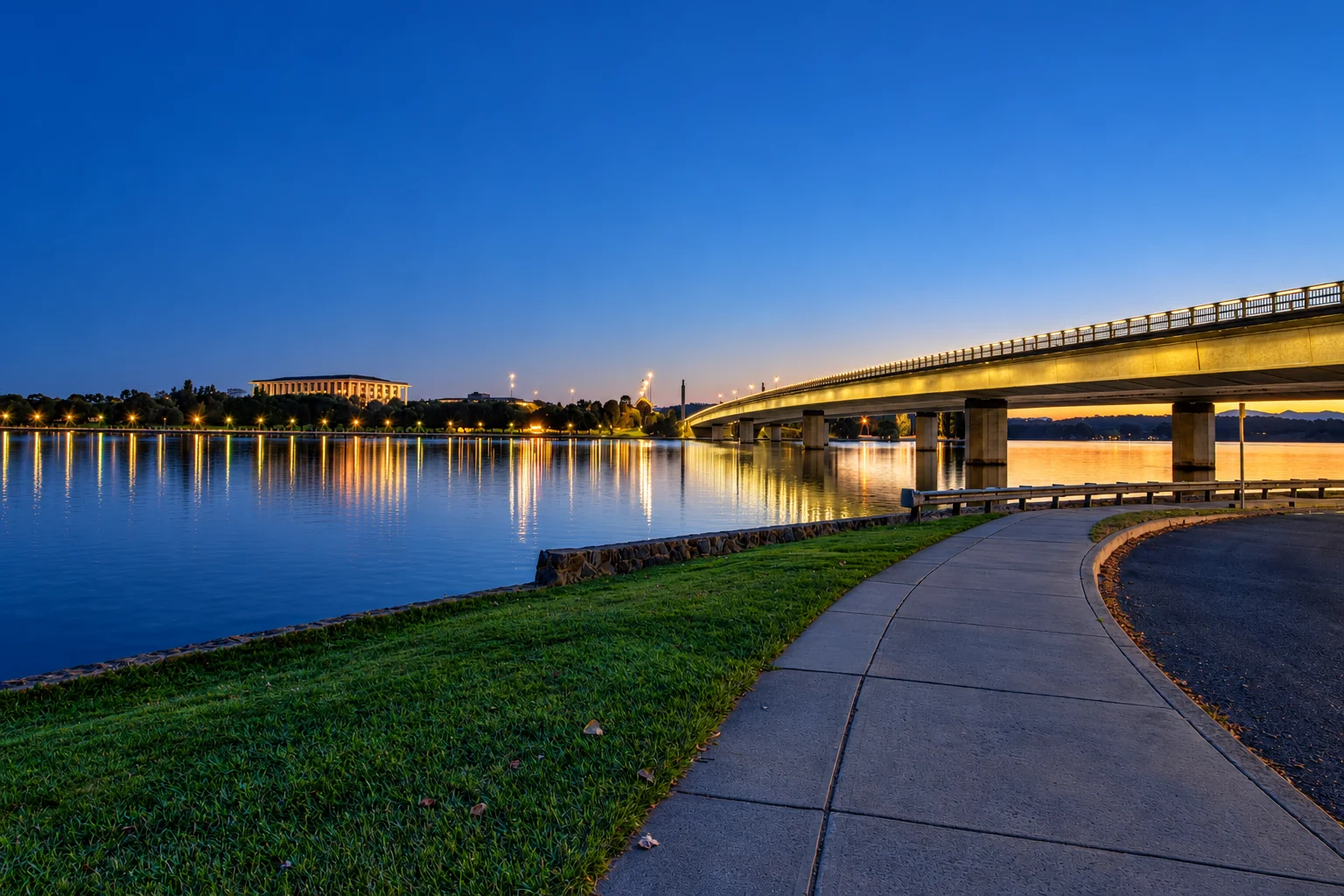
Lake Burley Griffin connects many of Canberra’s central landmarks. The bridge-to-bridge walk is roughly 5 km and offers views towards the Australian War Memorial and Parliament House. Paved lakeside paths also suit cycling, whether for a full circuit or a short ride between attractions. VisitCanberra has route ideas and local activity details.
Set aside time for the National Gallery of Australia, National Museum of Australia, National Library of Australia and Parliament House. Questacon has hands-on science exhibits, while the National Zoo and Aquarium provides a wildlife-focused outing. The Royal Australian Mint and the National Bonsai & Penjing Collection offer free entry. Check each venue’s official visitor information before travelling because opening hours, bookings and admission conditions vary.
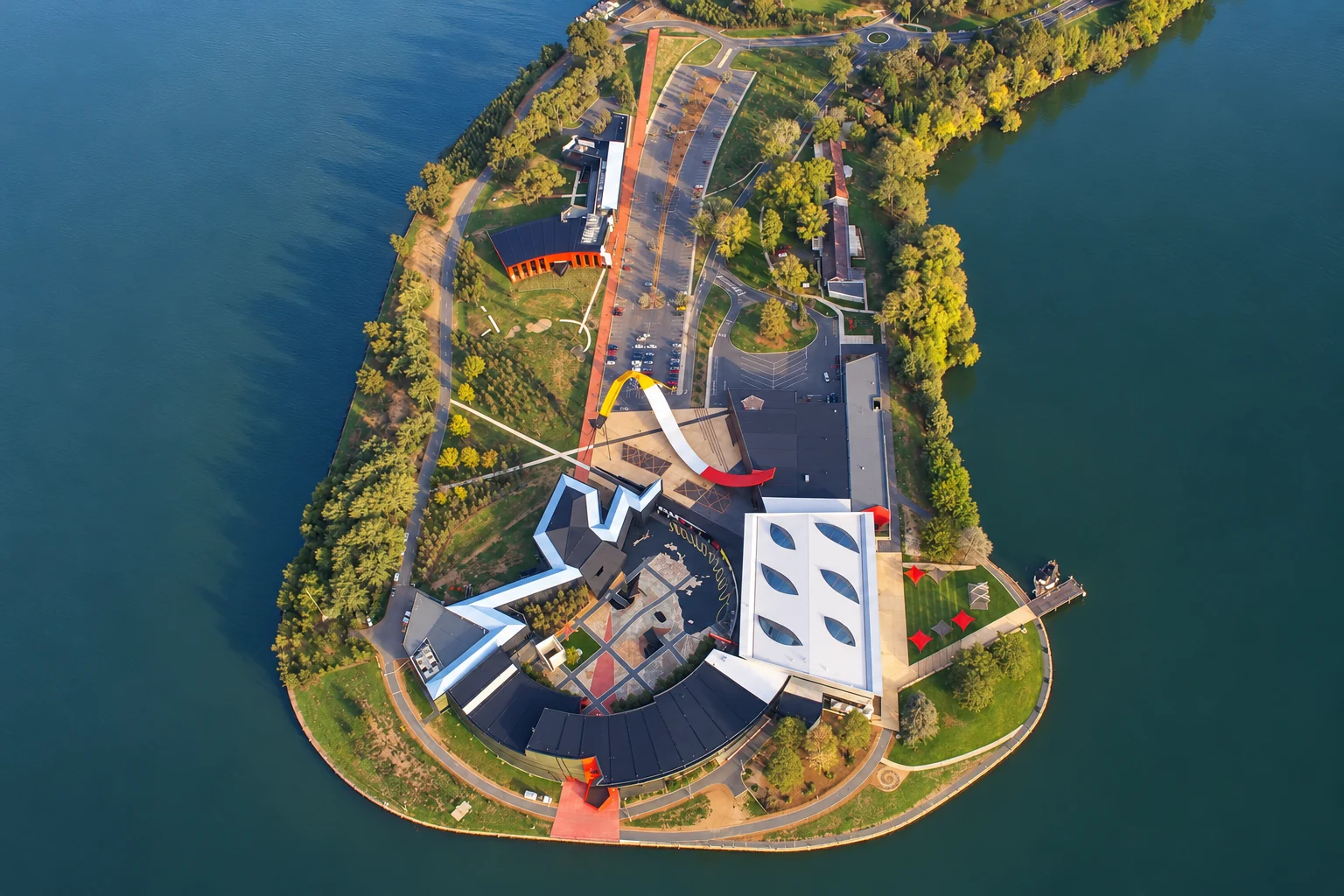
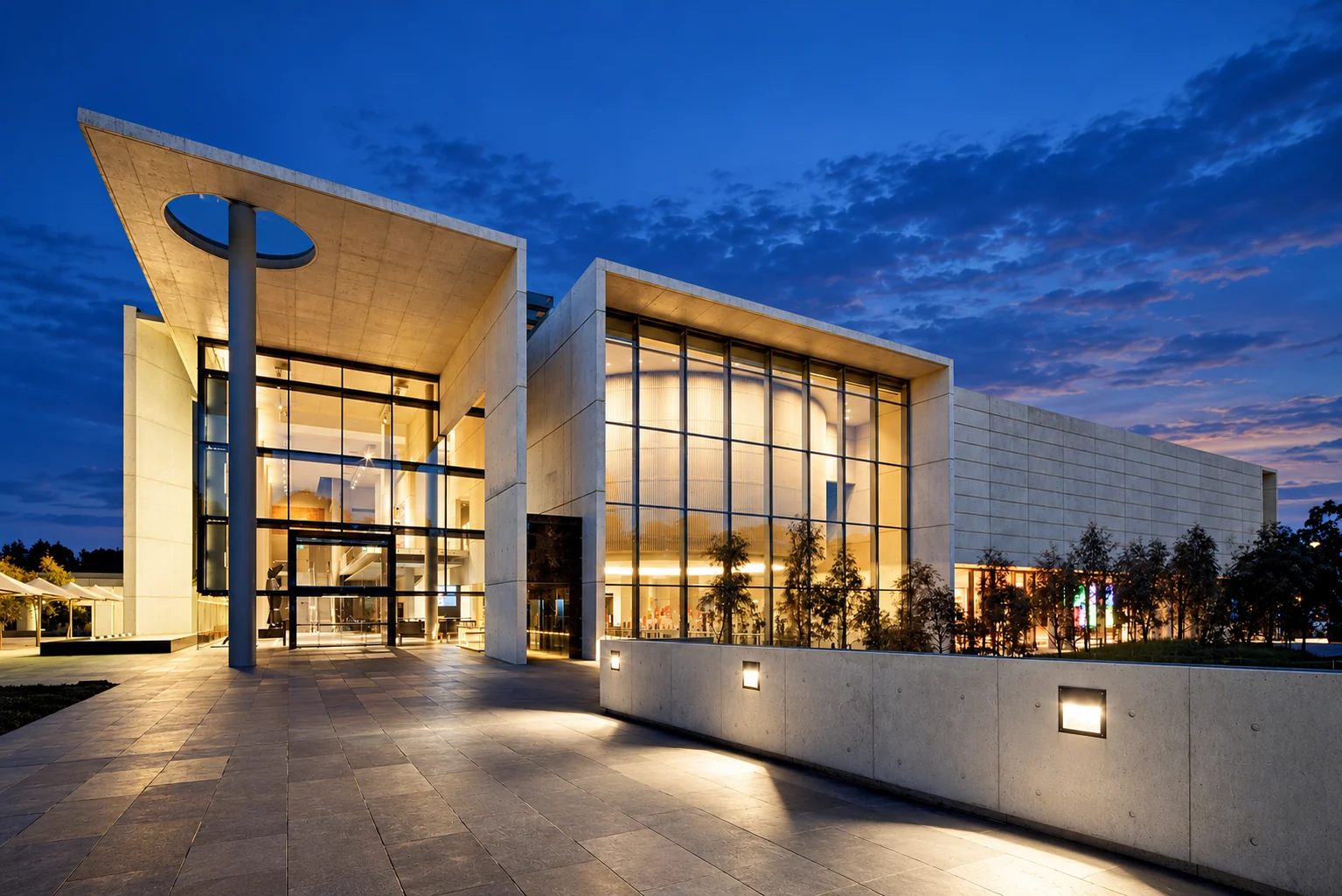
The Australian War Memorial offers free entry and current visitor information. Its galleries are generally open daily from 10 am to 5 pm, and the Last Post Ceremony begins at 4.30 pm. Redevelopment work continues, and some spaces are temporarily closed. Free parking and a cloakroom are available. Leave bags larger than 40 × 30 × 30 cm in the cloakroom.
Find food and shops in Braddon, near the city centre (also called Civic), or in Dickson, known for its Asian eateries. Light rail serves both districts, though your destination may require a short walk from the stop.

Best time to visit Canberra
Canberra has warm, dry summers and cool winters. Spring and autumn bring milder daytime temperatures. Long-term seasonal averages range from 12.6–27°C in summer, 6.8–20°C in autumn, 1–12°C in winter and 6–19°C in spring. Winter nights sometimes fall below 0°C. These figures describe typical conditions, so check the forecast close to departure.
Spring suits visitors planning to see Floriade. Enlighten and the Canberra Balloon Spectacular are generally held in late summer or autumn, while winter brings truffle experiences across the region. Dates, programs and ticket availability change each year, so check VisitCanberra’s current event listings before booking travel around a particular event.
Strong sun exposure is common in every season. Check the UV index and use SPF30+ sunscreen. Wear sun-protective clothing, including a hat and sunglasses. Recent weather affects roads and walking tracks in Namadgi National Park. Check current park access information before travelling.
Getting around Canberra
Rapid Bus 3 links Canberra Airport with City Interchange, then continues to Belconnen Interchange, Cohen Street Interchange and Spence Terminus. The published timetable schedules services every 30 minutes on weekdays and hourly on weekends. Check the current timetable before travelling.
Transport Canberra runs local buses and light rail. Light rail connects the city with Dickson, Mitchell and Gungahlin, making it useful for destinations along Canberra’s northern corridor. Rapid buses connect major centres, including Belconnen and Woden, while local buses serve suburban areas. Use the live journey planner for current routes and departure times.
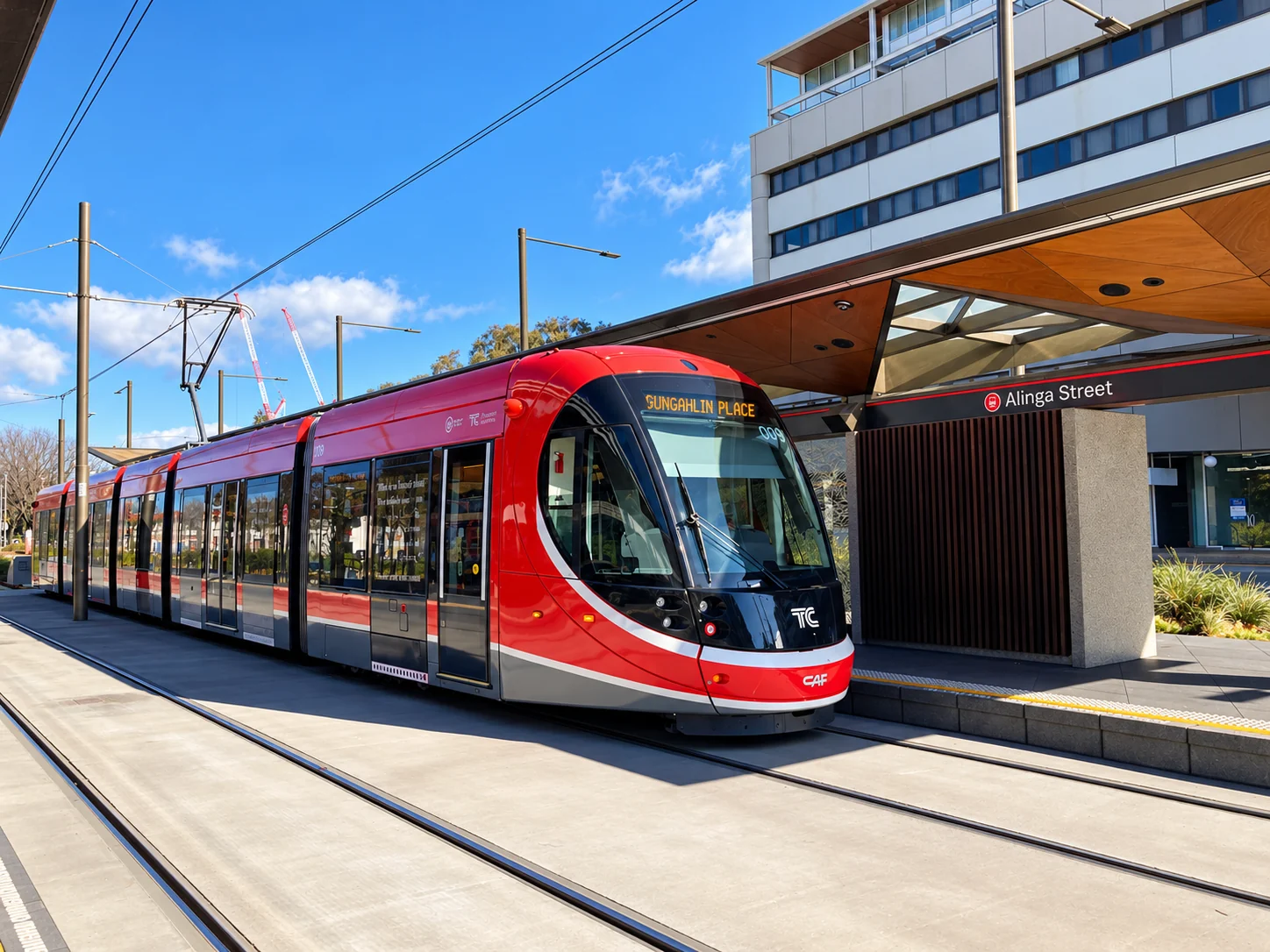
Pay for buses and light rail with a contactless Mastercard or Visa, a MyWay+ card or pass, or a paper ticket from a vending machine. On light rail, tap on at a platform validator before boarding and tap off when the trip ends, as set out by Transport Canberra.
Walking suits central areas such as Civic and Braddon, while cycling works well around Lake Burley Griffin and the Parliamentary Triangle. Taxis provide direct trips between attractions. Hire a car for regional day trips, days with several stops, or visits to places beyond the main bus and light rail network. Paid parking applies at many sites in the city and National Triangle, so check current parking fees and signs before leaving your car.