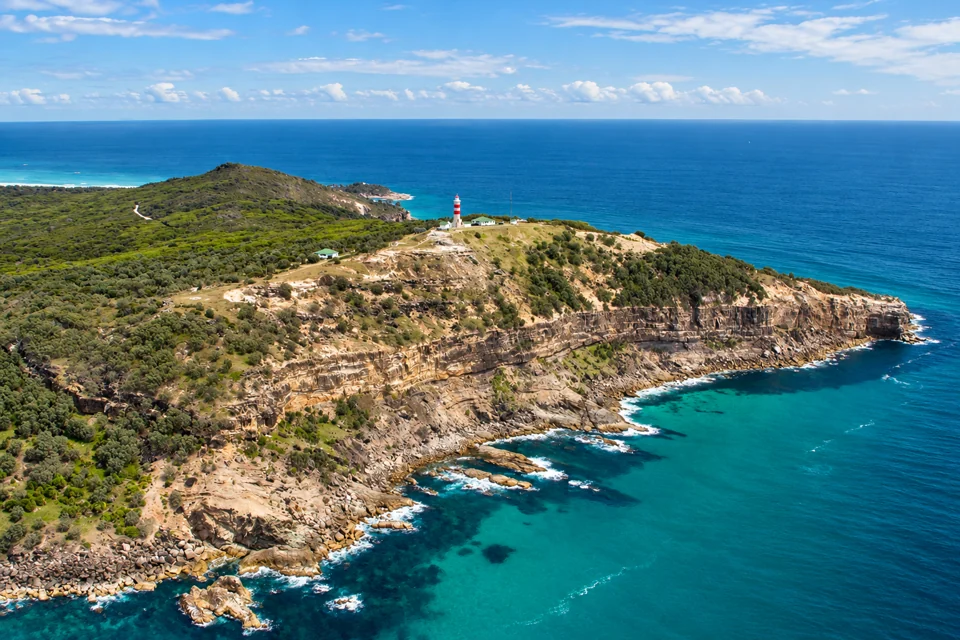
Moreton Island sits across Moreton Bay from Brisbane. It is almost entirely sand, with no sealed roads and no bridge. Visitors reach it by passenger ferry to Tangalooma Island Resort, by vehicle ferry with a 4WD, or on a guided tour. The right choice depends on whether you want a day at the beach, a resort stay or a self-drive camping trip, because each option sets your costs, permits and the gear you need.
The national park is Gheebulum Kunungai (Moreton Island) National Park, and the island’s traditional name is Mulgumpin. The Quandamooka People, the traditional owners, manage the island jointly with the Queensland Parks and Wildlife Service (QPWS). Aboriginal cultural heritage is protected, so leave any heritage find in place and report it to the Quandamooka Yoolooburrabee Aboriginal Corporation (QYAC).
Getting There by Passenger Ferry
The simplest crossing is the passenger-only catamaran run by Tangalooma Island Resort. It leaves from Holt Street Wharf, 220 Holt St, Pinkenba, and takes 75 minutes to reach Tangalooma Jetty. The resort’s timetable shows four services each way daily. Approximate Brisbane departures are 7:30am, 10:00am, 12:30pm and 5:30pm. Approximate Tangalooma departures are 9:30am, 2:30pm and 4:00pm, plus a late boat that leaves after the nightly dolphin feeding.
The late boat leaves at about 7:00–8:00pm from 1 April to 14 November, and at about 7:30–8:30pm from 15 November to 31 March. The resort lists launch times as subject to change, so confirm them when you book. The service is for resort guests, day cruise passengers and ferry ticket holders, and you can book on 1300 652 250.
Return fares from Holt Street Wharf are $104 for an adult and $60 for a child aged 3–14. Infants aged 0–2 travel free. These fares include a $10 fuel surcharge applying from 1 June 2026.
Holt Street Wharf is about a 15-minute taxi ride from Brisbane Airport, according to a ferry guide. The same guide lists secure parking at about $15 per day. Another operator guide advises arriving 15–20 minutes before departure.
Getting There with a Vehicle
The island’s only vehicle ferry is MICAT. The Brisbane City Council says it leaves from the Port of Brisbane on a demand-based timetable, while passenger services use Holt Street Wharf. QPWS says vehicle and passenger ferries and barges run daily, with extra services in school holidays and on long weekends, and that bookings are essential. Book early for those peak periods.

Crossing time is about 75–90 minutes according to a 2026 ferry guide, and the vehicle landing is at The Wrecks on the island’s western side, as described in a Moreton Island ferry guide. That guide gives indicative fares of about $60–90 for a passenger return and about $80–120 for a 4WD with driver, return. These are planning figures, and the guide says fares move with season and booking lead time. The vehicle ferry also takes walk-on campers who have no 4WD, as a second ferry guide notes, though you then have no way to reach the island’s remote campgrounds.
Day Trips and Tours
A day trip is the easiest way to see the island without a 4WD or permits. The tour operators tend to bundle the ferry, lunch and one or two activities.
Tangalooma’s own day cruises, as listed on Queensland.com, depart from Pinkenba and include:
- Beach Day Cruise: $99 with a lunch voucher, departing at 7:30am or 10am.
- Classic Day Cruise: $155–169.
- Desert Safari Day Cruise: $155–399.
- Premium Dolphin Feeding Day Cruise: $229–243.
- Sunset Cocktails: $209–223.
- Whale watching: $155–399, run on the Classic Day Cruise.
The listing gives ranges and says prices vary, and it states that disabled access is available, so contact the operator for details. Further add-ons on the resort’s menu include snorkelling the wrecks, ATV quad bike tours, helicopter scenic flights, beach Segway tours, an illuminated wrecks tour and an underwater sea scooter safari.
Independent operators sell similar days. Independent listings show prices from $118 per person for a Tangalooma day trip with snorkelling, from $160 for a desert safari with dolphin feeding, and from $188 for an all-inclusive wrecks snorkel tour with buffet lunch. An overnight Tangalooma stay is listed from US$135, twin share for a minimum of two people.
If you want to see more of the island, A 4WD tour operator runs 4WD tours. Its Full Circuit Big Day (4WD, snorkel or kayak, sandboarding and national park) starts from $350, and its North Point Adventure Tour from $120. Its Tangalooma Wrecks itinerary costs $145 per person, departing Kangaroo Point or the Port of Brisbane and returning at 5pm. Its ferry transfers and day tours start from $35 per person. Sand tobogganing, offered on desert safaris, is run only by operators and cannot operate in wet conditions.
Vehicle Permits and 4WD Rules
Driving on the island requires planning before you board. Every vehicle must be registered and hold a valid Moreton Island Recreation Area vehicle access permit, and fees apply. The permit is not issued to unregistered vehicles, or to quads, trikes and trail bikes, including conditionally registered ones. Drivers must be licensed, and Queensland road rules apply on tracks and beaches.
Permits to drive or camp are booked through Mulgumpin Camping (mulgumpincamping.net.au or (07) 3506 2371). You must obtain them before arrival, because there is no self-registration on the island. Check the current fee schedule on the permits page or with Mulgumpin Camping when you book.
A 4WD is essential. QPWS recommends high clearance with low-range gearing. All-wheel-drive vehicles without true 4WD function and low-clearance vehicles struggle on inland tracks and soft sand, and the park authority says they are not suitable on the island. Carry a tyre pressure gauge, shovel, snatch strap, towrope or traction pads. A private vehicle recovery service operates on the island if you get stuck.
Caravans and camper trailers are not recommended on the Middle, North Point and Bulwer–Blue Lagoon roads. These roads are narrow and become very rough in dry weather, so tow only if your plans keep you to the main beaches.
Driving Rules and Beach Closures
Speed limits are 20 km/h in townships, 30 km/h on inland tracks and 60 km/h on beaches unless signposted otherwise. Safe speeds are often lower than the limit. Some stretches have their own limits:
- 20 km/h: Middle Road to Tangalooma along the western beach, and Bulwer beach.
- 30 km/h: Ben-Ewa campground to Middle Road, Bulwer township to Comboyuro Point, and the Reeders Point barge landing.
Police patrol the island with speed detectors and breathalysers.
Several beach sections are off limits to vehicles:
- Tangalooma and Cowan Cowan: vehicles are barred from the beach in front of Tangalooma Island Resort and Cowan Cowan township for pedestrian safety. Use the bypass roads.
- Mirapool beach: closed to vehicles for 3 hours either side of high tide to protect migratory shorebirds. At other times the limit is 30 km/h, and a bypass road is available.
- Kooringal to Tangalooma: the western beach can be impassable even at low tide.
Washouts, exposed rocks, creek crossings and rough seas also close sections of beach. Check live conditions before you go, and note the report’s warning about cane toads and fire ants on the drive from Tangalooma to Comboyuro Point.
Good sand-driving habits apply here. Lower your tyre pressure for soft sand and re-inflate it before driving on harder sand or on the mainland. Keep left and wear seatbelts. Vehicles coming downhill, heavy vehicles and vehicles with trailers have right of way, and passing bays are provided. Never stop midstream when crossing a creek, and check water depth and sand softness first. Riding outside a vehicle or towing people behind one is illegal, and people have been seriously injured doing it. Driving over vegetation, including foredunes, is prohibited.
Tangalooma Wrecks
The Tangalooma Wrecks are a line of deliberately sunk vessels along the beach just north of the resort. A tour operator puts them 50–100 m from the beach, and a visitor listing describes a 15–20 minute walk along the beach from the resort. You can also reach them by boat or, with a permit, by 4WD along the beach. A diving guide names wrecks including UKI, Bream, Seal, Dolphin, Kookaburra, Maryborough and Pelican, with depths to 12 m.
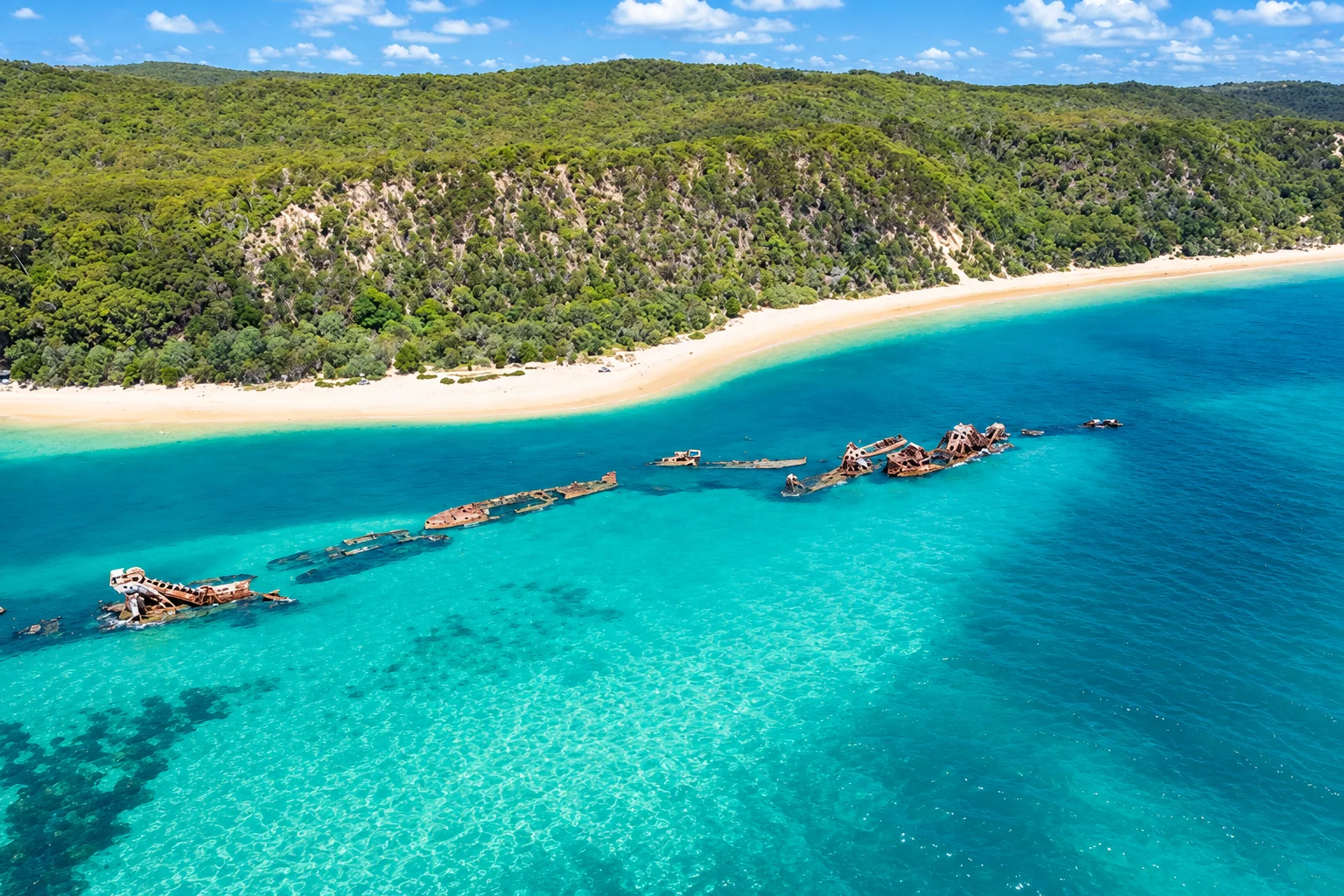
QPWS names Tangalooma Wrecks and Flinders Reef as good snorkelling and diving sites, and Curtin artificial reef as popular with divers. Do not climb on or swim through the wrecks. Strong rips and currents are often present, and a strong current runs between the wrecks and the beach when the tide is running. The beach is not patrolled, so never swim, snorkel or dive alone.
For timing, the same operator recommends mid-tide, on weekday mornings, and avoiding extreme tides and strong currents. There are no lifeguards or facilities at the wreck site itself, but the resort nearby has toilets, changing rooms, gear hire, cafés and lockers. Resort amenities and the resort’s guided snorkel tour are open to resort guests only. The tour includes a guide and all gear, and the boat carries you to the wrecks, which is the safer option for less confident swimmers.
Marine Park Zones and Fishing
Moreton Bay Marine Park surrounds the island, and its zoning shapes what you can do in the water. The marine park guide and QPWS describe these zones:
- Green zones: four beach sections are marine national park. All collecting, including fishing, is prohibited, and spearfishing is prohibited in all green zones.
- Yellow zones: two conservation park zones overlap beaches. Fishing is limited to two lines with two hooks per person.
- Mirapool: all collecting, including fishing, is prohibited.
- Artificial reef area: spearfishing is prohibited off Mulgumpin from approximately Tangalooma Point to Comboyuro Point, extending 700 m offshore. Check the zoning map before fishing or spearfishing near the wrecks.
Tailor, flathead, dart, bream and whiting are commonly caught from beaches and headlands. Reef and surface-feeding fish are caught offshore, and crabs are seasonal. Bag and size limits apply to some species, so check the Department of Agriculture and Fisheries rules. Keep fish, bait and burley in sealed containers away from wildlife, bury remains and unused bait below the high-tide mark at least 50 cm deep, and never clean fish at campgrounds or camping zones.
Boaters should know that the island has no public moorings. Vessels, anchors and ropes must not block vehicles or pedestrians between the high and low water marks. Powerboats, personal watercraft and vehicles are not permitted in lakes and streams. Seas between the island and the mainland can be large, so check Bureau of Meteorology forecasts and currents first.
Whales and Dolphins
Humpback whales pass South-East Queensland "like clockwork from June to mid-October" on their northern migration, according to Visit Brisbane (2 June 2026). A regional travel site names August and September as the peak. Tangalooma runs whale-watching cruises over this period from Holt Street Wharf, including options with sunset cocktails, dolphin feeding and a helicopter package.
From land, Cape Moreton lighthouse at the island’s north-east tip gives whale views from the heights or the beach between June and October. Dolphins, sharks and turtles are visible there all year.
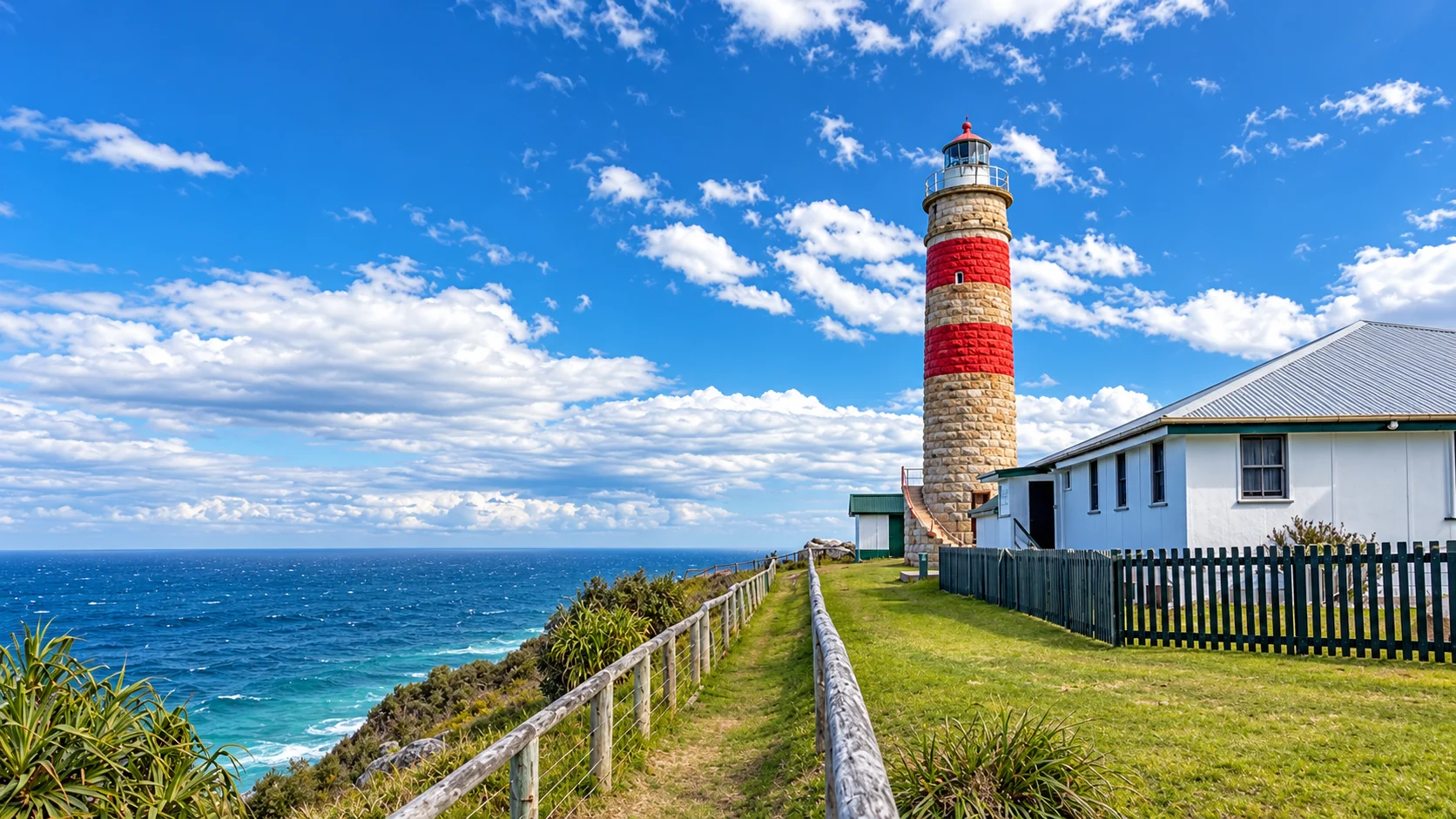
Tangalooma feeds wild dolphins most evenings, though the resort says attendance cannot be guaranteed. Dolphins, dugongs and turtles also live in the bay. Visit Moreton Bay notes that the protected waters between Redcliffe Peninsula and Moreton Island give humpback calves a resting place.
Walking and Wildlife
Walking here means beach walks, headland lookouts and visits to wartime relics. Walk in groups and carry a map, first-aid kit, food and water, and avoid the hottest part of the day. Supervise children at the WWII relics at Rous Battery and Cowan Cowan. Do not climb on the shipwrecks at Tangalooma or Bulwer.
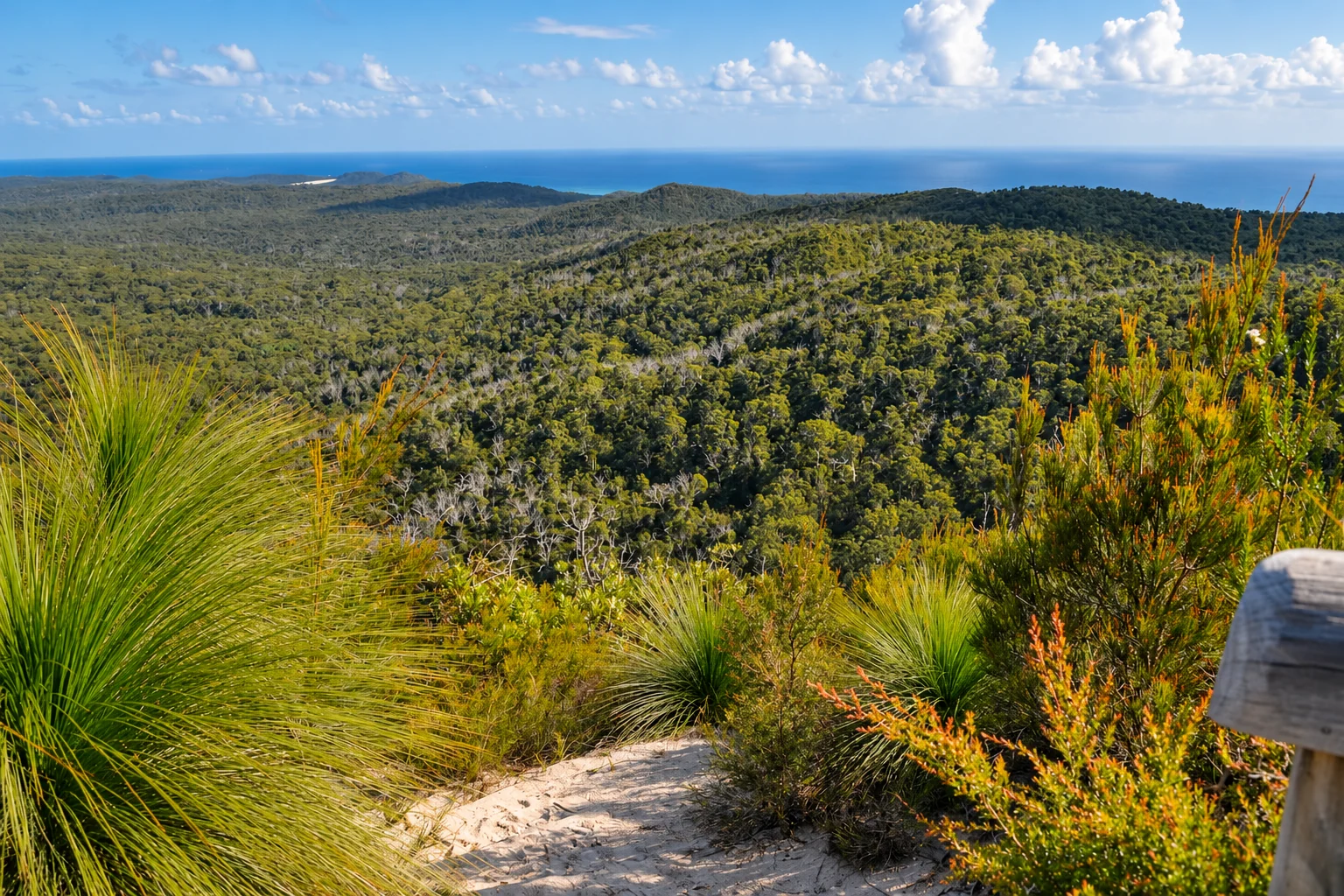
Many bird and reptile species can be seen, including marine turtles. Give shorebirds a wide berth, and avoid disturbing nesting turtles in summer. Report sea snakes washed up on beaches to rangers. Feral pigs can carry disease and become aggressive when their young are threatened. Rangers ask visitors to report sightings with location, time and number. Keep food and rubbish in lockable containers.
Swimming is prohibited in Mirapool Lagoon, and there are no wheelchair-accessible areas in the national park or recreation area.
Where to Stay
Tangalooma Island Resort is the main accommodation on the island. The rates below are the lowest nightly prices, as listed on the resort’s accommodation page. Check the live rates and deals when you book.
| Room type | From (per night) | Sleeps |
|---|---|---|
| Run of House (budget) | $209 | 3 |
| Hotel Standard (Kookaburra Lodge) | $289 | 4 |
| Hotel Deluxe (King or Twin) | $309 | not listed |
| Resort Units | $289 | 4 |
| Family Suites (1 bedroom) | $329 | 6 |
| Beachfront Villas | $529 | 8 |
| Deep Blue Apartments | $550 | 6 to 16 |
Hotel Deluxe, Resort Units, Family Suites and Deep Blue Apartments include wild dolphin feeding.
The resort’s three-night Adventure Package bundles return catamaran transfers from Brisbane, a 4WD desert safari, a six-minute helicopter flight, an ATV tour of about 40–45 minutes and dolphin feeding. When last published it started at $587 per person twin share, or $1,173 total for two, in a Hotel Standard or Family Friendly Resort Unit. The Hotel Deluxe King and Twin rate was $1,227, and the one-bedroom Family Suite was $1,281. Hotel options added an $80 Saturday surcharge, and the Family Suite a $100 Saturday surcharge. The travel windows on that page ended in mid-2026, so confirm the current dates.
Package conditions include:
- Check-in is at 2pm and check-out at 10am.
- There is no daily maid service.
- Cancellation terms apply, so check the refund conditions and charges when you book.
- Tour and helicopter times are booked at the Tours Desk or Heli Hut on arrival day.
- Helicopter flights need a minimum of two passengers.
- ATV riders must meet minimum age requirements, with younger children subject to conditions, so check the age rules when you book.
Camping is the other option. Book through Mulgumpin Camping and display the booking-number tag at your site. Camp only within your booked zone or campground and the campsite footprint near the camping totem. Do not put tents or equipment outside fenced sites or existing cleared areas. Beach camping is allowed in designated sites: the five campgrounds and five camping zones along the beach, plus some sites behind the foredunes. Camping is prohibited in all other areas. Fire restrictions apply from September to March. The same operator also lists camp accommodation from $30 per person per night for groups of 10 to 100.
When to Visit
Whale season from June to mid-October is the best time for wildlife. Summer, from November to February, is warmest and busiest, and water temperatures rarely drop below 21°C, so swimming is comfortable year-round. Out of season brings cooler weather, fewer crowds. Fire restrictions run from September to March, so check them before you plan a campfire. Turtles nest in summer, so keep clear of nesting areas on the beach at night.
Time of day matters too. Whale sightings are usually best early, with calmer water, and wreck snorkelling is best at mid-tide on weekday mornings. Whale-watching cruises tend to be windy, so bring warmer clothing.
Beach Safety and Conditions
No beach on the island is patrolled, and there are no shark-protection measures. Rips and currents are often present, so swim only in conditions you are confident about and never alone. Glare off the water is strong even on overcast days, so carry sunscreen, a hat and sunglasses. Bring insect repellent for mosquitoes and sand flies.
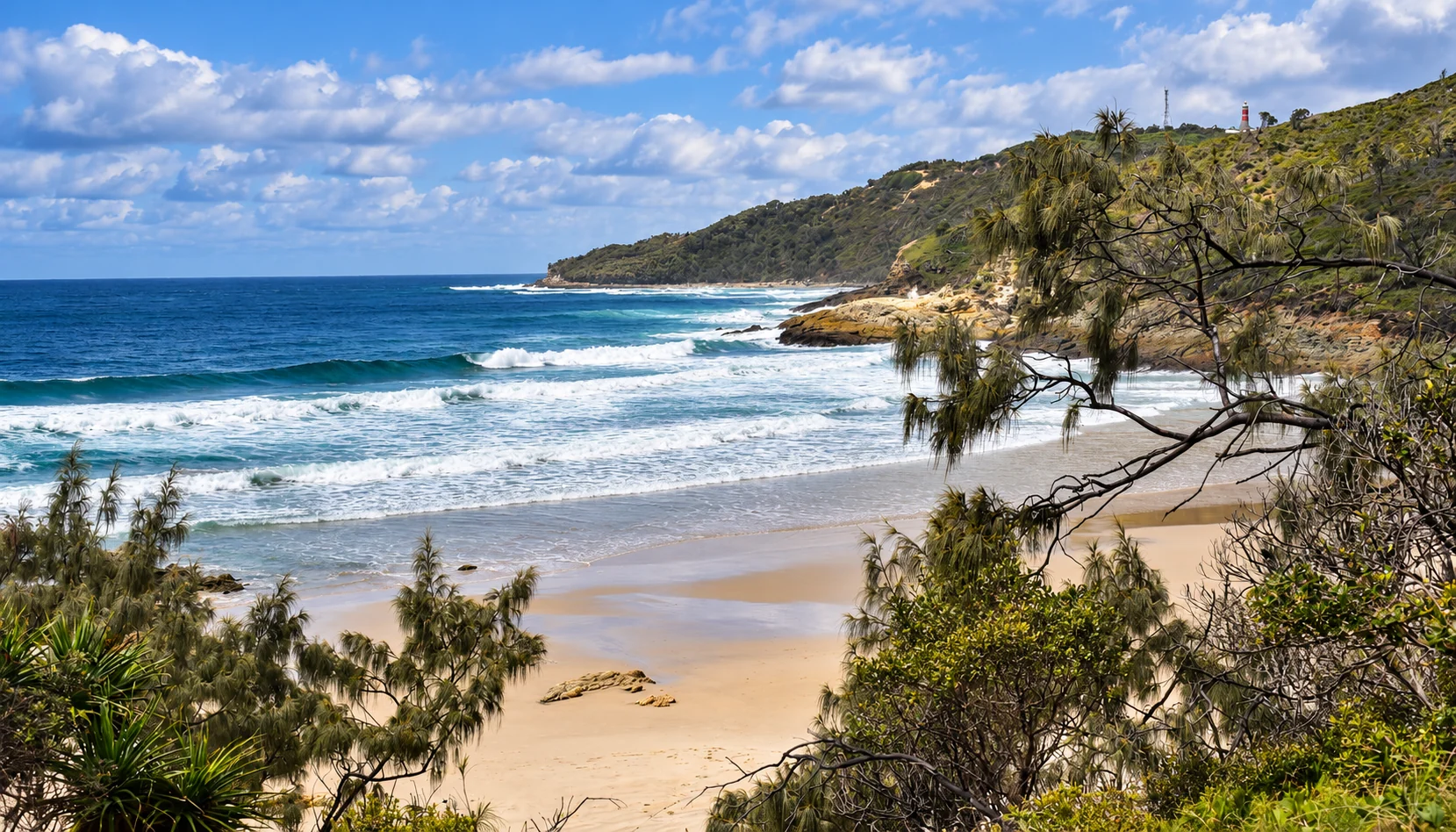
Check the park’s conditions report for current access and beach status before every trip, since closures shift with tides and weather. Bring everything you need for camping, because the permit rules prohibit camping outside designated zones.