Kakadu National Park in the Northern Territory is one of Australia’s richest places for birds and crocodiles. Its floodplains, billabongs (permanent waterholes left by a river) and sandstone gorges also support wallabies, snakes, turtles, fish and thousands of insect species. Yellow Water, Mamukala Wetlands, Ubirr and the East Alligator area offer the best viewing, and most of them are reached on sealed roads in an ordinary hire car.
Saltwater crocodiles live in almost all of the park’s waterways year-round, so water safety rules apply on every visit. Park pass prices are reduced for 2026, and several southern waterfall sites are closed for the whole year.
Birds to look for
The 2026 Ramsar Information Sheet records 271 bird species, more than one-third of Australia’s bird fauna. Ramsar listing is an international wetland recognition under a 1971 convention. Kakadu’s wetlands cover about 683,000 hectares and hold that listing alongside the park’s World Heritage status since 1992. The same sheet records 390,000 magpie geese and says late dry-season numbers are likely to exceed 2.5 million birds of many species. It also states that the park supports at least 1% of the populations of 12 bird species, including five migratory shorebird species.
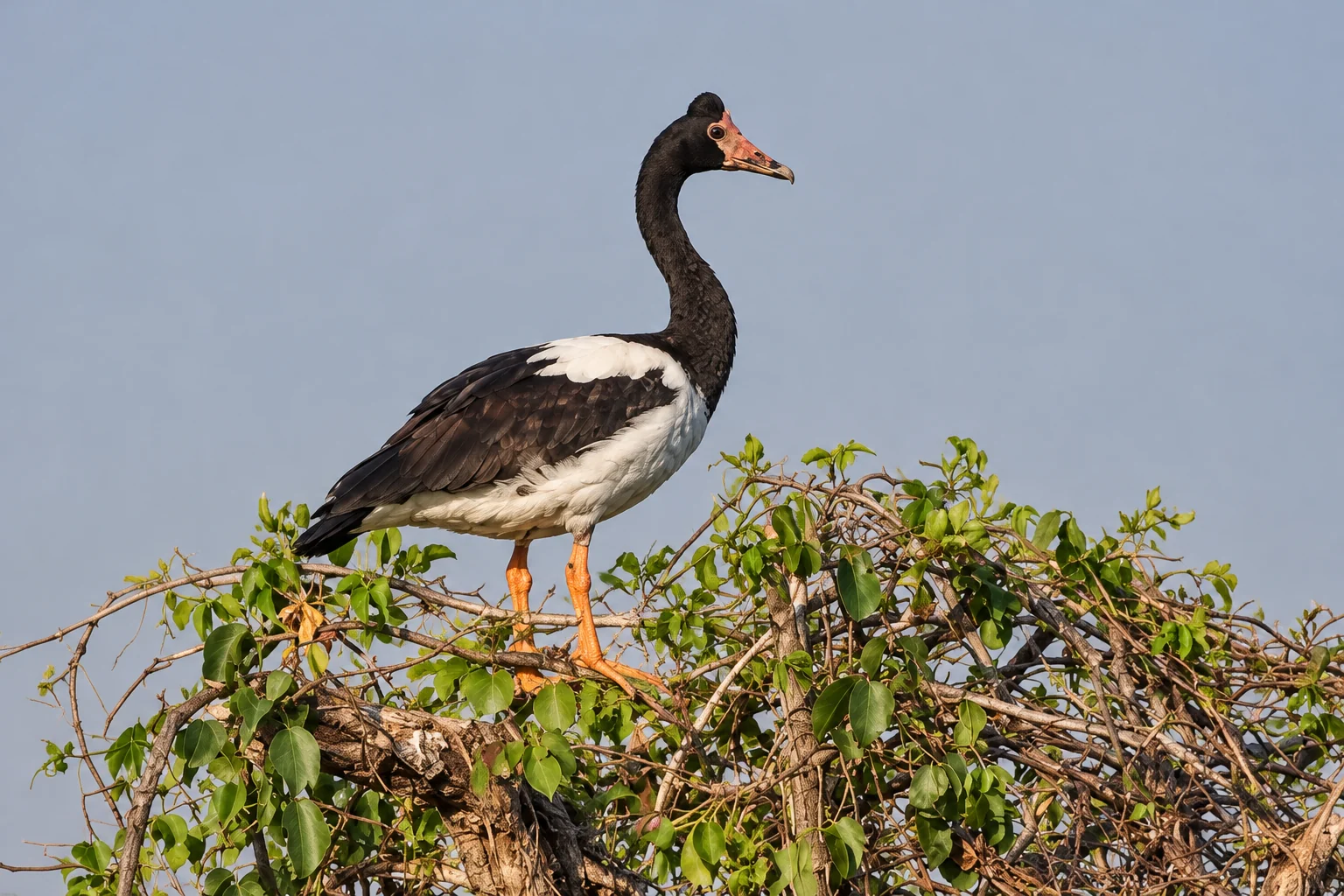
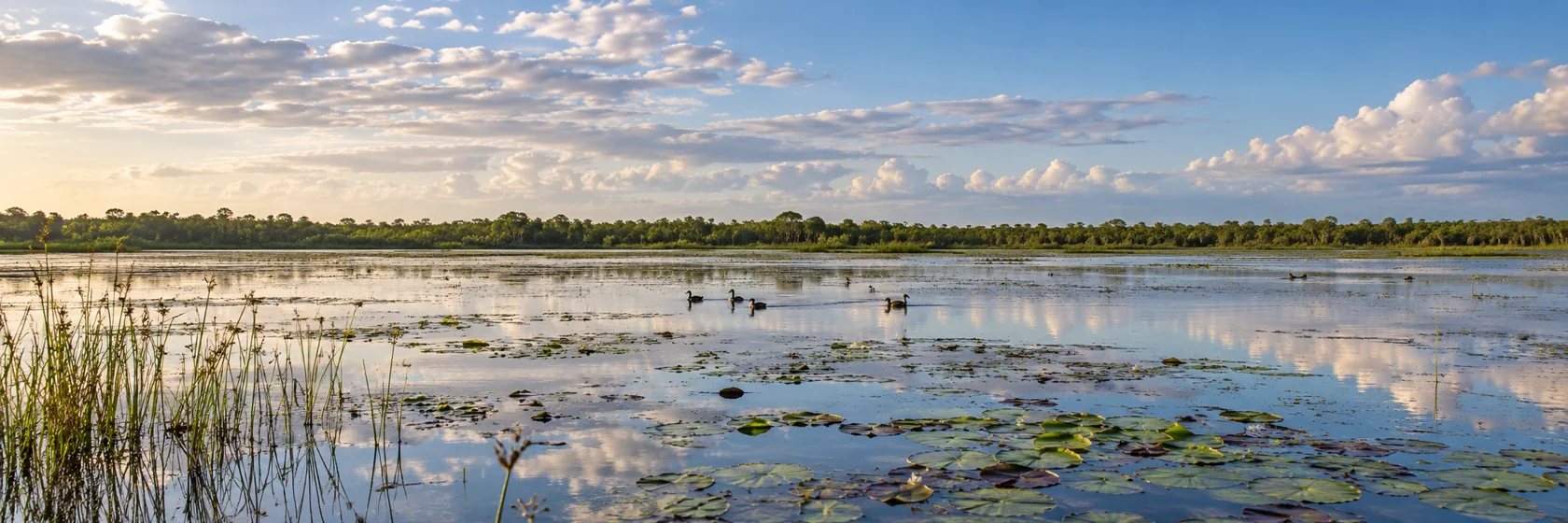
Magpie geese are the bird most visitors notice, because they gather in huge flocks on the floodplains. At Mamukala Wetlands, thousands of them can be seen as the floodplains recede in the dry season. Mamukala has a bird hide over a large floodplain, and the adjacent visitor centre has information and viewing platforms. Birds recorded at Mamukala include frigatebirds, black-breasted buzzards and shining flycatchers. The South Alligator floodplains hold green pygmy-geese, orange-footed scrubfowl and Pacific black ducks.

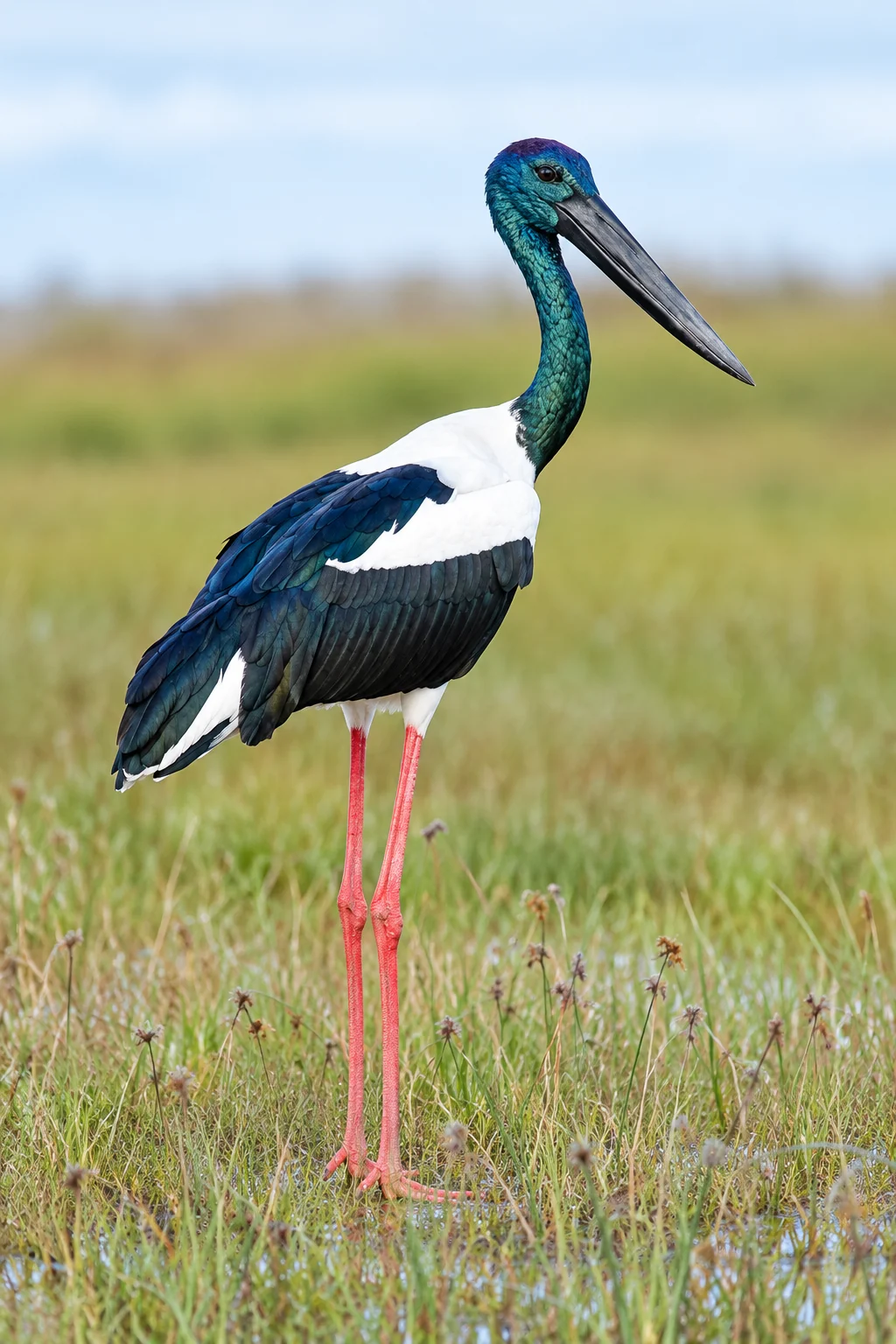
The jabiru, or black-necked stork, is described as an icon of the park. On a Yellow Water cruise, the Northern Territory Government lists whistling kites, orange-footed scrubfowl, azure kingfishers, jacanas, egrets, jabirus and brolgas. Sea eagles are also seen along the floodplains. Walking trails and bird-watching platforms are spread through the park.
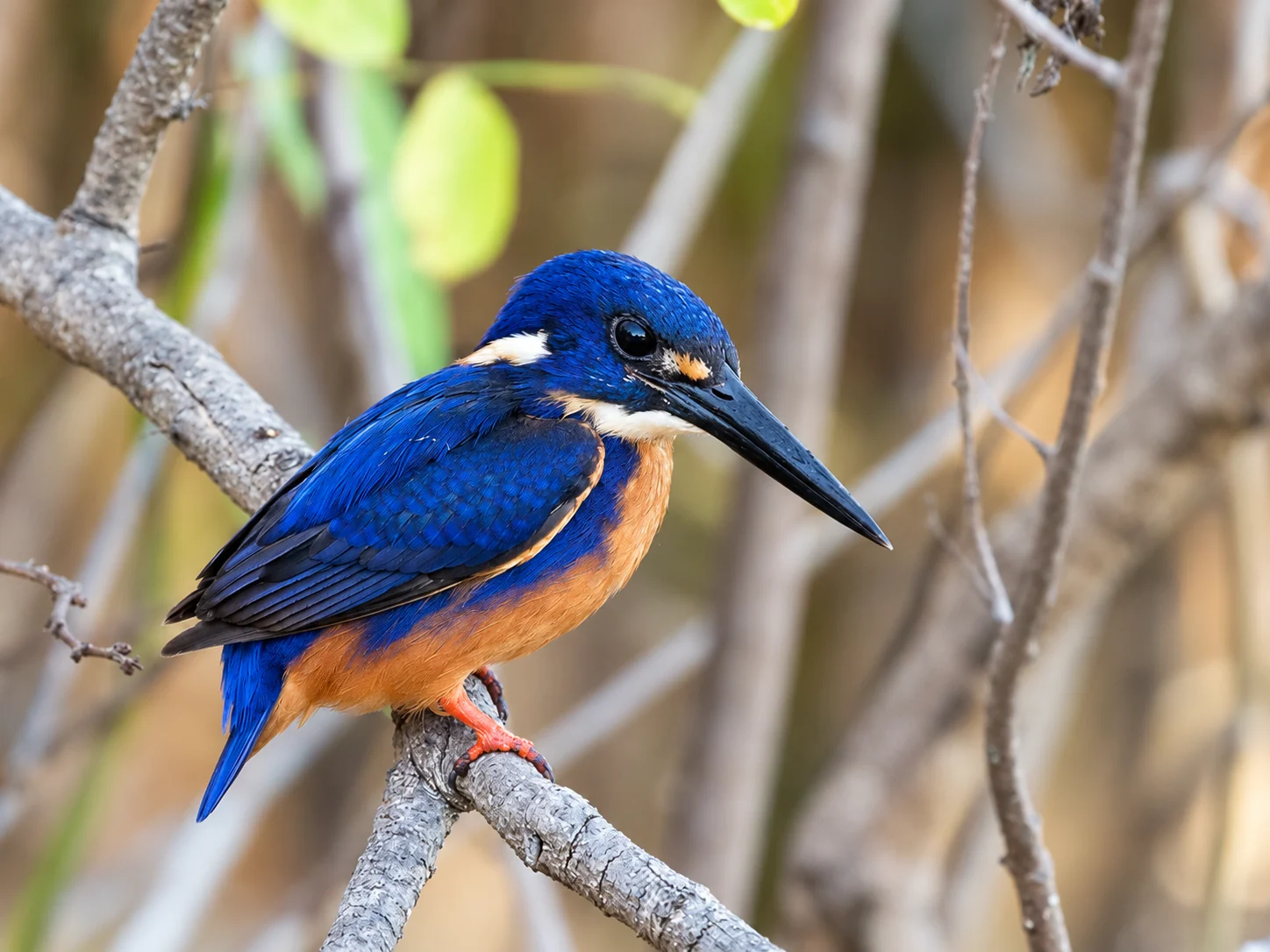

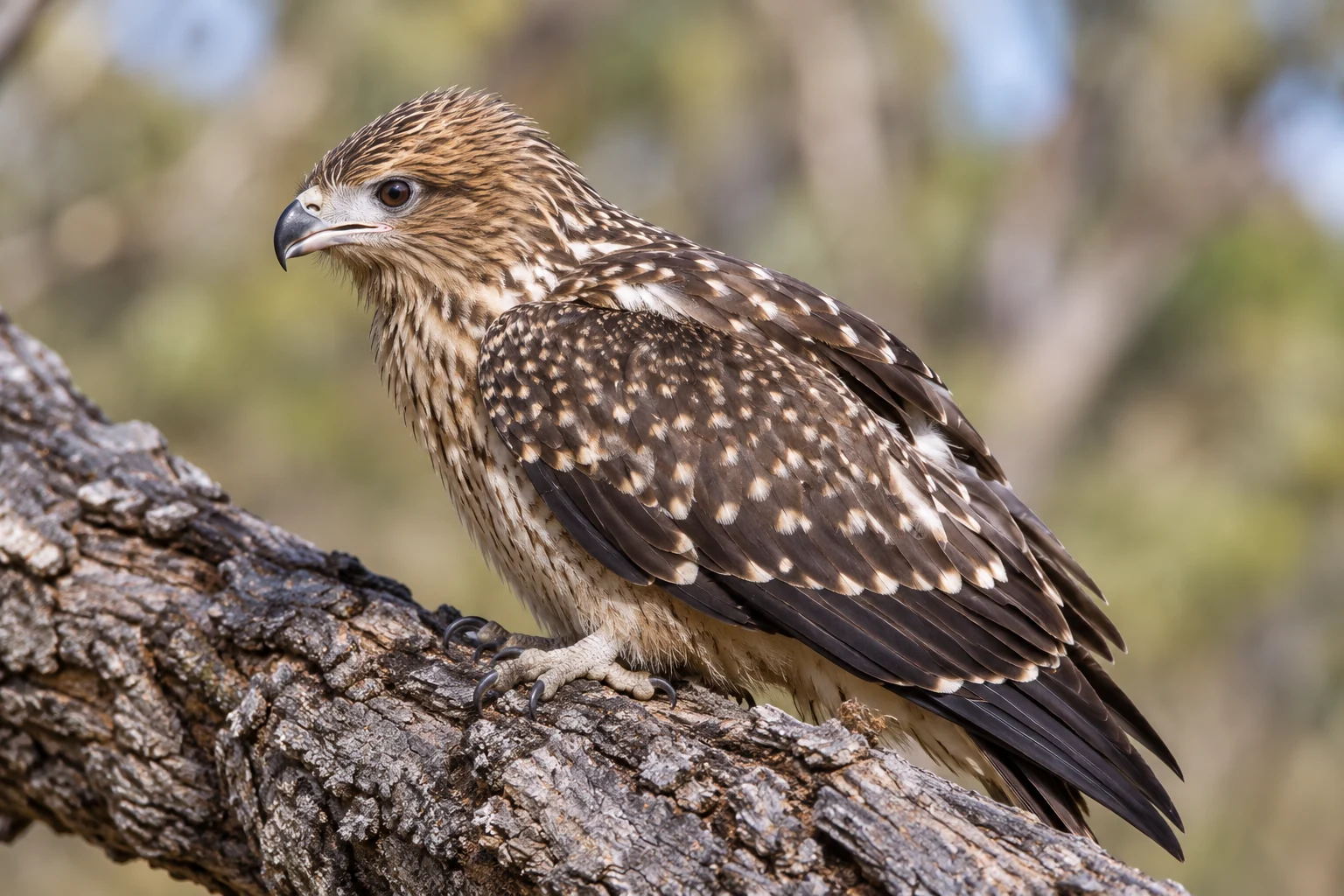
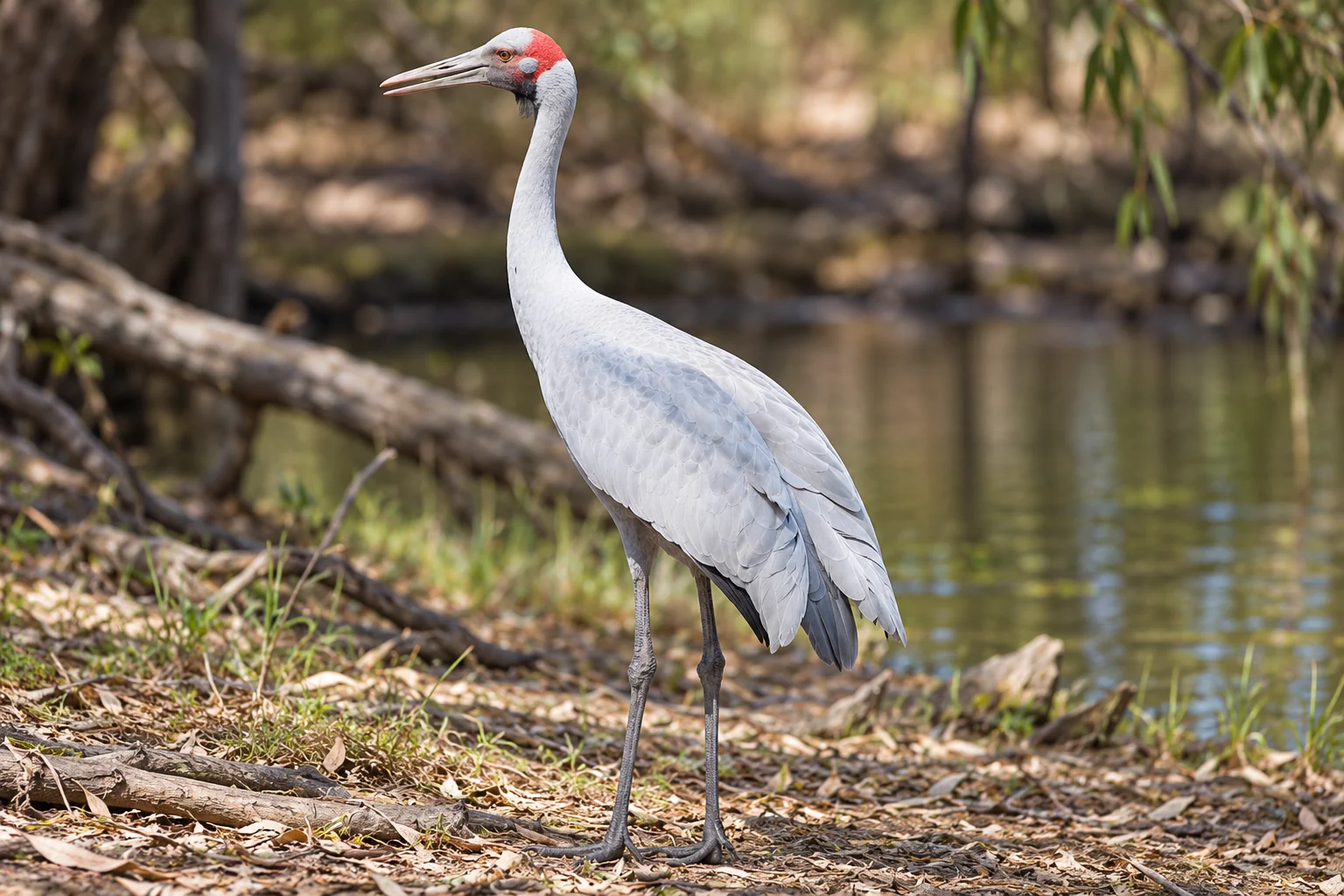
Serious birdwatchers also come for the rarer species: about one-quarter of Australia’s wetland-dependent threatened bird species occur in Kakadu. One is the yellow chat (Alligator Rivers), a subspecies endemic to the Northern Territory and restricted to floodplains between the Adelaide River and the East Alligator River. The Ramsar sheet lists 15 threatened bird species in the site.
Crocodiles in Kakadu
Two crocodile species live in the park, according to the Aboriginal-owned operator’s safety page. The saltwater (estuarine) crocodile, Crocodylus porosus, is known locally as Ginga. It lives in floodplains, billabongs, rivers and coastal waters. It has attacked and killed people in Kakadu. The freshwater crocodile, Crocodylus johnstoni, is known locally as Madjarrki. It lives in freshwater rivers, creeks and plunge pools, including Maguk and Gunlom. It is usually shy but becomes aggressive if disturbed, so it should be treated with caution.
Saltwater crocodiles use almost all of Kakadu’s waterways all year. Yellow Water gains more water in the wet season, and the crocodiles stay with it. Cahills Crossing is a popular crocodile-viewing spot, and the crocodiles concentrate there, especially around tidal movement. Yellow Water cruises list saltwater crocodiles among the wildlife on the billabong, and the Tripadvisor listing also mentions freshwater crocodiles.
Mammals, reptiles and other animals
Kakadu has about 68 mammal species, almost one-fifth of Australia’s mammals. The park has eight kinds of kangaroo and wallaby, and agile wallabies and antilopine wallaroos are the most common. Wallabies and wild horses are reported on Yellow Water cruises, usually on the banks of the billabong.

More than 100 reptile species and about 25 frog species are recorded, according to a wildlife guide. The venomous snakes include the taipan, death adder and king brown. They are shy, rarely seen and mostly active at night. The Ramsar sheet lists six threatened turtle species and eight threatened fish species, among them three sawfish, three sharks and two gobies. It also lists three threatened mammals, three shrimp and one invertebrate. Fish number over 300 species in tidal and fresh water. The park also has over 10,000 insect species, including mosquitoes that can carry Ross River virus. Plants number nearly 2,000 species.
Where to see wildlife
Yellow Water and Cooinda
Yellow Water is about 55 km from Jabiru on sealed roads. The Northern Territory Government calls it a world-famous wetland with abundant birdlife, and it is the best single place to see birds and crocodiles together. It is also the main base for boat cruises, covered in the next section. Yellow Water Billabong lies at the end of Jim Jim Creek, a tributary of the South Alligator River.
Mamukala Wetlands
Mamukala suits visitors who want to watch birds without getting on a boat. The hide keeps people at a distance from the water, and the dry season brings magpie geese to the receding floodplain.
Ubirr
Ubirr is about 46 km from Jabiru at the northern end of the park, near the East Alligator River. The road is sealed, and a 2WD car reaches it. It is open in the wet season provided local roads and tracks are open, though it may close temporarily in heavy rain.
Burrungkuy (Nourlangie)
Burrungkuy is about 22 km from Jabiru, roughly 30 minutes south on a sealed road off the Kakadu Highway. Rain and floodwater affect access. The Kakadu Guide describes its rock art galleries as often the most reliable inland site in the tropical summer.
Cahills Crossing
Cahills Crossing draws visitors to watch crocodiles near the water. Water levels, current and wildlife all matter here, and the park advises following the guidance on site. See the safety section for a July 2026 incident.
Southern gorges and waterfalls
Jim Jim Falls, Twin Falls, Maguk and Gunlom require a high-clearance 4WD. Jim Jim Falls, Twin Falls and Karnamarr Campground are closed for all of 2026, after cyclone damage, road and infrastructure upgrades and a Traditional Owner safety request. Check the access and alerts page for any reopening ahead of the 2027 dry season. Barrk Sandstone Walk is closed at Traditional Owner request, and Barrk Marlam and Budjmi lookout sit among the closed Jim Jim and Twin Falls area sites.
Maguk is Closed on the current Access Report (last updated 15 Oct 2026) due to a crocodile sighting; assessments and crocodile management are continuing. Its 14 km unsealed road closes in the wet season. At Gunlom, the lookout is open but there is no bottom-pool swim. Maguk’s status is separate from the Jim Jim closure, so check the Access Report before swimming. Mobile coverage exists at listed points such as the Gunlom and Maguk campgrounds and not at every creek crossing.
Yellow Water cruises
Cruises run on Yellow Water Billabong and operate year-round. The Northern Territory listing says they depart up to six times daily and last 90 or 120 minutes, and sunrise and sunset cruises are especially popular, so book ahead. Wildlife listed includes native birds resting among waterlilies, saltwater crocodiles, wild horses and wallabies.
Prices depend on the booking channel and the departure time. Resellers list cruises from $75.96 per adult for up to two hours, and from $76 for about 1.5 to 2 hours. Australian Cruise Group lists a 2-hour afternoon cruise from $129, departing 16:30 with a duration of 2 hours 20 minutes, and prices include GST. That listing allows date changes at no extra charge, subject to availability, though a cancellation fee applies. Cruises are subject to availability and environmental conditions. Carry a Kakadu pass, because the cruise listing requires one.
The meeting point is the Cooinda Lodge bus stop, opposite reception, about 20 minutes before departure. Visit Top End says visitors may park at Cooinda Lodge and use the complimentary Yellow Water tour bus. A cruise cancelled for poor weather is offered a different date or a full refund on one reseller listing. For reservations, call (08) 8979 1500 or email reservations@yellowwater.com.au.
The cruise is wheelchair accessible, though wheelchair users may need to transfer into the boat, and service animals are allowed. The 2-hour listing asks visitors to contact the operator for access details.
Guides hold Kakadu Knowledge certification, which covers how Bininj people have used flora and fauna sustainably. Visit Top End describes the cruises as operated by Kakadu Tourism, an Indigenous-owned and operated business, with certified Bininj (local Indigenous) and Balanda (non-Indigenous) guides. It names the Murumburr people as Traditional Owners of the Yellow Water area.
Wildlife by season
Parks Australia’s pass pricing divides the year into a dry season from 15 May to 31 October and a tropical summer from 1 November to 14 May. The dry season is cooler, with little rain and most of the park open. Rainfall at Jabiru runs from 231 mm in December to 1 mm in June.
In the dry season, magpie geese gather on the receding floodplains at Mamukala, and most southern tracks are accessible when open. Rangers trap and remove estuarine crocodiles that moved into some visitor areas during the wet season, and traps stay in place for the whole dry season because crocodiles can move in at any time. Kakadu Tourism says rangers clear crocodiles from some waterholes after the wet, so swimming is generally not possible until about June or July.
In the wet season the floodplains fill and several southern roads close. Ubirr and Burrungkuy stay accessible when local roads are open, and Yellow Water cruises keep running. A normal hire car reaches Ubirr, Nourlangie and the cruise departure points. Flash flooding cuts off return routes from waterfall tops such as Gunlom and Jim Jim. No vehicle reaches the Jim Jim area in the wet season.
Roads and vehicles
The Arnhem Highway and Kakadu Highway are sealed. A 2WD car reaches Ubirr, Burrungkuy, Yellow Water and Cooinda. A high-clearance vehicle suits the southern tracks only if it is a 4WD, and rental contracts may bar certain tracks, so confirm that your rental agreement permits the unsealed route before heading to Maguk or Gunlom. Where southern tracks are open, a guided 4WD excursion is a practical alternative. A satellite messenger suits remote southern travel.
The Parks Access Report is updated daily. Check it before you travel, and use the park’s access and alerts page for live conditions.
Park pass costs
Every visitor needs a park pass, valid for seven days and sold online. The pass covers Kakadu only. The NT Parks Visitor Pass is not valid in Kakadu, and the pass is separate from camping fees and overnight walk permits. Check the permits page for current fees.
The official announcement of 25 June 2026 reduced prices for visits from 1 July to 31 October 2026. Parks Australia cut fees after Jim Jim Falls, Twin Falls Gorge, the Escarpment Walk and Karnamarr Campground were suspended in the peak dry season. From 1 November 2026, tropical summer rates apply.
| Category | Reduced price, 1 July to 31 October 2026 | Normal dry-season price | Tropical summer price from 1 November |
|---|---|---|---|
| Adult (16+) | $25 | $40 | $25 |
| Child (5 to 15) | $12.50 | $20 | $12.50 |
| Family (2 adults, 2 or more children) | $65 | $100 | $65 |
| Concession | $19 | $30 | $19 |
Children under five are free, and passes are free for Northern Territory residents. Concessions cover aged pensioners, disability pensioners or their carers, Seniors Card holders and veterans. Pass revenue covers about 7% of the park’s running costs, and the Australian Government funds the rest. Check the park passes page for current prices.
Staying safe around water
Parks Australia’s safety guidance is direct. Crocodiles can attack in knee-deep water, and they usually hunt by staying submerged, so wading is dangerous. Observe all warning signs and keep a safe distance from the water’s edge. Saltwater crocodiles can attack people in boats, and the smaller the boat, the greater the risk. Submerged rocks and tree parts are a severe risk. Waterfalls and rock pools are slippery.
Crocodile warning signs are placed at each plunge pool and gorge area. Where no sign exists, assume crocodiles are present. Jabiru’s swimming pool is the only public place the operator recommends for swimming.
Some visitors swim at their own risk at Gubara, Maguk, Jim Jim Falls, Gunlom, Jarrangbarnmi (Koolpin Gorge) and creeks on the plateau above Twin Falls, Jim Jim Falls and Gunlom. These areas are surveyed for estuarine crocodiles before each dry season opens, but some risk remains that crocodiles move into gorges and plunge pools during the dry season. Read each site’s warning signs.
An ABC report from 27 July 2026 describes a video filmed at Cahills Crossing. A large saltwater crocodile swam directly toward a family, including three young children, standing at the water’s edge, and stopped just metres from the causeway. Crocodile expert Grahame Webb said the animal was likely following a fisherman’s lure rather than the people. Experts urged visitors to take responsibility for their own safety.
At a flooded crossing, read the signs, check the depth markers and judge how fast the water is flowing. Waiting for the water to recede is sometimes the safer choice, and crocodiles may be present. Do not park on bridges or causeways.
Heat, snakes and emergencies
Drink at least four litres of water a day. The operator advises that most people need four to eight litres a day, with at least one litre for each hour of walking. Most trail risks are covered if you stay on marked tracks and in designated visitor areas and follow ranger directions. Do not hike off trails after dark, because the snakes are mostly active at night. Climbing rock ledges or standing near cliff edges can cause serious injury or death, especially when wet.
Mobile phone coverage is absent in most of the park, so tell a responsible person your plans and return time. Emergency Call Devices at remote locations are for emergencies only. The Jabiru medical centre number is 8979 2018. Bowali Visitor Centre can be reached on +61 (8) 8938 1120 for park information.