Kakadu’s wetlands are reliable places to look for waterbirds and crocodiles. Yellow Water (Ngurrungurrudjba) has a boardwalk and cruises, while Mamukala has a bird hide and viewing platform. Sandstone country and monsoon forest support other wildlife, including wallaroos and rainbow pittas.
Sightings depend on the season, water levels and time of day. Kakadu is home to hundreds of bird, mammal and reptile species, but no location guarantees a particular sighting.
Animals to look for in Kakadu
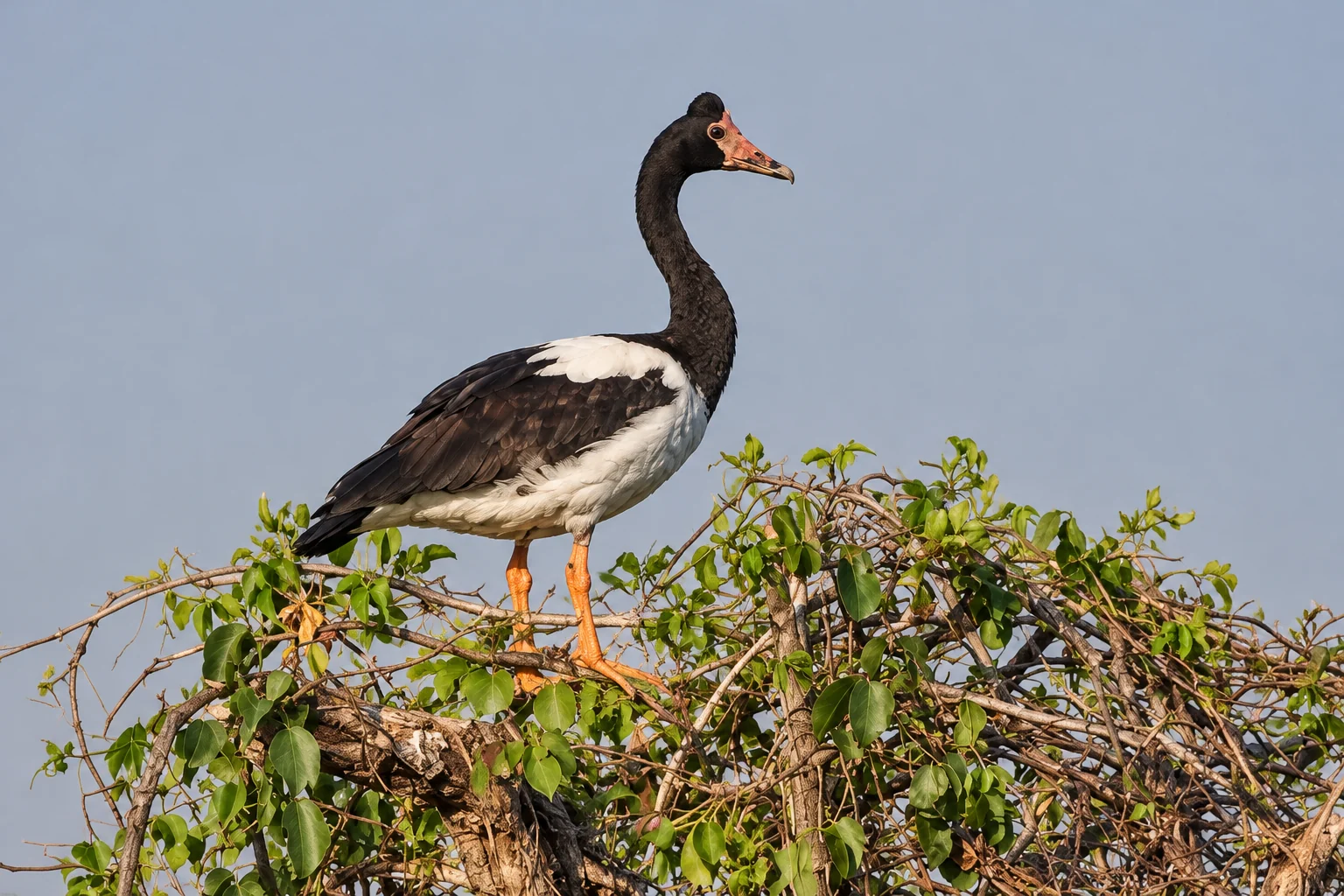
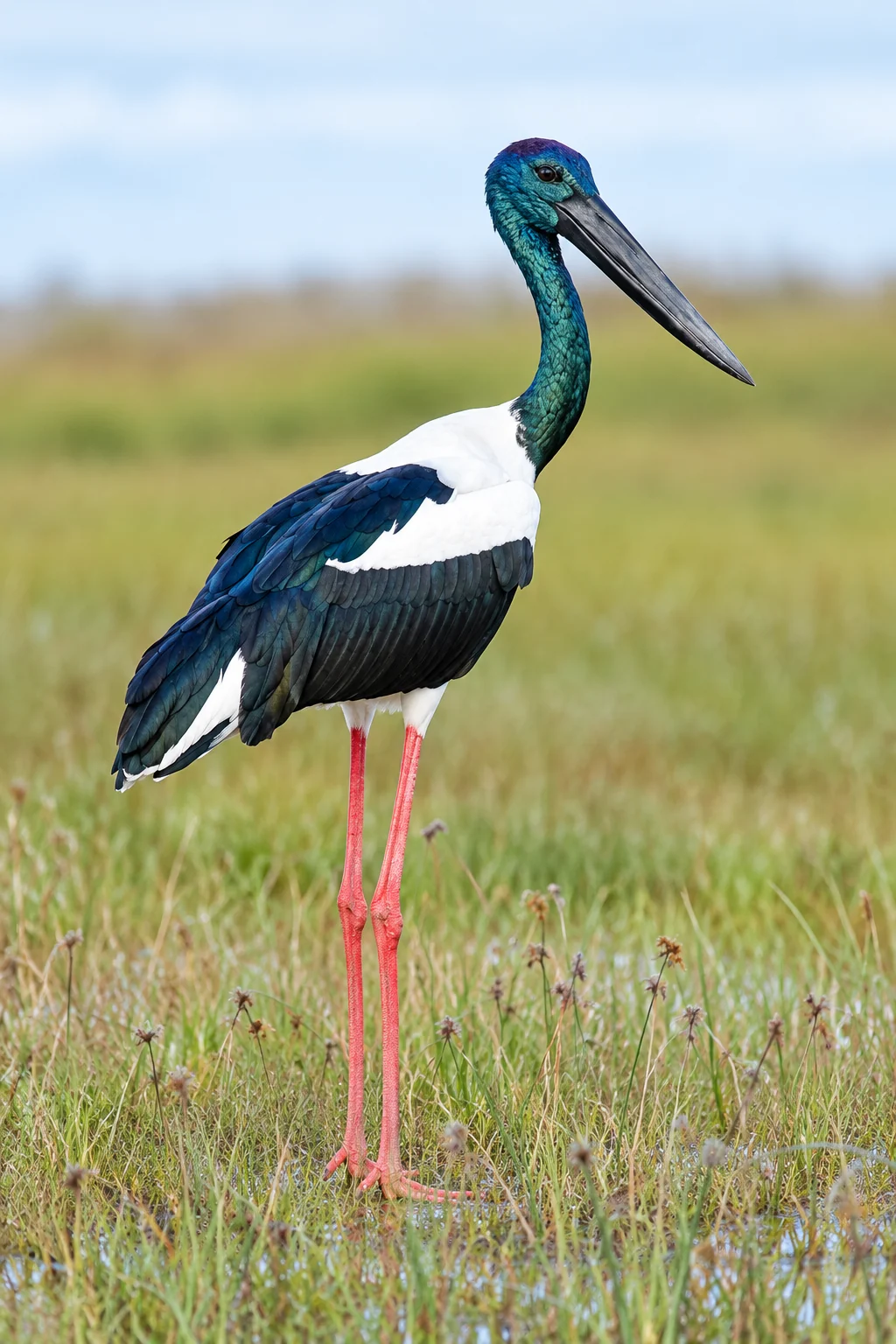
Waterbirds are among Kakadu’s most conspicuous animals. Wetlands and floodplains support magpie geese, ducks and jabirus. They also support egrets, ibises, herons and comb-crested jacanas. Eagles and kites hunt around wetland edges, while migratory waders such as curlews, snipe and godwits visit seasonally. The Australian Government records 271 bird species in Kakadu.
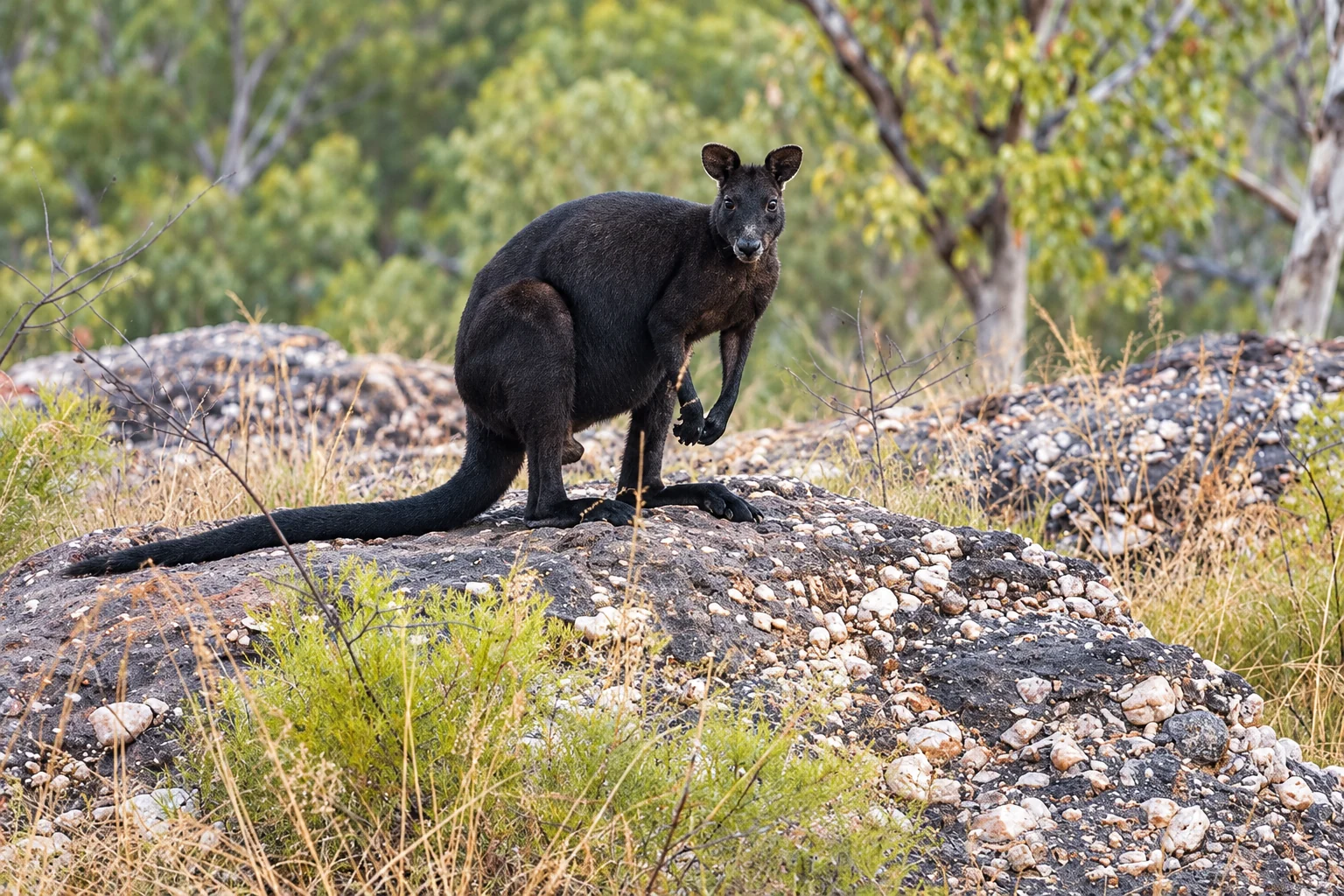
Both freshwater and saltwater crocodiles live in the park. Parks Australia estimates around 10,000 crocodiles, excluding hatchlings. You might also see agile wallabies in woodlands or near grassy roadsides, and black wallaroos in sandstone country around Ubirr and Burrungkuy (Nourlangie). Other reptiles include water monitors and turtles.
Kakadu is home to northern quolls and bandicoots. Flying foxes, frogs and many fish also live in the park. Sightings are less predictable than those of waterbirds at accessible wetlands.
Best places to see wildlife in Kakadu
| Place | What to look for |
|---|---|
| Yellow Water (Ngurrungurrudjba) | Waterbirds and crocodiles from the boardwalk or on a cruise. When water levels recede, a 2.6 km return walk leads to a viewing platform at Home Billabong. |
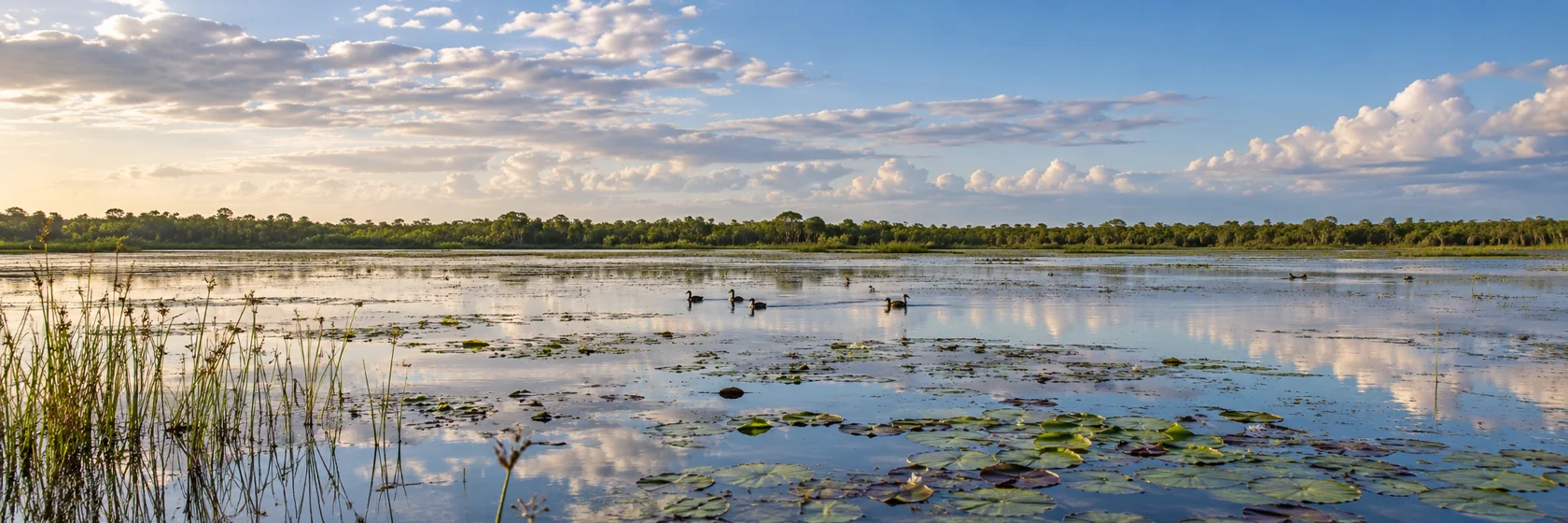
| Mamukala wetlands | Waterbirds, especially magpie geese. Use the bird hide or viewing platform; large goose flocks are associated with September to November, with September and October noted as particularly good months. |
| Anbangbang Billabong | Billabong birds on the easy loop near Burrungkuy. As the dry season advances, birds gather around remaining water. |
| Cahills Crossing viewing area | Crocodiles from designated viewing platforms. Keep well back from the river’s edge. |
| Ubirr and Burrungkuy | Stone Country species such as black wallaroos and chestnut-quilled rock pigeons. Early morning and late afternoon are good times to look for wallaroos. |
| Manngarre and Bardedjilidji walks | Rainbow pittas in rainforest at Manngarre and chestnut-quilled rock pigeons at Bardedjilidji. |
For a short visit focused on a range of wildlife, prioritise Yellow Water and Mamukala. Add Cahills Crossing for crocodile viewing, or Ubirr and Burrungkuy for animals associated with sandstone country.
When to see wildlife in Kakadu
As the dry season progresses and floodplains shrink, waterbirds and crocodiles concentrate around the wetlands that remain. Parks Australia identifies August to November as a period when crocodiles are easier to see. Large flocks of magpie geese are associated with September to November at Mamukala.
During the wet season, floodwaters spread across the floodplains and crocodiles disperse, making them harder to spot at Yellow Water. Migratory birds also visit Kakadu’s wetlands in the wet season. Early morning and sunset are useful times to watch wildlife throughout the park; sunrise and sunset also improve the chance of seeing crocodiles at Yellow Water.
Stay safe while viewing Kakadu wildlife
View crocodiles from designated platforms, boardwalks or authorised cruises. Never approach the water’s edge or enter waterways. Never feed wildlife or ignore warning signs. Crocodiles remain dangerous throughout the park, including where the water looks calm.
Walk and viewing-area access changes with seasonal conditions. Check current Kakadu alerts before setting out, particularly for Yellow Water walks and boardwalks.
In pictures
More in pictures
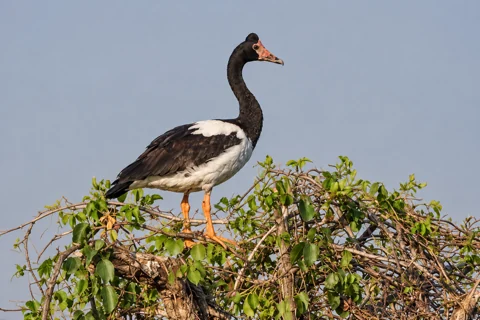
Magpie goose, a black-and-white wetland bird with an orange bill and legs. 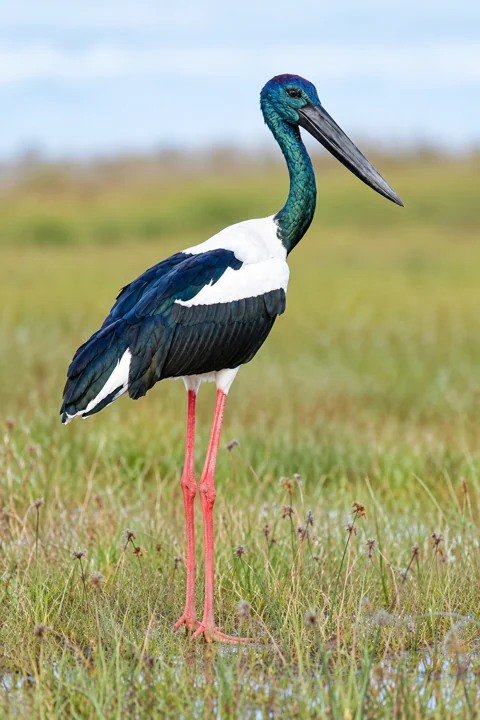
Black-necked stork, known in Australia as a jabiru, with a dark bill and pink-red legs. 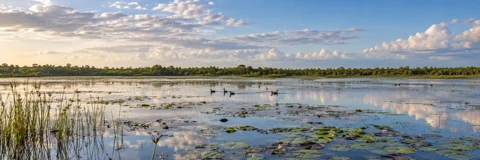
Open water and a low treeline at Mamukala wetland in Kakadu 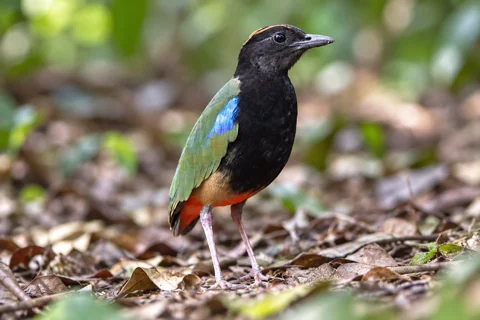
A rainbow pitta showing its chestnut crown stripes, blue shoulder patch and red undertail. 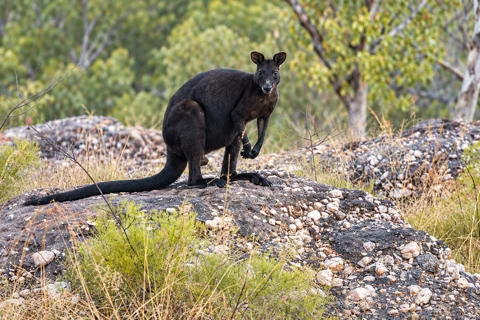
A male black wallaroo showing its dark coat, short rounded ears and heavy tail.