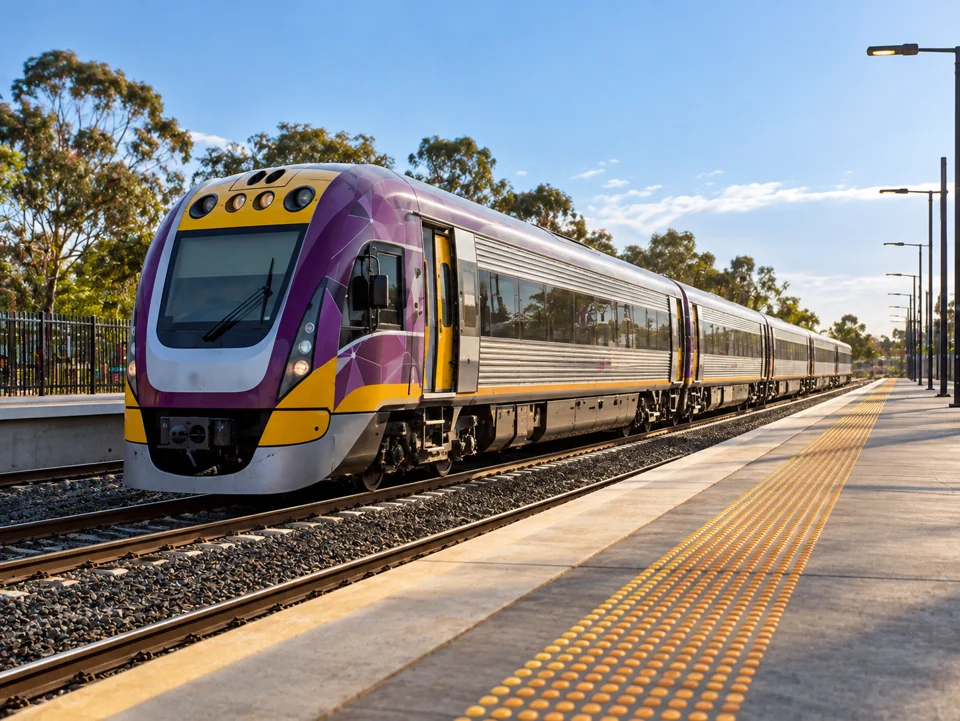
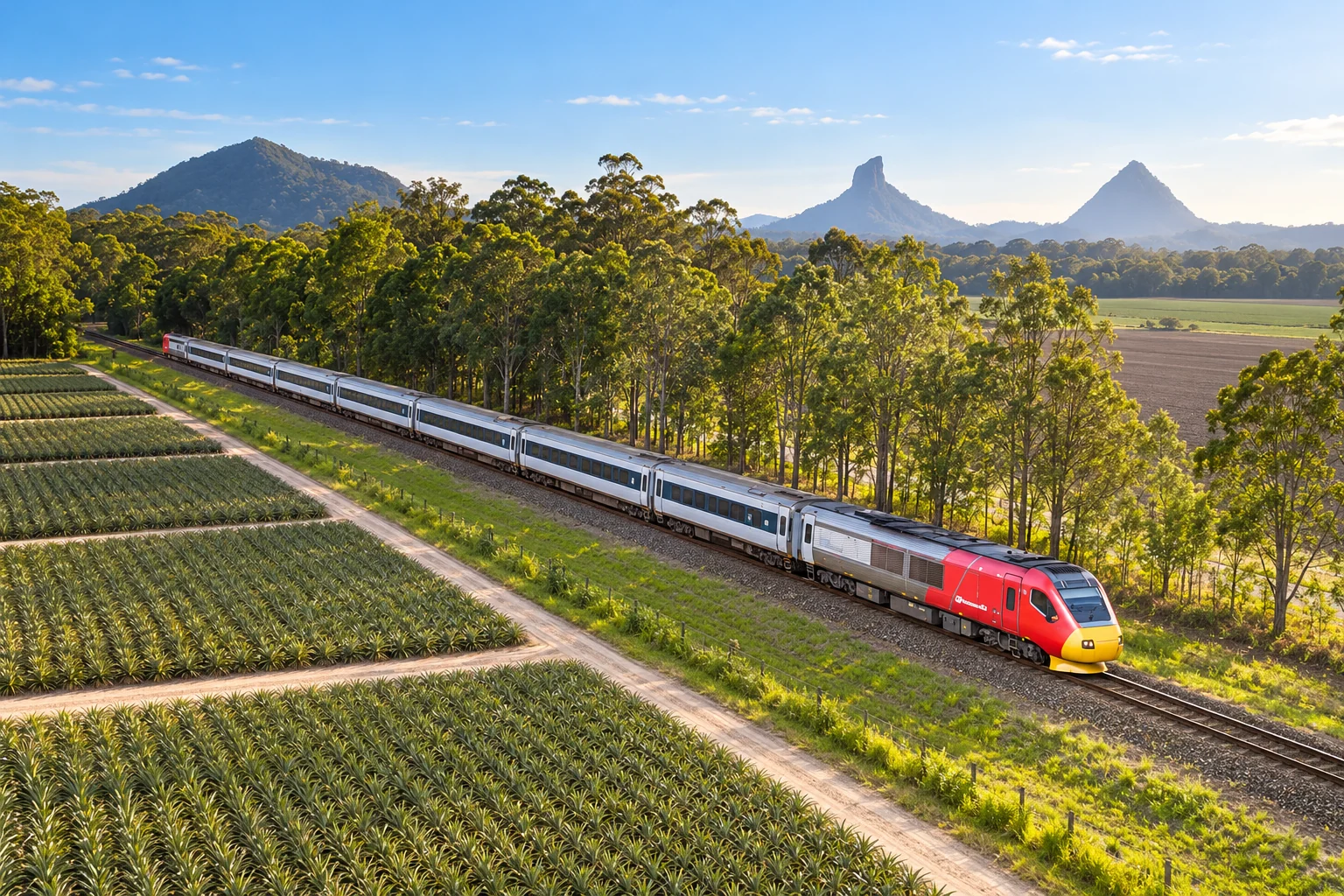
Australia’s cities sit far apart, and the country has no high-speed rail. For most first-time visitors the choice comes down to a few routes: a short domestic flight, or a conventional long-distance train such as the NSW TrainLink XPT between Sydney and Melbourne, Queensland Rail’s Spirit of Queensland between Brisbane and Cairns, or the Indian Pacific across the continent. The XPT is an older diesel train that carries Economy seats, First Class seats and overnight sleeper cabins.
Flying wins on speed for almost every route. Sydney to Melbourne takes about 1.5 hours in the air and about 11 hours by XPT. The train earns its place when you want to skip the airport, sleep in a bed rather than a hotel, carry more luggage than a budget fare allows, or treat the journey as part of the holiday. The Indian Pacific and the Spirit of Queensland are built for that last purpose.
Sydney to Melbourne is the main example because it has the most reliable data for both modes. Brisbane to Cairns and Sydney to Perth cover longer journeys.
Door-to-door time on Sydney to Melbourne
What the flight really takes
Nonstop flights between Sydney and Melbourne cover about 708 km. Directflights lists 1h30m to 1h40m for direct Qantas, Virgin Australia and Jetstar services, Skyscanner averages 1h36m, and Google Flights shows 1h30m as the shortest. Those figures measure the time in the air only. Rail Ninja puts the door-to-door total at 4 to 5 hours once you add travel to the airport, check-in, security, boarding, baggage collection and the trip into the city at the other end.
You can build your own estimate for the Sydney end. The Airport Link train runs direct between Central station and the airport stations, and the ride takes about 11 to 13 minutes or slightly longer, depending on the station and the source. Unchartedlens estimates about 60 minutes from Central to the domestic gate by train, built on a 45-minute buffer for check-in and security, and notes that airlines typically recommend arriving 60 to 90 minutes before a domestic departure. A taxi from Central takes about 67 minutes by the same estimate, and bus 420 takes about 85.
Terminals matter at Sydney. According to Directflights, Qantas uses Terminal 3, Virgin Australia uses Terminal 2, and Jetstar uses Terminals 1 and 2. Check your boarding pass before you pick an airport station. Jetstar also flies some Melbourne services into Avalon Airport near Geelong rather than Tullamarine, so confirm which airport your fare lands at, because the trip into central Melbourne will be longer from Avalon.
Add those pieces together and a Sydney to Melbourne flight is realistically a four-to-five-hour trip from your accommodation in one city to your accommodation in the other. Delays, a late bag and a long queue at security all push it higher.
What the XPT takes
The XPT leaves from Central station and arrives at Southern Cross station, both on the edge of each city centre. TrainsTracking’s 2026 timetable shows a 07:26 departure from Sydney Central and a 19:10 arrival at Melbourne Southern Cross, which is 11h44m over 963 km. Other published figures run from 10h50m to 11h15m, so plan for about 11 hours and check the timetable for your travel date. The same timetable lists a 10-minute stop in Canberra.
Because both stations sit in the city centres, door-to-door time is close to the train’s running time plus the short trip to and from each station. There is no check-in queue. You arrive shortly before departure, find your seat, and the clock starts.
Two XPT services run daily in each direction, according to Seat61: one in daytime and one overnight with a sleeping car. The overnight service changes the arithmetic. A traveller who would otherwise pay for a night’s accommodation in Melbourne can sleep on the train and arrive in the morning, which turns the long journey time into a cost saving of its own.
The verdict for this route
The flight saves roughly six to seven hours on a typical trip. If you have a fixed number of days, that gap is the strongest argument for flying. The train suits travellers who would spend those hours anyway, such as a day-train traveller who wants to see the countryside or a sleeper passenger who treats the night as accommodation.
What each trip costs once you add everything up
Sydney to Melbourne fares
Flight prices change every day, so treat these figures as a guide to the range. Kayak Australia’s route page lists the cheapest one-way Jetstar fare at $95, Virgin Australia from $104.60 and Qantas from $123.23. The same page shows a last-minute Virgin fare at $295, which shows how far prices climb when you book close to departure.
XPT fares also vary with class, date and booking time. TrainsTracking lists separate Economy and Business fares. Australia Trains lists Economy from about $65, rising well above that depending on how early you book, and Rail Ninja quotes Economy from around $105. TrainsTracking adds that advance fares are usually cheaper than fares bought on the day.
The headline fares therefore overlap. An early-booked XPT Economy seat costs about the same as a cheap Jetstar flight. A last-minute flight or train ticket can cost several times more.
The extras that change the result
The flight price leaves out several costs. The first is getting to the airport. Airport Link single fares from Central include a station access fee on top of the normal fare, according to Unchartedlens. Destination Well Known warns that passengers who leave the station and re-enter pay the access fee twice. Bus 420 is far cheaper, per Unchartedlens, though it is the slowest option. Taxis from Central cost considerably more by the same estimate.
The second extra is luggage. Jetstar’s Starter fare and Virgin’s Economy Lite include no checked bag, and adding one costs money, as the next section shows. The XPT allows a large bag in Economy without a separate fee.
A worked example shows the effect. Take a $95 Jetstar fare and add a checked bag bought online, which adds a further cost that varies by source, plus the Airport Link fare at Sydney. The trip climbs well above the headline fare before any transfer on the Melbourne side. An XPT Economy seat quoted between $65 and $105 includes a hand bag and a large bag, so the cheapest train fare can undercut the cheapest flight once you carry a suitcase.
Sleeper cabins are the exception to cheap train travel. The overnight XPT’s sleeper berths are limited and sell out early. Sleeper bookings are taken by phone with NSW TrainLink telesales on 13 22 32 or +61 2 3814 0210, open daily 06:15 to 20:30 Sydney time, according to Seat61.
Long-distance fares
On longer routes the price gap in flights’ favour grows. Australia Your Way reports that Brisbane to Cairns economy flights regularly come in under $150. Train fares on the Spirit of Queensland have been reported at from a lower entry fare on Rome2Rio and as high as a much higher figure for the train leg in a traveller’s RailBed review. Queensland Rail uses tiered pricing, so earlier bookings usually cost less. Check the current fare on queenslandrailtravel.com.au rather than relying on an older figure.
The Indian Pacific is a different kind of trip. Journey Beyond’s 2026 Coast to Coast package lists Gold Premium Twin Advance Purchase from $3,690 per person, Gold Premium Twin Everyday from $4,290, Platinum Twin Everyday from $6,490 and the Australis Suite from $16,090, depending on season. These are package prices for a four-day journey, so they compare with a holiday, not a flight.
Luggage rules to check before you book
Luggage is where a cheap flight most often ends up costing more than expected. Fare names show whether a checked bag is included, and each airline uses its own names.
Qantas, Jetstar and Virgin Australia
On Australian domestic flights, Qantas Economy includes one checked bag up to 23kg. Premium Economy includes two bags of up to 23kg each, and Business includes two bags of up to 32kg each. Each piece must measure no more than 140cm in width plus height plus depth, and no single piece may weigh more than 32kg. Exceptions apply on Dash 8 services and to Lord Howe, Christmas and Cocos (Keeling) Islands. Power banks must travel in your carry-on, since the airline does not allow them in checked bags.
Jetstar’s cheapest fare, Starter, includes no checked bag. You get a 7kg carry-on limit covering one bag plus a small personal item. Bundles add weight: Starter Plus includes 20kg of checked luggage, and Starter Max includes 25kg according to Traveloka or 30kg according to Deeparrival. Because those two figures disagree, confirm the bundle weight at booking. If you buy a bag separately, the weight blocks run from 15kg to 40kg per passenger with a 32kg limit on any single bag. Adding a bag at the airport costs about A$120 for 20kg, per Travelvient, so buying during booking costs noticeably less. Qantas Frequent Flyer status does not add baggage on Jetstar.
Virgin Australia’s Economy Lite also includes no checked bag. Traveloka says its carry-on allowance rose to 8kg plus a personal item in February 2026. Choice and Flex fares include one checked bag of up to 23kg, according to ShopBack. Travelvient lists extra checked bags on Virgin domestic flights from A$67 to A$170, cheapest when you add them online at booking.
Since airlines revise baggage rules and fees, read the fare conditions on the airline’s own booking page before you pay, and compare the price with the bag included, not the headline fare.
What the XPT allows
Rail allowances are simpler and published by Transport for NSW. Economy passengers get one hand bag and one large bag. First Class passengers get one hand bag and up to two large bags. Hand luggage can weigh up to 10kg and large luggage up to 20kg, and no item over 20kg is allowed on any NSW TrainLink service. Hand luggage is limited to 30cm high, 50cm long and 30cm wide, and large luggage to 60cm high, 70cm long and 50cm wide. Measure the wheels and handles too.
The weight limit is lower than a Qantas Economy checked bag (23kg), so a heavy suitcase that passes at the airport may need repacking for the train. There is no separate fee for the second bag.
You can check luggage in at attended NSW TrainLink stations at least 30 minutes before departure. Oversized items you have pre-booked, such as bikes and surfboards, must be checked in 60 minutes before departure, and you book those by calling 13 22 32. Prams, baby seats, mobility aids and medical equipment travel in addition to the standard allowance. Dangerous goods, weapons, household appliances, plants and perishable food are prohibited. Sporting equipment and musical instruments appear in the page’s special allowances section, so phone 13 22 32 to confirm how your item is treated before you travel.
Train comfort and accessibility
What the XPT is like on board
The XPT has Economy and First Class seats, and the overnight services also carry First Class sleeper cabins. There is a buffet car for food and drinks. According to the official XPT page, a sleeping car holds 18 sleeping berths or 27 seats, and the Economy saloons hold 68 and 44 seats. Sleeper bookings include bed linen, towels, toiletries and a complimentary breakfast, according to the NSW TrainLink timetable.
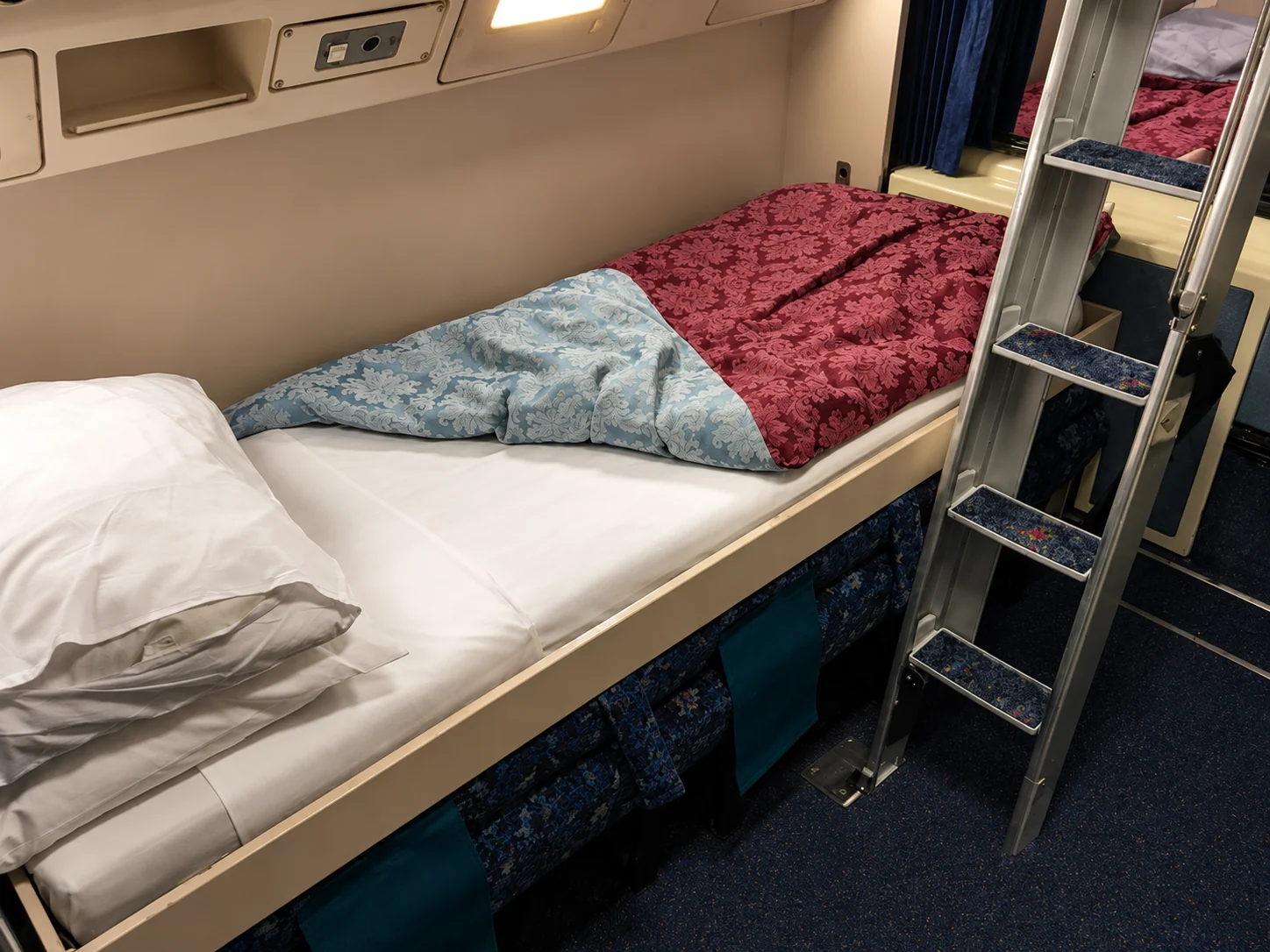
Expect an older train. Melbourne Tourism describes the rolling stock as 1980s-era, comfortable but not luxurious. Transport for NSW says a new fleet of regional trains is replacing the XPT, and Sydneyinfo cites a A$2.29 billion Regional Rail project with entry into service expected around 2028 to 2029. For a trip now, plan for the existing carriages. Australia Trains describes Economy seats that recline, with air conditioning, charging points and large windows.
Accessibility on regional trains
The XPT has three accessible seats in First Class and two wheelchair spaces in the buffet and first-class carriage, with accessible toilets in the buffet and saloon carriages, according to the Transport for NSW XPT page. A NSW Parliament answer confirms that the XPT and Xplorer have ramp access, while some other regional trains take wheelchairs only if they fold.
Book assistance at least 48 hours ahead through the Transport for NSW accessibility page. Later requests are met on a best-efforts basis. Online, choose "Request assistance" and then the wheelchair option, which also books ramp assistance. You can phone 13 22 32 instead, and you should bring proof of entitlement or a disability card.
Two practical points apply. Trackwork can replace trains with coaches, so check for trackwork before you travel. Check station accessibility with the station lookup tool as well, because a short platform can affect where you get off. An ABC report from April 2025 described passengers phoning to book accessible seats during a booking system transition, with online booking promised to follow, so phone if the website does not offer the option.
Comfort on the Spirit of Queensland
The Spirit of Queensland is the best example of a train that competes on comfort. It carries two RailBed sleeper cars where lie-flat seats become beds overnight, and meals are included with RailBed. Premium Economy has reclining seats. RailBed is rare on Australian rail, so a night in one is part of the appeal. The same source lists Brisbane departures at 3:45pm on Monday, Wednesday, Friday and Saturday, but check the current timetable on the Queensland Rail website before you plan around a particular day.
Choosing by trip length
Under about two hours in the air
When the flight takes under two hours, flying is faster door to door on nearly every route, and Brisbane to Cairns shows it clearly. The flight takes under two hours, and the Spirit of Queensland takes about 25 hours to cover 1,681 km. Wikipedia’s Spirit of Queensland entry averages 24h55m. Fly if you have a fixed itinerary with several stops to cover.
Take the train on this kind of route only if the journey itself is part of what you came for. You give up a full day, but you also save a night’s accommodation, and in RailBed you arrive having slept lying flat.
Around 1.5 hours in the air, 11 hours by rail
Sydney to Melbourne sits in the middle. The flight wins on speed by six or seven hours, and the cheapest fares on both modes overlap. The XPT starts to make sense in three situations. You are carrying a large bag and want to avoid checked-bag fees. You would rather arrive at a city-centre station than navigate an airport. Or you want to take the overnight service and wake up in the next city. If none of these apply and your time is limited, fly.
Add up the extras before you compare. A cheap flight with no bag, an airport train fare and a transfer on the Melbourne side often costs about the same as an Economy XPT seat. The flight still saves you the day.
Long journeys where the train is the trip
Sydney to Perth by rail is a different kind of decision. Tourism Australia describes a four-day journey covering 4,352 km on the Indian Pacific. Journey Beyond’s package runs Wednesdays year round, with 4 days and 3 nights and stops off the train along the way. Nobody takes this train to save money or time. Choose it if you want a rail holiday and have the budget and the days, and fly if you only need to get from one coast to the other.
A simple way to decide
Start with how many days you have and how much luggage you carry. If the trip has to fit into a tight schedule, or the flight is under two hours, book a flight and add a checked bag at the time of booking. If you have a spare day, travel with more than a carry-on, or want the sleeper experience, price the train for the same dates and compare the totals. Book either one as early as you can, since fares for both rise close to departure and sleeper berths sell out.
Key Takeaways
- Fly when time is short: Sydney to Melbourne takes about 1.5 hours in the air and about 4 to 5 hours door to door, against roughly 11 hours on the XPT.
- Compare totals, not headline fares: A $95 Jetstar fare plus a checked bag and the Airport Link can cost about as much as an XPT Economy seat, which includes a large bag.
- Check the bag allowance before paying: Jetstar Starter and Virgin Economy Lite include no checked bag, Qantas Economy includes 23kg, and the XPT allows one large bag up to 20kg in Economy.
- Book train assistance 48 hours ahead: Call 13 22 32 or use "Request assistance" online, and check for trackwork that replaces trains with coaches.
- Treat the long routes as experiences: Brisbane to Cairns takes about 25 hours by train and under two hours by air, and the Indian Pacific is a four-day journey priced as a holiday package.