Little penguins nest in burrows along Australia’s southern coast and come ashore at dusk after a day at sea. Five sites let visitors watch them return: Phillip Island and St Kilda in Victoria, Bicheno in Tasmania, Granite Island in South Australia, and Penguin Island in Western Australia. Phillip Island draws the largest crowds and has the most structured viewing. St Kilda is free but limits numbers. Bicheno and Granite Island run guided tours. Penguin Island is a seasonal ferry trip with a winter closure.
Fees, session times and seasonal closures change. Confirm current details with the managing authority or tour operator before you travel. Each section below links to the place to check.
Choosing between the five sites
The sites differ most in cost, booking requirements and the months they are open. Phillip Island is the only one that lists penguin arrivals every night of the year. Penguin Island is the only one with a long winter closure, and Bicheno closes its tour in March.
| Site | State | How you see them | Cost | Key restriction |
|---|---|---|---|---|
| Phillip Island Penguin Parade | Victoria | Ticketed viewing at Summerlands | Check the booking site | Book ahead; no photography once viewing begins |
| St Kilda Pier | Victoria | Free timed session on a boardwalk | Free | Booking required; 150 people per session |
| Bicheno | Tasmania | Guided dusk walk | $76 adult | Tour closed in March |
| Granite Island | South Australia | Guided dusk tour | AUD $25.00 adult | After-dusk access on guided tour only |
| Penguin Island | Western Australia | Ferry to a conservation park | No park charge; ferry fare applies | Closed in winter and on forecast 35°C days |
Phillip Island Penguin Parade, Victoria
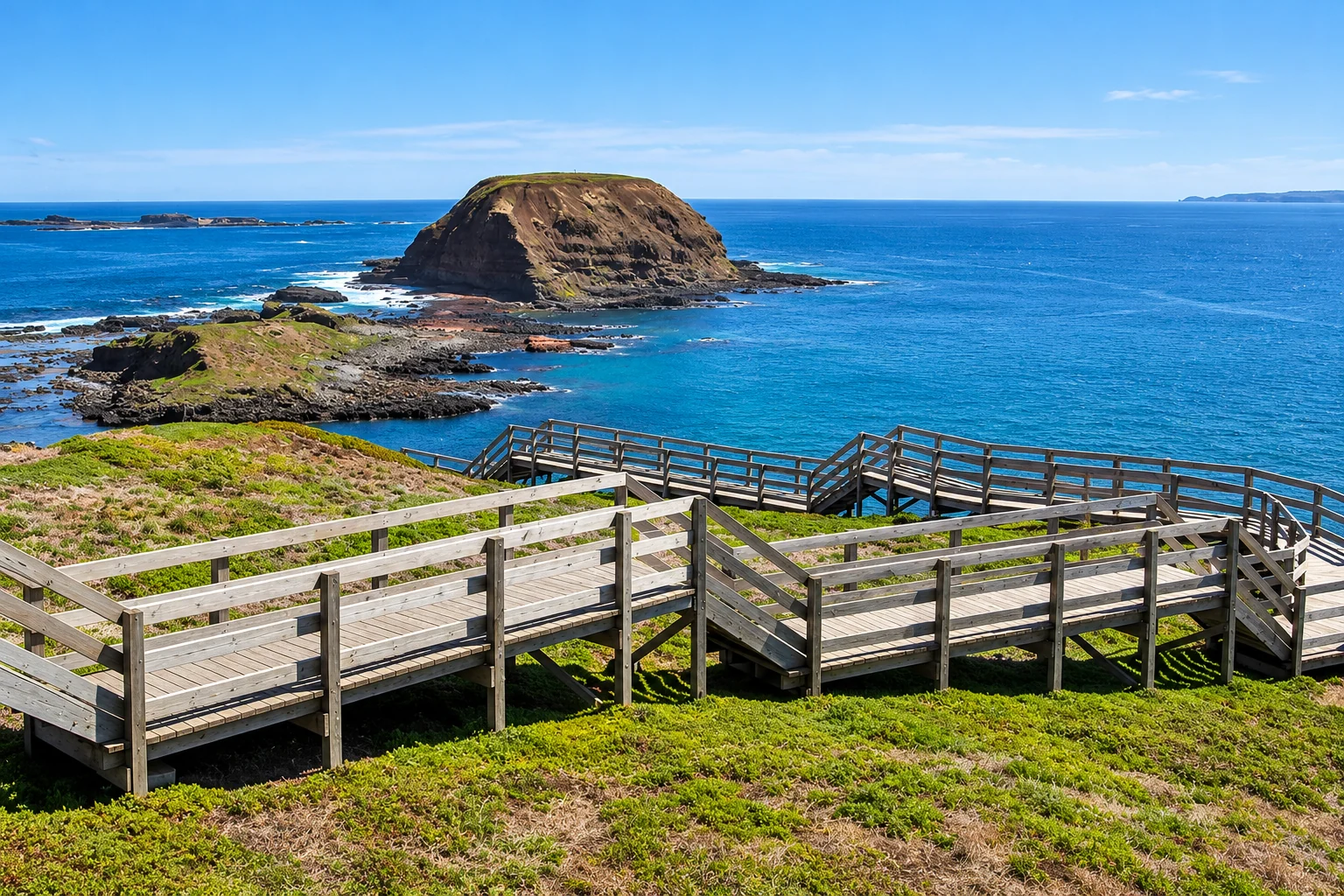
The Penguin Parade is at 1019 Ventnor Road, Summerlands, Victoria 3922, which the Visit Melbourne listing gives as its address. The operator, Phillip Island Nature Parks, describes Phillip Island as home to the largest little penguin colony in the world. Penguins come ashore just after sunset every night of the year, and visitors watch them cross Summerlands Beach to their burrows.

Getting to Phillip Island
The island is about 140 km from Melbourne, a drive of 1 hour 40 minutes to 2 hours. No train runs to the island. A V/Line coach goes to San Remo and on to Cowes, but its timetable does not fit evening viewing. Visitors without a car should also know that no public transport returns to Melbourne after the parade, so a tour from Melbourne, a hire car or accommodation on the island is the practical choice.
The operator currently lists The Boulevard (Southern Road) between the Nobbies and the Penguin Parade as open to moving traffic with no parking. The Nobbies boardwalks and car park are open, while the Nobbies Centre, café and toilets are closed. The operator’s Penguin Parade page carries the current notices, including works on burrows and boardwalks. The penguins continue their nightly routine during those works.
Times and when to arrive
The Visitor Centre opens daily at 12pm, and on Christmas Day from 2pm. Arrival time shifts with sunset, so the operator publishes a Penguin Arrival Calendar with estimated arrival times for each date on its opening times page. Arrive at least one hour before the listed arrival time for General Viewing and Penguins Plus tickets, and 30 minutes before for Underground tickets. In summer, sunset falls late in the evening, so a Phillip Island visit becomes a full evening trip and a late drive back.
Tickets and booking
There are three ticket categories: General Viewing, Penguins Plus and Underground. Book through bookings.penguins.org.au, which also shows current prices and what each category includes. Everyone aged 4 and over needs a ticket.
According to the operator’s accessibility guide, discounts apply to holders of Australian pensioner cards, seniors cards, carer cards and DVA gold cards, and each card must be shown on arrival. Companion Card holders enter free but must book by phone on 03 5951 2830. The same guide describes the site as easy to access and a certified sensory-inclusive site with trained staff.
Peak demand is the main planning risk. The operator sells out during busy periods and advises pre-booking and allowing extra travel time from mid-December to late January, and during long weekends and school holidays. In December and January, seating is limited and not guaranteed, so arrive at the time printed on your ticket. Standing space is available.
Rules on the viewing stands
Photography and video are not permitted once viewing begins, and rangers patrol the stands. Leave the camera in the car or bag and watch. The operator says the number of penguins and their behaviour cannot be guaranteed, since they are wild animals. The Visitor Centre has a café, retail options and bathrooms, and public toilets are in the Visitor Centre car park.

St Kilda Pier, Melbourne
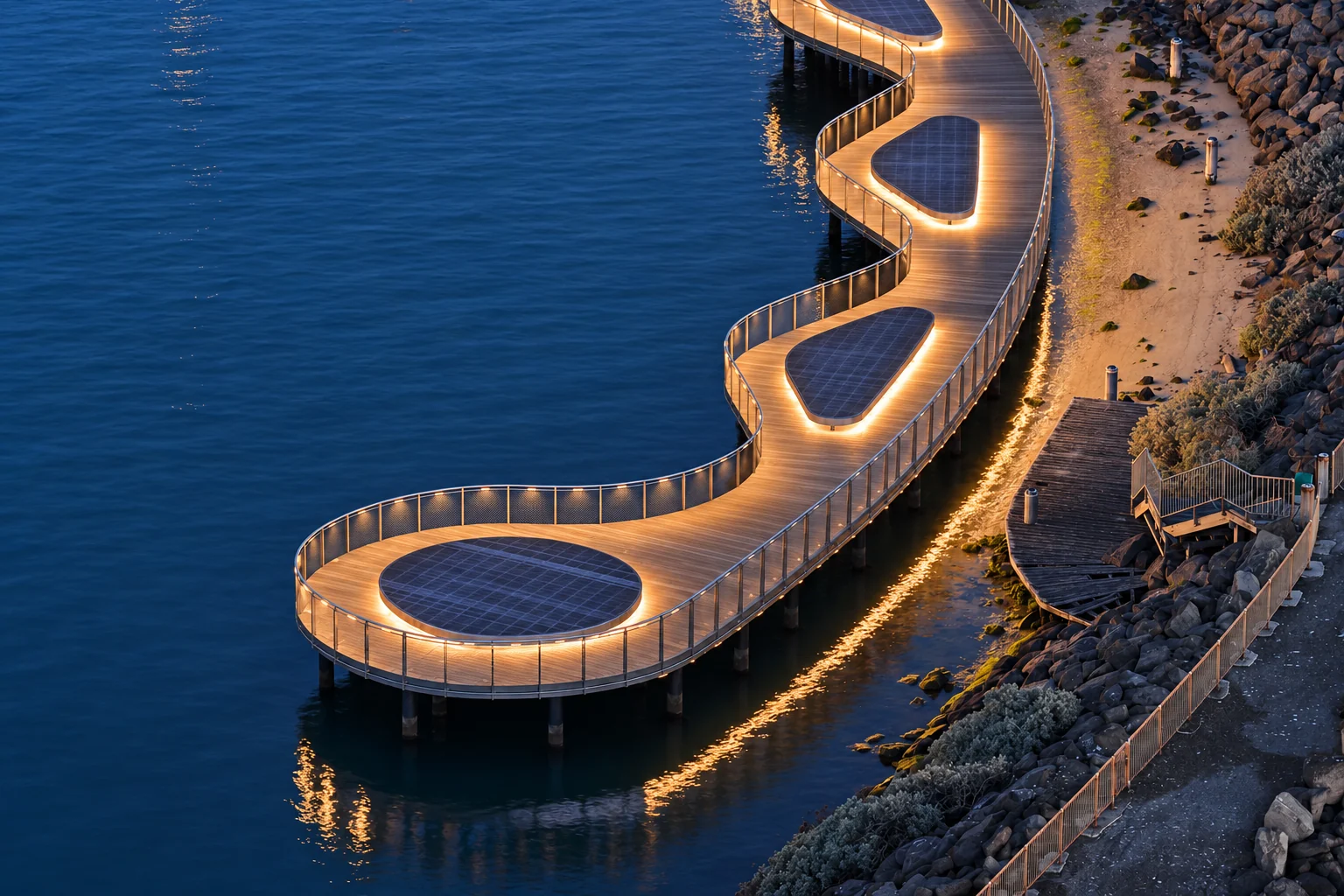
St Kilda is the only site in this list that is free and inside a capital city. Penguins nest in the breakwater rocks, and viewing is from a purpose-built boardwalk and platform at the end of St Kilda Pier. Parks Victoria states that Phillip Island Nature Parks runs the viewing experience. Earthcare St Kilda describes it as jointly managed with Parks Victoria, with Earthcare volunteers acting as penguin guides.
Booking and sessions
Sessions cost nothing, but a booking is required and is made through the Phillip Island Nature Parks St Kilda page. Two Penguin Viewing Experience sessions run each night, and each is limited to 150 people. Earthcare says numbers are capped to protect the colony. Bookings can be made every Tuesday at 10am for the following week’s sessions.
Each session lasts one hour, and start times change through the year. Because sunset moves, the booking site is the place to find exact times. Penguins return to the breakwater around 30 minutes after sunset, in small groups called rafts, so an earlier-evening session in a late-sunset month is mostly waiting time before the first arrivals.
Lighting and distance rules
St Kilda has the strictest lighting rules of any site here. White light and flash photography are prohibited, torches are not permitted and camera flashes must stay off. Visitors must also keep at least 3 metres from penguins and stay on the boardwalk, according to the viewing guidelines. Penguins cross the top of the breakwater, so give them space. The same page says Earthcare penguin guides monitor the rules every night of the year.
Other rules: stay on designated paths and platforms, do not climb on rocks, never touch or feed wildlife and keep noise to a minimum. Little penguins are protected under the Wildlife Act 1975, and interfering with them or their habitat is prohibited. Parks Victoria also notes that parks and reserves remain open while the impacts of H5 bird flu are managed. Do not touch or approach sick or dead birds.
Bicheno, Tasmania
Bicheno is on Tasmania’s east coast, and the penguin experience is a paid, guided walk run by Bicheno Penguin Tours at 70 Burgess St, Bicheno, TAS 7215. The operator’s website lists the phone number as (03) 6375 1333 and office hours as 10:00am to 5:00pm, Monday to Sunday.
Tour times by season
Start times follow dusk, which moves through the year. From September to January, tours depart between 7:30pm and 9:30pm. From February to August, they depart between 5:00pm and 7:30pm. The tour takes about one hour and your booking confirms the start time. The route is a guided walk of about 700 metres through a rehabilitated rookery, which is a penguin nesting area.
March closure and the moulting season
Tours are closed in March because penguin sightings are reduced at that time. The operator may reopen bookings closer to the time if penguin activity allows. February is the moulting season, when penguins spend more time on land, so it falls just before the closure. Moulting is the annual replacement of feathers, and during it penguins stay ashore. Anyone planning a late-summer trip to Tasmania should confirm availability with the operator before building an itinerary around the tour.
Prices and booking
The adult price is $76.00 and the child price is $32.00. Children under 4 are free. Book through the Make a Booking page on the operator’s website. Before the tour begins, the guide covers safety and noise levels and how to approach the viewing areas, then explains penguin behaviour and conservation during the walk. The listing carries an EcoStar accreditation badge.
A free alternative
Travellers who prefer an unguided option can try Waubs Beach and Redbill Beach, which local guides list as a free, self-guided option alongside the paid tour. The same light, noise and distance courtesy applies there, and sightings are not guaranteed.
Granite Island, South Australia
Granite Island sits off Victor Harbor on the Fleurieu Peninsula, and the colony on its North Shore can be visited at night only on a guided tour. This rule protects the wild colony.
The tour and its price
The Guided Nature & Penguin Tour is run by Oceanic Victor Pty Ltd, and the operator’s booking page lists the adult price as AUD $25.00, with separate bands for children aged 4 to 15 and infants aged 0 to 3. The tour starts just before dusk and runs about 90 minutes. It covers the North Shore of the island, where little penguins come ashore and return to their burrows.
Meeting point and the walk in
Meet at the allocated area on Granite Island near the four tall pine trees visible from the causeway. A penguin meeting sign is posted and the guide wears a high-visibility top. Allow at least 15 minutes to cross the causeway, which the booking page also calls the jetty. Because the tour starts just before dusk, arriving on the island with time to spare avoids missing the start.
What to expect on sightings
The operator cannot guarantee the locations or number of penguins because they are wild animals. In cooler months or during seasonal change, sightings can vary between 2 and 13 penguins. This is a smaller and quieter colony than Phillip Island, and the experience suits visitors who prefer a small guided group to a grandstand.
Penguin Island, Western Australia
Penguin Island Conservation Park is a 12.5-hectare island less than 700 metres offshore from Mersey Point in Rockingham, south of Perth. The Department of Biodiversity, Conservation and Attractions (DBCA) manages it. There is no charge to visit the park, and dogs and other pets are not permitted. The ferry fare is a separate cost.
Open season and winter closure
The privately operated ferry is the way most visitors reach the island. The operator says the island is open daily from 15 October to the Western Australia Day public holiday in early June, subject to weather and tides. It then closes until October to protect breeding penguins from disturbance. DBCA states that the winter closure was extended by four weeks, so check the DBCA page for the reopening date before booking an October trip.
The operator’s ferry listing gives weekend operation from 4 April to 31 May 2026, and directs visitors to DBCA for the expected timeframe of ferry access, so check the booking calendar before travel.
Closures for weather and heat
The island closes at any time of year when weather makes the water crossing hazardous, and the Penguin Island Discovery Centre closes at those times too. A separate hot-weather rule closes the island to all visitors for the whole day when the forecast maximum is 35°C or higher. This applies between 1 December and 28 February. DBCA issues a Park Alert the day before and notifies commercial operators. Signs go up at Mersey Point and on the island. The ferry operator says it will not run on forecast days of 35°C or higher, with decisions made the day before.
Check DBCA Park Alerts or contact the local office before travel. In summer, keep the booking flexible in case a hot forecast cancels your day.
Ferry times, booking and getting there
Ticket and gift shop hours are 8:30am to 3:00pm in summer months and 9:00am to 2:00pm in winter months, and reservations are taken from 9:00am to 3:00pm. Return ferries start at 10:05am and run until the last departure at 2:15pm, with multiple departures aimed at having everyone off the island by 4pm. Times vary with tides and passenger numbers.
Online booking is highly recommended and closes two hours before departure, though tickets can be bought on the day. Check in 15 minutes before departure on weekdays and 30 minutes on weekends and holidays. Return ferries need no prior booking. The guided wildlife walk takes just over an hour return, and the operator recommends allowing at least two hours on the island. The operator’s Pengos Café opens daily from 8am.
Self-driving from Perth takes about 40 minutes to 1 hour, depending on traffic. By public transport, take the Mandurah line to Rockingham, then bus 551, 552 or 553 to Penguin and Watts Road and walk the rest.
Rules on the island
There are no food outlets on the island, so bring your own food for the day. Rubbish bins are not provided, so take rubbish back to the mainland. Boardwalks, paths and two lookouts are available. Do not walk across the sandbar. DBCA warns of strong rips and currents and rapidly changing depths, and says people have drowned attempting the crossing.
Wider protection measures include a restricted access zone, extra water sources for penguins during moulting and breeding, and monitored eight-knot speed limit zones around Penguin Island and Shoalwater Bay. H5 bird flu has been detected in WA. Report sick or dead birds, marine mammals or other wildlife to the Emergency Animal Disease hotline on 1800 675 888.
The island’s colony is small and under pressure. Counts put the population at 120 little penguins in 2024, a 92% decline since 2007, when it peaked at 1,600. Those protections explain the closures and the strict rules.
Rules that apply at every site
The same few rules appear at all five places. Keep lights and flash off, and keep noise low. Stay on paths and boardwalks, and do not touch or feed wildlife. Phillip Island adds a ban on photography and video once viewing begins, and St Kilda sets a 3 metre minimum distance. Bicheno and Granite Island guides brief groups before the walk starts, and Penguin Island’s rules centre on staying off the sandbar and out of closed areas. On the night, a ranger, guide or volunteer at each site applies these rules.
Bird flu notices apply in Victoria and Western Australia. Leave sick or dead birds alone and report them to the relevant authority.
Planning checklist
- Book Phillip Island early. Arrive at least an hour before the listed arrival time (30 minutes for Underground tickets), and plan for sell-outs from mid-December to late January, on long weekends and in school holidays.
- Book St Kilda in advance, even though it is free. Two one-hour sessions run nightly with 150 places each, and bookings open every Tuesday at 10am for the following week.
- Check the calendar for Bicheno and Penguin Island. Bicheno’s tour closes in March, and Penguin Island closes in winter and on forecast days of 35°C or higher.
- Plan the Granite Island evening around the causeway. Allow at least 15 minutes to cross, and expect a small group, with sightings varying between 2 and 13 in cooler months.
- Leave torches and flash at home. St Kilda bans white light, torches and flash outright, and Phillip Island bans photography and video during viewing.