Australia is large, but a first-time visitor can cover much of it without driving. The east coast has regular trains and coaches between Melbourne, Sydney, Canberra and Brisbane. A ferry crosses Bass Strait to Tasmania. Two long-distance rail journeys cross the continent, and domestic airlines fill the gaps between distant cities. Each state runs its own regional rail and coach network, and each capital city has its own ticketing system. The main task is choosing one type of transport for each leg and learning how to book and pay for each one.
This guide follows that logic. It starts with how to match transport to distance, then covers the regional trains of New South Wales, Victoria and Queensland, the long-distance Journey Beyond trains, coaches and the Tasmanian ferry, domestic flight baggage, and the city smartcards and fare caps you will use between legs. Prices are in Australian dollars. Where a fare changes with season or fare class, the text says so, and the operator’s own booking page has the current figure.
Match each leg to the right transport
Distance and travel time decide which transport to use. Between nearby capitals and regional towns, trains and coaches are the main choice. Sydney to Canberra takes 4 hours 9 minutes by train, which compares well with the road. Sydney to Melbourne takes about 10 hours 50 minutes on the daytime train and about 12 hours on an overnight coach. At that distance an overnight service saves a night’s accommodation, while the daytime train lets you see the countryside.
For the really long legs, such as Perth to anywhere on the east coast, the choice is between a multi-day train holiday and a flight. The Indian Pacific between Perth, Adelaide and Sydney is a 4,352 km crossing sold as an all-inclusive train holiday. The trip is the destination itself, and fares reflect that. If your priority is simply arriving, book a flight and spend the saved days elsewhere.
Ferries fill one specific gap. The only way to reach Tasmania without flying is the Spirit of Tasmania overnight ferry, and it carries foot passengers as well as cars. Foot passengers can hire a car in Devonport after they disembark, which suits visitors who want a car only for the island leg.
A workable first itinerary combines modes: a train from Melbourne to Sydney, a NSW TrainLink service to Canberra, a flight north to Queensland, and the Spirit of Queensland train or a coach up the coast to Cairns. Plan the connections first. The awkward parts are the first and last kilometres, between an airport or ferry terminal and the nearest station. City smartcards, covered in the final section, handle most of those transfers.
Plan for booking lead times as well. Long-distance trains and the ferry fill up in peak periods, coach fares are lowest when bought early, and several regional trains open for booking six months ahead. Fix the dates of the fixed-capacity legs (the ferry, the sleeper trains, and the flights you can’t swap) before you book flexible coach and city legs around them.
East coast trains: NSW TrainLink
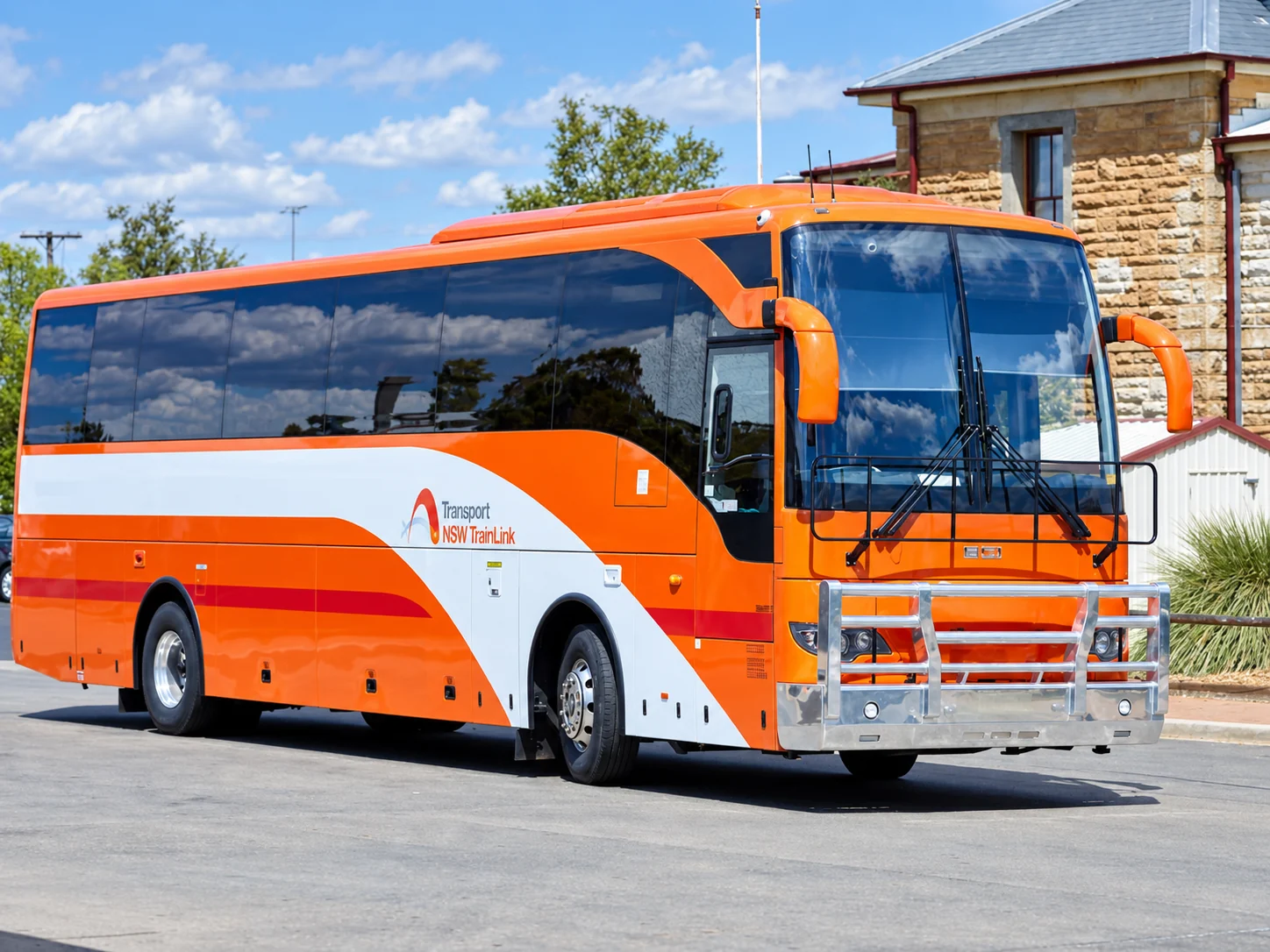
NSW TrainLink sells seats on trains and coaches to more than 365 destinations across New South Wales, Victoria, Queensland and the ACT. For most first-time visitors it is the most useful regional network, because it connects Sydney with Canberra and Melbourne and feeds into other states’ services.
Sydney to Melbourne
The timetable valid from 15 November 2026 lists two daily services in each direction on the Southern Region line. The daytime train 623 leaves Sydney Central at 07:40 and reaches Melbourne Southern Cross at 18:30, while the overnight train 621 leaves Sydney at 20:42 and arrives in Melbourne at 07:30. Going the other way, train 624 leaves Melbourne at 08:30 and arrives in Sydney at 19:48. Train 622 leaves at 19:50 and arrives at 06:52.
Most services open for booking up to six months ahead. Some short sections have a shorter window: trips between Sydney and Moss Vale on trains 623 and 621 can only be booked up to seven days ahead. A published connection also links Canberra’s neighbour Queanbeyan to the main line. Coach 781 leaves Queanbeyan Bus Interchange at 09:15 and arrives at Yass Junction at 10:55, where it meets train 623 at 11:21. This is a timetable connection between separate services, not a single through ticket, so treat each part as its own booking.
Fares for Sydney to Melbourne vary by seat class and booking time. Seat61 is a useful starting point, but check the current price at booking.
Sydney to Canberra
The shortest train journey is 4 hours 9 minutes from Sydney Central to Canberra’s Kingston station. A coach option takes 5 hours 29 minutes. Tickets can be bought online, by phone or at a station, and adult fares bought online get a 5% discount under the conditions on the page. Trains 631, 633 and 635 run to Canberra, and 632, 634 and 636 run back. Most journeys can be booked up to 180 days ahead, while trips within Sydney, Mittagong, Bowral and Moss Vale have a seven-day window.
The timetable excludes special-event trips, temporary changes and trackwork, so check service alerts before you travel. Trackwork replaces trains with coaches at times, and that adds travel time.
Passes and concession fares
If you expect to take several regional trips, a Discovery Pass covers unlimited Economy travel on the network. Listed "from" prices are $232 for 14 days, $275 for one month, $298 for three months and $420 for six months, with conditions. Compare the pass against individual tickets for your itinerary; if you plan only Sydney to Melbourne and back, single tickets bought early are likely to cost less. Children aged 4 to 15 travel for $1 with an adult, and family saver deals exist.
Victorian and Queensland regional trains
V/Line in Victoria
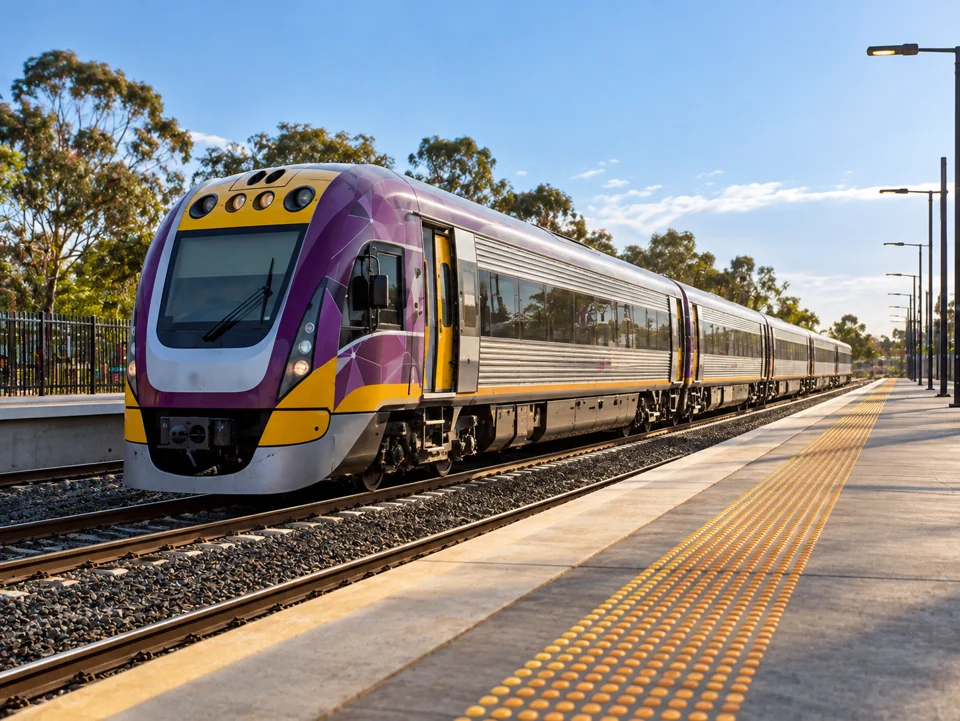
V/Line runs trains and coaches across regional Victoria. From Southern Cross Station, trains go to Bendigo, Ballarat, Geelong, Bairnsdale and Albury, and coaches go to Warrnambool, Mildura, Bright and Beechworth. Melbourne to Mildura uses a co-ordinated train and bus service.
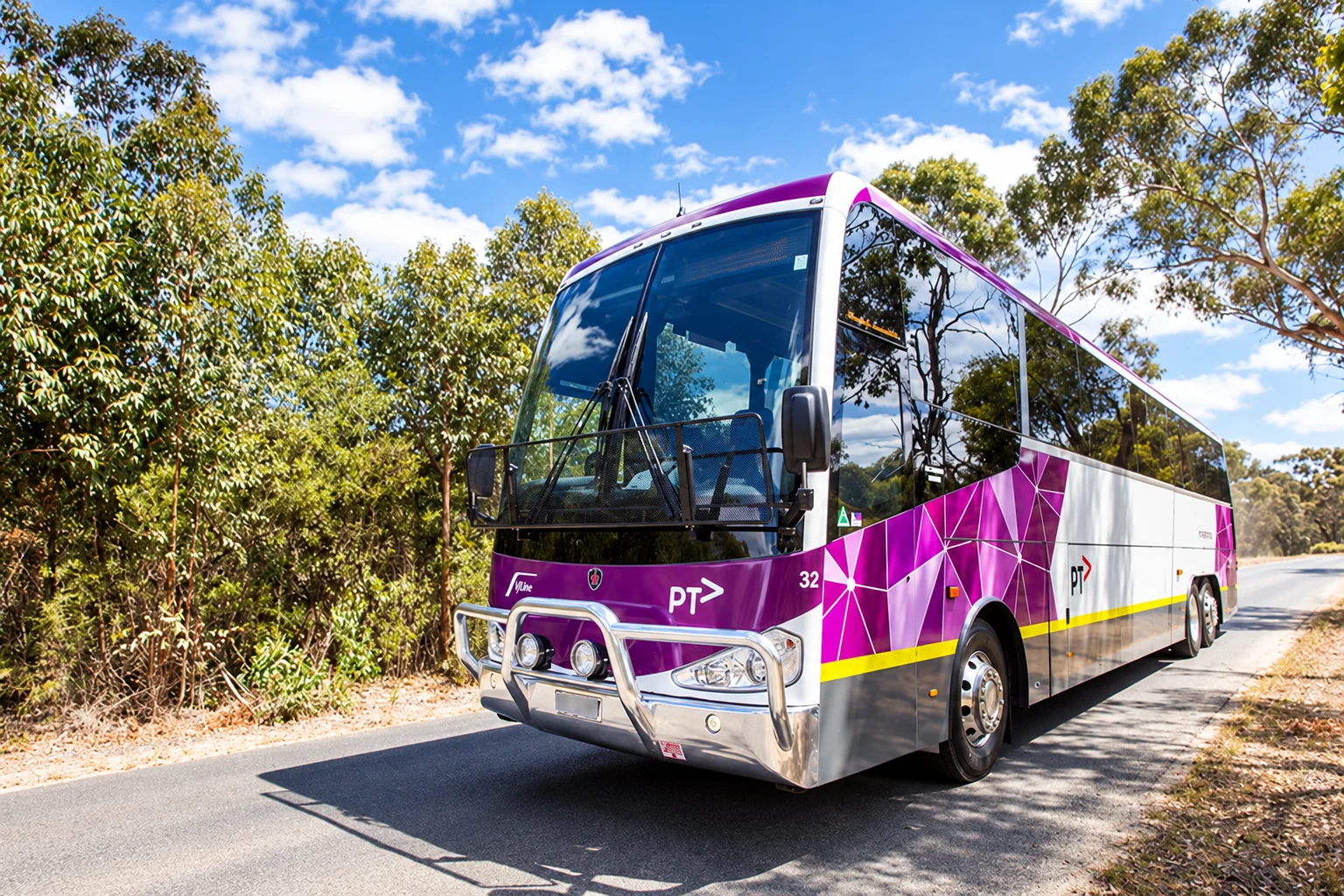
Which ticket you need depends on the trip. Transport Victoria says myki (Victoria’s reloadable travel card) and contactless bank-card payment are rolling out across V/Line train lines, with more lines added each week. Paper tickets and eTickets (a ticket on your phone) work at all V/Line train stations. You need a paper ticket or eTicket for V/Line coaches, for any train line where myki and contactless are not yet available, and for reserving a seat on a V/Line train. If a journey combines myki and a V/Line ticket, buy one ticket for the whole trip at a staffed station or on the V/Line website. On long-distance services, the V/Line Journey Planner calculates the fare and takes the booking, and reserved coaches are marked "R" and trains with reserved carriages "RC".
Fares are currently low. Public transport across Victoria is half price until 1 January 2027, with a weekday daily cap of $5.70 for full fares and $4.00 on weekends. Once you reach the cap, the rest of the day’s travel is free. Anyone travelling after that date should check whether the cap has been extended, because the full-price cap will be higher. Services to interstate stops within 60 km of the Victorian border fall under the regional fare cap, although you still need a valid ticket. Groups of 12 or more on coaches, or 20 or more on trains, must make a group booking at concession rates.
For late-night connections, Melbourne’s Night Network runs all-night trains and trams on weekends and a 2am coach service to key regional centres at standard myki fares.
Queensland Rail Traveltrain
Queensland’s long-distance trains are slow and scenic, and they cover large distances at low cost. The Spirit of Queensland between Brisbane and Cairns covers 1,681 km. Brisbane departures leave Roma Street at 15:45 on Monday, Wednesday, Friday and Saturday, and Cairns departures leave at 07:40 on Monday, Wednesday, Friday and Sunday, according to one schedule. The journey takes just over 24 hours overnight, with stops including Rockhampton, Mackay, Townsville, Proserpine and Maryborough West.
Published fares for 2026 depend on the fare class. One guide lists BQuick fares from $411 for Brisbane to Cairns, $351 to Townsville and $347 to Airlie Beach. Another gives RailBed fares of about $380 to $420 and Premium Economy of about $220 to $250 per person for the full trip. Because the classes differ, check Queensland Rail Travel before booking.
The outback trains run on the Spirit of the Outback (Brisbane to Longreach), the Westlander (Brisbane to Charleville) and the Inlander (Townsville to Mount Isa). The two-for-one outback fare ran from 1 November 2025 to 31 March 2026 and has expired. Full one-way AChoice fares in the 2025–26 season show the scale: $235 for Brisbane to Longreach, $108 to Roma, and $180 for Townsville to Mount Isa. Use these as a guide to current prices, and check the live fare before you book.
Long-distance trains: Indian Pacific, Ghan and Great Southern
Journey Beyond runs the three trans-continental services, and all three are sold as holidays with meals included, not as budget transport. They run on limited schedules, they sell out in peak periods, and you plan the rest of your trip around them.
The Indian Pacific has run since 23 February 1970. It runs year-round between Sydney and Perth via Adelaide, and the full crossing takes four days and three nights westbound. A motorail service once carried passenger vehicles between Adelaide and Perth, but it is no longer available, so the car-and-train combination is gone. The Ghan runs from Adelaide to Darwin through the Red Centre. In the 2025 fares schedule, the Indian Pacific runs January to December and The Ghan from March to November. The Great Southern, which links Adelaide and Brisbane, is a summer service. Its official page says it operates in January, February and December, and the 2025/26 timetable also lists February. Departures are on Fridays from Adelaide at 9.00 and Mondays from Brisbane at 11.15.
What it costs
Prices are for the whole holiday and vary with season and fare type. The Ghan Expedition package, which runs Darwin to Sydney with three nights on The Ghan, two nights in Adelaide, and then the Indian Pacific eastbound, lists Gold Twin everyday fares from $7,960 in November to $8,685 in August. Advance purchase fares are lower, and the Platinum class costs well above Gold. Reseller packages for 2025 started at $4,950 for Perth to Darwin over seven days and $6,145 for Darwin to Sydney over eight days. Advance purchase fares must be booked at least six months before travel, and fares and timetables can change without notice.
Peak pricing falls from April to July on The Ghan and from September to November on the Indian Pacific. Top End weather matters as well: from December to March the wet season can limit off-train comfort at stops such as Katherine, and April to October is the busiest booking window.
How to book
Use the "Book Now" button on the Journey Beyond site to reach the online booking engine, or phone 1800 703 357 (Monday to Friday 8.00am to 6.00pm ACST, Saturday and Sunday 9.00am to 5.00pm ACST). Because track maintenance occasionally changes schedules, confirm the timetable for your travel date before you pay.
To keep the cost down, split the trip. Ride the Indian Pacific for part of the way, fly the remainder, and fit the rest of the trip around the fixed departures.
Coaches and the Bass Strait ferry
Intercity coaches
Coaches are the cheapest way to cover long distances along the east coast. Firefly Express’s Melbourne to Sydney service has fares from $60 one way. Daily services leave Southern Cross Station (Spencer Street) for Sydney Central Station, with bus bays near 488 Pitt Street. The overnight trip takes about 12 hours via the Hume Highway. Each ticket includes free WiFi, USB charging at every seat, reclining seats and a 45 kg luggage allowance, and the operator advises one large bag in the hold plus a small carry-on. Sydney to Melbourne services stop at Liverpool, Goulburn, Yass and Albury. Firefly also runs Sydney, Melbourne and Adelaide services and says advance online booking gets the best prices.
Other operators cover other corridors. Greyhound Australia runs coach services across the country. Premier Motor Service has run Brisbane to Cairns since August 2000, which makes it the coach alternative to the Spirit of Queensland. FlixBus launched Australian services in November 2025. A comparison site such as Omio lists Melbourne to Adelaide, Sydney to Canberra, Brisbane to Byron Bay and Brisbane to Cairns among popular routes.
A coach saves money but costs time and comfort. Take one on corridors where the train is slow or missing, and for overnight legs where you want to skip a hotel night.
Spirit of Tasmania
The ferry leaves from Geelong, about an hour southwest of Melbourne, and arrives at The Esplanade, East Devonport. Departures moved from Station Pier in Port Melbourne to Geelong in 2022. You can reach Geelong by V/Line train from Southern Cross, then arrange your onward trip to the terminal.
The ships sail overnight: Spirit of Tasmania IV and V leave both ports at 6:45pm and arrive at 6am the next morning. The route is 242 nautical miles (448 km) and the crossing takes a little over 11 hours. The ferry guide lists no day sailings through to May 2027. The two new ships replaced Spirit of Tasmania I and II in October 2026, according to the ship’s route history.
Indicative return fares for a foot passenger range from $130 to $550, depending on season. A night sailing with a recliner seat costs about $180 to $280 off-peak, $280 to $400 in shoulder periods and $400 to $550 at peak. Children aged 3 to 15 pay a different fare and under-threes travel free. Fares depend on season, vehicle size and how early you book, and the operator’s checkout price is the one that counts. Book early for school holidays and summer.
Domestic flights and baggage rules
Flights connect the cities that rail does not, such as Perth, Darwin and Cairns, and the baggage rules differ by airline and fare. Carry-on limits and checked-bag inclusions are the main trap, because the cheapest fares often strip out the checked bag. Confirm figures against the airline’s own baggage page when you book, since allowances change.
Jetstar allows 7 kg of carry-on across one bag and one small item. The main bag can measure 56 × 36 × 23 cm, and the small item fits under the seat. Its Starter fare has no checked bag, though you can buy 15 to 40 kg, and Starter Plus includes 20 kg. Jetstar weighs bags at the gate, where fees are higher than for the same allowance bought online. A total of up to 40 kg can be bought, with no single bag over 32 kg, and oversize handling applies to anything over 1 m in any direction.
Virgin Australia raised Economy carry-on to 8 kg from 2 February 2026, with a bag of 56 × 36 × 23 cm plus a personal item up to 45 × 33 × 20 cm. Economy Lite has no checked bag, Economy Choice includes one 23 kg bag, and Business includes two 32 kg bags. A bag of 23 to 32 kg costs $65 per piece on domestic flights, and no bag over 32 kg is accepted.
Rex (Regional Express), which flies regional routes, allows 7 kg per passenger on most routes, with the personal item counted within that, and limits any single carry-on piece to 10 kg. Its checked allowance is 15 kg on lower fares and 23 kg on Flex fares. Remote routes can differ.
Qantas is the generous option. Domestic Economy carry-on is 14 kg total, with a 10 kg limit per item, and a 23 kg checked bag is included on standard domestic Economy.
The practical rule: pack for carry-on only if you fly a budget airline. Buy the checked bag online when you book. If you are moving between a train and a flight, remember that a long-distance coach allows 45 kg, so heavy bags travel more easily on the ground.
City smartcards and fare caps
Each capital runs its own ticketing system. Tap-on payment, where you touch a bank card or phone to a reader when you board, works in some cities and not in others. A fare cap sets the most you pay in a day or week. Local rules are changing, so confirm them on the state’s transport website before arriving.
| City | Card | Contactless bank card |
|---|---|---|
| Sydney | Opal | Yes |
| Melbourne | myki | Reports differ; carry a myki |
| Brisbane / South East Queensland | go card | Yes, per Orbit Remit |
| Perth | SmartRider | Reports differ; carry a SmartRider |
| Darwin | Tap & Ride | No |
| Adelaide | metroCARD | Check locally |
| Canberra | MyWay+ | Check locally |
Sydney is the simplest. Opal covers metro, trains, buses, ferries and light rail across Sydney, the Blue Mountains, the Central Coast, Newcastle and Wollongong. The fares brochure says you can tap on and off with an Opal card, a contactless Amex, Mastercard or Visa credit or debit card, or a linked phone or smartwatch. Overseas-issued cards may attract foreign transaction fees from the card issuer, and Sydney buses are cashless. Adult caps are $19.30 a day, $50.00 a week and $9.65 on Friday and weekends. Fares are 30% lower on metro, train, bus and light rail when you travel Friday to Sunday or start a trip outside peak periods Monday to Thursday. The brochure recommends contactless for infrequent visitors paying adult fares.
The one expensive trap is Sydney Airport. A station access fee of $17.92 for adults (correct at July 2025) applies to trips to or from the airport stations and sits outside the caps. An adult single trip including the fee is $18.30. For a short stay, compare this against a coach or shuttle, particularly if there are several of you.
Melbourne and Perth are in flux. Some reports say a myki is required on Melbourne trams and trains, while Orbit Remit says tap-and-go bank-card payment was in final testing for a 2026 rollout. For Perth, Auwith says bank-card tap has been available since December 2025, with a $3.50 single fare for three hours and a $7 daily cap, while Orbit Remit says SmartRider or cash only. Buy the local card on a first visit if you will ride more than a couple of times, and check the state transport site on the day you arrive.
Brisbane reports contactless tap on all modes, including CityCat and CityHopper ferries, with daily and weekly caps. Darwin uses a Tap & Ride card or cash, and does not accept contactless. Adelaide uses the metroCARD, and Canberra uses MyWay+, run by Transport Canberra.
Key Takeaways
- Book the fixed legs first: Reserve the Spirit of Tasmania, any Journey Beyond train and long flights before flexible coach and city legs, because they fill up and carry the highest peak-season prices.
- Use NSW TrainLink as the east-coast backbone: Sydney to Melbourne takes about 10 hours 50 minutes by day train and Sydney to Canberra 4 hours 9 minutes, with a Discovery Pass for several regional trips.
- Choose coaches for the cheapest long legs: Firefly Express runs Melbourne to Sydney from $60 in about 12 hours, with a 45 kg luggage allowance.
- Buy the checked bag with your flight: Jetstar, Virgin Australia and Rex all vary baggage by fare, and Jetstar’s gate fees are higher than online prices.
- Match the ticket to the operator: V/Line coaches and reserved seats need a paper ticket or eTicket, Sydney accepts contactless, and Melbourne and Perth visitors should carry the local card.