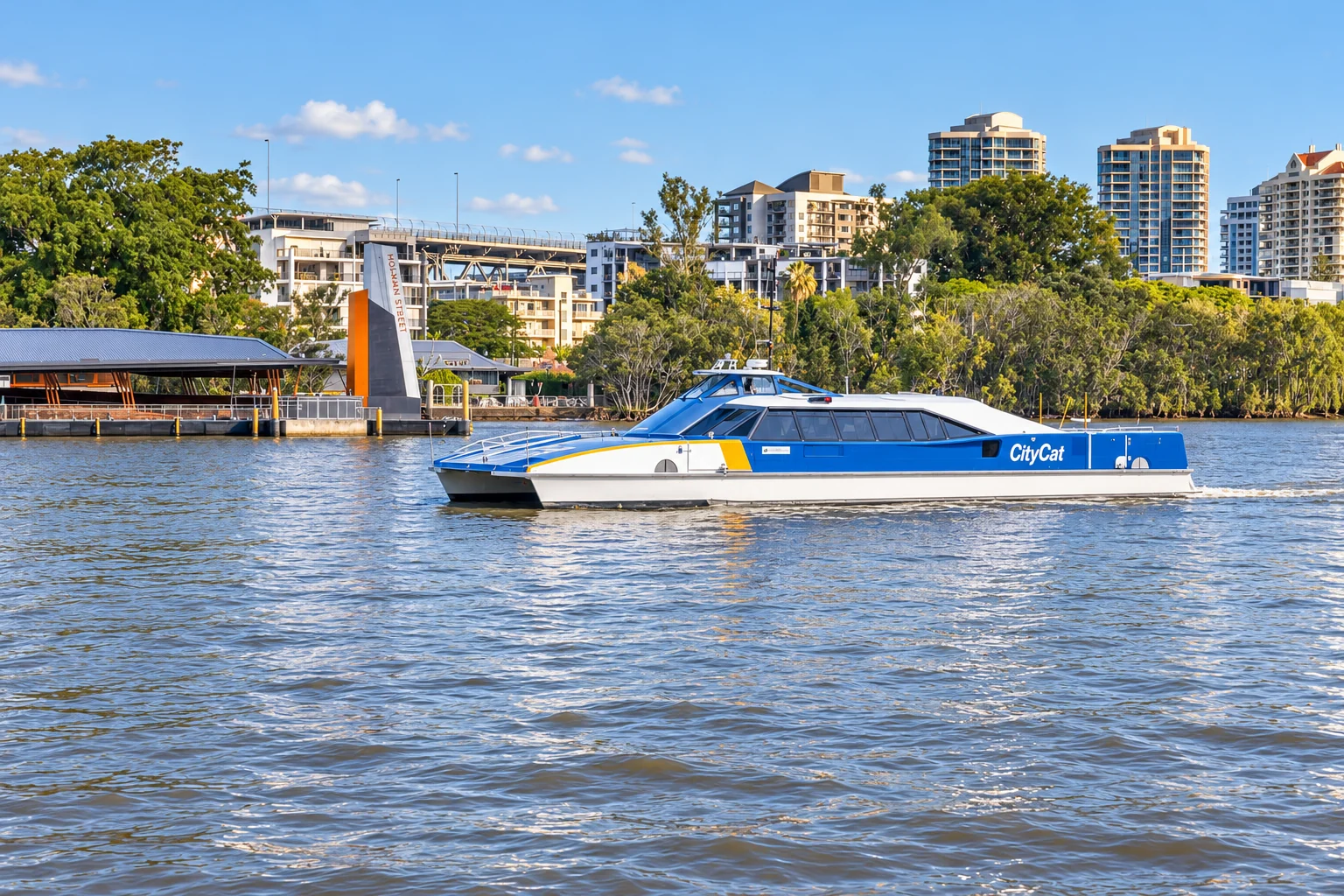
If you are planning a Brisbane visit, use the central business district (CBD) as your reference point. Brisbane, Queensland’s capital, sits within a bend of the Brisbane River, with South Bank across the water and Fortitude Valley to the north-east. Check which riverbank your destination is on before deciding whether to walk, cross a bridge or take a CityCat ferry.
For a day trip, choose an island or hinterland destination based on the time available. Minjerribah (North Stradbroke Island) suits a beach day. Ferries leave from Cleveland and take from 25 minutes, though travelling from central Brisbane to Cleveland adds substantial time. Mulgumpin (Moreton Island) requires a full day; ferries from Pinkenba take about 75 minutes. Bribie Island is connected to the mainland by bridge and is about a 70-minute drive from central Brisbane, depending on traffic.
For wildlife near the city, take a daily river cruise to Lone Pine Koala Sanctuary. Samford, about 45 minutes by car from the city, offers a quieter hinterland outing with a heritage trail, cafés and rural scenery. Check ferry timetables, tour departure points and road conditions before leaving, especially on weekends and public holidays. Queensland’s island overview and Visit Brisbane’s day-trip suggestions list transport and outing options.
Choose Brisbane attractions
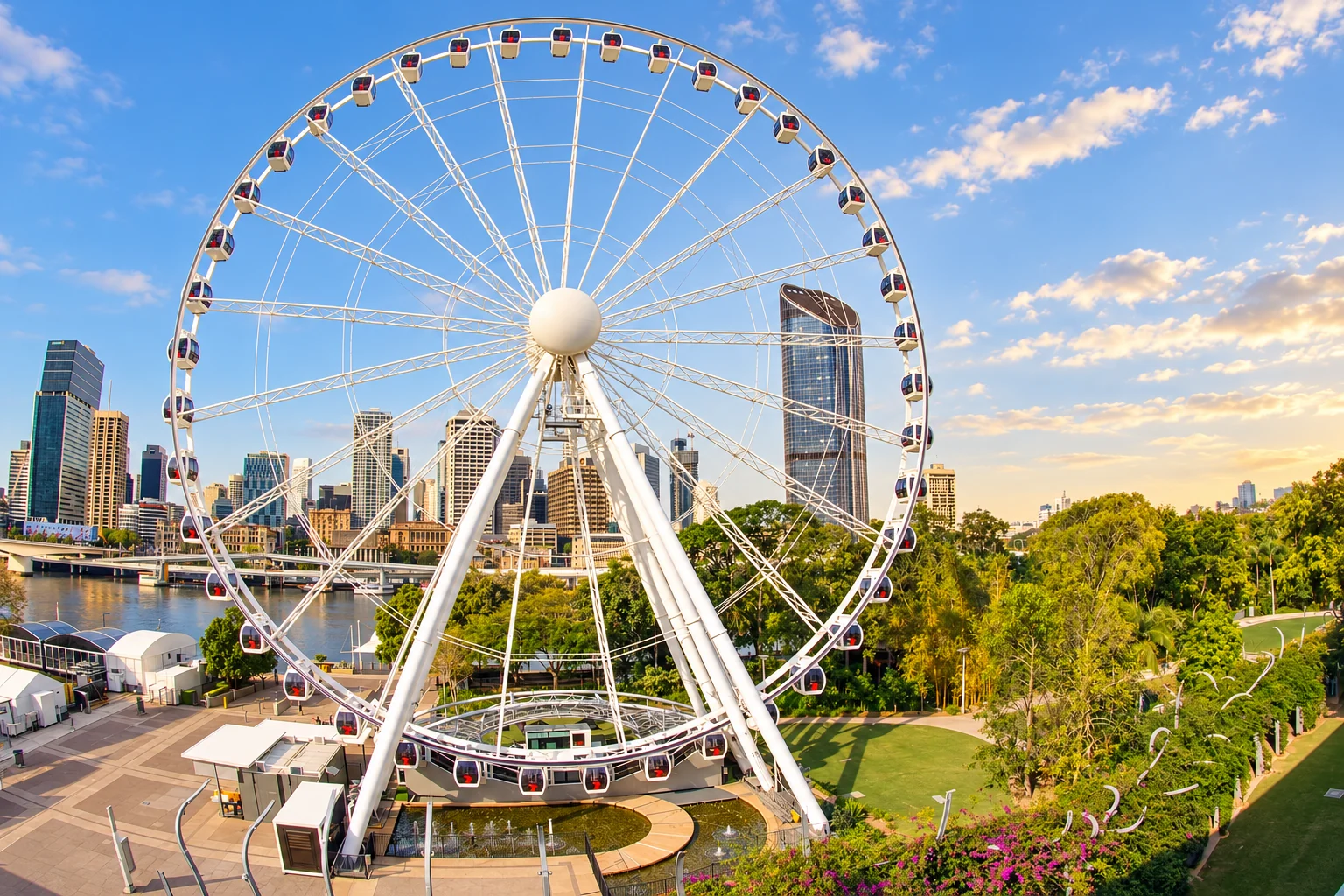
For views over the Brisbane River and city centre, ride the Channel Seven Wheel of Brisbane at South Bank or join a guided Story Bridge Adventure Climb. The wheel suits a shorter visit. The bridge climb takes more time and has booking requirements. Visit Brisbane’s accessibility guide provides access information for these and other attractions.
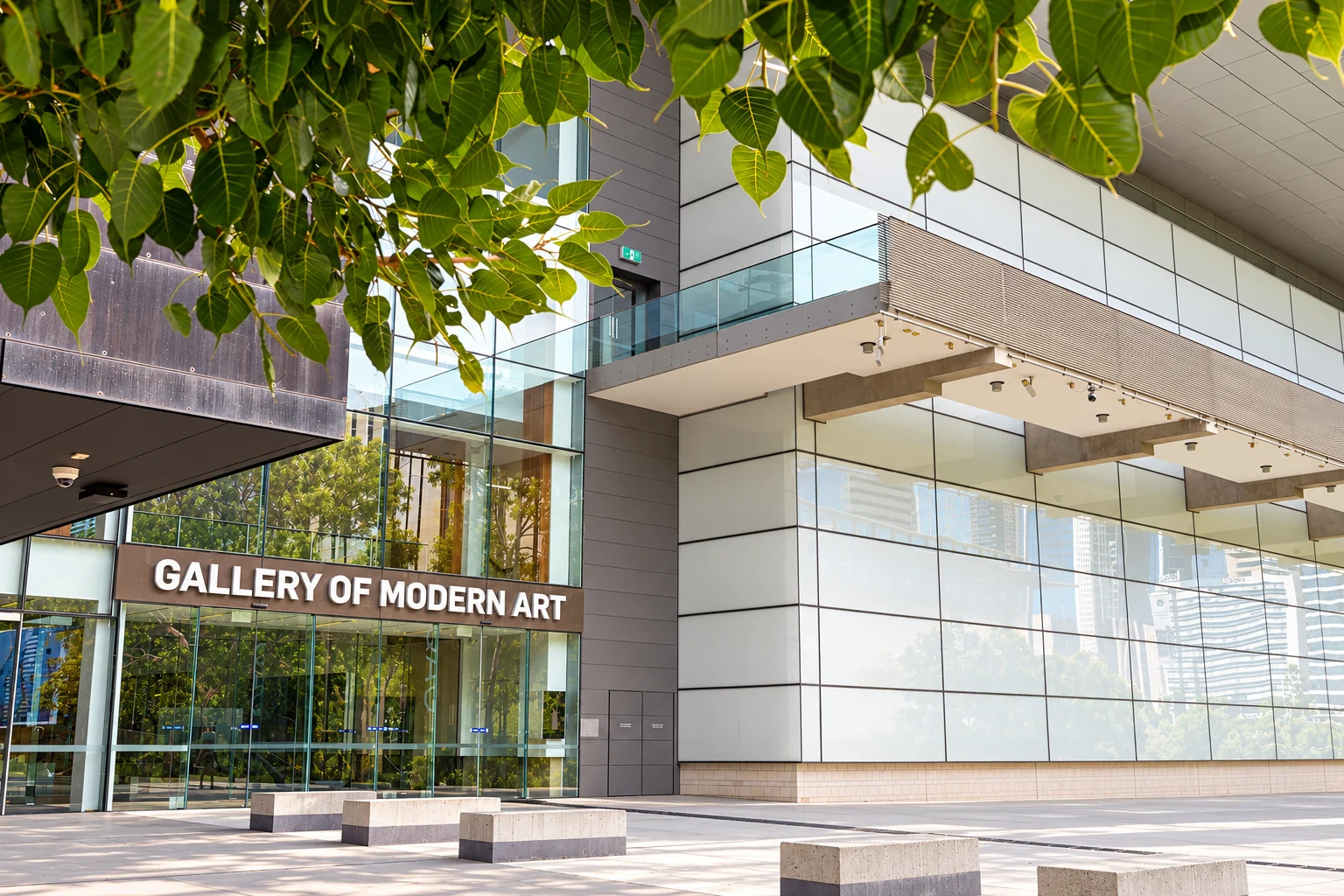
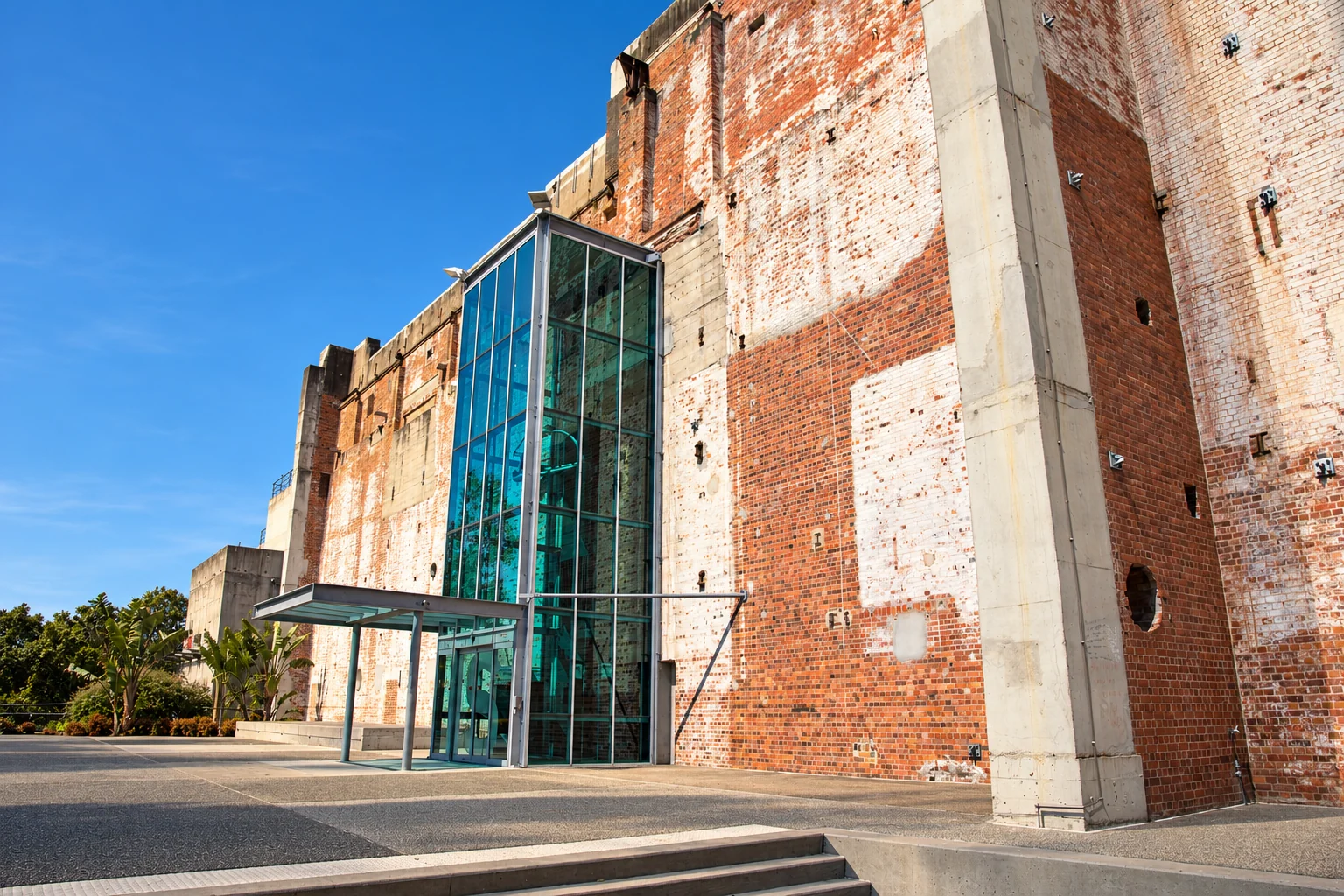
Visit the Queensland Art Gallery and Gallery of Modern Art, the Sir Thomas Brisbane Planetarium or Brisbane Powerhouse for arts and culture. Check each venue’s programme before you go, as exhibitions, screenings and performances change.
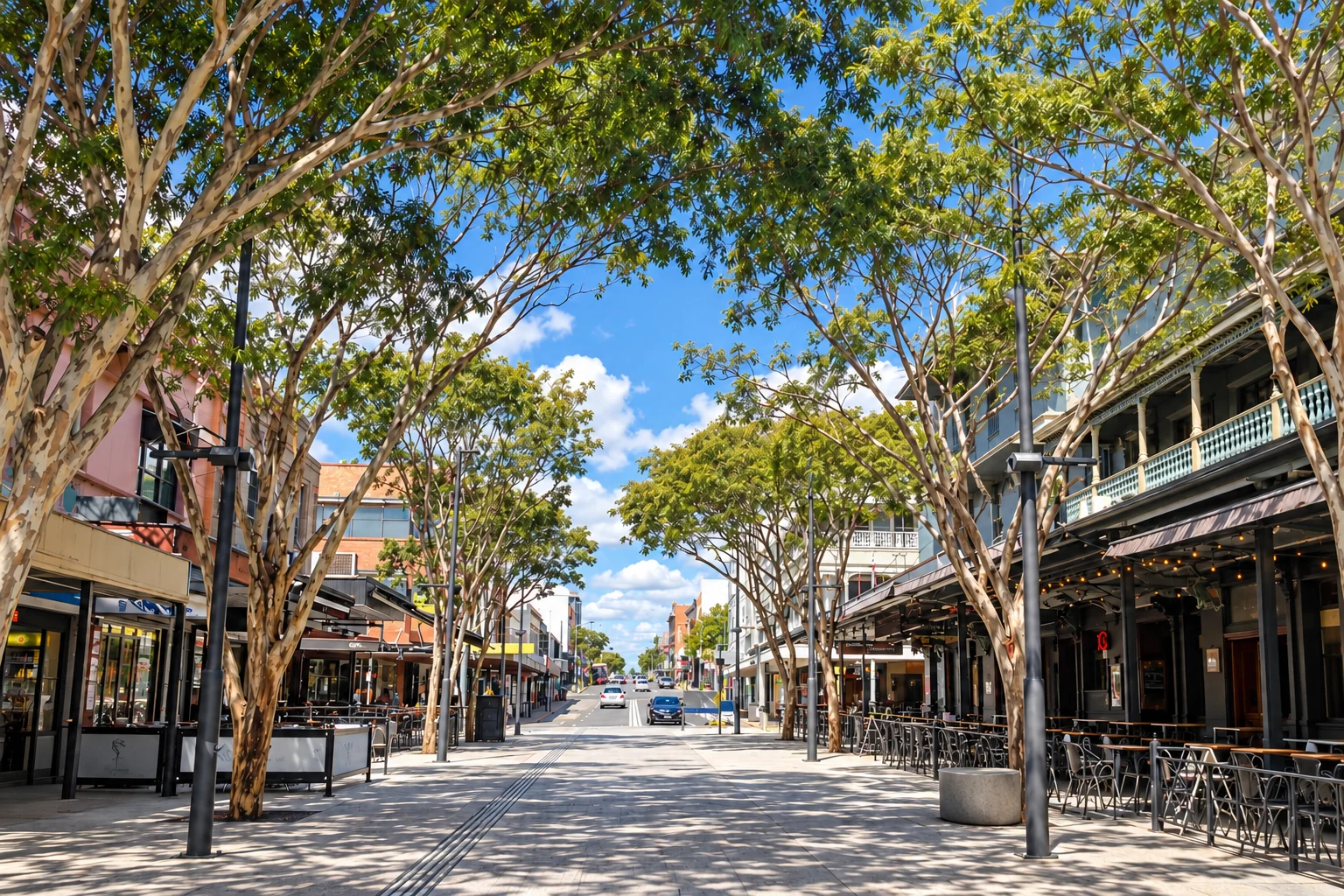
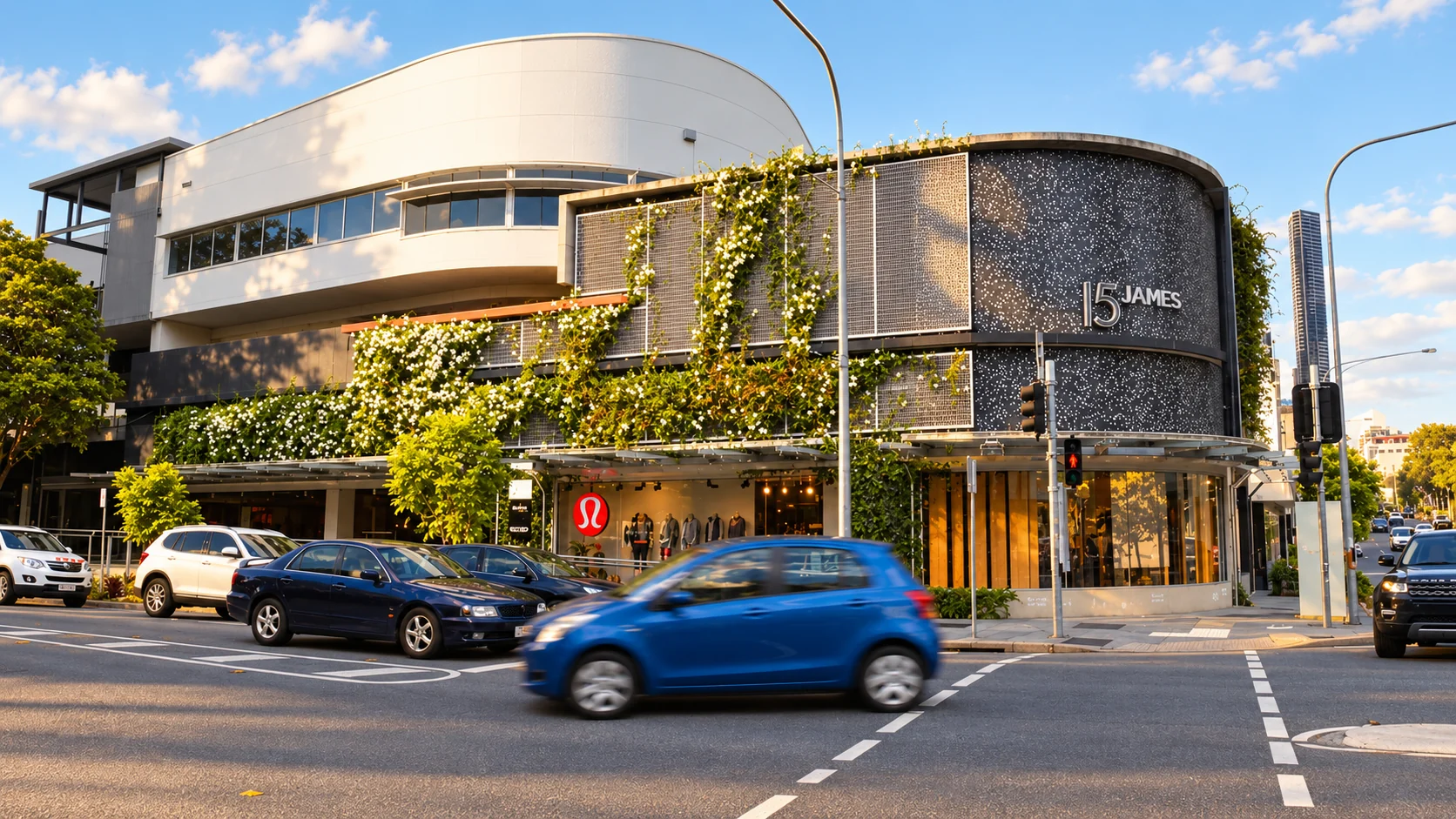
In Fortitude Valley, Brunswick Street Mall centres on bars, live music and late-night venues. James Street, on the precinct’s eastern side, has boutique shops, cafés and restaurants. The area also includes heritage-listed commercial buildings and newer hospitality venues. Visit Brisbane’s Fortitude Valley precinct guide for venue and precinct details.
If you have more time, add an outdoor activity, brewery visit or guided tour. Browse things to do in Brisbane to choose activities by location, schedule and access needs. Use Translink’s journey planner with venue access details to plan the route.
Choose when to visit Brisbane
Summer, from December to February, is warm to hot, humid and Brisbane’s wettest period. Average temperatures range from 21°C to 29.8°C. Thunderstorms are common, and heavy rain or flooding can disrupt transport and outdoor plans.
Winter, from June to August, is generally mild and dry, with average temperatures of 11°C to 21°C, according to Tourism Australia’s Brisbane weather guide.
Seasonal averages describe general conditions rather than the weather on a particular day. Check the Bureau of Meteorology’s Brisbane forecast and Queensland warnings before heading out, especially in summer. Storms bring lightning, damaging wind gusts and intense rain.
Wear SPF30+ sunscreen, a hat and sunglasses throughout the year. Queensland uses Australian Eastern Standard Time (UTC+10) year-round and does not observe daylight saving.
Getting around Brisbane
Airtrain runs directly between Brisbane Airport and the city. For taxis, rideshare, coaches and other transfers, see Brisbane Airport’s transport page.
Airtrain accepts contactless Visa and Mastercard payments and go cards. When using a go card, tap on and off at the card readers at each station. Check Airtrain’s go card guidance before travelling, as ticket conditions can change.
Use Translink’s journey planner to find bus, train and ferry routes and fares across Brisbane. Check Translink’s service updates for current disruptions.
Airtrain’s Domestic and International stations have lifts and level boarding platforms. The trains have luggage space but no overhead luggage racks. See Airtrain’s facilities information for accessibility details.