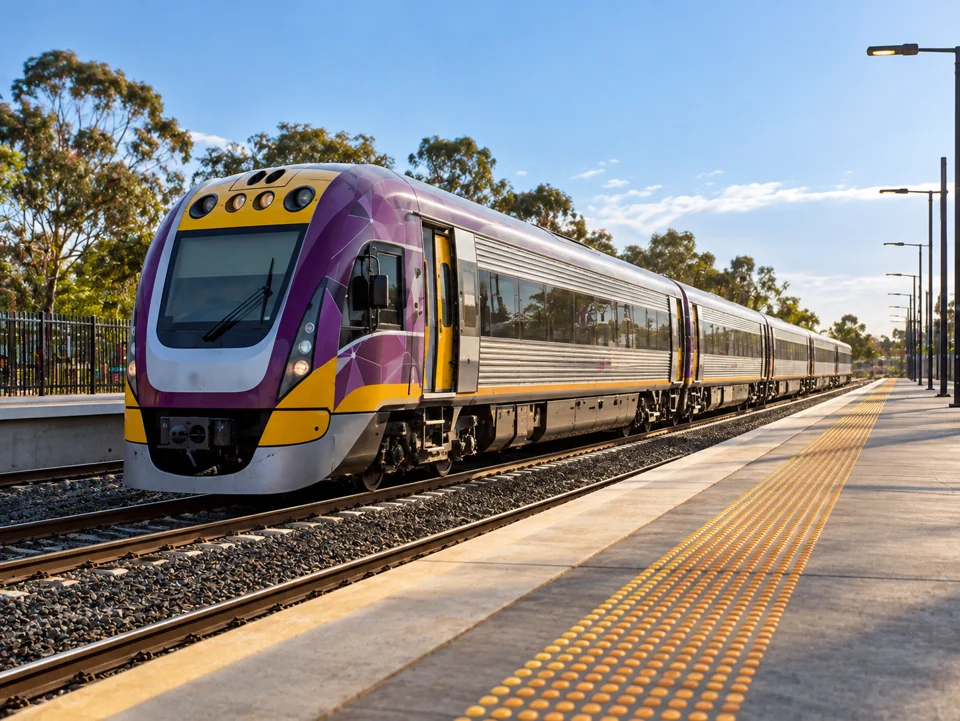
Australia has no single booking system for trips that combine a train, a ferry and a coach. Each operator, the company that runs a service, sells its own tickets, sets its own timetable and sets its own check-in cut-off, the latest time you can arrive and still board. A trip from a Sydney train to a Manly ferry, or from Melbourne to Tasmania via Geelong, means building the connection from separate bookings.
The rules differ by route. In Sydney, one Opal card covers trains and ferries and rewards you for changing between them. In regional New South Wales, seats must be booked in advance and connections with other operators are not guaranteed. The Spirit of Tasmania, the vehicle ferry across Bass Strait, closes check-in well before sailing. Long-distance trains such as The Ghan and Indian Pacific check in two hours before departure. Rottnest Island and Kangaroo Island ferries each set their own arrival time.
Most missed connections come from three causes: a timetable checked for the wrong day, a check-in cut-off nobody noticed, or a short gap between two companies that owe each other nothing. The sections below show how to avoid each of them, route by route.
Build the connection yourself, working backwards from the last departure
Start with the departure you cannot miss, usually a ferry, a long-distance train or a flight. Find its check-in cut-off on the operator’s website. Then work backwards. The cut-off sets the latest time you can reach that terminal, so the arrival time of your previous leg plus a buffer must come before it. Operators publish timetables as a guide, and they change without notice, so check the live page again in the days before you travel.
Where a trip planner covers several modes, use it for the planning but not as a guarantee. Transport for NSW’s Trip Planner covers metro, train, bus, ferry, light rail and coach, and shows live departures, alerts and trackwork. It cannot tell you whether a private ferry operator will hold a sailing for a late train.
Buffers matter most where two companies meet. A late train does not hold the ferry at the next jetty, and neither company must pay for the cost if you miss it. Great Southern Rail, which runs The Ghan and Indian Pacific, does not accept liability for missed connections caused by late train arrivals. It recommends leaving at least 3 to 5 hours between a scheduled arrival and a flight, or stopping overnight, particularly before international flights. That guidance suits any tight handover between operators, not only flights.
Luggage and vehicle rules change from leg to leg. A suitcase that stays with you on a Sydney ferry may be checked in and kept out of reach on a Bass Strait crossing or on a long-distance train. Check the allowance for every leg before you pack, and carry medication and anything you need during the trip in a small bag you keep with you.
Book airport connections separately. Airport stations and terminals have their own access fees, check-in windows and delay risks, and a flight leaves on schedule whether or not your train does. Book the train and ferry legs first, then choose a flight that leaves plenty of time after the last of them.
Sydney and Brisbane: one card across trains and ferries
Sydney is the easiest place in Australia to change between a train and a ferry. The Opal card works on metro, train, ferry, bus and light rail, and you can buy one at train stations, at the domestic and international airports and at many retailers. The fares order that sets the fares lists Sydney Ferries, Manly Fast Ferry and Brooklyn Ferry among the ferry operators, so all three sit inside the same fare structure.
The transfer discount rewards a train-to-ferry change. An adult gets $2 off for each change between modes within 60 minutes of the previous tap-off, as part of one journey. Child/Youth, Gold Senior/Pensioner and Concession fares get $1 off. If the second trip costs less than the discount, it costs nothing. Off-peak fares are 30% cheaper, which brings some trips below the discount amount.
Fare caps limit what you pay across the network. According to the adult Opal fares page, the adult daily cap is $19.30 from Monday to Thursday and $9.65 on Fridays, Saturdays, Sundays and public holidays, and the weekly cap is $50 across an Opal week that runs Monday to Sunday. Once you reach a cap, the rest of that period is free. Confirm these figures on the live page before you budget.
Single-trip Opal tickets are for visitors without a card or contactless payment. They cost more, earn no transfer discount and do not count towards the caps. Tap off at the end of every trip, because forgetting to do so is charged at the maximum possible fare for that journey. Sydney Airport station also carries an access fee that sits outside the daily and weekly caps and has its own separate weekly cap.
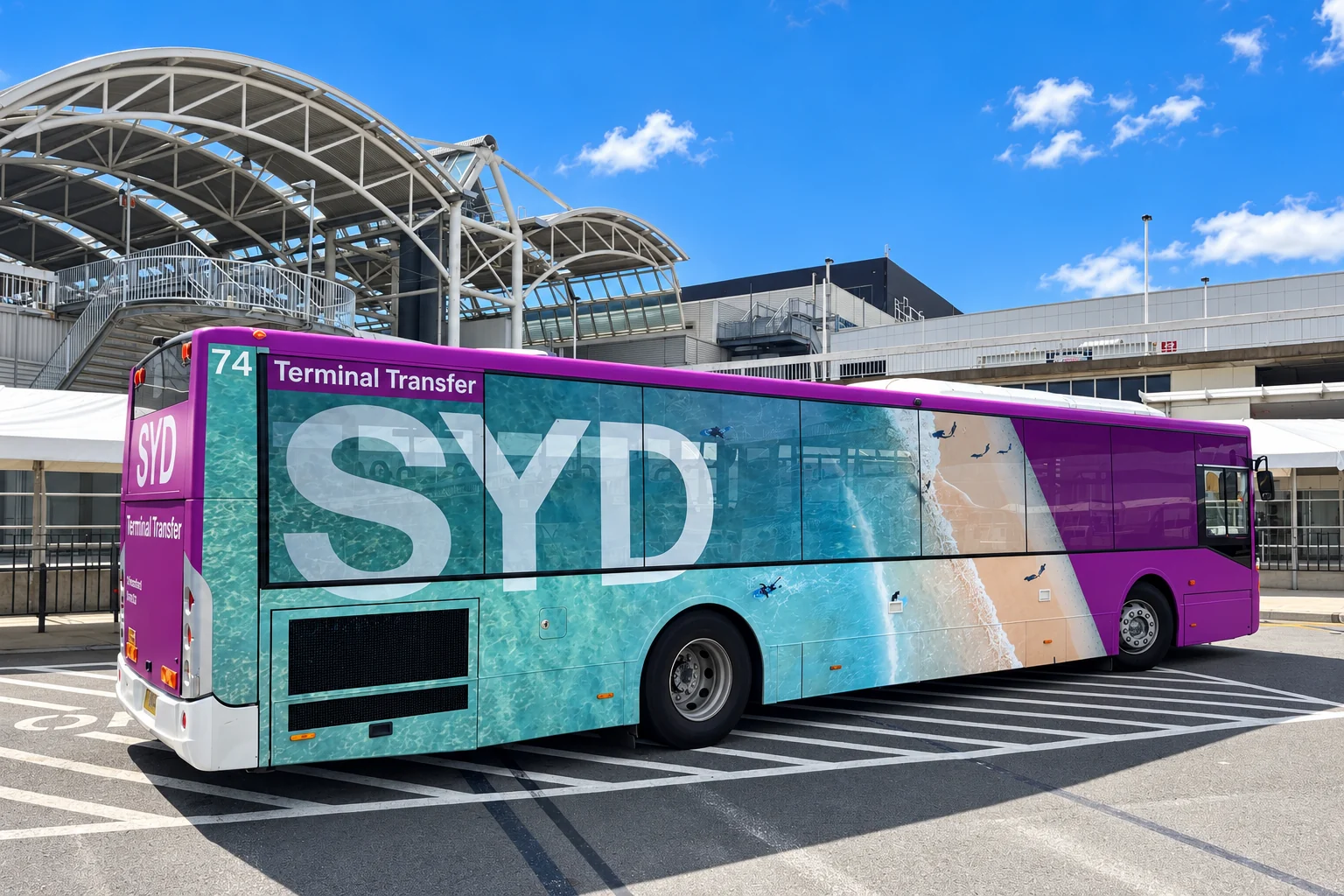
Brisbane works in a similar way. The go card covers TransLink bus, train, tram and ferry services in South East Queensland, and Tourism Australia recommends it for the whole network, including services to the Gold Coast and Sunshine Coast. You tap on when you board and tap off when you leave. Airtrain runs from the domestic and international terminals to city stations in about 20 minutes, every 15 to 30 minutes. Queensland is moving from the go card to a new Translink card, and an ABC report from April 2024 said no replacement date had been set, so check TransLink’s tickets and fares pages for transfer rules and fare capping before you buy.
Regional NSW and interstate lines: book early and expect coaches
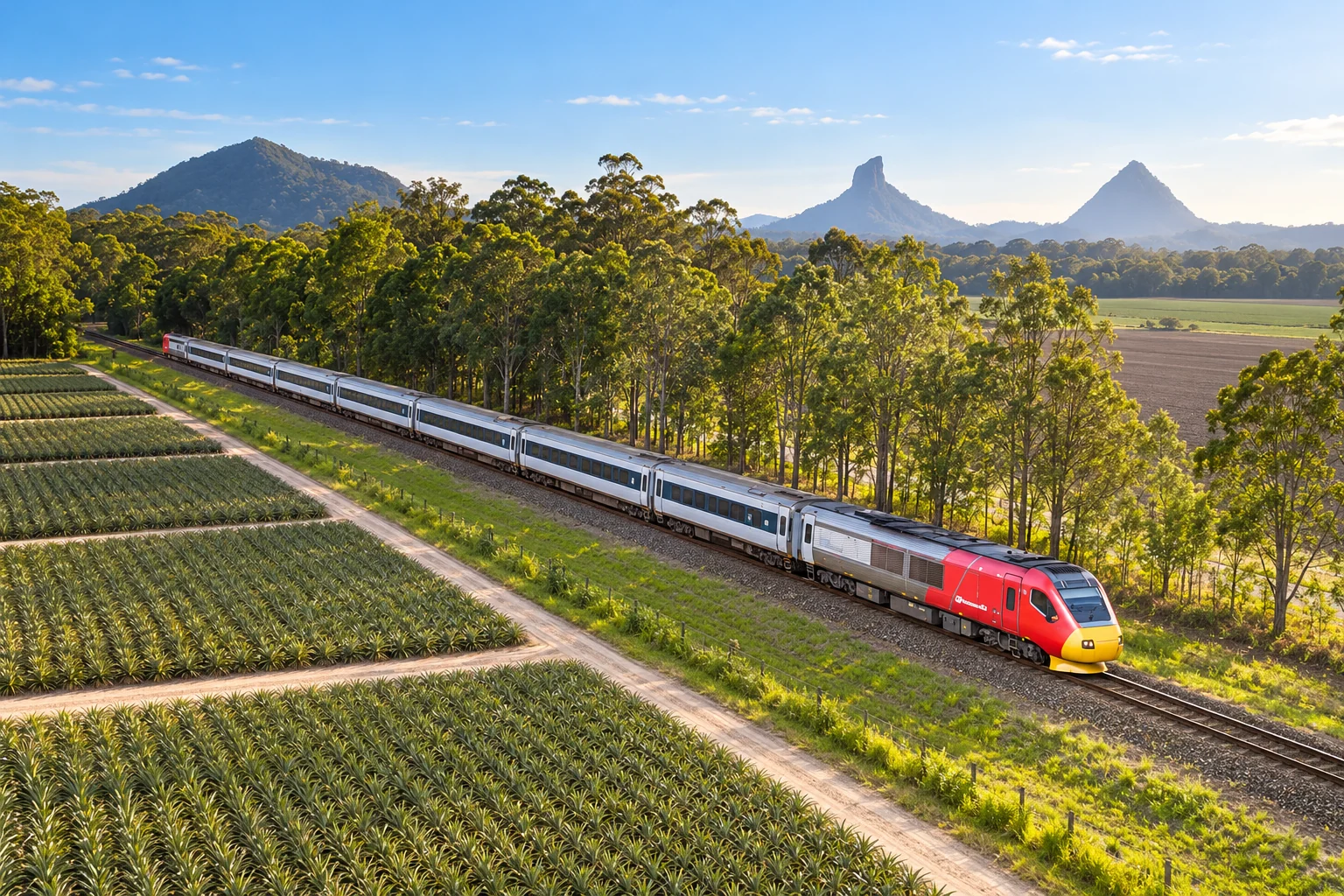
Outside the Opal network, NSW TrainLink runs regional trains and coaches under different rules. The 2026 timetables, valid from 26 July 2026, state that all seats must be booked in advance on regional train and coach services. Some coach services can only be booked together with a train service, and most services open for booking up to 6 months (180 days) ahead. Some legs, such as the Sydney to Broadmeadow section of the services to Moree and Armidale, can only be booked up to 7 days ahead. Coach stop addresses appear on your ticket and can change, so read them again before you travel. Booking help and accessible seating are available on 13 22 32.
The timetables set clear limits on connections. An earlier North Western timetable valid from 1 July 2023 says NSW TrainLink cannot guarantee connections with other transport services, and it names Great Southern Rail, V/Line, Queensland Rail, Sydney Trains and airline, cruise, coach, tour and hire-car operators. The 2026 regional timetables say they leave out special events, temporary changes, real-time information, trackwork and disruption alerts, and that information changes without notice. In practice, a late regional train will not wait for your ferry, and the timetable will not show the delay. Check alerts on the day and leave a buffer of your own at every change.
Trackwork often replaces trains with coaches. NSW TrainLink says it will arrange a replacement coach where it can for planned disruptions, and will tell passengers with a booking in advance by SMS or email where possible. Replacement coaches may not carry NSW TrainLink branding. If you can no longer travel, you can contact NSW TrainLink to ask about changing or refunding the booking, depending on fare conditions. It does not offer compensation for a change of transport mode, including a train replaced by a coach.
Interstate lines show how this plays out. A line closure between Chullora in New South Wales and Tottenham Junction in Victoria, running from 11:30 pm on Friday 6 November until 2 am on Tuesday 10 November 2026, put coaches in place of NSW TrainLink and V/Line passenger services. Anyone with a ferry, flight or hotel booked at the far end had to plan a longer trip. Coach times and boarding points come from NSW TrainLink on 13 22 32 or V/Line on 1800 800 007. In Victoria, replacement coaches have also carried luggage limits that standard carriages do not have, as in the Melbourne to Traralgon evening replacement in October 2026, so confirm luggage with V/Line before a coach-replaced trip.
Crossing Bass Strait: Spirit of Tasmania check-in, luggage and vehicles
The Spirit of Tasmania sails between Geelong in Victoria and Devonport in Tasmania. The terminal sits at 136 Corio Quay Rd, North Geelong, about an hour south-west of Melbourne, according to Tasmania Explorer. No ticket covers the Melbourne to Geelong leg, so add that transfer time and the check-in time to your plan.
Check-in is the cut-off that catches first-time visitors. The booking page says check-in opens 2.5 hours before departure and closes 45 minutes before the scheduled departure. The Conditions of Carriage, last updated 29 September 2026, say check-in opens 2.5 hours before departure and closes 45 minutes before, with the 2-hour check-in applying to passengers with specific needs. Plan to arrive at the 2-hour mark and confirm the exact time on your e-ticket, since check-in time depends on the sailing date. Passengers who turn up after check-in closes may be refused boarding, may forfeit the ticket and may not be entitled to a refund or transfer. Bring your e-ticket and photo ID, such as a driver’s licence or passport. Spirit of Tasmania sends delay updates by text message, so keep your phone number current on the booking.
Luggage depends on whether you travel with a vehicle. Foot passengers can check in up to two bags or suitcases each at up to 23 kg per bag, and up to five bags in total, with a charge for each extra item. Passengers with a vehicle may carry on one medium bag or suitcase up to 66 cm x 46.5 cm x 27.5 cm. Everything else stays in the vehicle, and you cannot go back to it during the crossing because the vehicle deck is closed at sea. Pack medication and overnight essentials in the carry-on bag. Alcohol is not allowed on passenger decks, so leave it in the vehicle or check it in with your luggage.
Vehicle details must be accurate. Standard vehicles, including cars, people movers, 4WDs and utes, can be up to 6.0 m long and 2.0 m wide. Height includes caravans, trailers, roof racks and anything on the roof, such as kayaks and bicycles. Crew measure at check-in, and wrong measurements can mean extra charges for additional length. You can amend vehicle details through My Booking up to 3 hours before travel. Motorhomes and campervans are booked as a vehicle with the motorhome or campervan option selected. If you plan to take a rental car, ask the rental company first because restrictions may apply. Only diesel jerry cans and boat fuel containers are allowed as fuel, and petrol containers are prohibited, as the FAQs explain.
Bookings generally open 11 months ahead, and fares vary by sailing because they follow forecast demand. The FAQs also record a change of ships: travel on the existing ships was valid up to 22 October 2026, and travel on the new ships started from 31 October 2026. Check the ship named on your booking and its check-in details.
The Ghan and Indian Pacific: check-in windows, baggage and onward connections
Long-distance trains run their own station routine. For The Ghan, Ghan Expedition, Indian Pacific and Great Southern, check-in opens 2 hours before departure and closes 1 hour before, and The Overland opens 1 hour before departure. Luggage can be checked in at all terminals from 2 hours before departure. Adelaide, Perth, Darwin and Alice Springs allow storage at the terminal from that point, while Sydney storage runs through NSW TrainLink’s check-in area by Platform 1 for A$4.40 per person. Katherine has no luggage storage.
Baggage allowances depend on your class of travel.
| Class | Checked baggage per guest |
|---|---|
| Platinum | 90 kg (3 x 30 kg) |
| Gold Premium | 75 kg (3 x 25 kg) |
| Gold Twin and Gold | 60 kg (2 x 30 kg) |
Platinum and Gold guests also bring one piece of hand luggage plus a garment bag, cabin bag or briefcase into the cabin. Checked bags travel in a separate part of the train and are out of reach during the journey, so pack for the cabin as if the suitcase were in another city. The Indian Pacific figures come from the oldest page in this group, so check them on the live page before you pack.
Some stops along the route are for Off Train Experiences, the organised excursions, or for operational reasons. Guests cannot leave the train at those stops, so a stop cannot serve as a connection point to another operator.
The missed-connection rule matters most at the final station. Great Southern Rail does not accept liability for missed connections caused by late arrivals, and recommends at least 3 to 5 hours after scheduled arrival before a flight, or an overnight stop, especially for international flights. For a Sydney, Adelaide, Perth or Darwin finish, book the onward flight for the next morning, or book a night’s accommodation near the terminal.
Transfers between the terminal and the city also depend on class. Platinum includes transfers at the start and end of the journey for guests within 60 km of the terminal. Gold includes complimentary shuttle buses between Darwin Terminal and selected Darwin CBD hotels, for The Ghan only. Journey Beyond publishes a transfers page, so check it for your terminal and class. On fares, the main discount is the Advance Saver Fare, booked at least six months ahead and subject to availability, and Australian Senior Cards and overseas concessions do not qualify for a discount.
Island ferries: Rottnest and Kangaroo Island
Island ferries leave from a terminal separate from the train or road leg that reaches it, so plan a clear arrival time at the wharf.
Rottnest Island, Western Australia. Three ferry operators serve Rottnest from Perth City, North Fremantle, Fremantle and Hillarys Boat Harbour. Travel times, as the Rottnest Island Authority lists them, run from about 25 minutes from Fremantle and 45 minutes from Hillarys to up to 90 minutes from Barrack Street Jetty in Perth. Timetables vary by season and weather. Rottnest Express asks passengers to arrive at least 30 minutes before departure to park, label and load luggage or bikes, and collect tickets. It recommends booking in peak season from December to February and on weekends. Passengers with no luggage and an e-ticket or QR code can go straight to the boarding gate.
The terminals sit near train stations. According to SeaLink’s terminal information, the Fremantle train station and bus terminal is about a 5-minute walk from Victoria Quay, and Elizabeth Quay station is about 9 minutes’ walk from Barrack Street Jetty. Use the Transperth journey planner for the train leg, then count the walk, the 30-minute arrival rule and a buffer for trains that run late. Transperth’s ferry timetable page also notes a planned service change from Sunday 1 November 2026 covering bus and train, so look at the live version.
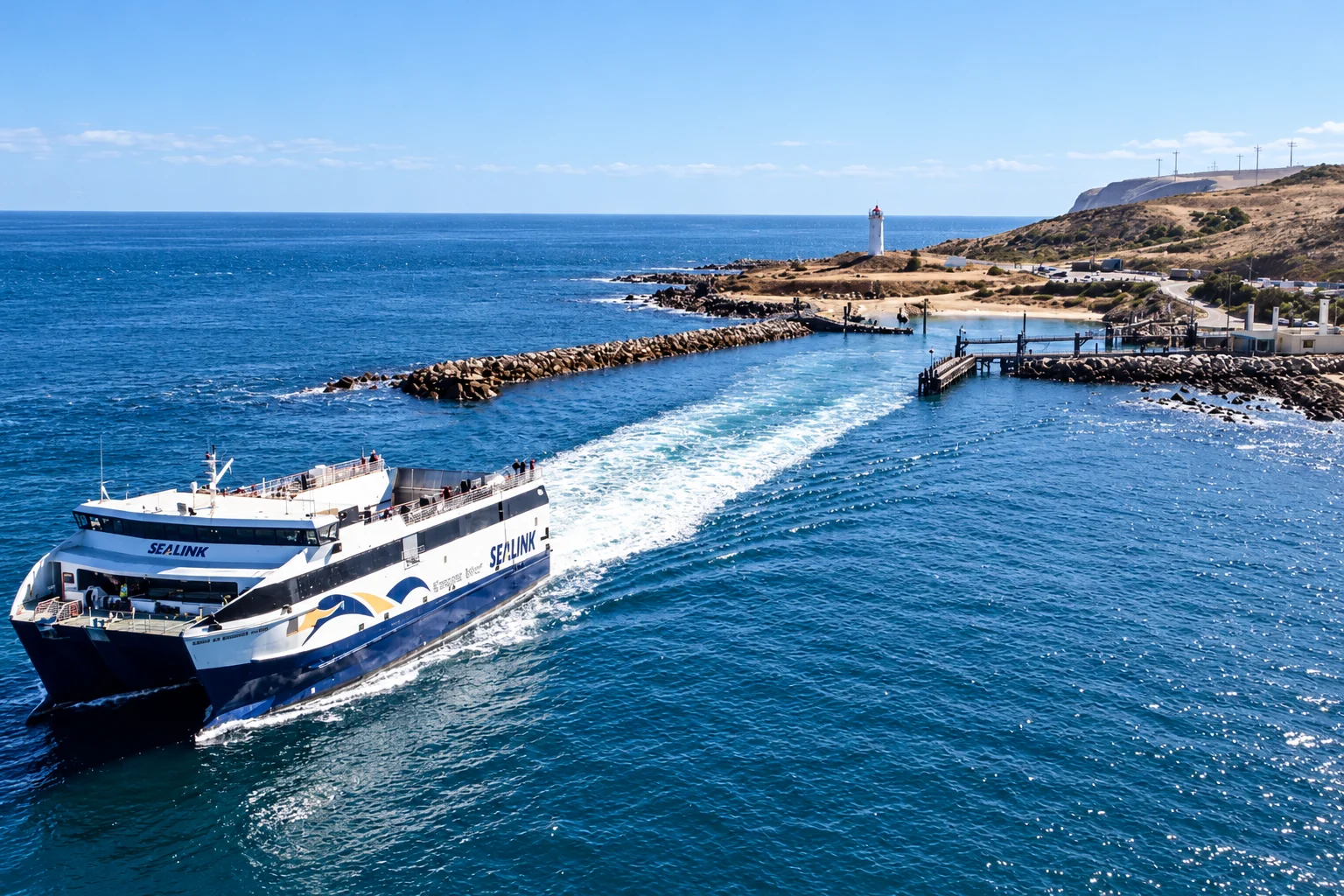
Kangaroo Island, South Australia. Reaching the island means a road leg to Cape Jervis, then a ferry to Penneshaw. SeaLink says the crossing takes about 45 minutes, passengers should arrive 30 minutes before departure for check-in and loading, and the drive from Adelaide takes about 1.5 hours. It suggests allowing about 2 hours or more for the drive and check-in together. Roadworks on Main South Road between Normanville and Cape Jervis carry 60 km/h speed restrictions and lane changes, so allow extra time.
Ferries reach capacity at certain times of year and day, and SeaLink advises booking the ferry before the island accommodation. Book directly with SeaLink on 13 13 01. Secure parking at Cape Jervis costs $21 per day, and pre-booking is strongly recommended because marine works have reduced capacity.
Without a car, a coach connection links Adelaide and the ferry. The SeaLink timetable shows the coach leaving Adelaide Central Bus Station at 6:45 am to meet the 9:00 am Cape Jervis ferry. A newer listing says Journey Beyond, through Adelaide Sightseeing, now runs the coach, so confirm the operator and that it matches your ferry when you book. On the island there is no public transport, taxi or Uber. A Penneshaw to Kingscote shuttle meets the morning and evening ferries and is booked on 13 13 01. SeaLink also describes a new ferry service with new timetables and faster check-in and loading, tied to two new vessels from November 2026, so confirm the current times before you plan around them.
Your rights when a connection fails
When a connection breaks, your rights depend on whether the delay or cancellation comes from the operator or from your own late arrival. The ACCC states that the Australian Consumer Law’s consumer guarantees apply to travel, including the guarantee that services are provided within a reasonable time, and that consumer rights apply to travel delays and cancellations whether or not you booked directly. Consumer Protection WA explains that a business that fails a guarantee must offer a remedy such as a repair, replacement or refund.
Most of this guidance covers flights and travel generally. Each rail and ferry operator sets its own terms, and those terms can be strict. NSW TrainLink does not offer compensation for a change of mode, such as a train replaced by a coach. Spirit of Tasmania’s Conditions of Carriage say a passenger who arrives after check-in closes may forfeit the ticket and may not be entitled to a refund or transfer. Great Southern Rail accepts no liability for missed onward connections caused by late arrivals.
Three habits protect you. Book each leg in a way that leaves a buffer, so a delay by one operator does not cost you a different operator’s ticket. Keep screenshots of delay notices, e-tickets and timestamps, because they support any claim to the operator or a regulator. For ferries affected by weather, travel insurance matters, and SeaLink recommends it for Kangaroo Island crossings.
Key Takeaways
- Check each operator separately: no shared timetable covers a train-to-ferry or train-to-coach change, so confirm every leg on the operator’s own live page and work backwards from the last departure.
- Plan for the check-in cut-off: arrive at Spirit of Tasmania 2 hours before sailing, at The Ghan or Indian Pacific terminals 2 hours before departure (check-in closes 1 hour before), and 30 minutes early for Rottnest and Kangaroo Island ferries.
- Use Opal in Sydney: adult changes between train and ferry within 60 minutes earn a $2 discount, and fare caps apply across modes, while single-trip tickets earn neither.
- Leave 3 to 5 hours before flights: Great Southern Rail accepts no liability for missed connections caused by late arrivals, so book the flight for the next morning or stay overnight.
- Expect no guarantee on regional connections: NSW TrainLink cannot guarantee connections with other operators and gives no compensation for coach replacements, so keep receipts and read each operator’s conditions.