
Most employees in Australia have a legal minimum rate of pay that depends on the industry they work in and the type of work they do. The document that sets that minimum is called a modern award. An award is a legal instrument covering an industry or occupation, such as retail, hospitality or clerical work, and it sets minimum pay, hours, breaks, allowances, penalty rates and overtime. Awards sit on top of the National Employment Standards (NES), the set of minimum entitlements, such as annual leave, that apply to nearly all employees in the national workplace system.
Two terms in an award decide how much you are paid in a given hour. A classification is the level or grade your job falls under, and it fixes your base hourly rate. A penalty rate is a higher rate for working at certain times, such as weekends, public holidays or late evenings. Overtime and allowances add further entitlements. Each award sets its own rates, so a Saturday shift in retail pays differently from a Saturday shift in a hospital or on a building site.
A new arrival who understands this can check a payslip against the right document. The Fair Work Ombudsman (FWO), the federal agency that explains and enforces workplace law, publishes the tools to do it.
Which award or agreement covers you
Modern awards started on 1 January 2010 and cover employers and employees doing the work the award describes. They do not cover everyone. Managers and some higher-income employees may fall outside an award even when one exists for their industry.
An enterprise agreement can replace the award. This is a collective agreement made between an employer and its employees, approved by and registered with the Fair Work Commission (FWC), the national workplace tribunal. The agreement then sets your minimum pay rates, and you can look it up through the FWC’s website. The agreement cannot undercut the award: if its base rates are lower than the award’s, the award’s base rates apply. Your employer should be able to tell you which agreement covers you, and a registered agreement carries its own penalty rates and allowances.
A third group of employees has neither an award nor an agreement. The FWO calls them "award and agreement free", and the National Minimum Wage and the NES then form their minimum terms. The National Minimum Wage is a single hourly floor set by the FWC each year. It applies only where nothing else covers you. Where an award or agreement does cover you, its rates apply instead, including penalty rates and allowances, which often leave your pay above the National Minimum Wage.
Following the 2023 Annual Wage Review decision, some awards may now have a minimum rate below the National Minimum Wage. In that case the award minimum still applies to the employees it covers.
Employers and employees cannot agree to pay below these minimums. Job advertisements cannot include pay rates that breach the Fair Work Act or an applicable award or agreement, so an advertised rate that looks low for the industry is worth checking against the award before you accept the job.
The FWO’s Find my award tool is the official way to identify your award, and the FWO’s minimum wages page points to it. The tool first asks whether a registered agreement applies to you, then asks about your industry and duties, then returns an award. Coverage depends on the duties you actually perform, so describe your day-to-day duties rather than relying on your job title. A "customer service officer" who spends the shift stacking shelves and serving at a till is doing retail work whatever the title says.
Base rates and yearly increases
An award alone does not give you a pay rate. Within each award, classifications (also called levels or grades) describe types of work and skill, and your classification determines your minimum rate. A retail worker at the lowest level and a retail supervisor sit under the same award but earn different base rates. The classification definitions are part of the award text. The FWO also publishes an Award classifications page that explains how to match a role to a level, and the pay-check guidance refers to it.
The practical route is to use two FWO resources together. The downloadable pay guides summarise current minimum rates under each award and list a rate for each classification, so you can read your row off the table. The Pay and Conditions Tool takes the same information further by showing penalty rates and allowances for your award. If your duties sit between two classification descriptions, the award’s own wording decides, and a call to the Fair Work Infoline (13 13 94) is the quickest way to get a ruling on the grey area.
Some awards also set introductory rates for new employees. These apply for a limited time until the employee progresses to the next rate, so a lower figure in your first weeks is lawful only if your award contains such a rate. A lower figure in an award without an introductory rate is an underpayment.
The FWC reviews the National Minimum Wage and award minimum rates every year in its Annual Wage Review. Most changes take effect from the first full pay period on or after 1 July. That means an employee paid fortnightly sees the new rate on the first pay period that starts on or after that date, not necessarily on 1 July itself.
The 2025 decision was made on 3 June 2025 and raised the National Minimum Wage and modern award minimum rates by 3.5% from 1 July 2025. The National Minimum Wage rose by $32.10 a week, which news reports put at $24.94 an hour. As an example of how a classification rate moves, the minimum hourly rate for an APS Level 1 employee under the Australian Public Service Enterprise Award 2015 went from $26.60 to $27.53 on that date. That figure belongs to one award and does not apply to other industries. The FWC also said that since July 2021 the real value of award wages at its benchmark C10 rate had fallen by 4.5 percentage points relative to CPI, which is the measure of consumer price inflation.
A further increase took effect on 1 July 2026. The FWO says the FWC announced an increase to the National Minimum Wage and award rates from that date and was updating its tools to match. Government media reports put the rise at at least 4.75% for award wages and 6% for the National Minimum Wage, taking the National Minimum Wage above $1,000 a week for the first time. One business guide converts that to $26.44 an hour, or $33.05 for casuals. Treat those hourly figures as estimates only. The exact rate for your job is the one in your award’s current pay guide or the FWO Pay Calculator, because a rise of 4.75% or 6% is applied differently across classifications and awards.
Penalty rates, casual loading and overtime
A penalty rate is a percentage of your minimum hourly rate that is paid for work at specified times. Weekends, public holidays and late evenings are the usual triggers, and the percentages are written into each modern award and enterprise agreement. A rate of 150% means each hour is paid at one and a half times the base rate.
The FWO’s own figures for casuals under the General Retail Industry Award show how the pattern looks. Casuals who are not shiftworkers receive the following rates, which already include casual loading:
| Work | Rate as a percentage of the minimum hourly rate |
|---|---|
| Monday to Friday, ordinary hours after 6pm | 150% |
| Saturday, ordinary hours | 150% |
| Sunday, ordinary hours | 175% |
| Public holiday | 250% |
These figures belong to the retail award only. Other guides give wider typical ranges across awards: Saturday 125 to 150%, Sunday 150 to 200% and public holidays 200 to 250%. For full-time and part-time retail staff, one 2026/27 guide describes a Sunday penalty of 50% extra and a public holiday penalty of 125% extra on top of ordinary rates. Percentages quoted as "extra" and percentages quoted as the full rate describe the same thing differently, so a Sunday rate of 150% and a Sunday penalty of 50% are the same amount. The award text and the pay guide for your classification settle the figure.
Casual loading is an extra payment that casual employees receive instead of paid leave, such as annual leave and paid sick leave. It is generally an extra 25% of the minimum hourly rate, though the exact rate comes from the award, agreement or contract. Whether the loading is added to a penalty or already built into it depends on the award. The retail table above shows loaded rates, but guides disagree on how common that approach is, so read your award’s penalty clause before doing your own arithmetic.
Casuals also have rights on public holidays. A casual who would normally have worked on one may take an unpaid day off and may refuse the shift if refusing is reasonable. Underpaid weekend and public holiday penalties are described as a common compliance failure in FWO enforcement data, which makes them the first line to check on a payslip.
Overtime is generally paid for work beyond your rostered or ordinary hours. Guides describing most awards list four common triggers: work beyond rostered ordinary hours, work outside the award’s span of hours, work beyond daily or weekly caps on ordinary hours, and being recalled to work after leaving the workplace. The span of hours is the window of the day or week in which the award treats work as ordinary. Hours outside that window attract higher pay even if you have not worked a long shift.
The rate comes from the award, agreement or contract, not from the NES, and no single national overtime rate exists. A frequent pattern is 150% for the first three hours of overtime Monday to Saturday and 200% after that, with fixed rates for Sundays and public holidays. Because that is only a common pattern, your award’s overtime clause decides the rate. Some awards treat Saturday as ordinary time. In those awards Saturday work is paid at ordinary rates plus any Saturday loading, and overtime starts only once ordinary hours are exceeded.
Casual employees have overtime calculated on their loaded casual rate, so the 25% loading is included before the overtime percentage applies. Penalty rates work the other way in awards that already fold the loading in, so both clauses need reading.
A public holiday rate applies because the work fell on a public holiday, while overtime applies because the hours went beyond the standard schedule. A shift can attract both. The award decides which rate governs, and one guide says that is usually the higher public holiday rate. Minimum engagement rules also affect short shifts: one guide says the General Retail Industry Award requires a minimum of three hours each time a casual works, so a casual sent home after one hour is still paid for three if that award applies.
Allowances and salaried pay
Allowances are extra payments for particular circumstances. The FWO lists allowances paid to employees who do certain tasks, use a particular skill, use their own tools, work in unpleasant or hazardous conditions, or incur an expense for the job. Common examples include uniforms and special clothing, tools and equipment, travel and fares, car and phone use, first aid duties, leading hand or supervisor responsibilities, and industry-specific payments such as those in the building and construction industry.
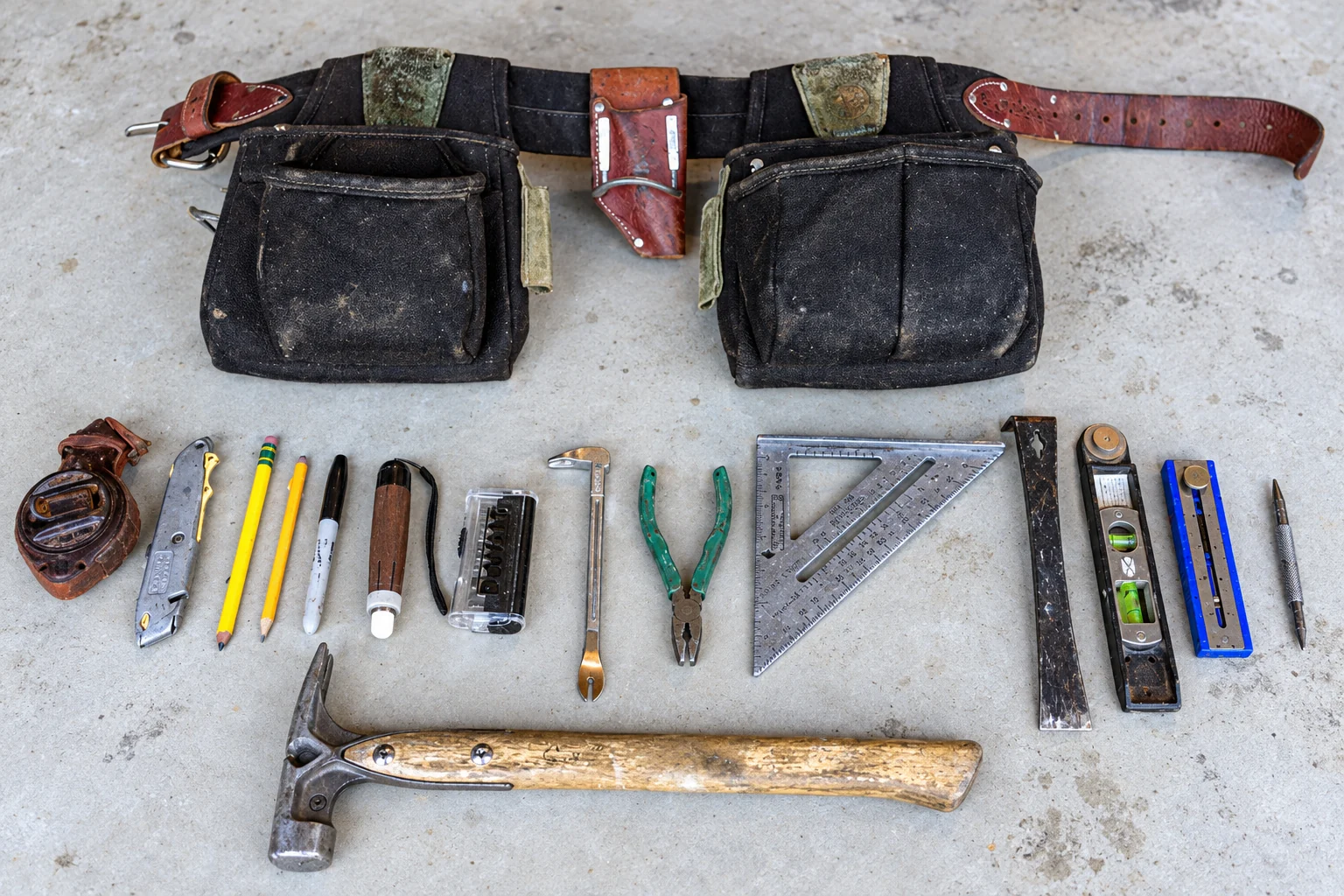
Which allowances apply depends on your award or enterprise agreement, and the FWO’s Pay and Conditions Tool and the pay guides list them by industry. Amounts differ widely. A 2026 FWC determination for the Hospitality Industry (General) Award 2020 lists a meal allowance of $17.42 per occasion for overtime over two hours, a motor vehicle allowance of $1.01 per kilometre and a uniform or laundry allowance of $6.16 per week for full-time catering employees. Under the General Retail Industry Award 2020, the FWO’s award page shows a meal allowance of $24.56, or the employer may supply a meal instead. These amounts are adjusted over time, so use the award’s current version or the FWO pay guide rather than a remembered figure.
Each allowance is paid in a set unit. Some are paid per shift, some per week, some per kilometre and some per occasion, so check the unit before you compare a payslip line with the award. A uniform allowance paid weekly and a meal allowance paid per overtime occasion will look different on the same statement even when both are correct. If a line is missing for a duty you perform, ask your employer which clause they relied on, then check that clause yourself.
Some employees are paid a single annual salary rather than hourly rates. The FWO lists annualised wages, employment contracts, individual flexibility arrangements (written agreements that vary some award terms for one employee) and guaranteed annual earnings as arrangements that affect how allowances are paid. The total paid under such an arrangement must be at least what the award or agreement would pay, and it must compensate for the penalties and loadings that would otherwise apply. A salary that looks generous can still fail this test for someone who regularly works nights and weekends.
Checking your pay and getting help
The FWO sets out a sequence for people who suspect an underpayment. It begins with working out what you are being paid, using payslips, rosters, bank statements and employment records. Keep your own record of hours too, in a diary or in the FWO’s Record My Hours app. Then establish whether an award, an enterprise agreement or neither covers you, find your award and classification, and compare your pay with the rates, penalties and allowances in the pay guide or the Pay and Conditions Tool. If the figures differ, meet your employer, explain the rate you believe applies and the amount you think is owed, take notes and follow up in writing. The FWO steps in if the employer does not respond, disagrees or needs help correcting the underpayment.
The FWO describes a casual salesperson who was not paid weekend penalty rates for three months. The employer agreed to repay the amount, and it arrived in the employee’s bank account on the next payday.
Your payslip is the main evidence. Employers must give you one within one working day of paying you, on paper or electronically, and it must be in English. It must show the employer’s name and ABN (Australian Business Number), your name, the payment date and pay period, gross and net pay, and items such as allowances, penalty rates, deductions and superannuation. Employers must also keep time and wage records for seven years, and those records cannot be false or altered. A correction must show the error and the reason for it.
Record-keeping carries legal weight. If an employer fails to keep required records or payslips without a reasonable excuse, the employer must disprove the employee’s wage claims in court. Intentionally underpaying an employee has also been a criminal offence since 1 January 2025, while honest mistakes are not covered by the offence.
For help, call the Fair Work Infoline on 13 13 94. The Translating and Interpreting Service is on 13 14 50, and people who are deaf or have a hearing or speech impairment can use the National Relay Service (TTY 13 36 77, or Speak and Listen 1300 555 727) and ask for the Infoline. Visa holders should know that only the Department of Home Affairs can cancel a visa, and an employer cannot. The FWO’s page also refers to two pilots for eligible visa holders who experience workplace exploitation, the Strengthening Reporting Protections Pilot and the Workplace Justice Visa Pilot.
Key Takeaways
- Identify your award and classification first: your award and classification together fix your base rate. The FWO’s Find my award tool and pay guides are the official way to find both.
- Check for an enterprise agreement: a registered agreement replaces the award as your source of minimum pay, but its base rates cannot fall below the award’s.
- Read penalty rates and overtime from your own award: percentages differ by industry, casual loading may or may not already be built into them, and there is no national overtime rate.
- Use current figures for wages and allowances: increases take effect from the first full pay period on or after 1 July, so confirm amounts in the FWO Pay Calculator or your award’s pay guide.
- Keep your own records: payslips, rosters and a personal hours log let you compare your pay with the award, and employers must keep wage records for seven years.