Australian food combines a few home-grown classics, a bakery and café culture built around coffee, many migrant cuisines, and a growing range of dishes made with native Australian ingredients. About 27.6 per cent of the population was born overseas, according to the 2021 Census, so a typical suburban shopping strip offers far more than meat pies and lamingtons.
Visitors and newcomers need to know what food they can take through the airport, what café staff must tell them about allergens, and what eating out costs now. Those rules sit alongside the dishes.
Everyday Australian favourites
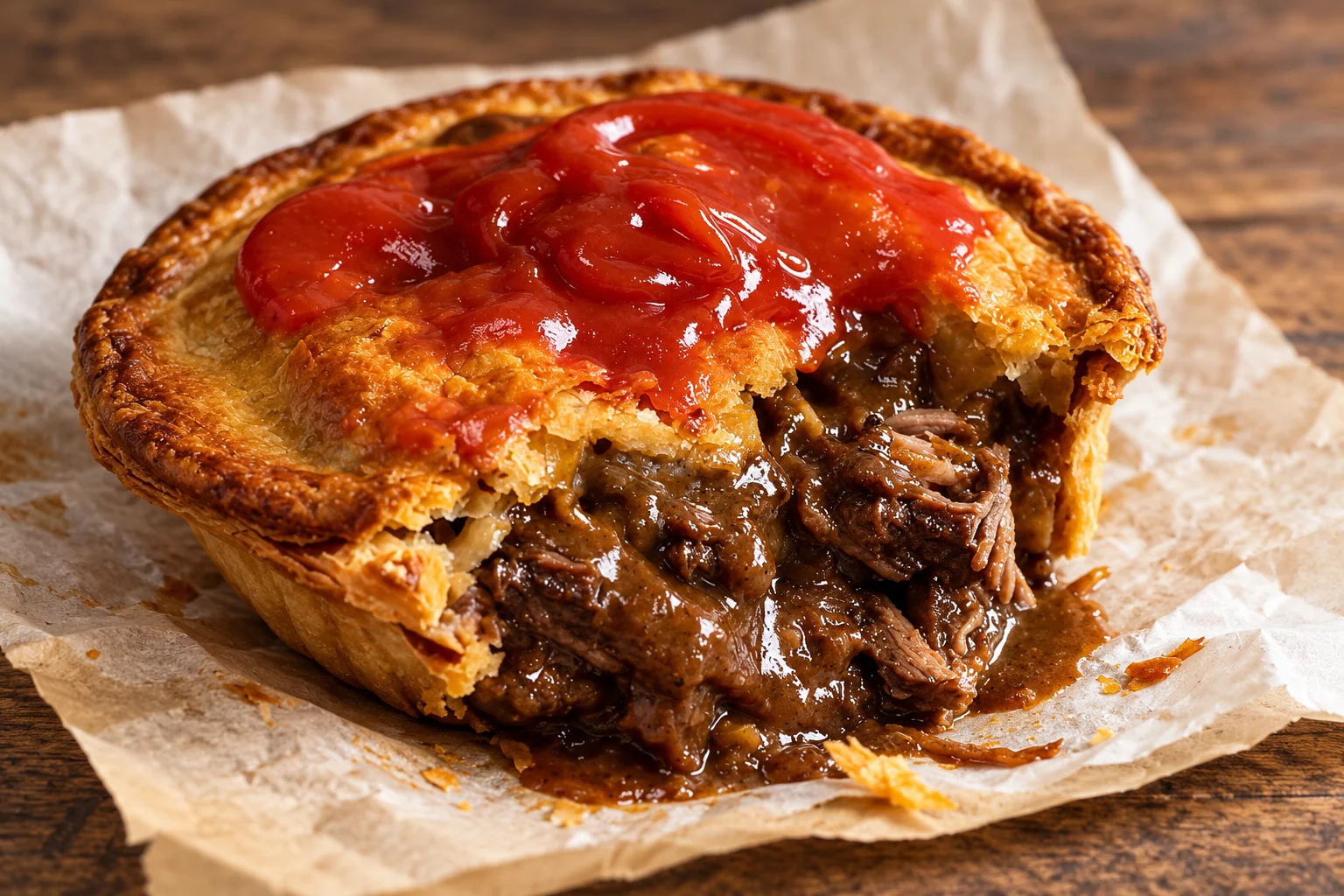
The meat pie is the standard hand-held lunch: minced beef in gravy inside a pastry case, sold at bakeries, petrol stations, sports grounds and corner shops, and usually eaten with tomato sauce. The sausage sizzle is its outdoor cousin. A barbecued sausage is wrapped in a slice of white bread, with onions and sauce, and is a staple of school fundraisers and hardware-store car parks on weekends.

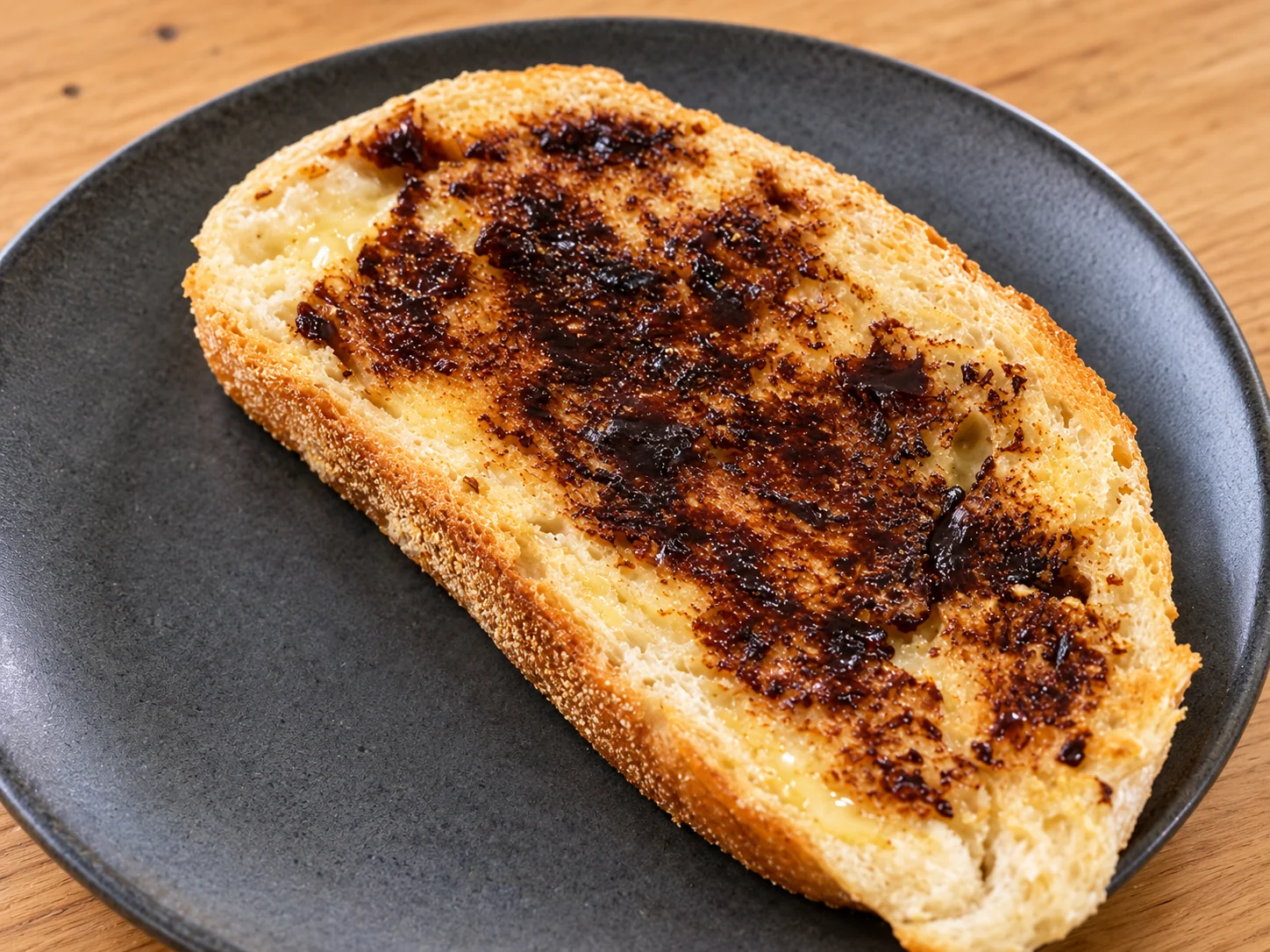
Vegemite, a dark, salty yeast spread, goes on buttered toast in a thin layer. Spread it thickly and it overwhelms most first-timers. Fish and chips, sold in paper wrappers near most beaches and harbours, and the barbecue (the "barbie") fill out the everyday repertoire. Barbecues are standard at home, and many parks provide public gas or electric plates.

Seafood, beef and lamb feature heavily on menus because they are widely produced domestically. You will also see kangaroo meat in supermarkets and on some restaurant menus. It is lean and is usually served rare to medium-rare.
Bakery sweets and desserts
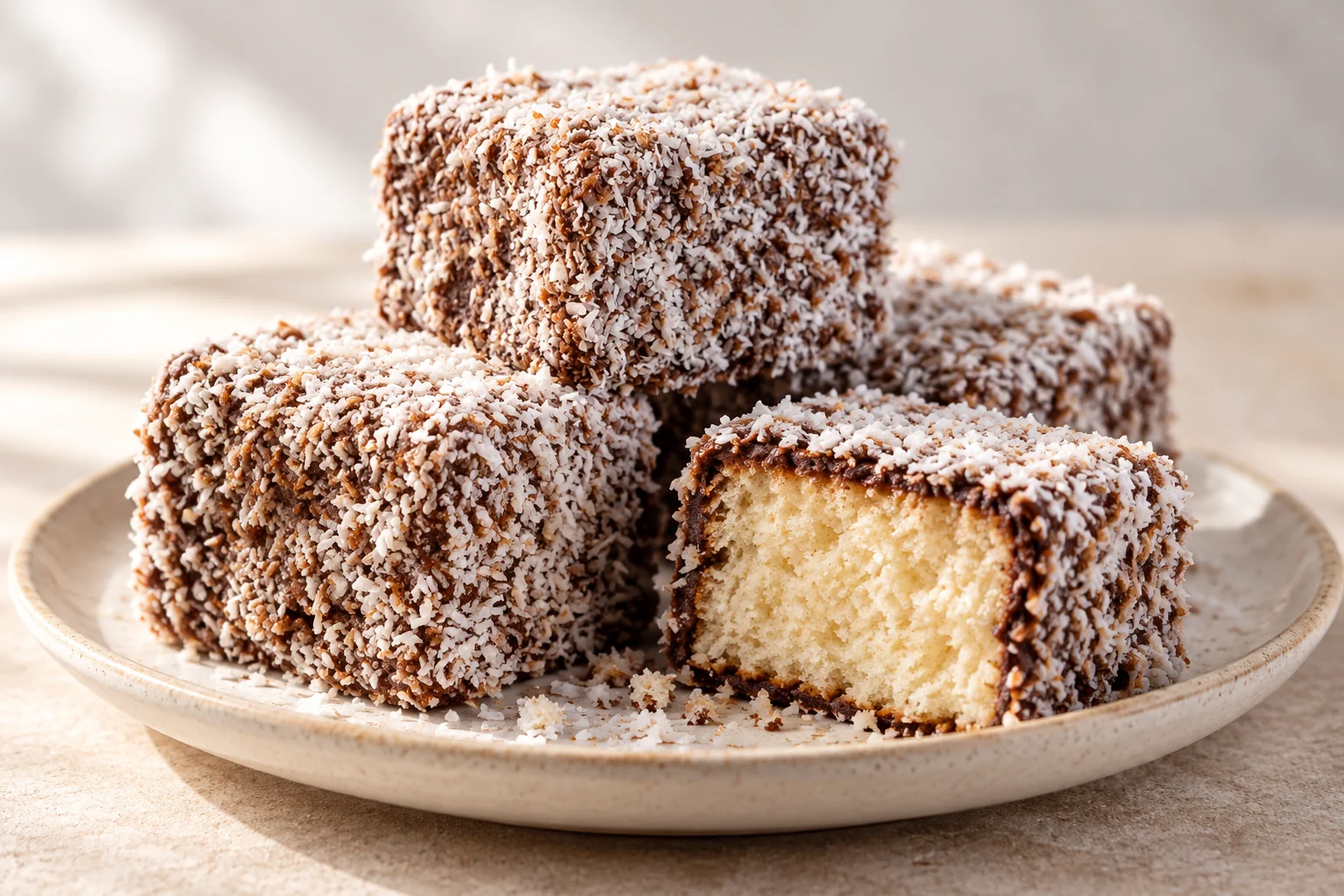
The lamington is a square of sponge cake dipped in chocolate icing and rolled in desiccated coconut, sometimes split and filled with cream or jam. Bakeries and supermarkets sell them year-round, and community groups often sell them in bulk to raise funds.
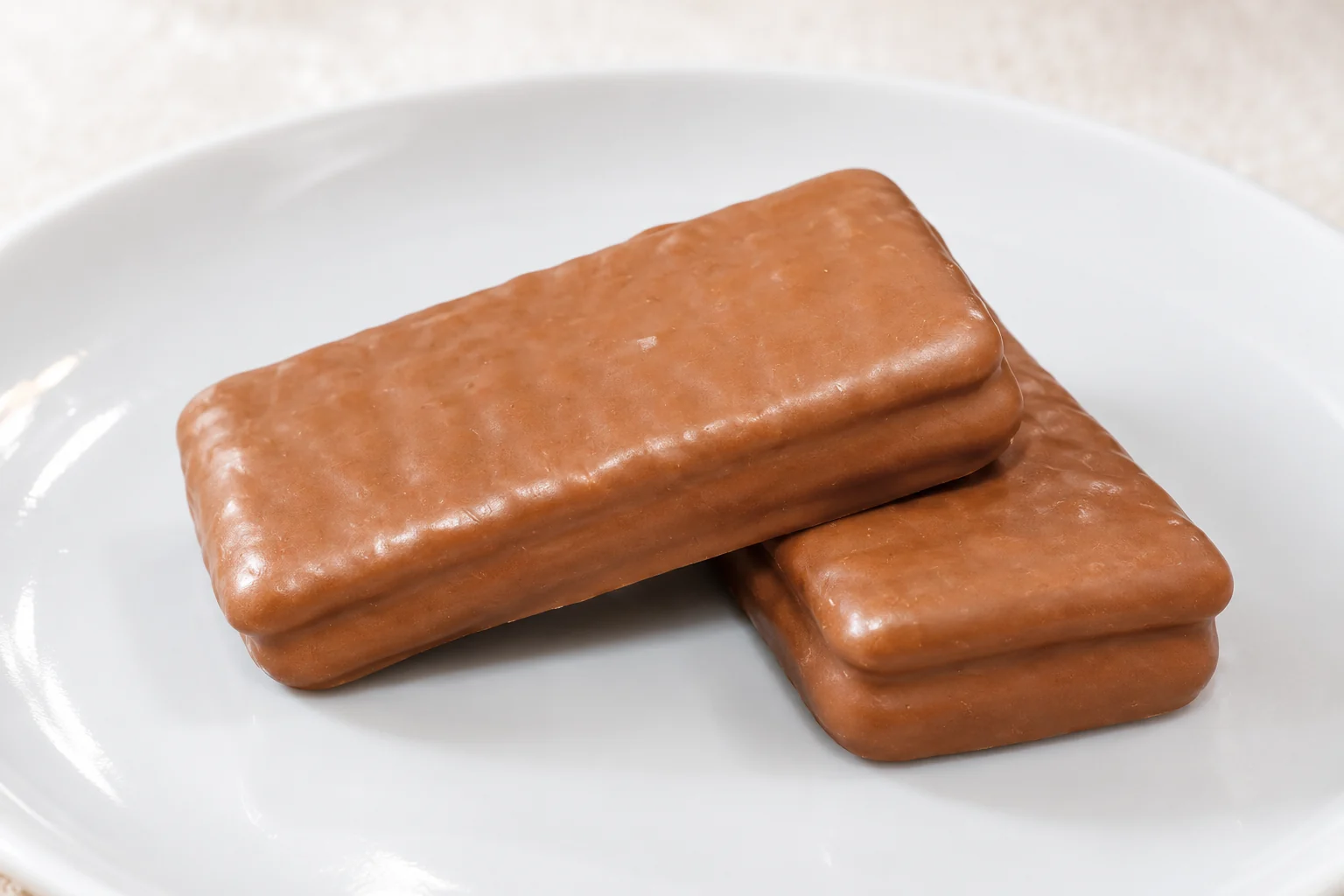
Pavlova is a meringue shell with a soft centre, topped with whipped cream and fruit such as passionfruit, strawberries and kiwi fruit, and it is a Christmas-table fixture. Anzac biscuits are a crunchy, chewy combination of oats, coconut and golden syrup. Tim Tams, a chocolate-coated biscuit, are the packaged biscuit visitors most often take home. A popular local ritual is the "Tim Tam slam": bite opposite corners, then use the biscuit as a straw for hot milk or coffee.


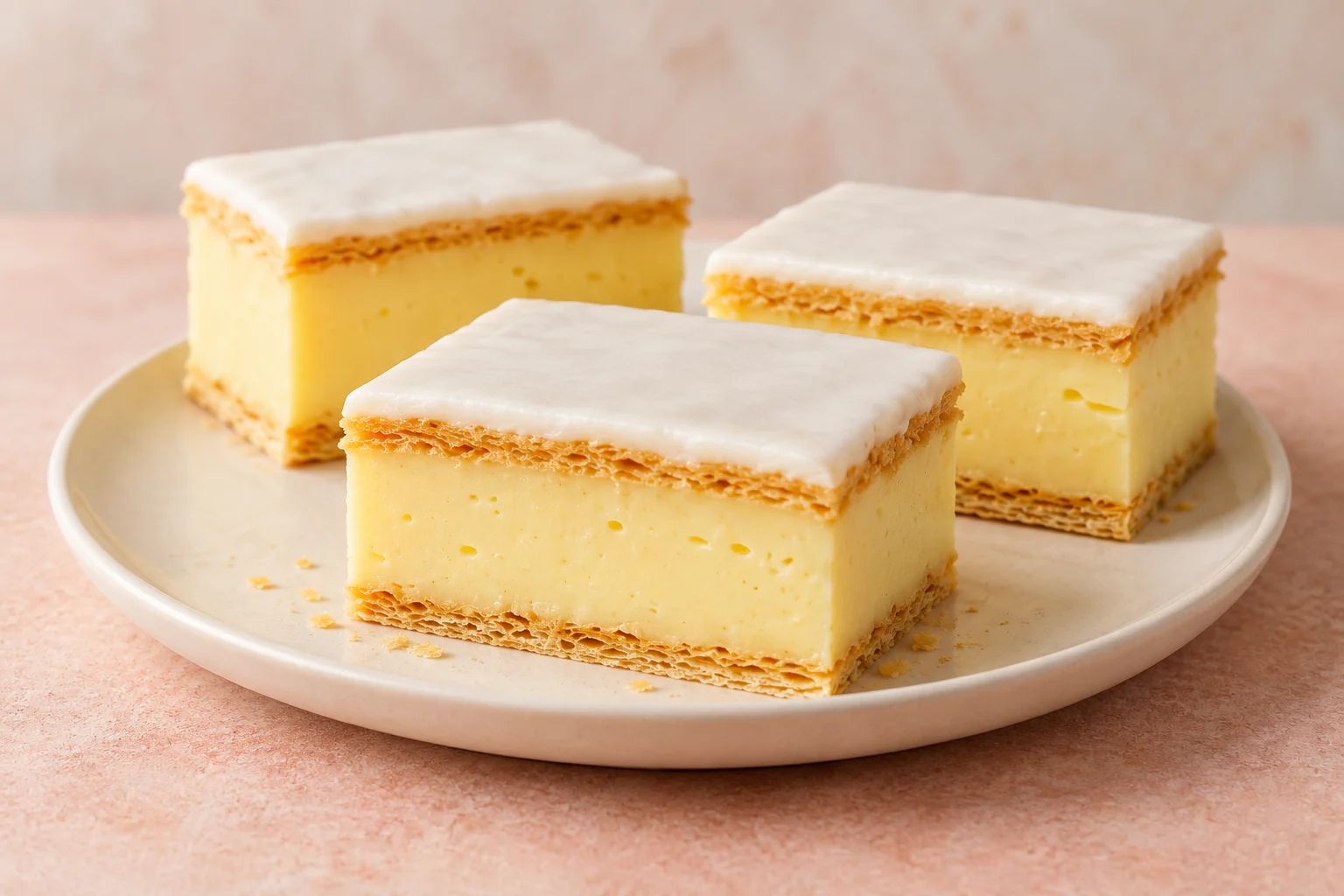
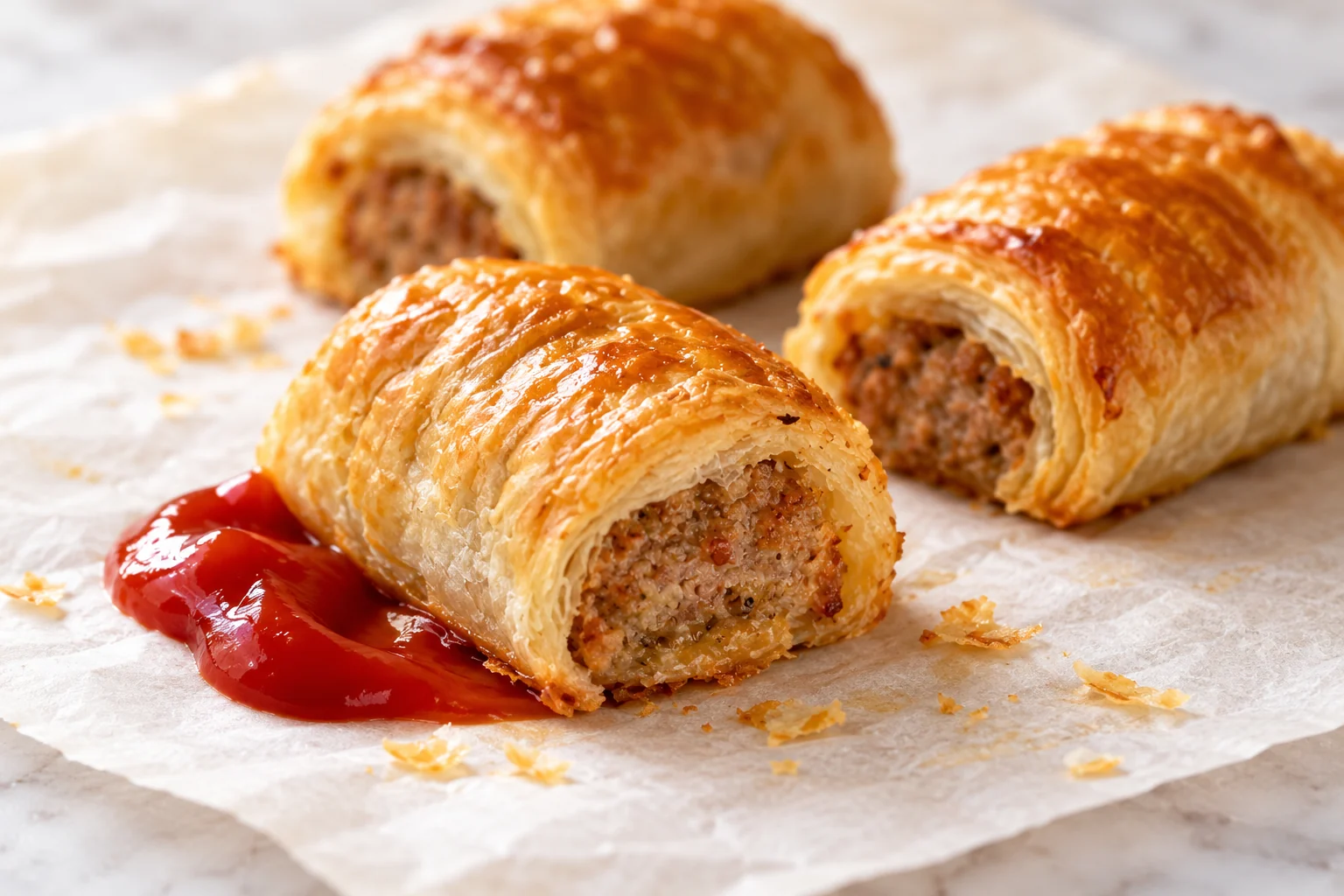
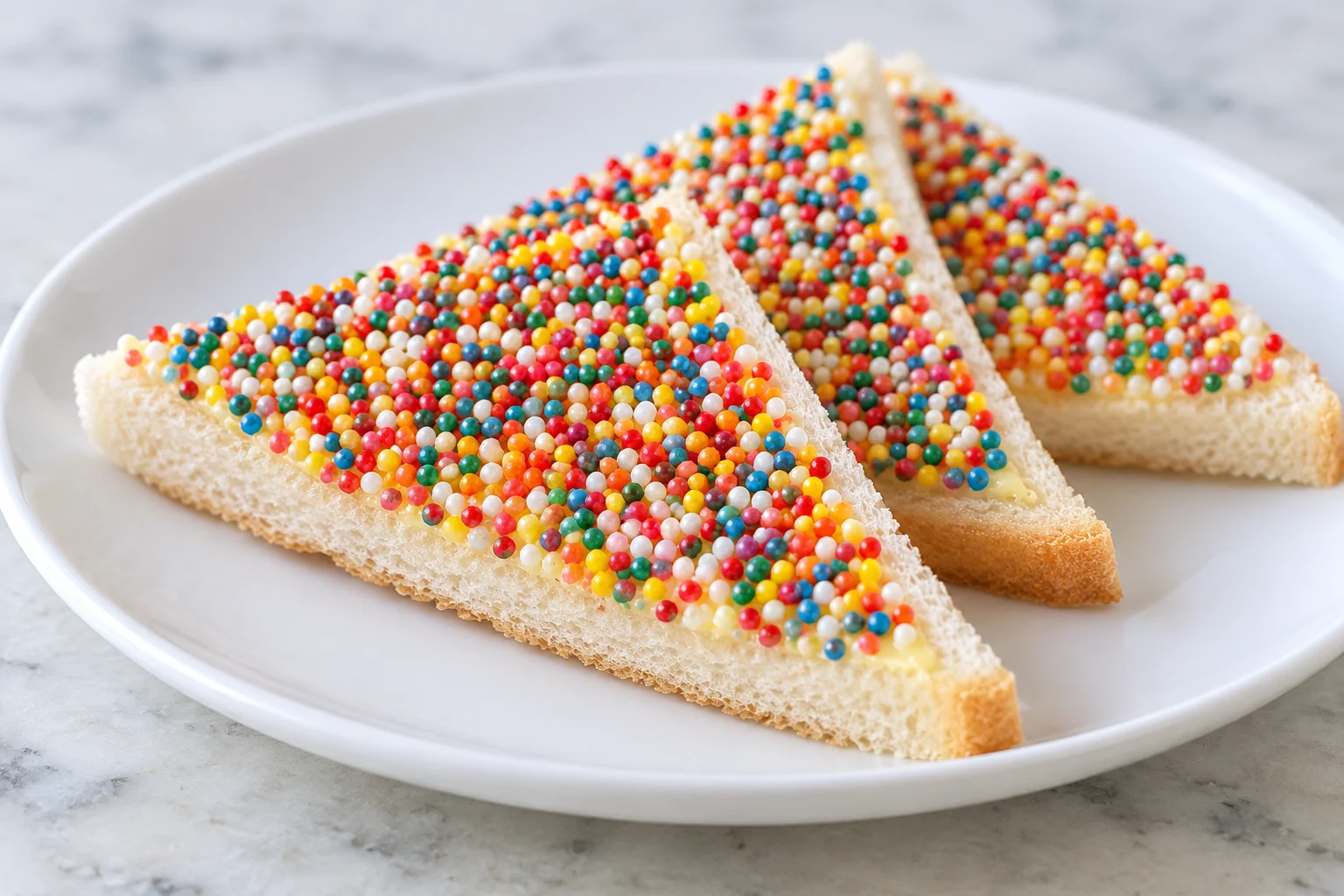
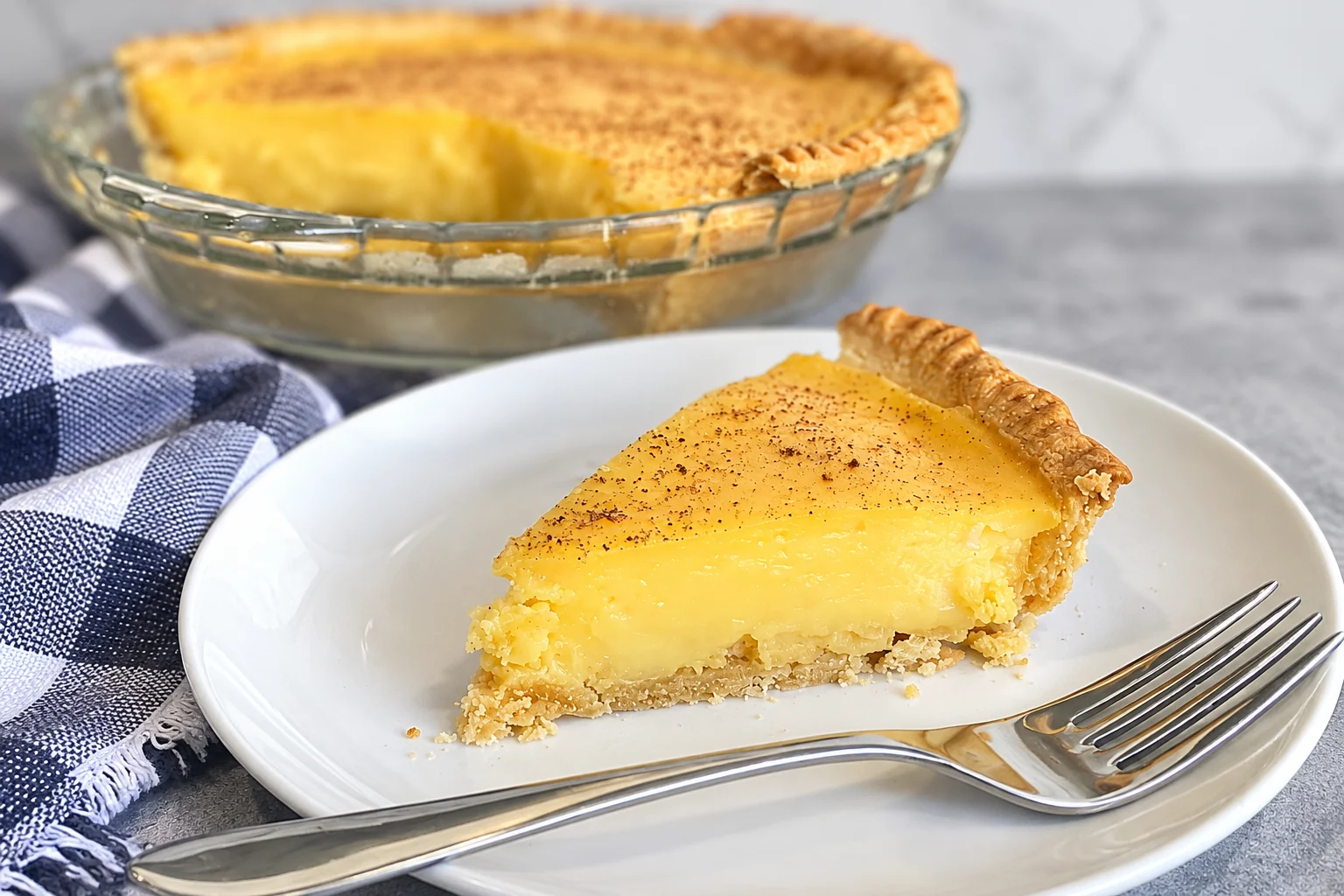
Other bakery regulars include vanilla slice (custard between pastry layers with icing on top), custard tarts, sausage rolls, and fairy bread, which is white bread, butter and hundreds-and-thousands, served at children’s parties. Many bakeries also sell pastries and breads that reflect their owners’ backgrounds, from Greek, Italian and Lebanese sweets to Vietnamese rolls and Chinese custard buns.
What to order at a café
Coffee drives café culture in the capital cities, and most orders are espresso-based. A flat white is espresso with steamed milk and a thin layer of microfoam, while a latte has more milk and comes in a taller glass. A long black is espresso poured over hot water, similar to an Americano. A short black is a straight espresso, and a piccolo is a small drink of espresso with a little milk. In Melbourne you will see "magic" on menus, a small, strong milk coffee, though it is not stocked everywhere.

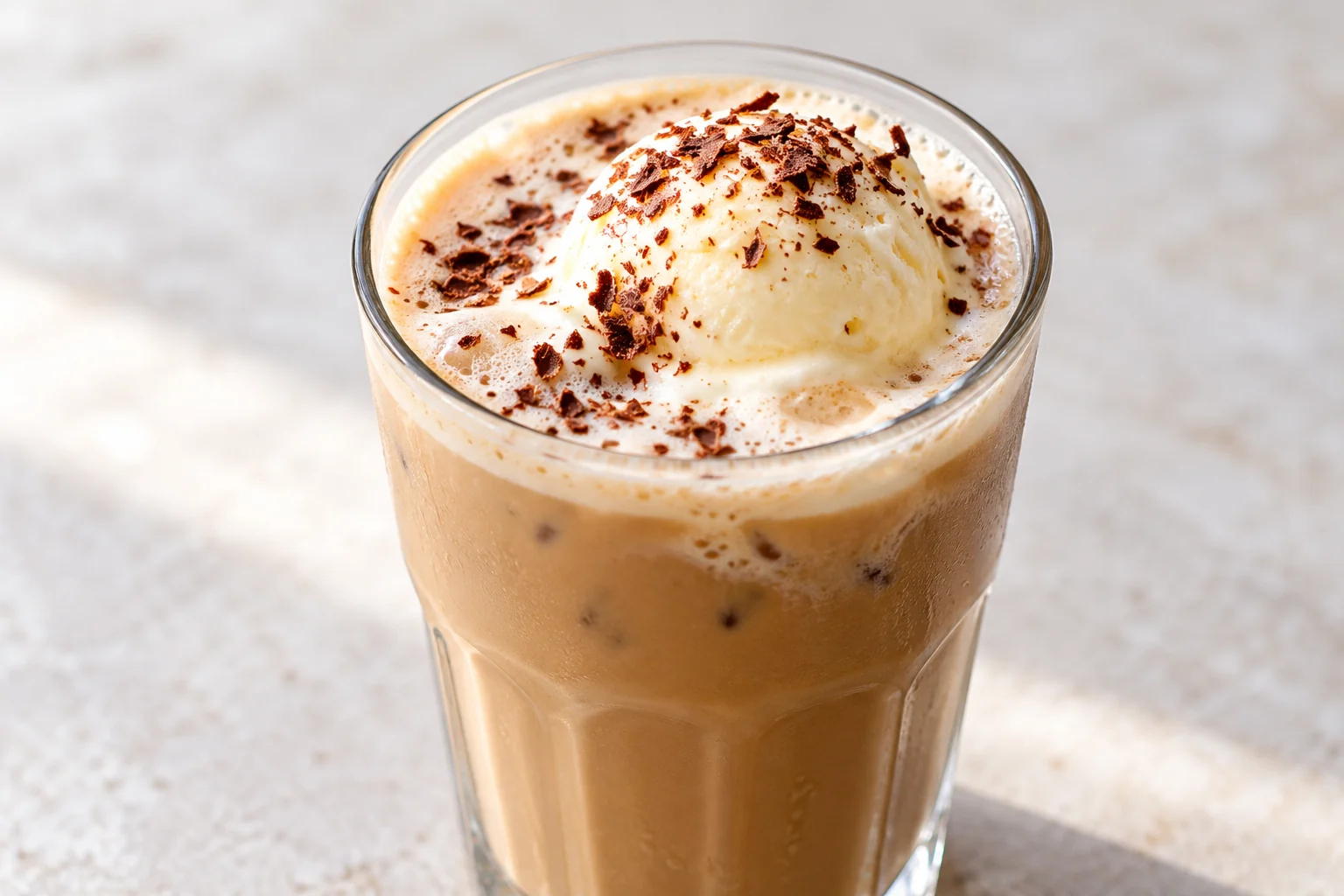
Plant milks (soy, oat, almond) are standard options and may carry a surcharge. Specify your milk when you order, since the default is dairy. Iced coffee in Australia often arrives as a milk-based drink with ice cream and cream rather than a drink over ice, so ask if you want a cold brew or an iced latte.
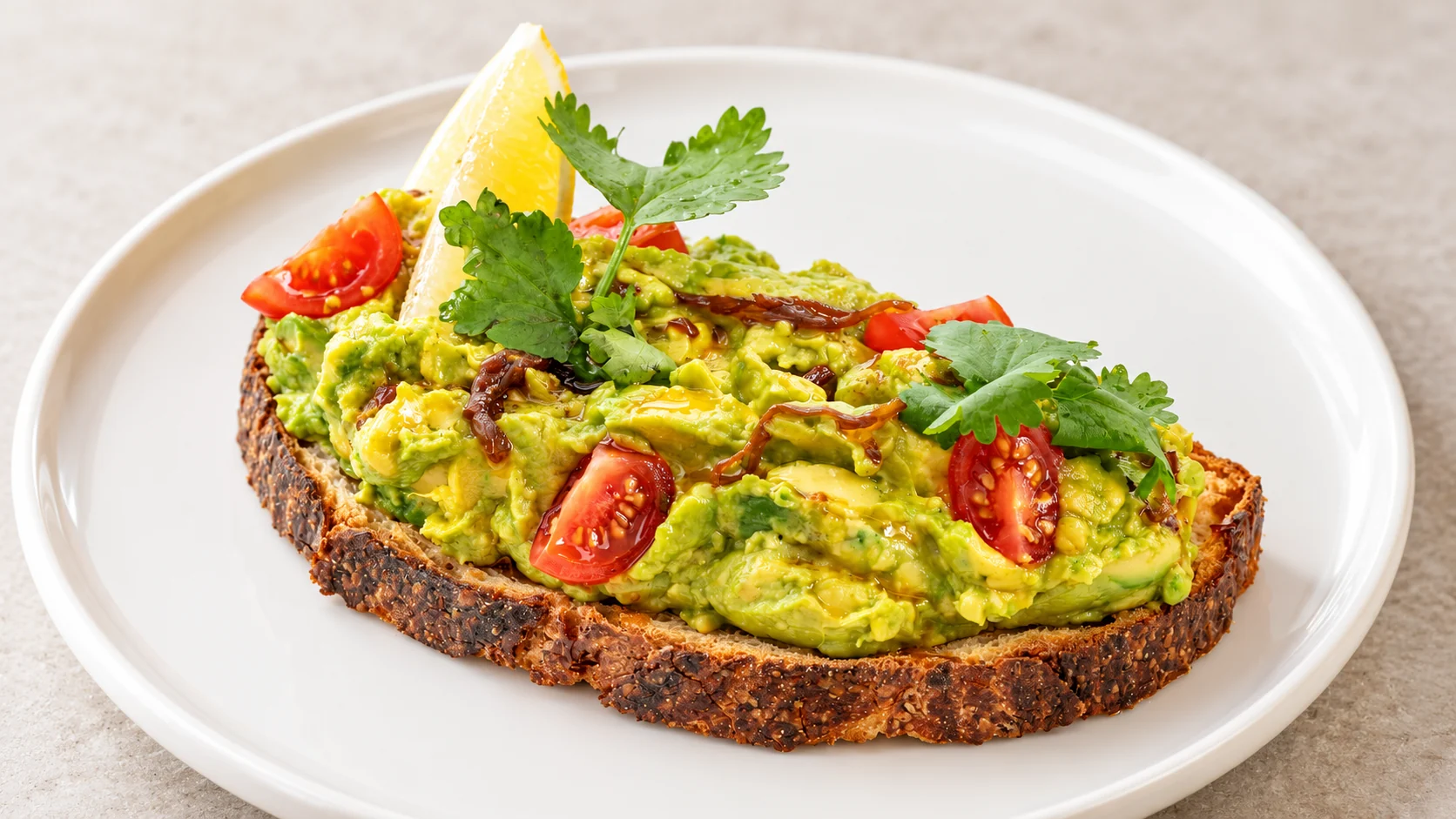
Breakfast and brunch menus tend to include smashed avocado on toast, eggs in several styles, and bacon and egg rolls. Many cafés list vegetarian, vegan and gluten-free options clearly, and most will tell you what a dish contains if you ask.
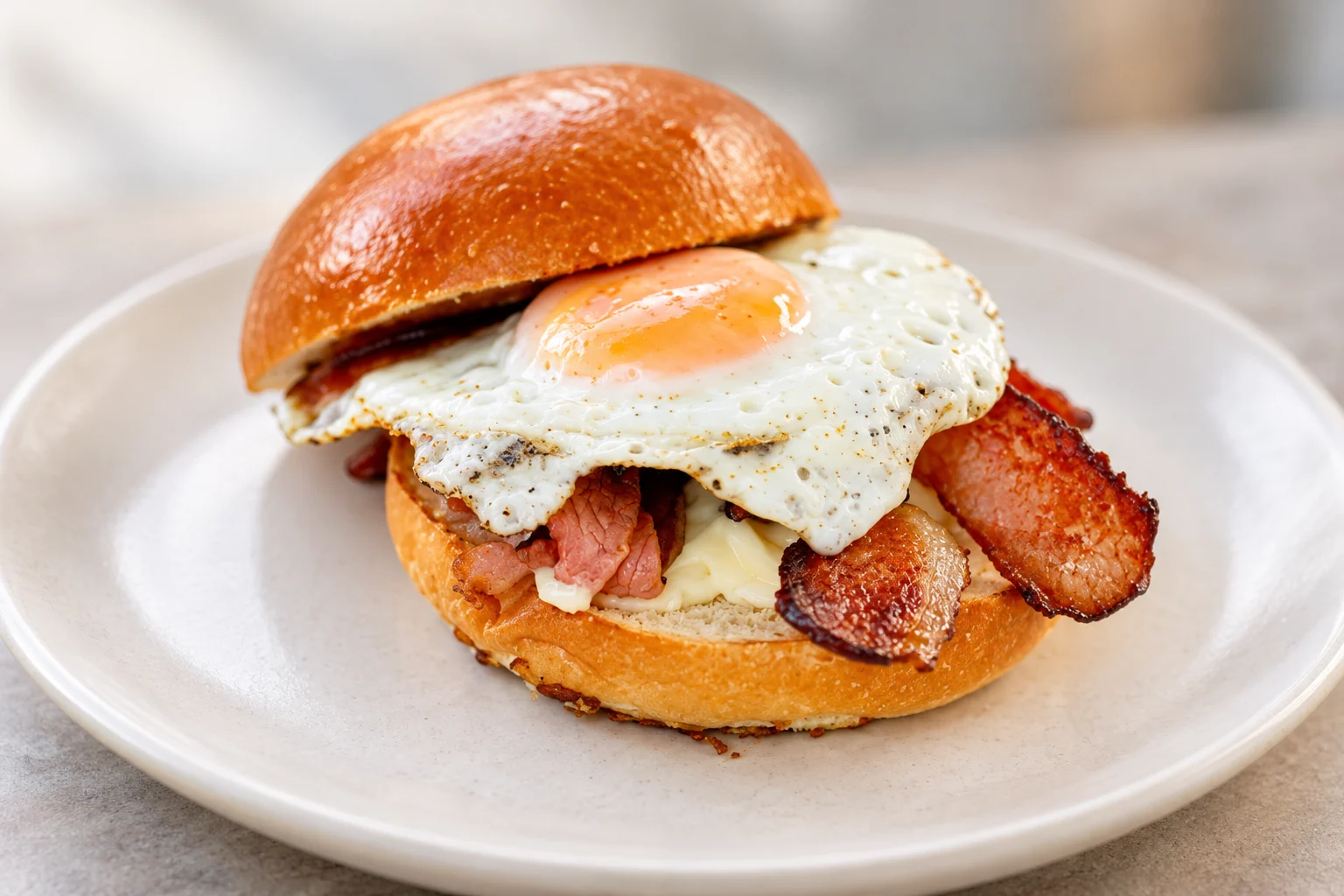
You usually order and pay at the counter in a casual café, then collect a number or wait for your name. Table service is standard in sit-down restaurants. A tip is welcome but not expected, so leaving none is fine.
Allergens and asking café staff
Packaged food in Australia follows Standard 1.2.3 of the Food Standards Code, which sets out which allergens must be declared. FSANZ (Food Standards Australia New Zealand) is the national body. State and territory food authorities enforce the Code, and local councils handle registration and inspection of food businesses. The updated allergen labelling requirements took effect on 25 February 2024, following gazettal in 2021 under the name Plain English Allergen Labelling.
On a label, allergens appear in bold in the ingredient list, in a font size at least as large as the other ingredients, for example "maltodextrin (wheat)". A separate bold summary statement starts with "contains". Tree nuts must be named by type, such as almonds, cashews, hazelnuts, macadamias, pecans, pistachios or walnuts, rather than described as "nuts". Peanuts are one of the most common causes of anaphylaxis in Australia.
Cafés and restaurants serve mostly unpackaged food. FSANZ’s food service guidance says Standard 1.2.1 requires allergen information for both packaged and unpackaged food, and gives a restaurant as an example. In practice, tell the person taking your order which allergen you need to avoid and ask what is in the dish. Do not rely on a menu description alone, because the packaged-food label format does not apply to a plated meal.
A multicultural food scene
The overseas-born population was just over 7 million in 2021, up from 6.1 million in 2016. The share has risen more sharply since 2006, which the ABS links to immigration policy changes including more skilled migrants.
The 2021 Census shows the largest overseas-born groups, excluding Australia, were England (927,490), India (673,352), China (549,618, excluding Special Administrative Regions and Taiwan), New Zealand (530,492) and the Philippines (293,892). The most common languages other than English spoken at home were Mandarin, Arabic, Vietnamese, Cantonese and Punjabi.
These figures explain why a Sydney or Melbourne suburb can have Vietnamese bakeries, Lebanese grills, Indian sweet shops and Cantonese yum cha rooms within a short walk. Country of birth reflects where a person was born, not necessarily their ethnic origin or language, so the data points to likely cuisines without guaranteeing them. To see which communities live in a given suburb, the SBS suburb map searches by country of birth, language and religion.
Religion also shapes menus. The Census records sizeable Muslim and Hindu communities, so halal food is widely available and vegetarian Indian restaurants are common in many cities. If you need halal or vegetarian food, look for a restaurant that states it on the door or menu.
Indigenous ingredients and bush foods
Bushfoods, also called bush tucker, cover all Australian native plants and animals and the products made from them. The Western Australian Department of Primary Industries and Regional Development lists examples including whole bush tomato, lemon myrtle tea, wattleseed bread, kangaroo meat, bushfood yoghurt, boab beer and green ant gin.
Several ingredients turn up regularly in shops and restaurants:
- Kakadu plum (gubinge): grows from the Kimberley in Western Australia to Arnhem Land in the Northern Territory and has one of the highest vitamin C levels in the world.
- Wattleseed: ground and used in muesli and bread.
- Lemon myrtle: used in tea and cakes.
- Finger lime, bush tomato and sandalwood: sold as products or ingredients.
- Paperbark: used to wrap and present seafood, poultry, meat and salads.
- Magpie geese: lean and high in protein, and chefs are considering them.
- Macadamia: the only native food cultivated at large scale, according to the department’s guide.
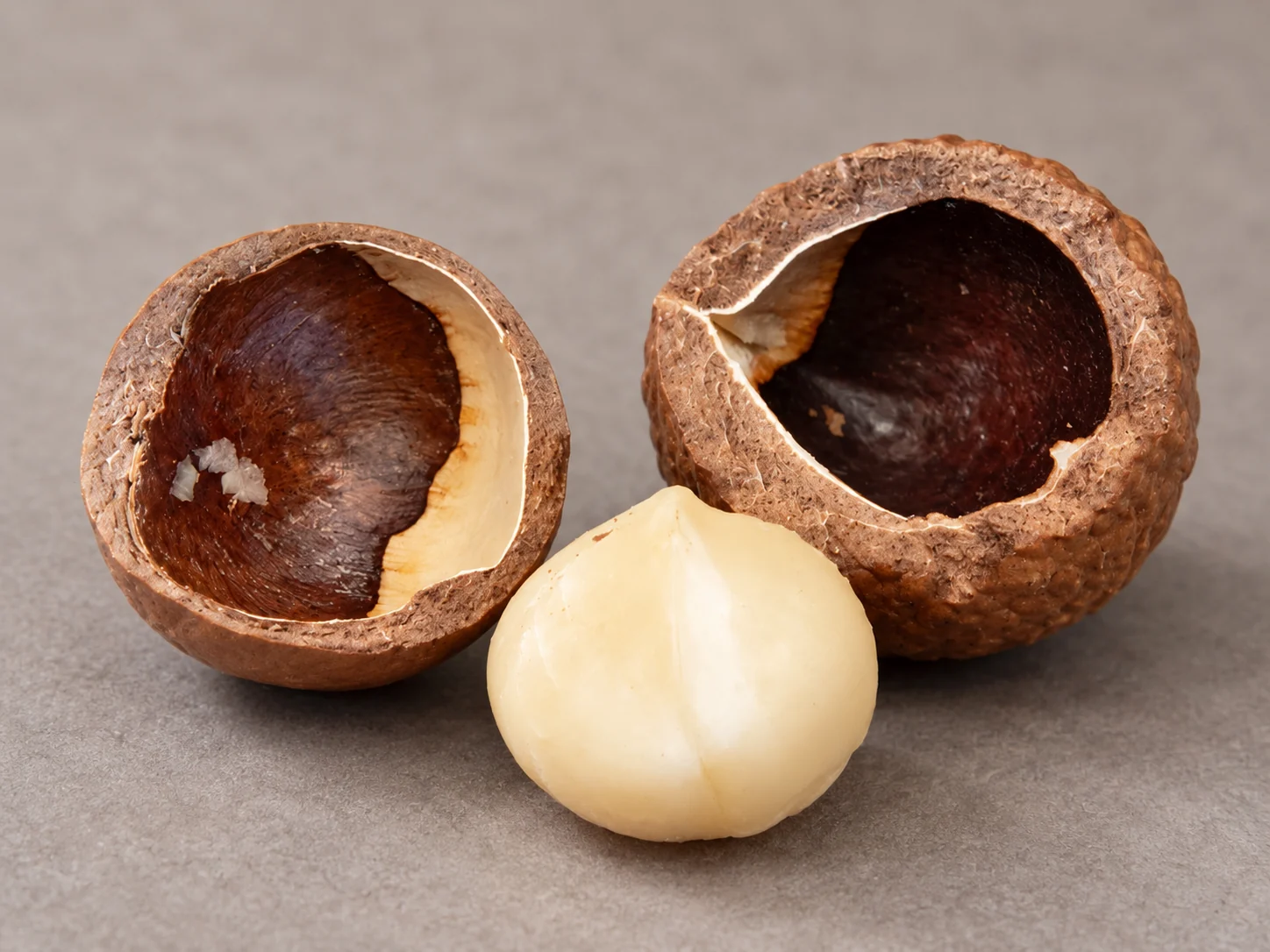

The industry was valued at $81.5 million in 2019–20 in University of Sydney market research reported by the Australian Government, with potential to double by 2025. Indigenous-owned company Something Wild supplies restaurants including Vue de Monde and The Fat Duck.
Indigenous ownership is uneven across the sector. The Western Australian guide says relatively few Australian native food producers are Aboriginal enterprises. The Northern Australia Aboriginal Kakadu Plum Alliance, formed in August 2018, says it is the largest Indigenous-controlled native food supply network in the country. If you want to support Aboriginal producers, check the product label or the seller’s website for Indigenous ownership or supply arrangements.
Buying and cooking bush foods
Most shoppers do not know how to use raw bushfoods, so producers sell dried, powdered, puree and tea versions, which keep longer and slot into familiar recipes. Look for ground wattleseed in baking, lemon myrtle in tea and desserts, and Kakadu plum in jams and powders. Native harvests are seasonal, so fresh products appear at limited times.
Collecting wild plants for sale is regulated. In Western Australia, the Wildlife Conservation Act 1950 protects native flora, and selling collected flora can bring a fine of up to $4,000. A Commercial Purpose Licence for protected flora from Crown land costs $125 a year, and a Commercial Producer’s Licence for flora from private property costs $25. In the Northern Territory, taking protected species from Crown land or selling wildlife requires a permit under the Territory Parks and Wildlife Conservation Act 1976, with a $300 application fee, and Kakadu and Uluru-Kata Tjuta National Parks are controlled by the Commonwealth. Visitors should not pick plants in parks or on Aboriginal land.
Bringing food into Australia
Every arriving passenger completes an Incoming Passenger Card from their airline or cruise line and must either declare risk goods or dispose of them in bins at the airport or cruise terminal, according to the Department of Agriculture, Fisheries and Forestry. Risk goods include food, animal products and plant material, including wooden articles. A biosecurity officer inspects declared goods. Goods with no biosecurity risk are returned, and others may be treated, exported or destroyed. Arrivals move faster if they carry no fresh fruit, vegetables, plants, seeds, meat, or animal or wood products.
The penalty for false or misleading information on the card, or for refusing to follow directions, includes an infringement notice of up to $3,960. The same conduct can lead to civil penalty proceedings or criminal prosecution. A visa can also be cancelled, which can mean refused entry and a bar on returning for up to three years.
The department’s travellers’ brochure says to declare commercially prepared, home-made, fresh, dried, cooked, uncooked or frozen food, and snacks or cooking ingredients, even in small amounts. It lists several items as not permitted: food from the plane or ship, rice, honey, and home-cooked or packaged meals. Dairy and egg products are also on the list, such as mayonnaise and non-commercial egg noodles or pasta. If you are unsure about an item, declare it or leave it behind.
The food-specific rules allow biscuits, bread, cakes, pastries, Christmas cake and Christmas pudding under conditions, but exclude cheesecakes. Canned bony fish is allowed for personal use up to 10 kg per traveller if it meets retorted-goods conditions, and vacuum-packed goods are not retorted. Conditions change, so check each trip, including if you travel often. Residents moving house with food in their belongings should use the department’s moving and immigrating guidance, which points to its BICON import conditions database for item-by-item checks. Where a permit is needed, obtain it before the goods arrive. Travelling between states is governed by separate state rules, which the department’s page links to.
What food costs right now
The ABS Consumer Price Index for August 2026, released on 30 September 2026, shows food and non-alcoholic beverages up over the 12 months to August, with meals out and takeaway food rising faster than food overall. In August itself, food prices fell slightly after a rise in July.
The ABS names meals out and takeaway as the main contributor to the annual rise in food prices, citing higher operating, ingredient and other input costs. For July, it also cites minimum wage award increases on 1 July. Meals out also rose strongly in the 12 months to the September quarter 2025, the strongest annual rise since the June 2024 quarter, which the ABS attributes to higher labour and ingredient costs.
In the March 2026 figures, annual food and non-alcoholic beverage inflation varied by capital city, with Hobart and Sydney among the higher results and Brisbane and Adelaide among the lower. These figures are rates of change across categories, so they show how fast costs are rising. They do not give the price of a flat white or pie in any given place. The ABS will update the CPI weights for January 2027, with that release due on 24 February 2027.