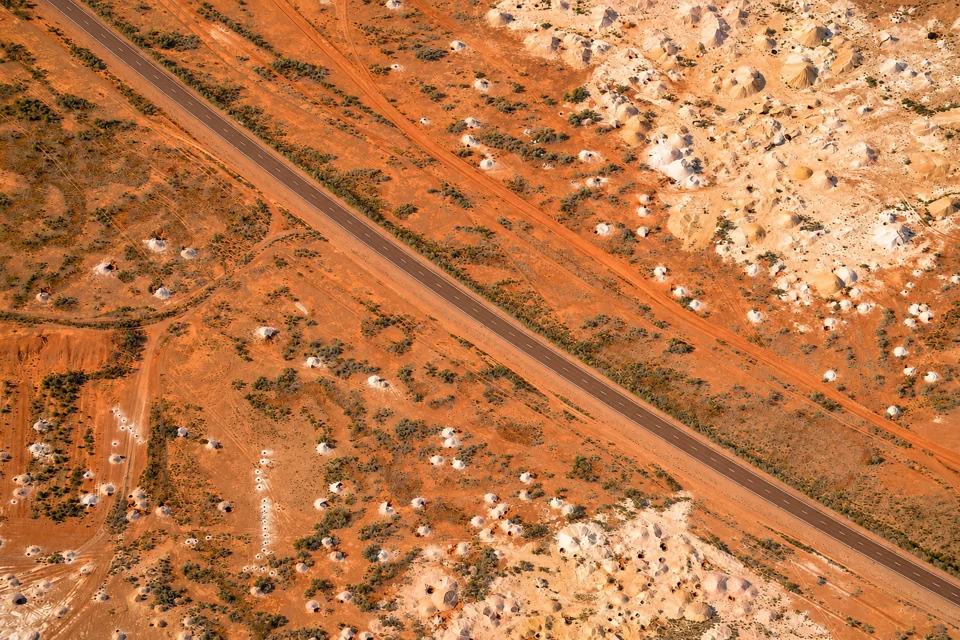
The drive from Adelaide to Uluru follows the Stuart Highway north through the South Australian outback to the Northern Territory border, then turns west onto the Lasseter Highway at Erldunda for the last stretch to Uluru-Kata Tjuta National Park. The direct route is 1,581 km and about 16 hours 16 minutes of driving with no stops (figure dated 23 May 2024). Most travellers split it over at least two days. A trip that includes Coober Pedy, a Flinders Ranges detour or Kings Canyon takes longer.
The road is sealed all the way, so an ordinary car handles the main route. Plan around four things: timing (May to September is the comfortable window), fuel (the gaps between towns are long), floods (the highway was cut in March 2026) and one-way hire (very few operators offer it to Uluru).
Route options and distances
All the common itineraries share the Stuart Highway as far as Erldunda. Each adds a different number of detours and finishes in a different place. Guides quote inconsistent national route numbers, so follow the highway names instead: Stuart, then Lasseter.
| Option | Distance | Driving time |
|---|---|---|
| Direct drive, no stops | 1,581 km | 16h 16m |
| 8-day Adelaide to Uluru explorer via Kings Canyon | 1,970 km | 20h 45m |
| 10-day Apollo itinerary, Adelaide to Uluru then on to Alice Springs | 2,140 km total | Not stated |
| 14-day Adelaide to Darwin via Uluru | 4,173 km | 43h 13m |
| Relaxed 7 to 10 day itinerary | About 2,045 km | Not stated |
The direct drive and the 8-day explorer are the two realistic Adelaide-to-Uluru choices. The 8-day explorer runs through Clare Valley, Mount Remarkable National Park, Glendambo, Coober Pedy, Kulgera and Kings Canyon before reaching Uluru. The 10-day Apollo Camper itinerary is a campervan trip that starts in Adelaide, ends the Uluru leg at Yulara, then continues to Stuart’s Well and Alice Springs. The relaxed 7 to 10 day plan suits travellers who want camping and slower days.
Travellers who want to see Alice Springs as well can drive Uluru to Alice Springs afterwards, about 450 km on the Lasseter and Stuart highways, and fly or hire a car from there. That choice is also the one that shapes one-way hire, covered below.
Driving times between towns
Distances between towns set the rhythm of the trip. These benchmarks cover the main stretches.
| Leg | Distance | Driving time |
|---|---|---|
| Adelaide to Port Augusta | 308 km | 3h 38m |
| Glendambo to Coober Pedy | 254 km | 2h 36m |
| Woomera to Coober Pedy | 375 km | 3h 50m |
| Coober Pedy to Marla | 230 km | 2.5 to 3 hours |
| Marla to Uluru | 420 km | 4 to 4.5 hours |
| Coober Pedy to Erldunda | 486 km | 5 hours |
| Erldunda to Yulara | 250 km | About 3 hours |
Emurun supplies the Adelaide to Port Augusta and Woomera to Coober Pedy figures. The Marla and Marla-to-Uluru legs come from the Explorer’s Way itinerary, and the Coober Pedy to Erldunda figure comes from a Stuart Highway guide. Adelaide to Coober Pedy totals about 860 km. From Yulara, Uluru is about 30 minutes away and Kata Tjuta about one hour, according to Small Footprints Big Adventures.
Driving times assume steady speeds and no queues for roadworks, fuel or road trains, so each day’s plan needs margin for stops.
How many days to allow
Two days is the minimum for the direct route, with at least one overnight stop. Coober Pedy sits a little past the halfway point and is the natural overnight stay. Driving from Adelaide to Coober Pedy in a single day is a poor plan, since it ends with hundreds of kilometres of driving in the dark, when animals are most active.
A relaxed trip takes three to four days. That allows an unhurried day through the southern Flinders or Port Augusta, a full evening and morning at Coober Pedy, and a final day into Yulara. Traveloutback suggests two or more days around Coober Pedy for a relaxed trip.
Add Kings Canyon, the Clare Valley and Mount Remarkable and the trip becomes an eight-day explorer, which is how Turo structures it. Then add time at the park itself. The entry pass covers three consecutive days, and visitors spent an average of 3.3 days in the park in 2021-22. A comfortable plan therefore adds about three days at Uluru and Kata Tjuta to whatever the drive takes.
Best stops from Adelaide
South Australia: Clare Valley to Port Augusta
The Clare Valley, a wine region, is the first major stop on Turo’s explorer route. It is 142 km (1h 48m) from Adelaide. From there, Mount Remarkable National Park is another 148 km (1h 34m), and Mount Remarkable to Glendambo is 339 km (3h 34m). Lazytrips highlights Napperby Gorge, Wirrabara Forest and Lake Torrens National Park along the upper Spencer Gulf, as well as Wallaroo, Port Pirie and Lake Hart.
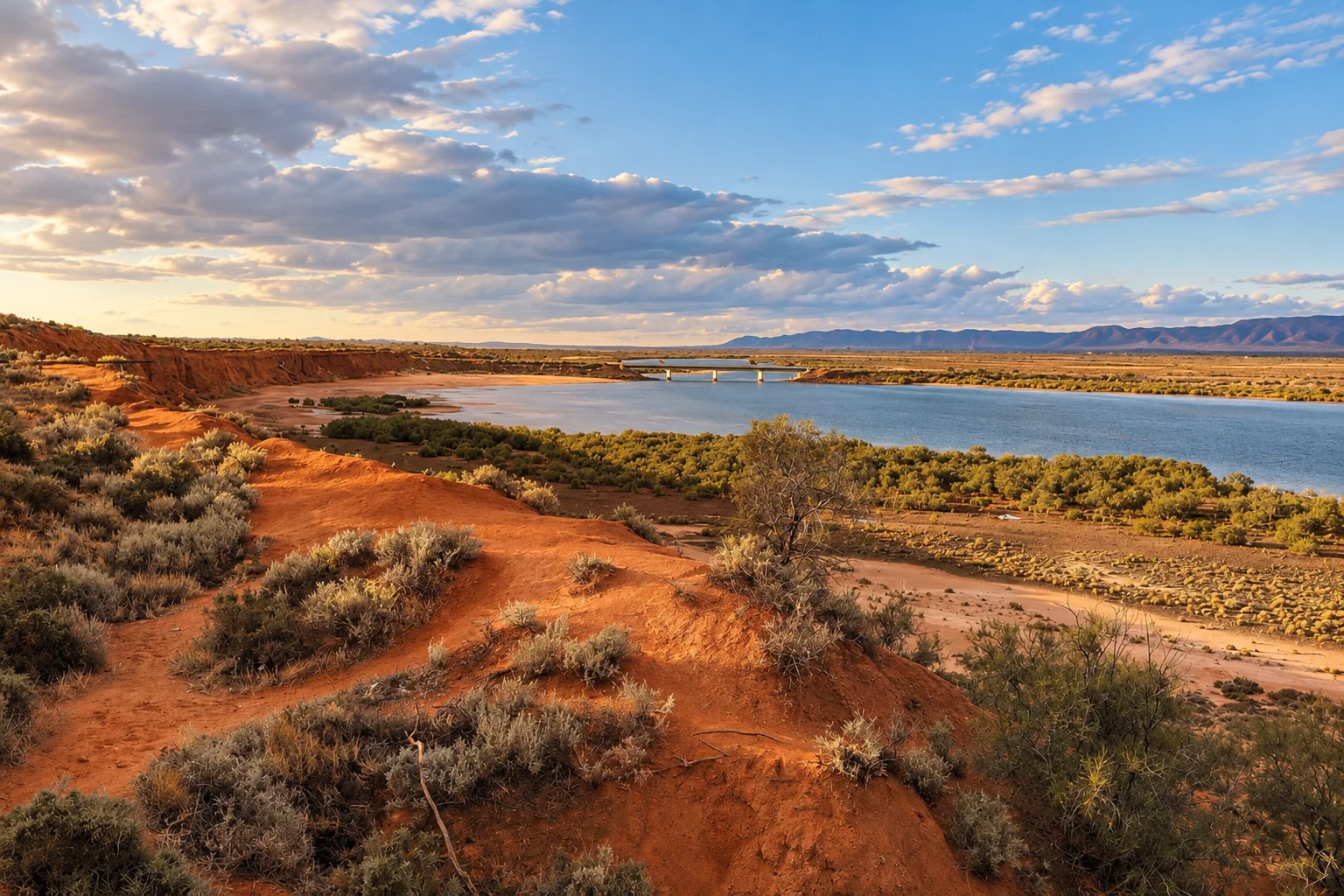
Port Augusta is the gateway to the outback. The Wadlata Outback Centre, the Australian Arid Lands Botanic Garden and the Water Tower Lookout are the town’s standard stops. It is also the turn-off for the Flinders Ranges: Ikara-Flinders Ranges is 151 km (1h 30m) from Port Augusta, which makes it a worthwhile detour for anyone with an extra day or two.
Pimba, Woomera and Glendambo
Pimba is a fuel stop 483 km (5h 17m) from Adelaide and a sensible first-day target on a longer trip. Woomera, nearby, is a rocket-range town, and the highway passes through the Woomera Prohibited Area, where travellers may not leave the road. Stay on the bitumen and in marked rest areas there.
Glendambo is the last fuel before the longest gap on the route, so fill up there.
Coober Pedy
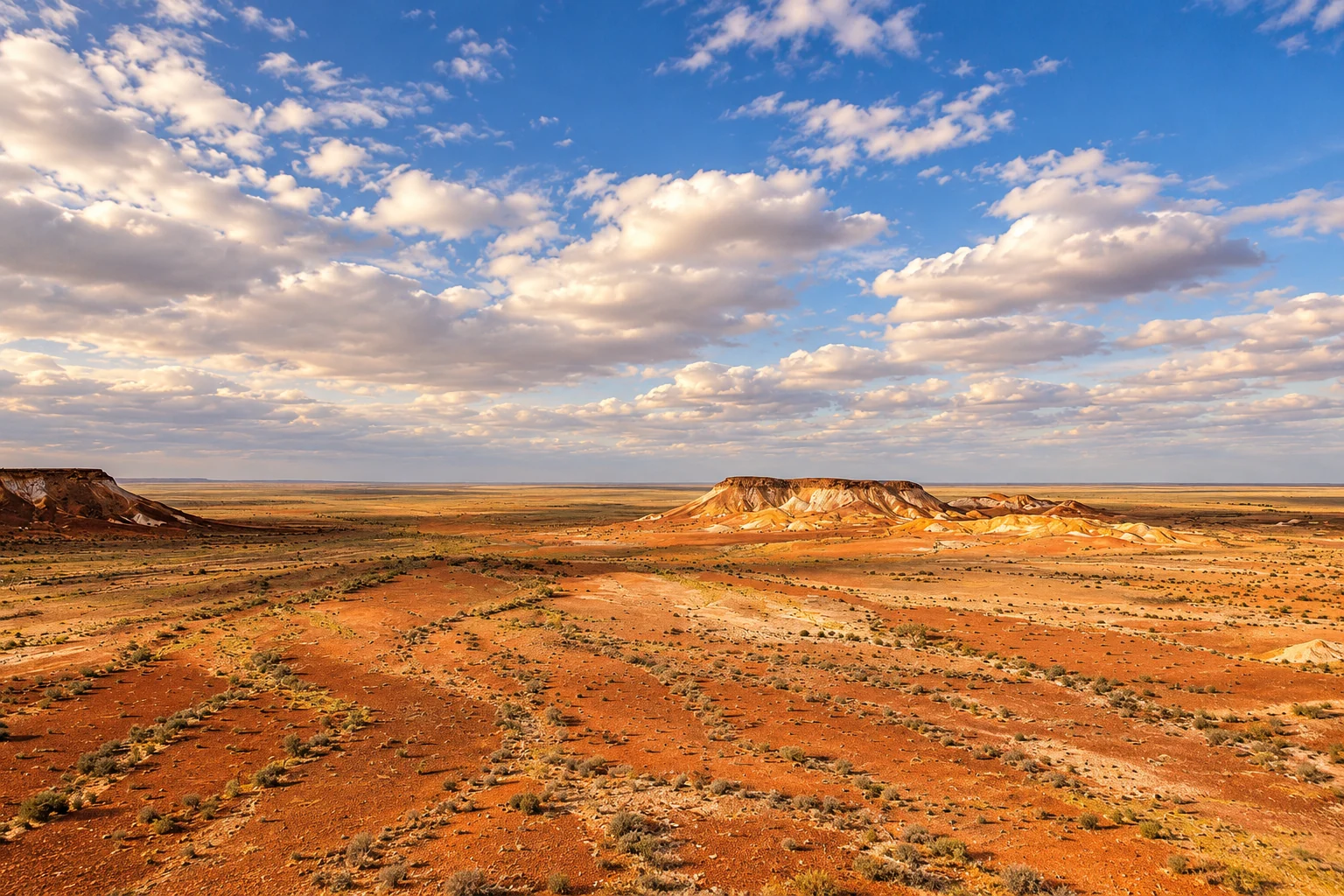
Coober Pedy is the main stop on the route and the largest town between Port Augusta and Alice Springs. It has good supermarkets, several places to stay and underground accommodation, and the town’s opal mining history shapes what there is to do. Nearby, the Breakaways and the Kanku-Breakaways Conservation Park show the painted desert, and the Big Winch Scenic View Cafe gives an overlook of the town. One night is enough to see the town. Two nights suit anyone who wants to visit the Breakaways without rushing.
Marla, Kulgera and Erldunda
North of Coober Pedy the country becomes long, straight highway through low scrub. Cadney Park Homestead, Marla and Kulgera are the only services before Erldunda. Marla is a good stop for a meal, fuel and a break. Kulgera Roadhouse is the first stop in the Northern Territory, just across the border. At Erldunda the road splits, with the Stuart Highway continuing north to Alice Springs and the Lasseter Highway turning west toward Yulara.
Curtin Springs
Curtin Springs, 92 km from the park entrance, is the last roadside property before Yulara and a handy break when you are running late.
Detour to Kings Canyon
Turo’s explorer route swings through Watarrka National Park, home of Kings Canyon, between the border and Uluru. The route runs Coober Pedy to Kulgera (414 km, 4h 9m), Kulgera to Kings Canyon (348 km, 3h 33m) and Kings Canyon to Uluru (324 km, 3h 27m). Compared with the direct total of 1,581 km, the full explorer adds up to 1,970 km.
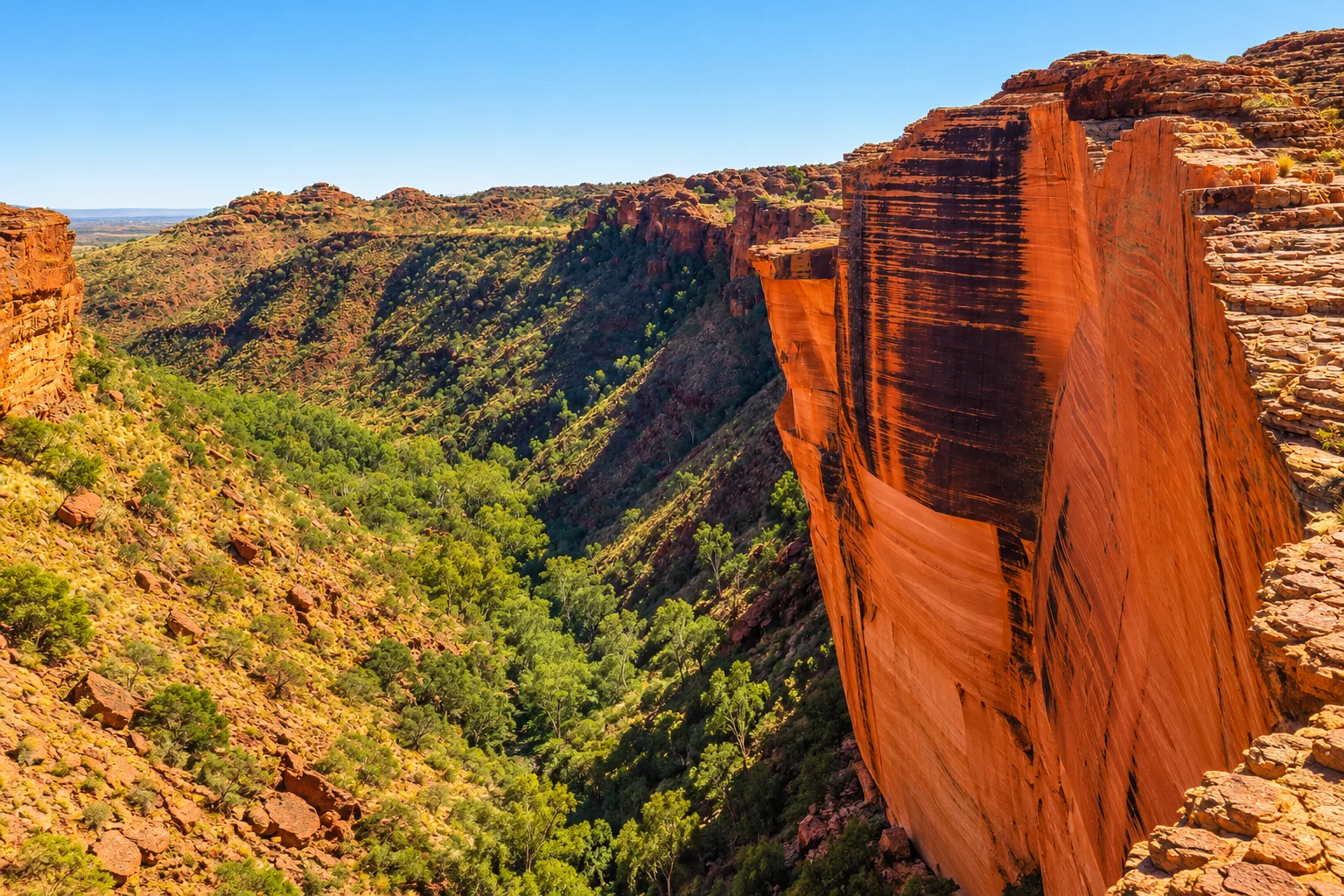
Kings Creek Station near the canyon offers camping. Anyone planning to approach Kings Canyon via the Mereenie Loop from Alice Springs faces a different road: it is unsealed, needs a permit available in Alice Springs, and requires a 4WD. Alice Car Rental states that a 4WD is essential for any unsealed road, including the Mereenie Loop.
Where to sleep
Accommodation on the route is spread out and limited, so plan each night’s stop in advance.
Port Augusta has motels, including Comfort Inn Suites, and supermarkets. Coober Pedy has several options, including the underground Desert Dwellers Underground B&B. Cadney Park Homestead has caravan sites from about $30 to $40 a night and sells fuel and food. Marla Travellers Rest offers accommodation, caravan and camping sites, showers, laundry, a swimming pool, a supermarket and a restaurant. Kulgera Roadhouse has accommodation, a caravan park and fuel.
At the end of the drive, Yulara (Ayers Rock Resort) sits just outside the park boundary and has accommodation, restaurants, tours, fuel, a supermarket, a post office, a tourist information desk and a campground. There is no camping or accommodation inside Uluru-Kata Tjuta National Park, so Yulara is the base. Yulara has limited rooms that fill quickly, and Australia Travel Hub advises booking at least six months ahead for peak season from June to August.

Road conditions and flooding
The Stuart and Lasseter highways are fully sealed, and a 2WD or compact car handles the whole drive. South Australian roads are generally smooth and well maintained, with the terrain changing once you reach the outback. The Stuart Highway was only fully sealed in February 1987, so the sealed road is a recent feature of this route.
Floods are the main disruption. In March 2026, floodwater damaged the Old Peak Creek bridge near Glendambo in South Australia’s far north and closed the highway for days. ABC News reported on 4 March 2026 that the road reopened to single-lane traffic after inspections by the South Australian Department for Infrastructure and Transport found the structure safe under controlled conditions. A 25 km/h speed restriction applied for seven days, with traffic management and close monitoring for at least that long. Travellers reported poor and confusing communication, and the formal reopening notice appeared on the Traffic SA website about an hour after drivers were waved through.
The Northern Territory wet season runs November to May, according to Alice Car Rental, with the dry season from June to October. On 27 March 2026, the NT Government’s Road Report listed 76 territory roads closed, 26 impassable and 66 more with surface hazards, with several sections of the Stuart Highway damaged. The government’s stated priority was to keep the Stuart, Barkly and Victoria highways open.
Check the NT Road Report for the Stuart Highway and Traffic SA before each day’s drive. The Road Report states that reports are accurate at publication but conditions can change rapidly and the information is a guide only.
Best season to drive
May to September is the best window, with moderate temperatures and a chill after sunset. July to September is the cooler period with lighter crowds than summer.
December to February is the heat window. Temperatures at Uluru often exceed 40°C, and Apollo Camper notes that some walking tracks close when temperatures exceed 36 to 40°C. Where possible, avoid driving the road during the December to February peak.
The cooler months are also the busiest in the park. May, June, August and September are popular, and July is the busiest month. The park received 267,363 visitors in 2024-25, up 9.0% on 2023-24, so accommodation books out well ahead in the cool season.
Travellers continuing to Alice Springs may want to time the trip with Parrtjima (April or May, ten nights), the Alice Desert Festival (August or September) or the Finke Desert Race on the Queen’s Birthday long weekend in June.
Fuel, charging and supplies
Plan to refuel every 200 to 300 km and top up at every opportunity, since outback fuel stops are far apart. Plan to refuel about every two hours. Port Wakefield and Port Pirie have fuel before the long run north.
Opening hours change, so use these as a guide:
- Fuel is open 24 hours at Port Augusta, Coober Pedy and Glendambo (AMPM Glendambo Travelstop).
- Pimba opens from 6am to 10pm.
- Marla Travellers Rest has 24-hour fuel including unleaded, premium unleaded, diesel and LPG.
- Kulgera Roadhouse is open 7am to 8pm, with food from 12pm to 2pm and 5pm to 8pm.
The longest gap is Glendambo to Coober Pedy at about 252 to 255 km, and This Stuart Highway guide advises filling up at Glendambo. Past Coober Pedy, the stretch to the border is just under 400 km with only Cadney Park Homestead and Marla in between, according to a guide to the route. Coober Pedy to Marla is 234 km, and Coober Pedy to Kulgera is 414 km.
Electric vehicle drivers face the biggest gaps. Chargers can be more than 400 km apart, particularly between Coober Pedy and Erldunda, as the route guide notes. Fast chargers are available along the route, including at Yulara, and suggests using PlugShare to plan stops.
Carry water, warm clothing for night, shade, sunscreen, insect repellent, toilet paper and matches. Roadside assistance cover for the whole route is advisable, and That guide suggests checking tyres, radiator hoses and fan belts before leaving.
Safety on the Stuart Highway
Drive in daylight. Animals are most active at dawn, dusk and night, and travellers report cattle, unfenced stock and wild horses on the road. Road trains, the very long trucks that haul freight through the outback, travel at high speed and are much larger than ordinary trucks, so leave space and avoid overtaking unless the road ahead is clear for a long way.
Share the driving or take a short break at least every two hours. Worn tyres are a major risk in hot conditions, so replace them before the trip rather than after. There is an emergency phone halfway between Glendambo and Coober Pedy, plus rest areas along that stretch.
Police patrols cover little of the highway, and the NT’s general limit outside towns is high (130 km/h, per Wikipedia), so follow the signposted limit and drive to conditions. Carry supplies in the vehicle at all times. Both South Australia and the Northern Territory require park passes in some national parks, and the route’s guides advise obtaining those before departure.
Uluru-Kata Tjuta park entry
The three-day adult pass for Uluru-Kata Tjuta National Park is A$38 as of 2026, and under-18s enter free, as listed here. An annual pass costs $50 per person, and an NT resident vehicle pass costs $109 a year, covering the driver and all passengers. The pass covers Uluru-Kata Tjuta only, and Kakadu needs its own. Fees change, so check the Parks Australia Uluru-Kata Tjuta page for the current price before you go.
The pass covers three consecutive days, and everyone entering must hold a valid pass. You can buy it online or at the gate, and you must scan your pass each time you enter the park. The park opens before sunrise and closes just after sunset, with times varying by month.

One-way vehicle hire
Hiring a car in Adelaide and dropping it at Uluru is the awkward part of this trip, because most operators do not offer it. Alice Car Rental (page modified 26 October 2026) answers the question directly: "No, we cannot provide one-way hire to or from Uluru." That applies to that company only.
Campervans are the exception. Apollo Camper’s Adelaide-to-Uluru itinerary starts in Adelaide and ends at Uluru. Ask the hire company for a written quote of the one-way fee before you book.
Fees quoted for one-way rentals involving Uluru and Alice Springs vary widely. Returning a car at Yulara can add $50 to $100, while drop-off fees between Alice Springs and Uluru or Ayers Rock Airport can run to several hundred dollars. Some providers waive the fee on three-day bookings. A 2022 update lists minimum rental lengths to avoid one-way fees as Avis 3 days, Hertz 1 day within the NT and Thrifty 4 days, so check those conditions with each company.
If you fly into Alice Springs and drive to Uluru, remember a few policies. Alice Car Rental includes 200 km per day of mileage, cumulative across the booking, so a five-day trip includes 1,000 km. Its office hours are 8am to 10pm from June to October and 8am to 6pm from November to May. It offers a free airport shuttle for bookings of three days or more. Most rental companies do not allow driving on unsealed roads, so skip the Mereenie Loop unless the contract explicitly permits it.
The simplest plan for most travellers is a return trip from Adelaide in one vehicle, which avoids one-way fees entirely, or a campervan one-way hire if the schedule allows.
Key Takeaways
- Split the drive over at least two days: The direct route is 1,581 km and about 16 hours 16 minutes, and Coober Pedy is the natural overnight stop. Add about three days at the park, since the A$38 adult pass covers three consecutive days.
- Fill up at Glendambo and Coober Pedy: The longest gap is Glendambo to Coober Pedy at about 252 to 255 km, and the stretch past Coober Pedy to the border has only two services. Refuel every 200 to 300 km.
- Travel May to September: Temperatures are moderate and the road is open, but Yulara books out, so reserve well ahead for June to August. December to February often exceeds 40°C.
- Check the road before each day: The Stuart Highway was cut near Glendambo in March 2026, so check the NT Road Report and Traffic SA each morning during the November to May wet season.
- Confirm one-way hire in writing: Alice Car Rental does not offer one-way hire to or from Uluru, and quoted fees elsewhere range from $50 to several hundred dollars, so a return trip in one vehicle or a campervan one-way is the safest plan.