
Perth sits on the south-west coast of Western Australia, on the banks of the Swan River, with the Indian Ocean to the west. Because the coast faces west, the beaches look out at sunsets over the water, and Fremantle sits where the river meets the sea. The city has a Mediterranean-style climate of hot, dry summers and mild, wet winters. The Bureau of Meteorology’s Perth Metro averages show an annual mean maximum of 24.9 °C, a mean minimum of 13.0 °C and 726.9 mm of rain a year.
Summer heat and bushfire awareness
January and February are the hottest months, with mean maximums of 31.4 °C and 31.7 °C and overnight minimums around 18 °C. Rainfall is minimal: December averages 9.6 mm and February 12.5 mm. This dryness underpins Perth’s reputation as one of Australia’s sunniest capital cities. Some days run well above the averages, so carry water, wear a hat and use sunscreen at midday.
Dry summers also bring bushfire risk, mainly in bushland on the city’s fringes, the Perth Hills and national parks such as John Forrest and Yanchep. On days with a high fire danger rating, authorities can close parks and walking trails. If you plan hikes or a drive through the hills in summer, check the day’s fire danger rating and the Emergency WA warnings before you leave, and follow any closures.
Winter rain and the shoulder seasons
June to August is the coolest and wettest stretch. July is the wettest month at 144.3 mm, with a mean maximum of 18.5 °C and a mean minimum of 8.1 °C. Rain comes with weather fronts from the ocean, with clear days in between, so you can still go sightseeing on a winter visit. Pack a rain jacket and a warm layer for evenings.
Spring and autumn are milder. Spring runs from September (20.7 °C maximum, 78.7 mm of rain) through October (23.4 °C, 40.0 mm) to November (26.8 °C, 24.0 mm). Autumn runs from March (29.7 °C) to April (25.9 °C) and May (22.5 °C), with rainfall climbing from 21.6 mm in March to 84.5 mm in May.
Best time for visitors
For a first trip, late September to November works best. Days are warm without being harsh, and wildflowers are in bloom. Tourism Western Australia recommends the Pinnacles from July to October, and Swan Valley wildflowers peak from September to December. The Wineries and Wildflowers road trip is best from September to November. Beach patrols also start up in October, which matters if you want to swim at a patrolled beach.
If swimming is the priority, aim for late November to March, and accept hotter weather and the need to book ferries and accommodation early. March is a good compromise, with beach weather but less of the peak-summer heat.
Best time for new residents
Arriving in spring (October or early November) or autumn (March to April) gives you mild weather for house inspections, school enrolment and exploring suburbs before the extremes of either season. Spring suits most people because you arrive ahead of summer and have time to find a home with working air conditioning and shade. Arriving in the middle of winter or midsummer is more difficult, since either leaves you doing inspections in heavy rain or heat.
Time zone and the east coast
Perth runs on Australian Western Standard Time (AWST), which is UTC+8, and does not observe daylight saving. Sydney, Melbourne, Canberra and Hobart are 2 hours ahead during winter and 3 hours ahead during daylight saving, which runs from October to April. Brisbane does not change its clocks, so it is 2 hours ahead all year. Allow for the gap when booking connecting flights or phoning the east coast, as a 9 am call from Perth arrives at 11 am or noon in the eastern capitals.

Daylight, sea breezes and sun protection
Daylight hours shift by about four hours across the year, which affects how much a day trip or beach visit can fit in. In midsummer the sun rises around 5:00 am and sets close to 7:30 pm. In midwinter it rises near 7:00 am and sets around 5:20 pm, so a trip to Rottnest Island or the Swan Valley needs an earlier start to leave time for the return.
Summer afternoons are often cooled by the Fremantle Doctor, a south-westerly sea breeze that arrives from the Indian Ocean in the early afternoon and can drop the temperature noticeably within an hour. It makes Fremantle, Cottesloe and the river foreshore more comfortable than inland suburbs such as Midland or Armadale on the same day. It also makes beaches windy, so morning is the calmer time for swimming and snorkelling, and the afternoon suits sailing, kitesurfing and windsurfing.
Sun protection matters in every season, and it matters most from October to March. UV levels in Perth reach the extreme range in summer, and a clear sky offers no shade on open beaches or on the Pinnacles’ desert floor. Apply sunscreen before leaving your accommodation, wear a hat and sunglasses, and carry water even for short walks. Hiking in Kings Park or the Darling Range is best done before 10 am in summer.
Travellers heading beyond the metropolitan area in summer should check conditions before leaving. Emergency WA publishes current bushfire warnings, Total Fire Ban declarations and road closures. On a Total Fire Ban day, campfires and many outdoor activities are prohibited, and some national park walks close. Hire cars should have a full tank and the driver should carry enough water for long stretches between towns. The same checks apply in winter for a different reason: heavy rain from May to August can flood roads and close some coastal tracks, so confirm conditions with Main Roads WA or a local visitor centre before committing to a long drive.
Getting to Perth and Getting Around Once You Arrive
Perth is the most isolated major city in Australia, and almost every visitor from the east coast arrives by air. Flights from Sydney take about five hours, and flights from Melbourne take about three and a half to four hours. Perth runs on AWST (UTC+8) with no daylight saving, so the clock gain or loss at each end depends on the time of year. Economy fares vary a great deal by airline and date. Off-peak one-way fares on Qantas, Virgin Australia or Jetstar often start at roughly $200 to $300 and climb well above that during school holidays and summer, so book early for December to February.
From the airport to the city
Perth Airport has a rail link, built as the Forrestfield-Airport Link and opened to passengers as the Airport Line on or after Monday 10 October 2025. Trains on the Airport Line run from the airport to Perth station in the city centre, and Rome2rio lists the trip at around 15 to 20 minutes from the airport stations. A one-way trip costs a standard Transperth fare, which is far cheaper than a taxi or rideshare. Booking.com reports trains about every 12 minutes at peak and up to every 30 minutes off-peak, so the wait is longer late at night.
The train station sits at Terminals 1 and 2. Terminals 3 and 4 have no station, so passengers use Route 292, a free shuttle to Redcliffe station that takes about 8 minutes and runs every 12 minutes at peak and every 15 minutes off-peak and at weekends. From Redcliffe the city is about 15 minutes away on the Airport Line. Route 940 runs between Elizabeth Quay Bus Station and Redcliffe Station, so passengers from Terminals 3 and 4 take Route 292 to Redcliffe Station and connect from there.
Paying for trains, buses and ferries
Transperth runs the trains, buses and the Perth to South Perth ferry. Cash fares from 1 January 2026 include a $3.50 Go Anywhere ticket, which allows unlimited travel anywhere on the network for three hours, and a $7.00 DayRider for unlimited travel on the day of purchase. A SmartRider card (Perth’s reloadable travel card) takes 10 per cent off, and autoload (automatic top-ups) takes off 20 per cent. Contactless bank cards and phones also work, but they are charged the cash rate. Bus drivers do not handle cash and give no change, so pay by card or carry exact money.
Two features keep costs down. Travel is free on every Sunday for SmartRider and contactless users on all Transperth buses, trains and ferries, but not for cash tickets. Inside the city centre, a free bus zone and a free train zone (City West, Elizabeth Quay and Claisebrook stations) apply when you tag on and off inside the boundaries. Central Perth and Joondalup also have free CAT buses. If you tag on inside the bus zone and do not tag off, the system charges a default fare.
When a car is worth hiring
Trains and buses cover the city, Fremantle and much of the coast close to the centre. Rottnest Island needs a ferry, which leaves from Perth, Hillarys or Fremantle. Other trips are harder without a car. The Pinnacles are about 200 km north, and Margaret River is about 275 km south, so these trips need a car and a full day or more. Travel on the Reg says a car is needed for these trips and suggests an overnight stay or two. The same applies to the northern coastline beyond the Sunset Coast suburbs, where Yanchep and the beaches beyond it are far easier to reach with your own transport. Visitors who plan to stay mostly in the city can skip the hire car and save on parking.
Fares, free-travel rules and timetables change, and the 2026 figures above will not stay current indefinitely. Check Transperth before you travel, especially for airport train frequency and any planned track work.
Trains, ferries and driving practicalities
Four train lines fan out from Perth station. The Fremantle line takes about 30 minutes to reach the port city and suits a day trip with no planning. The Joondalup line runs north through the Sunset Coast suburbs, and the Mandurah line runs south along the coast. The Airport line uses the Forrestfield-Airport Link tunnel to reach the city. Evening and Sunday services run less often than weekday peaks, so confirm current frequencies before you set out.
A short ferry crosses the Swan River from Elizabeth Quay to Mends Street in South Perth, a ten-minute ride that takes you to the Perth Zoo area and gives a good view of the city skyline. It runs on the same fare structure as trains and buses, so a tagged-on SmartRider or contactless card covers the trip. Rottnest Island ferries are separate private services with their own prices, which you book directly with the operator.
For late nights or destinations between train stations, rideshare apps and taxis fill the gaps. Fares rise at night and during events, so check the price in the app before you confirm.
If you do hire a car, expect to drive on the left, as everywhere in Australia. Distances in Western Australia are long, so refuel before you leave built-up areas. Road stops north of Yanchep and south of Bunbury can be a long way apart, and many have limited hours. Kangaroos are most active at dawn and dusk and pose a real hazard on country roads, so plan to finish long drives in daylight. Hire companies at the airport and in the city sell several insurance excess options. Some do not allow driving on unsealed roads, so read the rental conditions before you head to a remote beach.
Parking in the central city is expensive and often full during the working week. If you stay in the centre and take a car only for a day trip or two, collect it on the morning you leave and return it when you get back.
Central Perth, Kings Park and the Swan River
Central Perth sits on the north bank of the Swan River, and its main sights fit into a walkable half-day. Destination Perth groups the CBD, Kings Park, Northbridge and the river under "Perth City", and most of them are within a short walk or a free bus ride of each other.

Kaarta Koomba and the Whadjuk Noongar
The Perth region is Whadjuk Noongar country, and the Whadjuk people have a long connection to the river, the hills and the wetlands of the area. Kings Park is known to the Whadjuk Noongar as Kaarta Koomba, usually translated as "head hill". The park sits on a ridge above the river and the city, and the view explains why the place held importance long before Perth was founded. Signs and interpretive displays in the park acknowledge this history, and they are worth stopping to read.
Kings Park and the walkways
Entry to Kings Park is free. The park covers a large area of bushland and botanic garden above the city, with paths for short strolls or longer walks. The Lotterywest Federation Walkway is its best-known feature, a steel and glass walkway that carries you through the treetops and out to a view across the river. Further paths wind through the Western Australian Botanic Garden, where spring wildflowers (September to November) bring the most colour.
Wear comfortable shoes and carry water, particularly from December to February, when average maximums reach 30 to 32 °C. Mornings are cooler and the light over the river is better for photographs.
A half-day route
This route runs from the river up to the park and back, using Perth’s free transport where it helps.
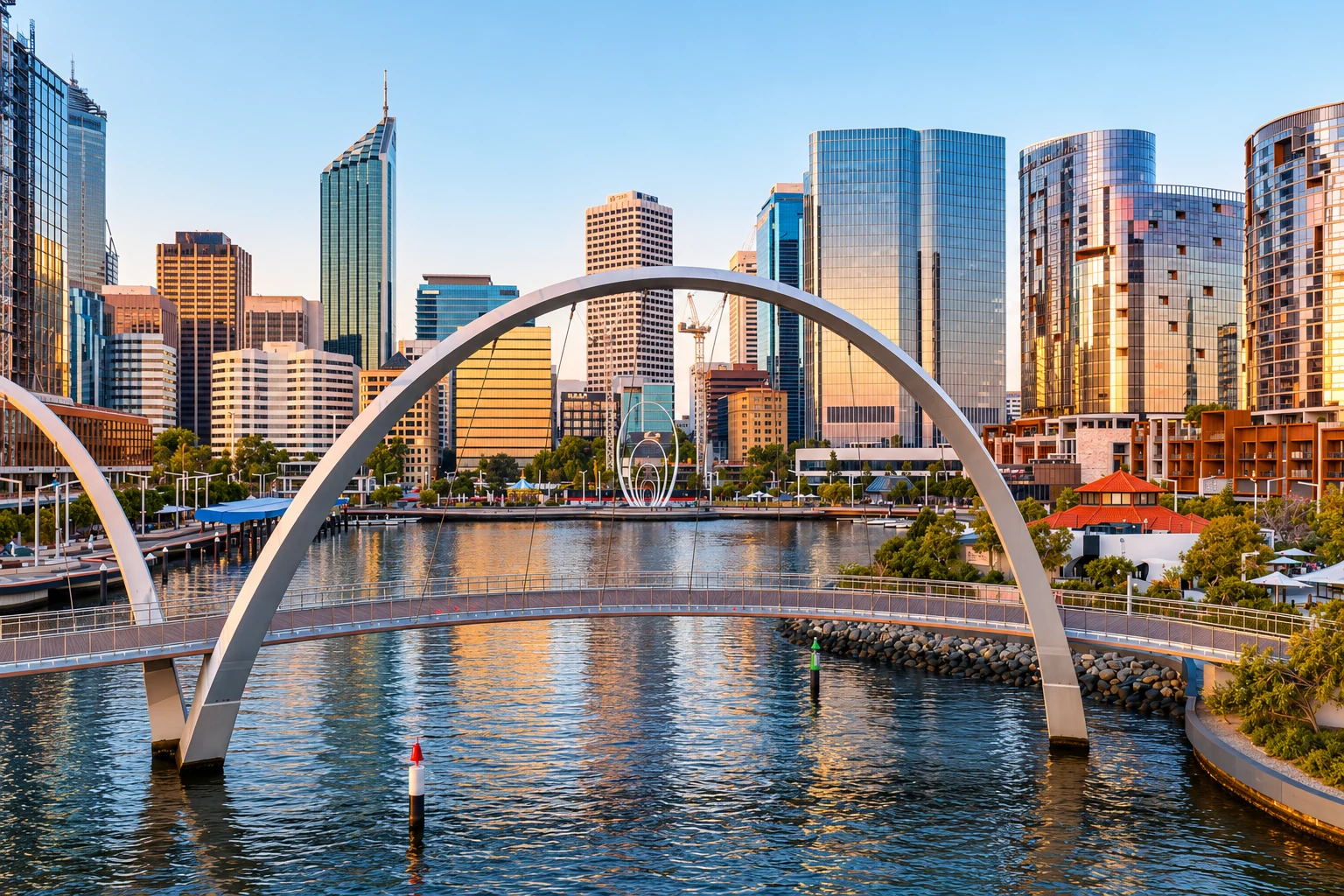
- Elizabeth Quay (start). Walk the waterfront and look over the river. The quay is also a departure point for ferries, including the Rottnest Express service, so it suits a first orientation walk.
- Walk or ride to the park. Walk west along the river foreshore, then climb to Kings Park by the Jacob’s Ladder staircase, which is a steady workout. If you would rather not climb, the free CAT buses in central Perth cover the city, and the official Transperth page lists the zones where travel is free.
- Federation Walkway. Cross the treetop walkway and take in the view along the river and back to the city skyline.
- Botanic Garden. Wander the paths for an hour or so and stop at a cafe if you want a break.
- Return to the city. Walk or catch a bus back down, then finish on William Street in Northbridge, which Tourism Australia describes as a lively district with cocktail bars and Asian eateries.
Getting around the centre
Perth’s train free zone runs between City West, Elizabeth Quay and Claisebrook stations, and inside the bus free zone you travel free if you start and finish within its boundaries. Free travel applies to SmartRider and contactless users, and on Sundays it extends to the whole network. Check the zone map on the Transperth page before you tag on, because tagging on inside the zone and off outside it charges the default fare.
If you plan a longer Swan River trip, a cruise to the Swan Valley departs from Elizabeth Quay. One operator describes a two-hour wine cruise each way, which takes up most of a day, so keep it for a separate outing.
Adding stops or shortening the day
This route works in either direction, so the day can start in the park while the air is cool and finish at the river. In summer, when January and February maximums reach 31 to 32 °C, begin with the Botanic Garden and Federation Walkway in the morning and leave the Jacob’s Ladder climb for a cooler time or skip it. Carry water, wear a hat and keep to the paths. The garden is a conservation area for native plants, so leave wildflowers where they grow. The park’s spring wildflower season, from about September, is a good reason to schedule the route for late in the year.
Two additions fit into the same half day without extra planning.
The South Perth foreshore. A Transperth ferry crosses the river from Elizabeth Quay to the Mends Street jetty in South Perth. It gives you the view back across the water to the city towers, and you pay a normal Transperth fare with a SmartRider or contactless card. Check the Transperth timetable for the current ferry schedule, as services vary by day and season. Perth Zoo is a short walk from the jetty, which turns the crossing into a separate outing.
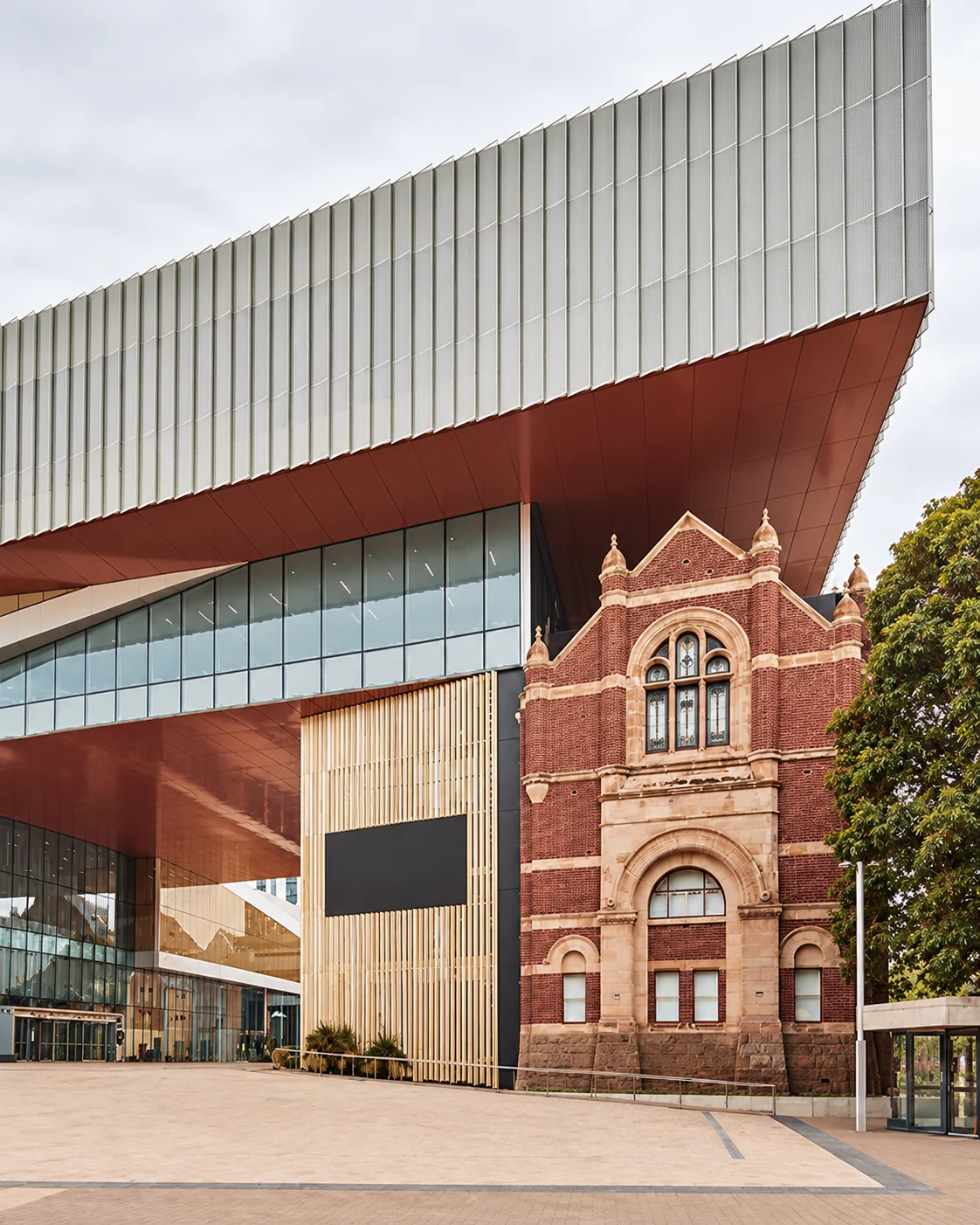
The Perth Cultural Centre. The Art Gallery of Western Australia, the State Library and the Western Australian Museum sit in a cluster in Northbridge, a few minutes’ walk from Perth station. Visit it before the William Street finish if the weather turns wet, since winter rain is the main reason to swap the outdoor stops for an indoor one. Confirm entry fees and any charges for special exhibitions on each institution’s own website before you go.
Kings Park, the Federation Walkway and the river foreshore cost nothing, so the day’s costs come down to coffee and any ferry fare. That leaves more of your budget for the longer outings to Fremantle, Rottnest Island and the Swan Valley.
Fremantle, Rottnest Island and the Coastal Beaches
Fremantle, Rottnest Island and Cottesloe all sit on Perth’s western edge, so you can see them on separate days without changing accommodation. Fremantle is about 30 minutes from the city by train or car. Locals call it "Freo". Destination Perth says it was crowned Australia’s Top Tourism Town 2025, and Tourism Australia’s suburb guide lists the Fremantle Markets, a craft beer scene and the World Heritage-listed Fremantle Prison among its drawcards. Fremantle is also the shortest ferry crossing to Rottnest, so many visitors combine the two.
Getting to Rottnest Island
Rottnest is about 18 km offshore, and the main settlement is Thomson Bay. Ferry times depend on where you leave from. According to Tourism WA, the crossing takes:
- 25 to 30 minutes from Fremantle
- 40 to 45 minutes from Hillarys Boat Harbour
- about an hour from Barrack Street Jetty in the Perth CBD
Rottnest Express quotes about 1 hour 15 minutes for its Perth service. Its boats leave from Barrack Street Jetty, Elizabeth Quay and Fremantle’s B-Shed, while SeaLink leaves from Barrack Street Jetty and Victoria Quay in Fremantle. Rottnest Fast Ferries runs from Hillarys.
Every visitor pays an island admission fee. The ferry companies collect it with your ticket and pass it to the Rottnest Island Authority. Fares vary by operator, departure point and time of travel, and SeaLink notes that its prices move with demand. Book ahead for summer, weekends and holidays.
The island is flat and car-free for visitors, and cycling is the standard way to see it. The loop around the island is roughly 22 km, which is a comfortable half to full day with swim stops. Bikes travel on the ferry for a fee. SeaLink’s 2025 to 2026 fare table charged $20 for a pedal bicycle and $25 for an electric one, and bikes had to be pre-booked. Confirm the current charge with your operator.
Rottnest is home to quokkas, small wallabies that approach people around the settlement. Keep your distance. Do not feed or touch them, because human food harms them and they remain wild animals. Take photos from a short way off and let them come to you.
Cottesloe and the Sunset Coast
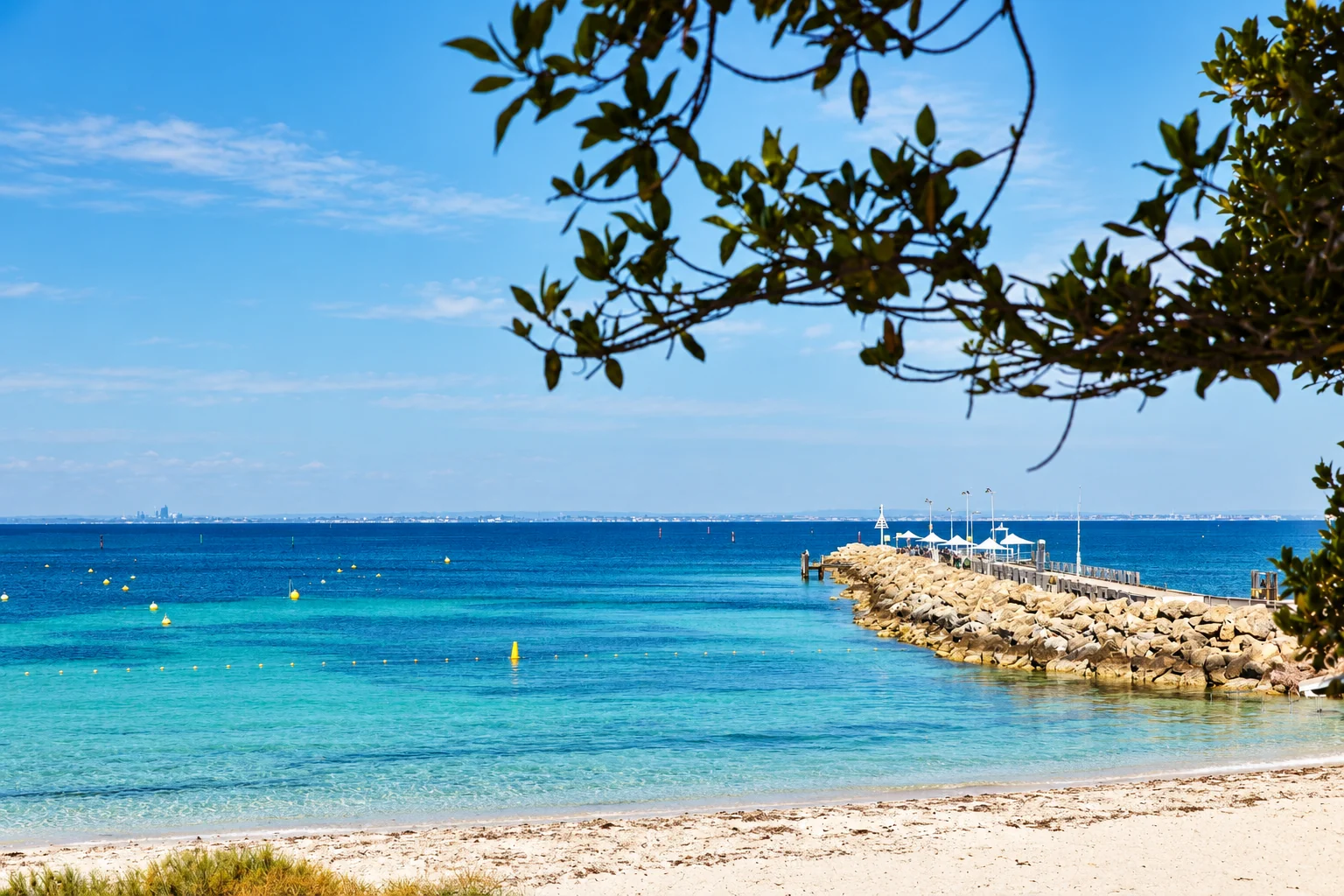
Cottesloe is the classic place to watch the sun set over the Indian Ocean. Beachsafe describes it as a 1.5 km west-facing beach with a groyne (a rock wall built out into the water) across Mudurup Rocks at its southern end. Arrive an hour early in summer, grab a spot on the sand, and stay for the colour after the sun drops. The Cottesloe Beach Hotel has ocean views if you prefer a drink with the sunset. Scarborough and Hillarys sit further north along the same coast.
Swimming safety
Swim between the red and yellow flags, and only where lifesavers are on duty. Patrol seasons are limited. A 2026 Cottesloe guide says Cottesloe and North Cottesloe are patrolled on weekends and public holidays from October to April, and the Cottesloe Surf Life Saving Club describes its volunteer patrols as running October to March. Scarborough follows a similar pattern but has bigger waves and stronger rips, so stay inside the patrolled area. Outside patrol hours, conditions can change quickly. Check Beachsafe for current patrol times before you go.
Shark attacks are rare but have occurred around Cottesloe. The beach has a protected swimming enclosure, the eco shark barrier, from October to April, and Outdoors WA lists netted swimming areas at Cottesloe, Coogee, Quinns and Rottnest’s Thomson Bay. Stingers are a minor concern at Perth’s beaches, but the Cottesloe Beach Stinger Watch Facebook group posts updates if you want to check. Use at least SPF30 sunscreen and reapply it after swimming.
Fremantle
Fremantle sits at the mouth of the Swan River, about 30 minutes from Perth Station on the Fremantle line, which falls inside Transperth’s regular fare zones. The port town has intact Victorian streets, a working fishing boat harbour and a cluster of cafes and breweries around the Cappuccino Strip on South Terrace. Fremantle Prison is a World Heritage-listed convict site with guided tours, and the Fremantle Markets trade on Fridays, Saturdays and Sundays. Bathers Beach, below the old Roundhouse, is a calm swimming spot close to the town centre. Allow half a day, or a full day if you add the harbour for fish and chips.
Rottnest Island by ferry
Rottnest Island, called Wadjemup by the Whadjuk Noongar, lies about 18 km off the coast and works as a day trip or an overnight stay. Ferries leave from three places, and the departure point sets the journey time:
- Fremantle has the shortest crossing at about 30 minutes, and is the easiest option if you are already in town.
- Hillarys Boat Harbour, in the northern suburbs, takes about the same time and suits visitors staying on the Sunset Coast.
- Perth (Barrack Street Jetty) takes around 90 minutes, because the boat travels down the Swan River first. It is the most convenient for CBD hotels, and the river leg doubles as a scenic cruise.
Rottnest Express and SeaLink are the main ferry operators, and the Rottnest Island Authority lists transport options and the island entry fee, which is charged on top of the ferry fare. Book ahead for summer weekends, school holidays and public holidays, when sailings fill. Many ferry packages include bike hire, and operators publish current fares and timetables, so check them before you buy.
Cycling the island
Private cars are not allowed on Rottnest, so most visitors cycle. The main loop around the island is roughly 22 km on sealed roads with a few steep hills, and a leisurely ride with beach stops takes three to four hours. Hire a bike on the island at Thomson Bay, or bring your own on the ferry. Hop-on, hop-off buses run a shorter circuit if you would rather ride part of the way.
Rottnest has no natural fresh water for visitors to drink at the beaches, so carry water and sunscreen, and wear a hat. Summer afternoons are hot, and there is little shade away from Thomson Bay. Snorkelling at The Basin, Little Salmon Bay and Parakeet Bay rewards the effort of the ride. Check conditions before you swim, and note that Thomson Bay has a netted swimming area, as the previous section mentioned.
Meeting the quokkas
Quokkas are small marsupials, about the size of a cat, and Rottnest holds the largest wild population. You will see them near Thomson Bay and the settlement, especially around dusk, when they come out to feed.
Do not feed or touch them. Human food makes quokkas sick, and the island authority treats the animals as wildlife to be left alone with fines for breaching the rules. Keep a respectful distance, and take photos from a standing position without picking an animal up or crouching to hold food out. They are curious and will often come to you anyway, which makes the best photographs, and your patience will be rewarded without any need for contact.
If you plan to see Fremantle and Rottnest on the same trip, give each its own day. A late ferry back leaves time for a sunset drink at Cottesloe or on the Fremantle waterfront.
Day Trips: Swan Valley, the Perth Hills and Beyond
Driving times below are approximate and start from the CBD. Peak-hour traffic and weekend congestion add to them.
Swan Valley, about 25 minutes
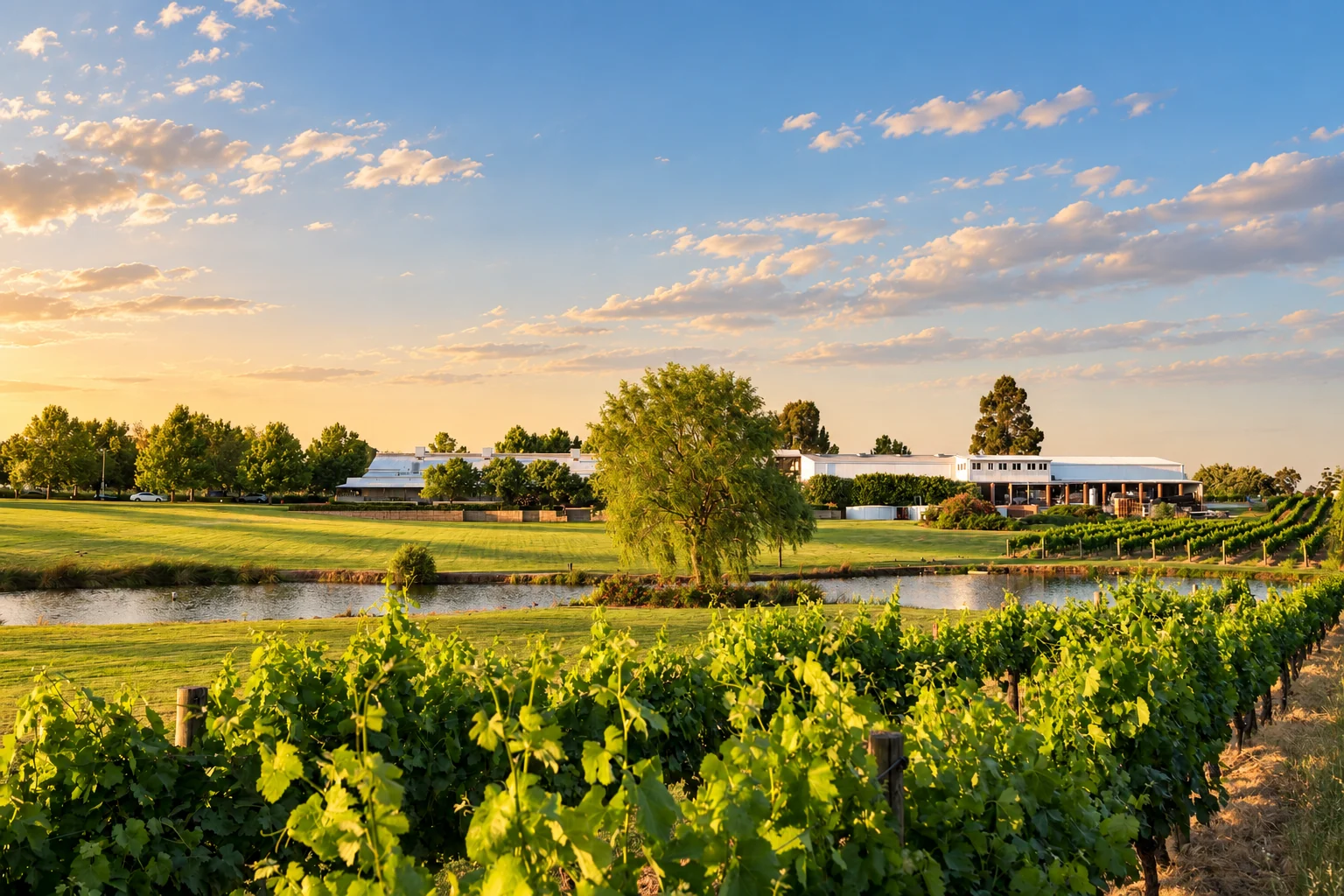
The Swan Valley is about 25 minutes by car from the city, roughly 25 km north-east, and it is Western Australia’s oldest wine region. The local specialities are verdelho, grenache, shiraz and fortified wines. Boutique breweries and distilleries sit alongside the cellar doors. Guildford, at the valley’s southern end, has 19th-century buildings and galleries. Caversham Wildlife Park is family-owned and offers koala, kangaroo and wombat encounters, which suits visitors with children. Wildflowers in the valley peak from September to December.
You can also reach the valley by water. One operator runs a Swan River wine cruise from Elizabeth Quay that takes about two hours each way, with food and wine on board. Other operators’ schedules and prices will differ.
Drink-driving is the main hazard of a day among cellar doors. Western Australia’s general blood alcohol limit is 0.05, and a few tastings across several wineries can bring a driver close to it. Book a winery tour, take the river cruise, or nominate a designated driver who stays completely sober. Rideshare is another option for the trip home, but the valley’s cellar doors are spread out, so plan transport between stops as well.
Perth Hills and John Forrest National Park, 30 to 40 minutes
The Perth Hills rise east of the city and cover Kalamunda, Mundaring, Armadale and Serpentine-Jarrahdale. John Forrest National Park is about 30 km east of the CBD, a drive of roughly 30 to 40 minutes. It is described as Western Australia’s first national park, and its Swan View Tunnel is 340 m long. The hills are cooler and greener than the coastal plain, so they suit a walking day in spring or autumn. In summer, check fire danger ratings before heading into bushland, as covered earlier.
Yanchep, about an hour
Yanchep National Park is roughly 50 km north of the CBD, about an hour’s drive. Tourism WA lists koalas, Western Grey kangaroos, walking trails and guided tours of Crystal Cave. Visitors with a car can fit it in alongside the Sunset Coast beaches on the way back.
The Pinnacles, a long day
The Pinnacles are limestone formations near Cervantes, about 200 km north of Perth. The drive takes around two and a half hours each way, so leave early. Tourism WA recommends visiting during wildflower season, July to October. Guided day tours leave from the city if you would rather not drive.
Margaret River is an overnight trip
Margaret River sits about 275 km south of Perth, a drive of roughly three and a half to four hours each way. A return day trip leaves little time at the wineries, beaches and caves. Travel on the Reg says a car is needed and suggests an overnight or two for the wider region, and Tourism WA lists a 3-day, 583 km Dunsborough and Margaret River Explorer. Treat it as the next step once you have seen the Swan Valley and the coast.
For a longer loop closer to Perth, the Wineries and Wildflowers road trip covers 105 km over two days through the Swan Valley and suits September to November. The Avon Valley 500 Loop covers 392 km over two days.
Drink-driving and wine touring
Wine touring can put drivers over the limit without them feeling they have overindulged. Cellar doors pour tastings of 20 to 30 mL each, and a few stops across an afternoon add up to several standard drinks. Western Australia’s general blood alcohol limit is 0.05, and Road Safety Commission WA states that learner and provisional licence holders must stay at 0.00. Police run random breath testing across the state, including on rural roads, and a tasting-room pour counts the same as any other drink.
Sort out the driving before the first tasting. There are three practical options:
- Book a guided tour. Coach, minibus and river-cruise tours run from Perth to the Swan Valley and usually include several cellar doors, a brewery or chocolate stop and a meal. The tour operator does the driving, and you do not have to plan the route.
- Nominate a designated driver. The driver should skip tastings entirely. Many cellar doors offer non-alcoholic drinks, and the driver can still enjoy the food, the scenery and the produce stops.
- Arrange a hired driver or pre-booked transfer. Taxis and rideshare are not guaranteed to be available at rural cellar doors, particularly on weekends or in the late afternoon, so book the return trip rather than hoping for a pickup. Availability and prices change, so confirm before you go.
Tasting rooms let you spit and pour out what you do not want to finish. This lowers your intake but does not make it safe to drive, because the amount you swallow is hard to measure after several stops. Eating a proper lunch and drinking water between tastings helps you feel better, but neither lowers your blood alcohol reading.
Fatigue is the second risk. A day of sun, wine and winding country roads leaves most drivers tired for the trip home, whether or not they have been drinking. If you are planning the Pinnacles or Margaret River, plan the return leg for daylight, when kangaroos are less active on the roads. Kangaroos are most active around dawn and dusk, which is another reason to start early and avoid driving late.
Where to Stay and What Visiting Costs
Accommodation is the biggest cost for most visitors. The ranges below are rough planning estimates in Australian dollars per night, not quoted rates, and they move a lot with the season and the events calendar.
| Type | Estimated cost per night |
|---|---|
| Hostel dorm bed | $40 to $70 |
| Hostel private room | $110 to $180 |
| Mid-range hotel room | $180 to $300 |
| Short-term rental (whole apartment or house) | $150 to $350 |
Perth’s accommodation market is smaller than Sydney’s or Melbourne’s, so prices rise when demand does. Expect the top of each range or higher in summer from December to February, during school holidays and on major concert or sporting weekends. Winter midweek stays sit at the lower end. Hotels and rentals also vary by whether a stay is a single night or a week, because rentals often add cleaning fees and minimum-stay rules. Compare the total price at checkout rather than the headline nightly rate.
Choosing a base
First-time visitors are commonly advised to stay in the CBD or East Perth, where trains, buses and the free city zones are on the doorstep. Hostels and mid-range hotels cluster in this area and in Northbridge, which Tourism Australia describes as a lively district with many of Perth’s museums, theatres and galleries. Northbridge gets noisy on weekend nights, so ask for a room away from the street if you want to sleep early.
The coast suits travellers who plan to swim every day. Tourism Australia notes that the Cottesloe Beach Hotel has ocean views and the Rendezvous Hotel at Scarborough has a lagoon-style pool. Beachside rooms generally cost more than the mid-range figures above, and you will spend more time on buses or trains getting into the city. Fremantle suits a slower pace and sits about 30 minutes from the city centre by train.

Short-term rentals work well for families and groups, particularly in suburbs such as Subiaco, Scarborough and Fremantle, where a kitchen cuts food costs. Check parking arrangements before booking if you are hiring a car, since inner-city apartments often charge extra.
What you can do for free
Perth has a strong set of free activities, and a few days can pass with almost no spending beyond transport.
- Beaches: Cottesloe, Scarborough and the rest of the coast have free access. Swim between the red and yellow flags and check patrol times first, because patrols run only on set days and in set seasons.
- Kings Park: entry is free, including the Federation Walkway and the Botanic Garden, and the spring wildflowers (September to November) cost nothing to see.
- Perth Cultural Centre: this open public precinct in Northbridge is home to the city’s museums and galleries. Walking through it costs nothing, though some exhibitions charge admission, so check before you go.
- Public transport: travel is free on Sundays for SmartRider and contactless users, and the city bus and train free zones cover central Perth all week.
Paid extras to budget for
Transport is cheap. A Go Anywhere fare is $3.50 in cash for three hours of unlimited travel, and a DayRider is $7.00.
The largest single extra is usually Rottnest Island. SeaLink’s 2025 to 2026 table showed same-day returns from Barrack Street Jetty from $134.50 for adults, including $21.50 island admission, and that table has since lapsed. Rottnest Fast Ferries lists a Hillarys return from $95 including admission for the 2026 to 2027 period. Bikes cost extra and must be pre-booked. Prices change with demand, so book early for summer weekends and holidays.
Food, car hire and tours
Food is the most variable daily cost. As rough estimates, a café breakfast runs $20 to $28, a flat white about $5 to $6, and a pub meal $25 to $40. Fish and chips on the Fremantle or Cottesloe foreshore costs about the same as a pub main. A supermarket lunch or a self-catered dinner in a rental with a kitchen cuts the daily total considerably.
Car hire for the Pinnacles, Margaret River or the northern beaches often starts around $50 to $90 a day for a compact car in quieter periods. Add fuel, parking and any young-driver surcharge. Guided day tours to the Swan Valley or the Pinnacles commonly cost somewhere between $150 and $250 a person. They cost more than driving yourself, but they remove the parking and drink-driving problems. Check the inclusions, because tastings and lunch are sometimes extra.
A rough daily budget
These figures are estimates for one adult, excluding flights, and they move with the season.
- Lean: a hostel dorm bed, self-catered meals, free beaches and parks, and Transperth fares. Expect roughly $90 to $130 a day.
- Mid-range: a private hotel or rental room, café meals, a pub dinner and the odd paid attraction. Expect roughly $250 to $400 a day for one person, and a lower per-person cost for two sharing a room.
- Rottnest day: add roughly $95 to $130 for the ferry and island admission, plus bike hire if you want to cycle the loop.
When prices rise
Accommodation rates climb during summer school holidays, the Christmas and New Year period, and major events. Fringe World in January and February, the Perth Festival in February and March, big concerts and AFL matches at Optus Stadium can all push nightly rates well above the ranges here. Cheaper rooms sell out first on those weekends. If your dates are fixed, book accommodation and the Rottnest ferry early. If you have flexibility, midweek stays in autumn and spring are generally the better value. Always confirm the final price, including cleaning fees, parking and any resort or service charges, before you pay.
Living in Perth: Suburbs, Rent and Work
Perth spreads along the coast and the Swan River. Where you live shapes your commute, weekends and costs more than anything else. Destination Perth groups the metropolitan area into Perth City, Fremantle, the Sunset Coast (the northern beach suburbs), the Perth Hills, and Rockingham and Mandurah to the south. Newcomers usually choose a broad area first and a suburb second.
Suburbs by type
Inner-city suburbs sit close to the CBD. Mount Lawley is a leafy inner-northern suburb, and Destination Perth lists it with Leederville, Northbridge and Victoria Park in its Perth City group. Subiaco is described there as a leafy, central suburb only a seven-minute drive or train ride from the city, which makes it a popular choice for people who want cafes, a Saturday farmers market and a short commute.
Fremantle ("Freo") is a port city about 30 minutes south-west of the CBD, and Tourism Australia points to its markets, craft beer scene and World Heritage-listed Fremantle Prison. It suits people who want a distinct town centre with its own character rather than a suburb that depends on the city.
Joondalup and Rockingham work as regional centres in their own right, at the northern and southern ends of the metropolitan area. Transperth lists Joondalup among the places with free, high-frequency CAT buses, and Destination Perth places Rockingham and nearby Kwinana in their own region. Both offer larger blocks and more space than the inner suburbs, in exchange for a longer trip to the CBD.
Renting
The rental market has been tight, with low vacancy and rising rents. That affects timing: expect competition for decent properties, and expect to put together references, ID and proof of income before you inspect. Weekly rents vary a great deal by suburb, property type and season, so compare current listings for your target suburbs rather than relying on any published average, including the ones in guides like this.
Many arrivals book a short-term rental or serviced apartment for the first few weeks, then inspect properties in person. The earlier advice to land in spring or autumn helps here, because you avoid the pressure of the summer peak.
FIFO work and the job market
Perth is the main base for FIFO (fly-in fly-out) work, where employees fly to a mine or gas site in remote Western Australia for a roster of days and return home between rotations. Many FIFO workers live in Perth because the airport has direct connections to regional hubs. If you are considering this kind of job, check the roster pattern and where the employer flies from, since those two details determine where living makes sense. The Forrestfield-Airport Link makes suburbs along the Airport Line a practical choice for workers who rely on early flights.
School catchments
Western Australian public schools generally enrol children who live inside the school’s local intake area, known as a catchment. Families with school-age children often pick the school first and then look for a rental inside its boundary, which narrows the options and can push up rents in sought-after areas. Confirm the intake area with the school or the WA Department of Education before signing a lease, because boundaries are tied to a specific address.
Why a car matters
Perth’s trains, buses and ferries are reliable around the CBD and along the main rail lines, and Transperth runs free city-centre services. Outside those corridors, distances are long and bus connections thin out. Most residents drive, and a car also opens up the Pinnacles, Margaret River and the northern coast beyond the Sunset Coast suburbs. People in the outer suburbs should budget for a car, fuel, registration and insurance. Those who choose an inner suburb near a train line can manage with one fewer.
Test a suburb before you commit
If you are visiting Perth with a move in mind, use the trip to test your shortlist. Stay a few nights in or near one or two candidate suburbs, then do the commute you would make on a normal weekday. A 20-minute drive on a Sunday looks different at 8 am on the Mitchell Freeway or Kwinana Freeway, and the train from Joondalup or Rockingham behaves differently from a bus with a connection. Walk the main street, check how far the nearest supermarket and beach are, and note whether the area feels busy or quiet in the evening.
The suburbs named above suit different priorities. Fremantle and Subiaco offer walkable centres with cafes, shops and rail access. Mount Lawley is close to the city and has a busy dining strip along Beaufort Street. Joondalup and Rockingham sit at the far ends of the northern and southern rail lines, with their own commercial centres and coastal access. Each has trade-offs in rent, commute and lifestyle, and a short stay tells you more than a map does.
Admin to sort in the first weeks
New residents who move from another state or country have a short list of tasks that depend on the lease and a car:
- Open a SmartRider account if you plan to use Transperth regularly, since registered cards attract discounted fares.
- Check the WA Department of Transport rules for transferring an interstate or overseas driver’s licence, as time limits apply from the date you become a resident.
- Ask your landlord or agent for the property condition report and keep a copy, because it governs your bond refund at the end of the tenancy.
- Update your address with your bank, Medicare and employer once the lease starts.
Rules and deadlines change, so confirm each item with the relevant government agency rather than relying on a summary. The same applies to housing: arrive with a shortlist, verify against current listings, and let a first-hand look at the commute settle the final choice.
Key Takeaways
-
Time a first visit for spring or summer: Late September to November brings mild weather and wildflowers, while late November to March suits swimmers. Summer is hot and dry, with January and February averaging 31 to 32 °C maximums, and July is the wettest month at 144.3 mm.
-
Use the train from the airport and tag on with a SmartRider or contactless card: Terminals 1 and 2 have a direct Airport Line station, and Terminals 3 and 4 connect through a free shuttle to Redcliffe station. Fares are capped at the $3.50 Go Anywhere or $7.00 DayRider rate, and Sunday travel is free for SmartRider and contactless users.
-
Spend your first half-day in the city and Kings Park: Entry to Kings Park is free, and the walk from Elizabeth Quay via Jacob’s Ladder to the Federation Walkway and Botanic Garden fits easily into a morning. Carry water and start early in summer.
-
Swim only between the red and yellow flags: Patrols at Cottesloe and Scarborough run on set days in the warmer months, so confirm times on Beachsafe before you go.
-
Book Rottnest ferries ahead and budget for the admission fee: Every visitor pays an island admission fee, collected with the ferry fare. Crossing times range from about 25 minutes from Fremantle to roughly an hour from Perth, and bikes cost extra and need pre-booking.
-
Hire a car for the Pinnacles and Margaret River: The Swan Valley (about 25 minutes) and Fremantle (about 30 minutes) are quick trips. The Pinnacles, about 200 km north, make a long day, and Margaret River, about 275 km south, suits an overnight stay. If you taste wine, arrange a tour, a designated driver or a pre-booked transfer.
-
Check your entry permission before booking flights: Eligible passport holders from 34 countries use the ETA app with a AUD 20 service fee, and holders of 36 European passports can apply for the free eVisitor. Everyone else needs a Subclass 600 visitor visa.