
Maguk, also called Barramundi Gorge, is a waterfall and deep swimming hole in southern Kakadu National Park, Northern Territory. The park is managed by Parks Australia, and the site is open to visitors in the dry season only. You reach it by a 4WD track and a short, rocky walk.
As of 19 October 2026, Maguk is closed. The Kakadu Access Report says the closure follows a crocodile sighting. Assessments and crocodile management are continuing, and the report gives no reopening date. Check the report before you plan a day around Maguk, and again before you leave Cooinda or your campsite.
Check the closure status
The Access Report is the official daily update for key visitor sites in Kakadu. It was last updated at 3:41 pm Darwin time on 19 October 2026. The page also links the NT Government Road Report for the roads around the park and lets you subscribe to updates. If you want to speak to someone, call the Bowali Visitor Centre on (08) 8938 1120 during opening hours.
Use the Access Report, not an aggregator or an old cached page, to decide. Listings can show Maguk as open when the official report shows it closed.
A separate closure affects southern-park itineraries. The same report states that the Jim Jim and Twin Falls area, including Jim Jim Falls, the Twin Falls gorge and escarpment walk, and Karnamarr campground, will remain closed in 2026. If Maguk is also shut, southern Kakadu has much less to offer a swimming-focused trip, so build in other options.
When Maguk opens
Kakadu Tourism says Maguk is open during the Dry Season only. Wet-season road closures occur roughly from November to April, according to Northern Territory tourism material. Flooding in Barramundi Creek is the main factor in whether the gorge is reachable, and floodwater can extend the range of saltwater crocodiles, so access tends to come well after the dry season begins.
Past reopenings have fallen in late winter. One was on 9 August 2024, after a washed-out 600 m section of road was repaired. That pattern is a rough guide only. The reopening date in any year depends on road repairs, water levels and crocodile surveys, so the Access Report decides.
Crocodile surveys happen each season. Kakadu’s visitor guide says gorge areas are surveyed for estuarine crocodiles before opening each dry season. A closure for a crocodile sighting can therefore happen at any point in the season, not only at the start.
Getting to Maguk
The turnoff is on the Kakadu Highway, about 110 km south of Jabiru. From there, the final 12 km is unsealed and ends at a car park with picnic tables and a basic toilet. Measured from Cooinda, Kakadu Tourism gives 14 km, including 12 km off-road. The two figures start from different points, so they measure different legs of the same trip.
Kakadu Tourism lists the vehicle requirement as AWD or 4WD. It also calls the track a little rough for anyone new to four-wheel driving. Older visitor accounts describe a corrugated surface that is mainly suitable for four-wheel drive. Some drivers have made it in a 2WD slowly in the dry season, but the track tends to be harder after the wet, and a 4WD is the safe choice.
Allow plenty of time. The drive from Cooinda is about 45 minutes, and Northern Territory tourism material says the last 14 km can take up to 1.5 hours on the 4WD track. Corrugations slow everything down, so a slower pace gets you there with fewer rattled belongings.
If you do not have a suitable vehicle, Kakadu Tourism and several other operators run guided trips to Maguk. Rental companies in Darwin also hire 4WDs.
The walk to the pool
From the car park, the walk is 2 km return, which is the figure Kakadu Tourism uses. Visitors report 20 to 30 minutes each way, and a commercial listing gives about 1.5 hours for the full outing. Kakadu Tourism says the trip is easily done in half a day, including time at the falls.
The route changes character as you go. It begins with a tropical forest boardwalk, then sandy savanna and a rocky track, with stepping-stone creek crossings and large rocks to clamber over. Kakadu Tourism notes occasional arrows painted on rock, jagged rocks, a river crossing and sandy banks. The river crossing is a place where crocodiles may be present. The last 100 m or so is a rock scramble, according to reviewers. A proper walking trail branches off about 300 m before the swimming hole, just before the final creek crossing.

Parks Australia grades it AWTGS Grade 4, and Kakadu Tourism calls it moderate, while one trail guide grades it 3, which is moderate. Most people with reasonable fitness manage it. Wear sturdy shoes that can get wet, since you will cross water and rock. The route is unsuited to prams and wheelchairs.
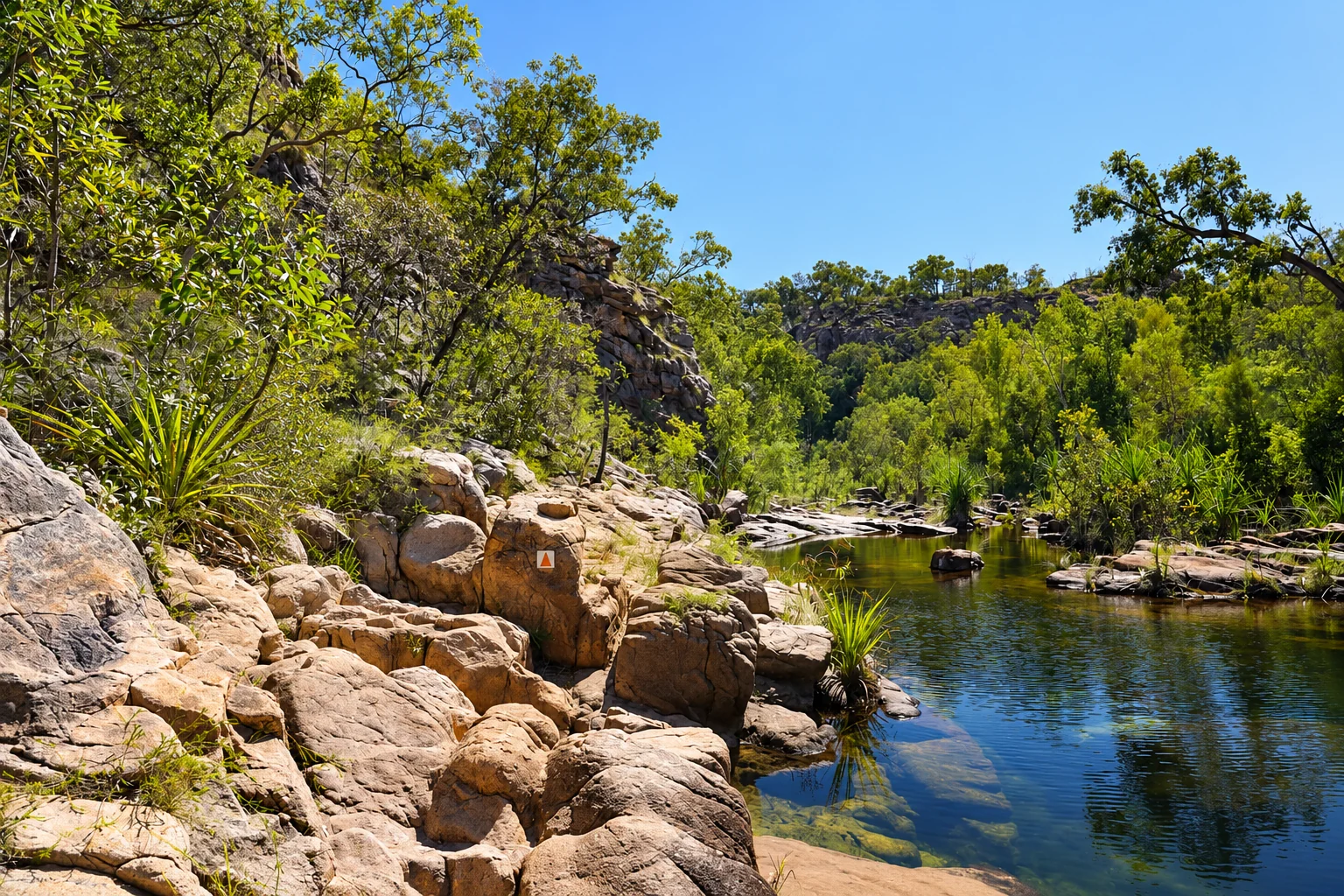
A separate top walk goes above the falls. It is unmarked, steep and rocky, and rated moderate to hard, so treat it as an option for experienced walkers only.
Swimming and crocodile safety
The pools at Maguk are deep. The main entry is a narrow, rocky ledge that drops into water too deep for a child to stand in, and the pool is described as not child-friendly. Parents of young children should use swim jackets or floaties and keep children within arm’s reach. Maguk is less suited to young children than Gunlom.
Stronger swimmers can swim the length of the main pool to reach the falls. Park guidance warns that swimming near or under waterfalls can be dangerous because of strong currents and submerged rock ledges, and it says not to jump from cliff edges. Reaching the upper pool involves an underwater tunnel. Once you jump in near the falls, you cannot climb straight back out.
The water is cool, and some visitors find it cold, so bring something warm to change into.
On crocodiles, Kakadu Tourism says Parks removes crocodiles from Maguk each year, but visitors must still take care in any Northern Territory waterway. The visitor guide says estuarine crocodiles have moved into Maguk and that people who swim in crocodile management zones such as this one do so at their own risk. Obey all warning signs, since rangers monitor water levels and post advice on when swimming is safe. A spotlight at night will not prove the water is safe, because a crocodile underwater shows no eyeshine. Never swim when the Access Report shows a closure or when signs tell you not to.
Keep to marked tracks and viewing points, and do not climb over barriers.
Fish, plants and wildlife
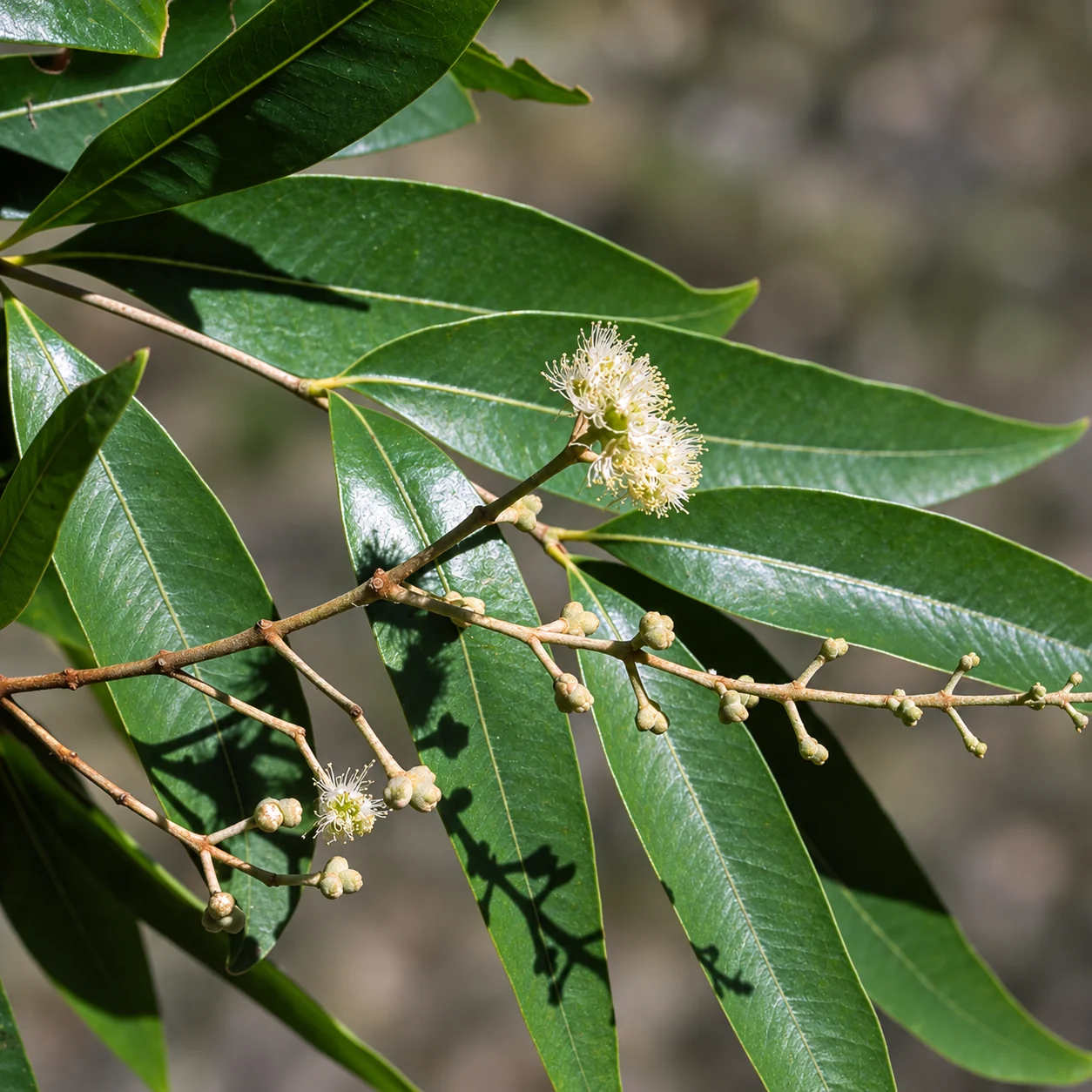
One visitor review reports saratoga, archer fish, black bream and grunters in the clear water. Monsoon forest lines the first part of the walk, and Anbinik trees grow along the route. The walk is a good place to look for birdlife and other native animals.
Waterfall flow by season
Maguk is one of the few Kakadu waterfalls that flows without rain, but the flow is much weaker toward the end of the dry season than at the peak of the wet. The falls keep running for a while after the rain stops, and they continue to run, though smaller, through the late dry season. Earlier in the season you get stronger flow but also a greater chance of closures from crocodiles or road damage, so choosing when to go means weighing flow against access.
Park pass and permits
Visitors must buy a park pass to enter Kakadu, and the pass covers entry and ranger-guided activities, according to the Kakadu visitor guide. Fees change, so confirm the current price with Parks Australia or the Bowali Visitor Centre.
A separate permit applies to some places. Commonwealth and Northern Territory law requires a written permit to enter Aboriginal land, and the Northern Land Council administers permits for Top End Traditional Owners. The visitor guide tags permit requirements against particular destinations such as Jarrangbarnmi, and Maguk carries no such tag. Areas of the park can also be closed temporarily for sorry business or other cultural reasons, and the NT passes and permits page asks visitors to stay within the designated areas they have permission to enter.
Dogs are not allowed at Maguk, according to the trail listing.
Camping at Maguk
Maguk Campground offers basic bush camping. The Parks Australia campground page is the place to check current conditions. Fees are listed as $6 per adult per night, $3 per child and $15 per family, paid in cash to the campground manager. The Northern Territory camping page lists the same schedule, but confirm the current fees before you arrive.

Facilities are limited to pit toilets, picnic tables and fire pits. There is no drinking water, shower, power or rubbish bin, so carry in all your water and carry out all your rubbish. Generators, alcohol and pets are not permitted. Tents and camper trailers suit the site, but caravans are not permitted. Check the fire rules before you bring wood, since fires are allowed only in designated areas.
Sites cannot be booked and are first come, first served. If you are worried about a full campground, the Bowali Visitor Centre can check vacancies before you drive in. The walk starts at the day-use car park near the picnic tables. For larger groups, nearby alternatives include Merl, Muirella Park, Mardugal and Gunlom.
What to bring and where to buy food and water
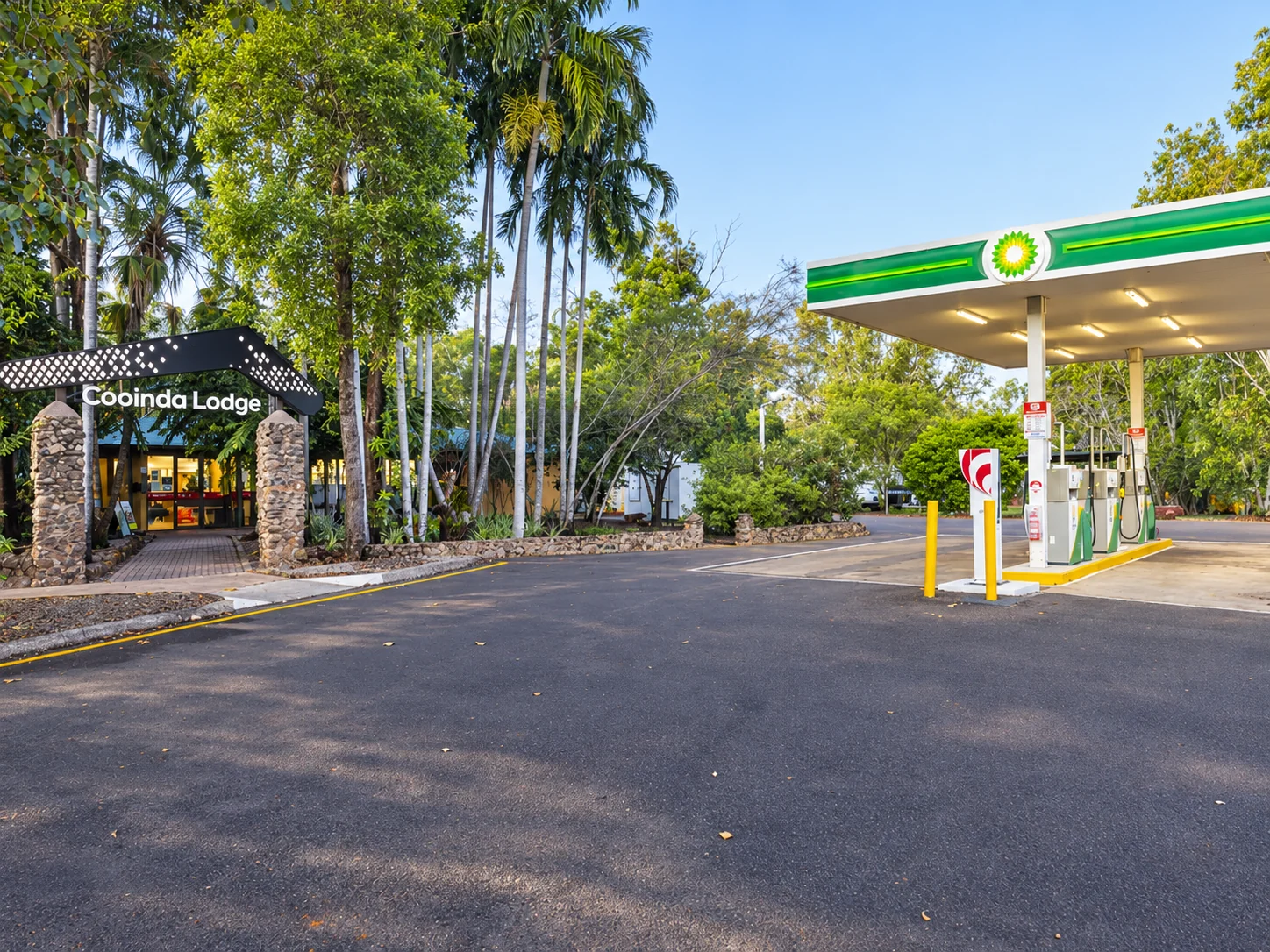
Kakadu Tourism lists Cooinda Lodge as the nearest place for food, water, fuel and Wi-Fi. Darwin 4WD hire operators list Cooinda as the nearest hub, with park passes, fuel, a general store, meals and a bar. Mary River Roadhouse, with powered sites, showers, drinking water and a store, is another stop in the region.
Pack the following for the day:
- Lunch and plenty of drinking water, as none is provided
- Sunscreen, a hat and insect repellent
- Sturdy shoes that cope with wet rock
- Swim jackets or floaties for children
- Cash, if you plan to camp