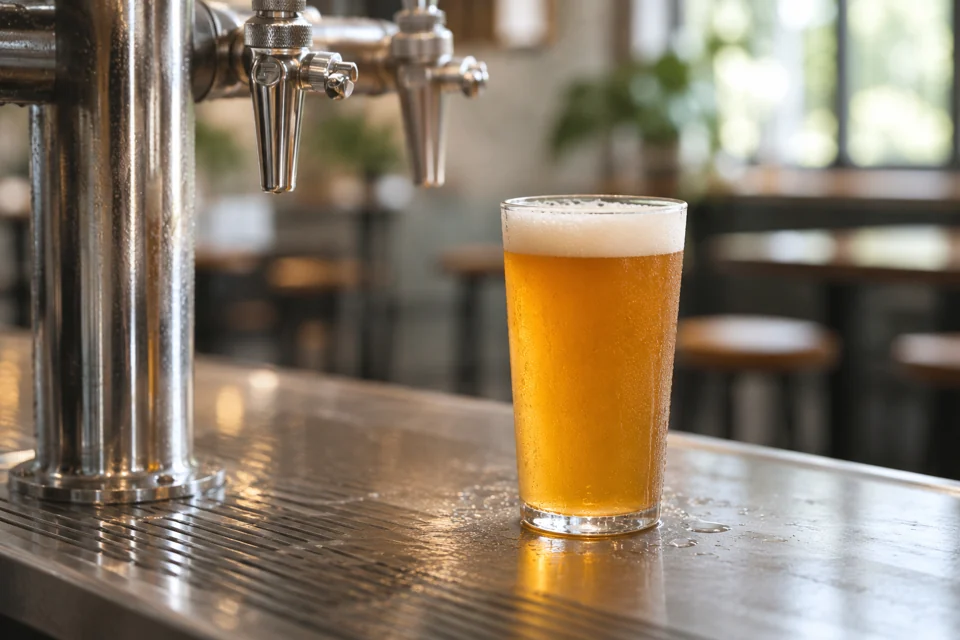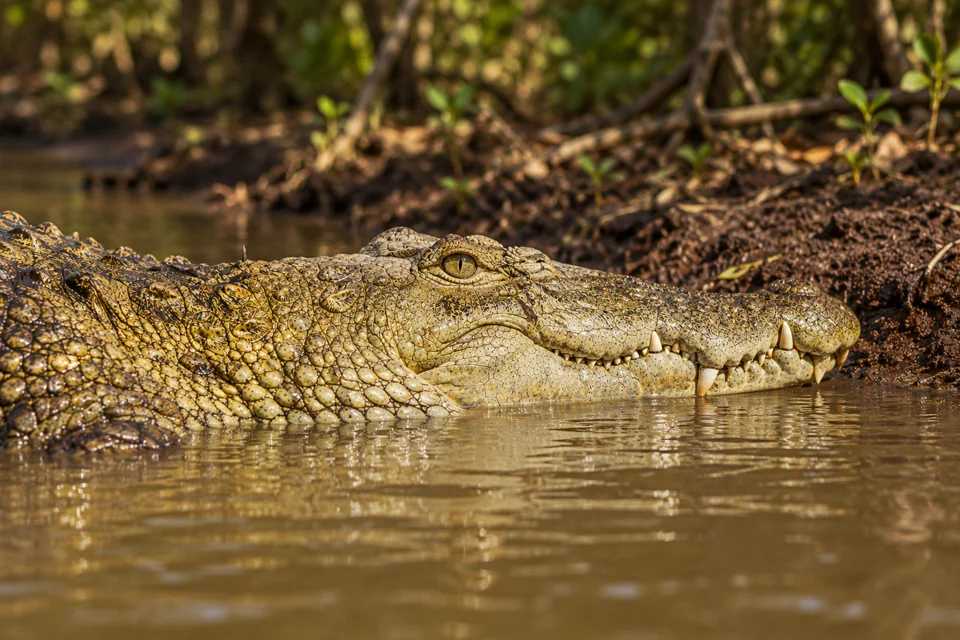
Australia has venomous snakes and spiders, sharks, saltwater crocodiles, box jellyfish and a large flightless bird that kicks. Visitors and new residents worry about all of them, but the risk varies widely. Crocodiles live only in the tropical north, box jellyfish occur in tropical waters during a defined season, and cassowaries are confined to patches of rainforest. Snakes and spiders are found in far more places, and the first aid for each differs.
Each section below covers where the animal lives, the risk it poses, and what to do after a bite, sting or strike. In an emergency, call 000. For advice on venomous bites and stings, call the Poisons Information Centre on 13 11 26.
Venomous snakes
Australian venomous snakes, including sea snakes, are treated with the same first aid: pressure immobilisation. The Australian Venom Research Unit (AVRU) at the University of Melbourne explains that the technique was developed in the 1970s by Professor Struan Sutherland. It slows the movement of venom from the bite site into the circulation, which buys time to reach hospital.
After a bite, call 000, keep the person as still as possible and reassure them. Apply a pressure bandage to the bitten limb and splint or sling it. For a bite on the trunk, apply firm pressure over the area without restricting chest movement. Bring help to the person rather than moving them. Do not try to catch or kill the snake, because that risks a second bite, and hospital staff do not need the animal to treat the bite.
Prevention is mostly about clothing and habits. Wear stout shoes and long trousers in snake country, since sandals and thongs give little protection. Look into hollow logs, thick grass and woodpiles before putting a hand in, and keep grass around the house cut. Do not rely on identifying a snake as harmless by sight. AVRU warns that appearance and colouration vary within a species, so any snake should be treated as venomous.
Funnel-web, redback and mouse spiders
Three spider groups matter, and the first aid is different for each.
Funnel-web spiders (Atrax and Hadronyche species, including the Sydney funnel-web) call for pressure immobilisation. AVRU says to apply the bandage along the entire limb, firm but not too tight, at about the pressure used for a sprained ankle. For a hand bite, bandage as much of the arm as possible, starting just above the fingers. For a foot or leg bite, bandage the whole leg from just above the toes. Splint the limb and call 000. Leave the bandages on, because venom can enter the bloodstream quickly once they come off. ANZCOR’s spider bite guideline adds that the person should stay immobilised, reassured and under constant observation, and that CPR starts immediately if they collapse and go into cardiac arrest. It also notes that only some funnel-web bites are an immediate threat to life, but every bite gets the full response.
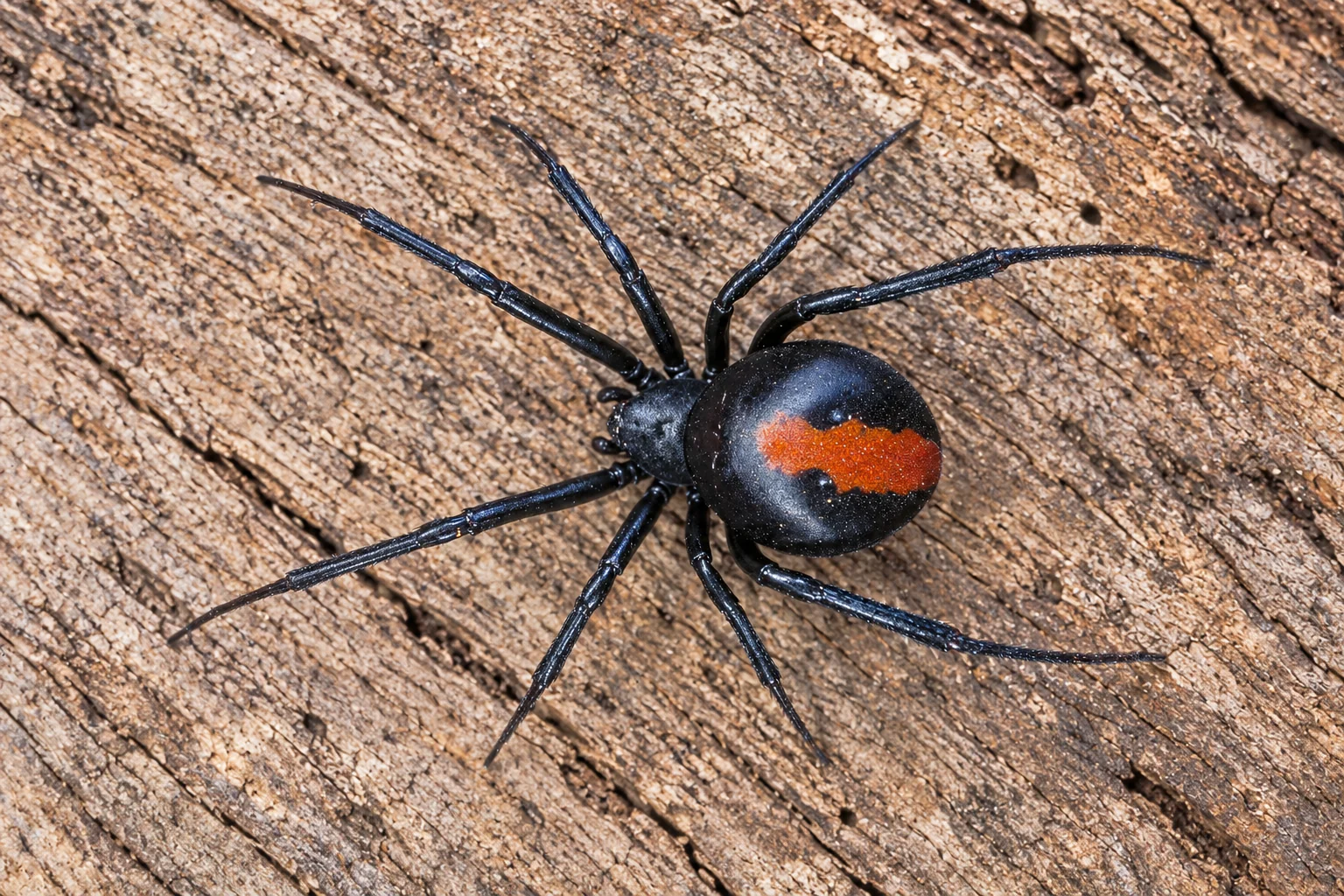
Redback spiders (Latrodectus hasselti) are treated differently. Pressure immobilisation is not part of AVRU’s redback guidance, and the first aid is an ice pack for local pain relief. ANZCOR advises moving the person to medical care if they are unwell, and notes that redback bites may threaten life in the very young or very old.
Mouse spiders (Missulena species) are treated differently. AVRU states that pressure immobilisation is currently not recommended for them. For any other spider bite, ANZCOR advises an ice pack for pain, medical care if the person is unwell, and hospital if serious symptoms or signs develop. If you cannot tell which spider bit you and the person is deteriorating, call 000 or the Poisons Information Centre on 13 11 26.
Shark bites
Shark bites get far more attention than their numbers justify, but incidents still happen every year. An ABC News analysis of the Australian Shark Incident Database, published 21 January 2026, counted 23 shark bite incidents across Australia in 2025, five of them fatal. The same analysis reports that the average number of annual incidents per decade has risen every decade since the 1950s, and that dozens of Sydney beaches were closed after four reported incidents.
The database is kept by Taronga Conservation Society Australia in partnership with Flinders University and the NSW Department of Primary Industries. Taronga’s ten-year averages are about 27 injurious incidents a year, about 2.7 fatalities a year and about 7 incidents involving uninjured people. About 180 shark species live in Australian waters, but over 90% of bite incidents are attributed to white, bull, tiger, wobbegong and other whaler sharks. White, bull and tiger sharks cause most serious bites and fatalities. Tiger and bull sharks prefer warmer water. Bull sharks also tend to hunt in murky, turbid water, so cloudy water near river mouths calls for extra caution.

For scale, Taronga cites Surf Life Saving Australia figures for 2024 to 2025 of 357 coastal drowning deaths and 1,314 road fatalities. Rips, fatigue and unpatrolled beaches kill more people than sharks do. Swim at patrolled beaches between the flags, obey lifeguard instructions and leave the water when a beach is closed. After any shark bite, call 000.
Crocodiles in the Northern Territory
Saltwater crocodiles live in the tropical north, and the Northern Territory (NT) is where visitors meet them most often. NT tourism guidance says fresh and saltwater crocodiles are present in beaches, rivers, estuaries and waterholes across the NT all year. They are more active in the warmer Wet season, but the NT Government says there is no safe season.
The NT Government’s swimming rule is plain: "It should be assumed that any water body in the saltwater crocodile’s natural range in the NT is unsafe to swim, unless signposted otherwise." A missing sign means do not swim, and a sign does not make swimming "100% safe". Most fatal NT crocodile attacks in the past 20 years happened when people entered the water outside designated swimming areas. Crocodiles also take pets, so dogs should stay out of the water too.
Designated swimming sites open and close by season. The NT Government lists these examples:
- Darwin area, all year: Leanyer Recreation Park, Lake Alexander, the Wave Lagoon, and the toddler and rock pools at Howard Springs Nature Park.
- Darwin area, Dry season only: the main and lower pools at Berry Springs Nature Park.
- Litchfield National Park: Wangi Falls in the Dry season only; Florence Falls and Buley Rockhole all year except during extreme flooding.
- Nitmiluk National Park: Sweetwater pool all year except extreme flooding; Katherine Gorge and Leliyn (Edith Falls) pools in the Dry season only.
- Elsey National Park: the Mataranka thermal pool and Bitter Springs, both open all year except during extreme flooding.
That list is a general guide. Check current closures with NT Parks and Wildlife before you travel. Crocodile management is also active: a news report describes a 4.9 metre saltwater crocodile captured on 5 January in a creek feeding Wangi Falls during the Wet season, which Parks and Wildlife removed about two kilometres downstream from the swimming area. In any crocodile injury, call 000.
Box Jellyfish in Queensland
Marine stingers are a tropical Queensland problem. Surf Life Saving Queensland says stingers may be present in tropical Queensland all year, with higher risk from box jellyfish and Irukandji during the marine stinger season, which typically runs November through May. Box jellyfish live in shallow tropical waters north of Agnes Water, and stings are recorded mainly in coastal areas rather than offshore.
Three animals cause most of the concern:
- Box jellyfish are large and almost transparent, with a box-shaped bell up to about 38 cm across. The sting causes immediate, severe burning pain and whip-like marks, and it can be life-threatening.
- Irukandji are small transparent box jellyfish, about 1 to 2 cm across, and usually cannot be seen in the water. Severe symptoms can follow 20 to 40 minutes after the sting, so someone who feels fine at first can still become seriously ill.
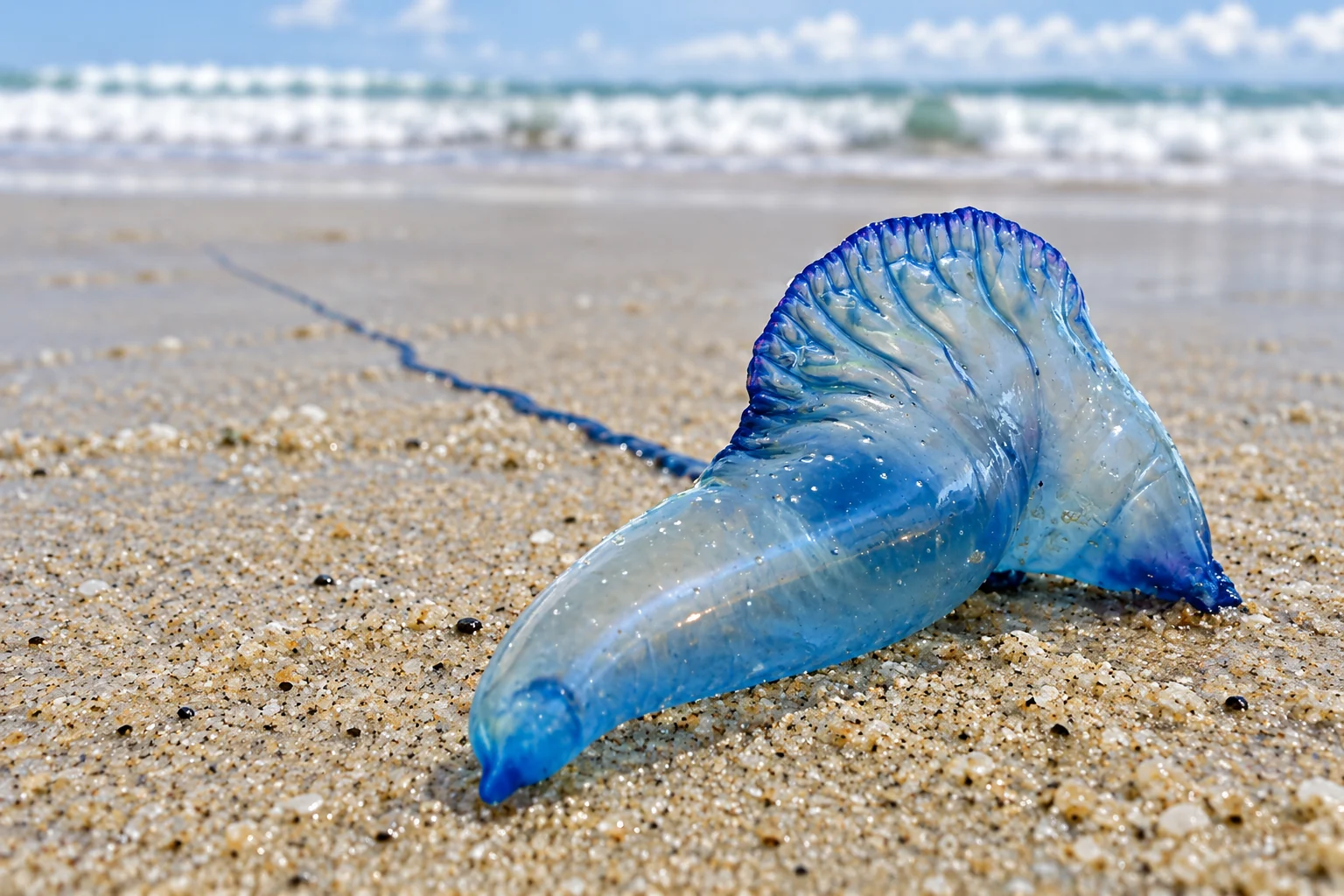
- Bluebottles (Physalia physalis) have an air-filled sac up to 8 cm. The main tentacle may contract to a few centimetres or extend over 10 m. They occur across Australia and in most warm oceans.
Swim only at patrolled beaches under lifesaver or lifeguard guidance during the warmer months. Townsville shows how nets work in practice: Townsville City Council began installing seasonal stinger nets at selected beaches in November 2025, and a Townsville guide reports installation began on 3 November 2025 and that the nets come out in late May. Check the Council’s beaches page for each year’s dates. Nets reduce risk without removing it, because small jellyfish can pass through or around an enclosure. Stay well inside the enclosure, do not climb on or swim against the net, and leave the water if a lifeguard tells you to. Many Townsville beaches are not patrolled and some have no enclosure, and calm water does not mean safe water. Full-body stinger suits cover exposed skin, and sunscreen is still needed on the rest.
First aid depends on the animal:
- Box jellyfish: flood the area and any adhering tentacles with vinegar for at least 30 seconds, dial 000 and keep the person from moving. Artificial respiration and cardiac massage may be required, and AVRU states that antivenom is available.
- Irukandji: call a lifeguard or 000 and pour vinegar on the sting. The person must go to hospital for pain relief and treatment of systemic symptoms.
- Bluebottle: take the person out of the water and do not use vinegar. Wash with seawater, not fresh water, and remove tentacles with tweezers or fingers without rubbing. Immerse the area in hot water, no hotter than the rescuer can comfortably tolerate, for 20 minutes.
Vinegar stops undischarged stinging cells from firing, but it does not reduce pain or the effects of venom already delivered. AVRU says most other jellyfish stings respond to vinegar and ice packs. If a person collapses, has trouble breathing, becomes unconscious or develops severe symptoms after a suspected serious sting, call 000. If they are unresponsive and not breathing normally, start CPR.
Cassowaries in Far North Queensland
The southern cassowary lives only in the rainforests of the Wet Tropics and Cape York, according to a 2024 Queensland Department of the Environment, Tourism, Science and Innovation (DETSI) release. The birds live alone, each with a home range of 0.52 to 2.35 square kilometres. DETSI’s cassowary facts say females are larger than males and grow up to two metres tall and 76 kilograms.

DETSI says cassowaries are "not typically aggressive unless provoked or cornered", but their "dagger-shaped claws can deliver powerful kicks strong enough to break bones". The department calls their behaviour unpredictable and warns that kicks can seriously injure people and pets. Males defend chicks, so never approach a chick. The 2024 DETSI release adds that a cassowary can act aggressively toward people who expect food. Feeding them is illegal in Queensland, with penalties of up to $6,452.
If you meet one, keep a safe distance and never approach the bird or its chicks. If it moves toward you, back away slowly and put a barrier such as a tree or bag between you and the bird. Keep dogs on a leash or securely fenced. Cassowaries swim and will take to water to cross a river or to escape domestic dogs or another cassowary, so a creek is not an escape route, according to DETSI’s 2023 release. DETSI’s 2019 release also advises putting food scraps in closed bins and using compost bins with secure lids.
The bird itself is vulnerable. The southern population is listed as endangered under the Nature Conservation Act 1992, with an estimated 4,000 cassowaries remaining in Queensland. Cars are the biggest threat: DETSI’s 2024 road alert reports 21 cassowaries killed in road strikes over the previous 12 months, making collisions the leading cause of death among birds reported to the department. Slow down in cassowary country, keep windows up, never throw out food and do not stop abruptly to look at a bird on the road. If a person is hurt, call 000. To report a sighting, or an injured, sick or orphaned bird, call 1300 130 372, and do not try to move an injured bird.
Emergency numbers and first aid
| Situation | Action |
|---|---|
| Venomous snake bite | Call 000. Pressure bandage, splint, keep still, do not catch the snake. |
| Funnel-web spider bite | Call 000. Pressure immobilisation along the whole limb. Do not remove bandages. |
| Redback spider bite | Ice pack for pain. Medical care if the person is unwell. |
| Box jellyfish sting | Call 000. Vinegar for at least 30 seconds. CPR if unresponsive and not breathing normally. |
| Bluebottle sting | Out of the water, seawater wash, no vinegar, hot water for 20 minutes. |
| Shark bite, crocodile injury, cassowary injury to a person | Call 000. |
| Medical information on bites and stings | Poisons Information Centre, 13 11 26. |
| Injured or orphaned cassowary | Call 1300 130 372. |
Key takeaways
- Know which bites get a pressure bandage. Use pressure immobilisation for every venomous snake bite, sea snakes included, and for funnel-web bites. Use an ice pack for redback bites, and do not bandage mouse spider bites.
- Treat every unsigned Top End waterway as crocodile habitat. The NT Government’s default is that water in saltwater crocodile range is unsafe unless signposted, and most fatal attacks in the past 20 years happened outside designated swimming areas.
- Plan tropical Queensland swims around stinger season. Risk is higher from November through May, so swim at patrolled beaches, stay inside nets and wear a stinger suit. Use vinegar for box jellyfish and Irukandji but never for bluebottles.
- Put shark risk in proportion and still respect it. Australia recorded 23 incidents and five fatalities in 2025, which is far fewer than the 357 coastal drowning deaths in 2024 to 2025. Patrolled beaches and lifeguard instructions cover both risks.
- Keep your distance from cassowaries and slow down near them. Never feed them, back away slowly if one approaches, and call 000 for a human injury or 1300 130 372 for an injured bird.