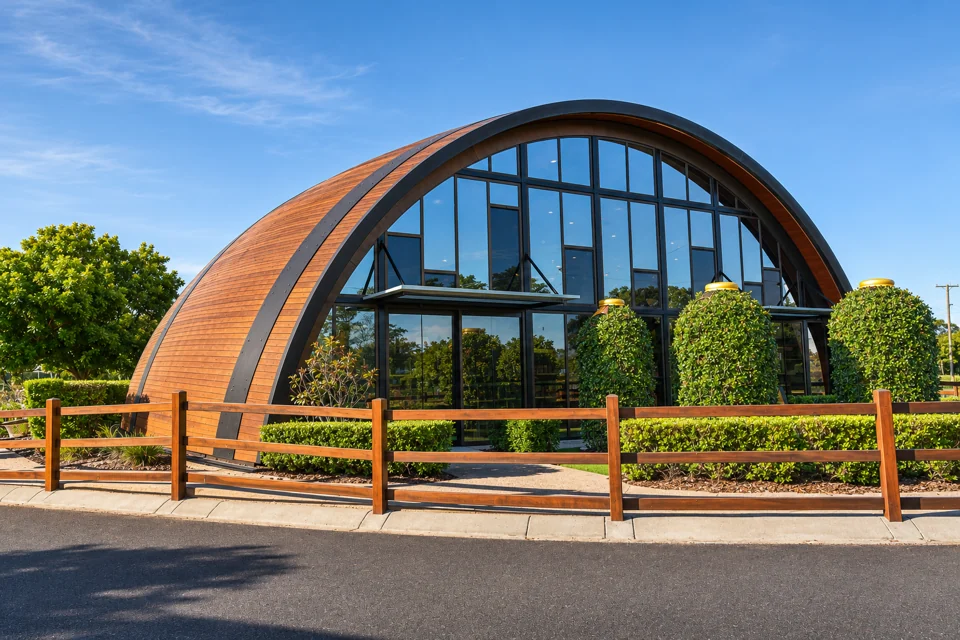
Bundaberg is a river town in Queensland’s Wide Bay region, about 385 km north of Brisbane along the Bruce Highway. The official regional guide calls it the southern gateway to the Great Barrier Reef, and it is best known for nesting turtles at Mon Repos, a rum distillery, a ginger beer brewery and a run of beaches a short drive from the centre.
Plan on at least three days. That gives you time for the town sights, a distillery tour, a beach day and an evening with the turtles. The turtle tours run only from November to late March, so the date you choose decides whether that experience is possible. The cooler, drier months of April to October suit beaches and walking best.
What Bundaberg is like and what to see in town
Tourism and Events Queensland describes Bundaberg as a river town with natural encounters, regional produce, heritage architecture and an active art scene. The Burnett River runs through the middle, splitting the north and south sides before it reaches the Pacific Ocean. The city centre sits inland, so reaching any beach means driving. Many travellers stop in Bundaberg on the Brisbane to Cairns road trip, but the nearby attractions need several days.
The main street is lined with fig trees, boutiques and cafés. The official itinerary points out heritage-listed buildings there, including the pink School of Arts and the Post Office. Cha Cha Chocolate, which sells homemade fudge and vintage chocolates, is also on the main street. Allow a morning for the centre. It is easy to cover on foot.
The two big drawcards are local drink brands. The Bundaberg Brewed Drinks Barrel is the home of Bundaberg Ginger Beer. The family business is more than 50 years old, makes the ginger beer and 12 other flavours, and is still owned by the local Fleming family.
The Bundaberg Rum Distillery is on Hills Street in Bundaberg East. The operator listing describes two tours. The Distillery Experience starts with a self-paced museum set in six 75,000-litre oak vats, then moves to a guided walk through the working distillery and two tastings of rums and liqueurs. The pricier Blend Your Own Rum Experience lets you blend a rum straight from the barrel. The site also has a covered Bear Garden bar and parking for cars and coaches.
A one-hour guided tour with two tastings is listed with start times of 10am, 11am, 12pm and 2pm. The listing warns that times can change, so confirm with the operator before you go. Travel Australia Today recommends booking ahead. The distillery is a working site with highly flammable areas, so tours are guided. The official listing says the rum has been made for "over 135 years", and a Tripadvisor listing gives 1888 as the start of production.
For history, the Hinkler Hall of Aviation covers the aviator Bert Hinkler with interactive displays and replica aircraft. Fairymead House Sugar Museum is a heritage-listed homestead. It takes visitors back to the 1890s and tells the story of the sugar cane boom. The Bundaberg Botanical Gardens display more than 10,000 plant and tree varieties. Australian Traveller also lists Alexandra Park Zoo and a craft beer stop at Ballistic Bargara’s Brewery.
For Aboriginal cultural experiences, Tripadvisor lists the three-hour Taribelang Bunda Cultural Tours from AU$105. Prices change, so confirm the current rate with the operator.
Mon Repos turtle tours
Mon Repos is the main wildlife experience. It has the largest turtle rookery (a breeding site) on the Australian east coast. The regional itinerary calls the ranger-guided Turtle Encounter the only tour of its kind on the east coast. The Turtle Centre is 14 km east of Bundaberg, and the Queensland Parks and Wildlife Service (QPWS) runs the tours.
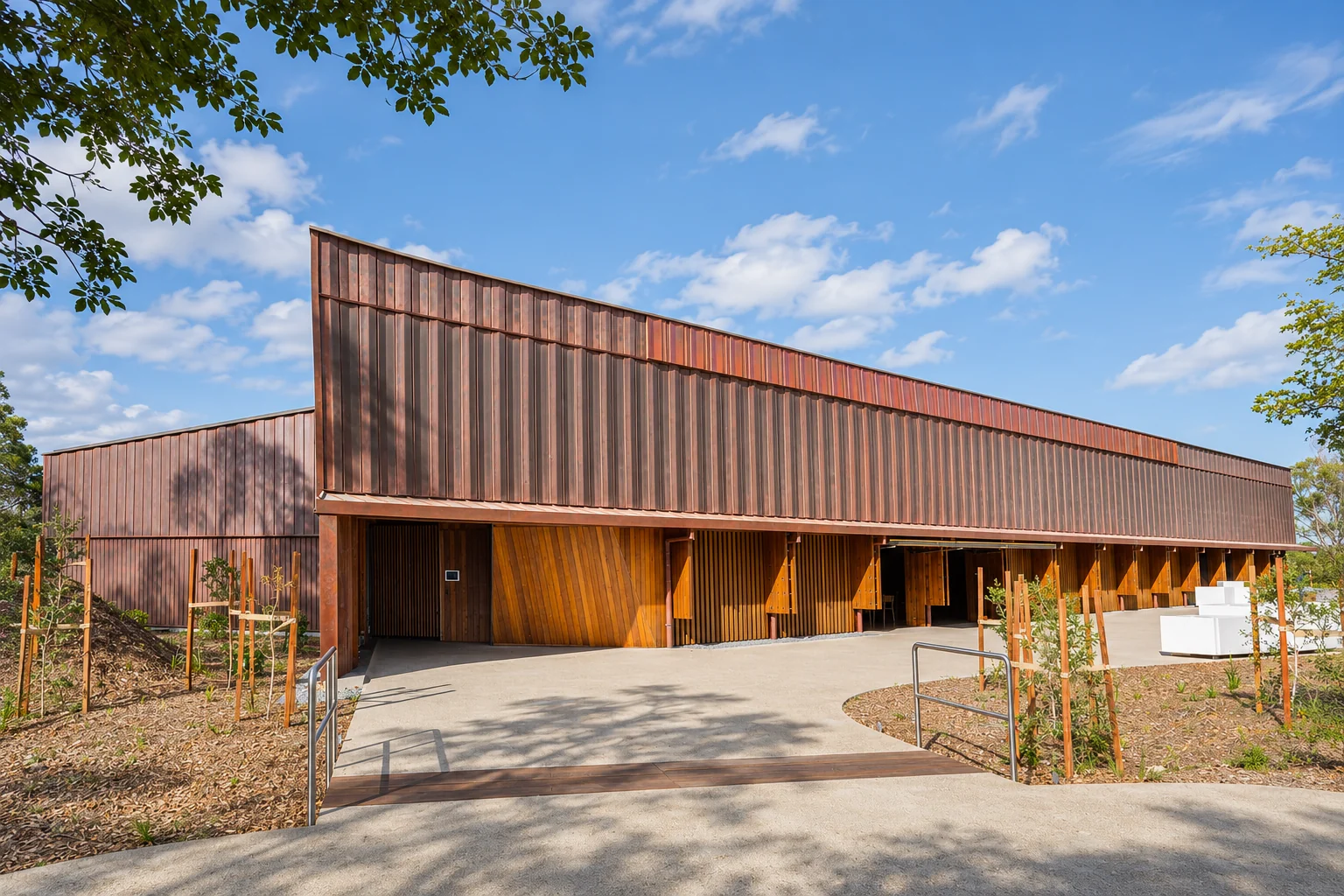
Season and booking. The QPWS tour page says the season runs from November to March. Nesting tours run from November to early February, and hatching tours run from late January to the end of March. For current season dates and any nights without tours, check Tourism on the Edge. Ticket sales open in September, and booking is essential. Each transaction is limited to 12 tickets, and each booking is assigned to a group for the whole evening. A group can have up to 60 people. Kellys Beach Resort says tickets sell out quickly. Check the QPWS page for any planned works at the Turtle Centre before you choose dates.
Prices. The QPWS prices include GST and are updated each 1 July:
- Adult: $30.30
- Child (5 to 17): $15.60
- Under 5: free
- Family (2 adults and up to 2 children): $73.05
- Concession: $15.60, shown with a valid Australian concession card at entry
A Companion Card holder who has bought a ticket gets one free companion entry, and tickets include the Turtle Tales Immersive Experience, the Milbi Café and the gift shop.
The night itself. Tours start at 6pm, and the Turtle Centre is open to tour participants from 6pm until late. Nobody can predict when turtles will arrive. Tours can start as late as midnight, and a visit can last up to six hours. Turtles sometimes do not come ashore, so sightings are not guaranteed, and bad weather can cancel tours. Plan the next morning loosely and eat before you go: the Milbi Café is open from 6pm to 9pm, with hot food orders until 8.30pm.
Expect up to 1.6 km of walking on sand at night and about two hours standing on uneven ground. QPWS asks for a moderate fitness level, and the route includes soft dunes and boardwalk ramps with short steep sections. Wear closed footwear suited to sand, and bring a warm layer, a rain jacket, insect repellent and a water bottle. There is a refill station at the Turtle Centre. Umbrellas are not allowed on the beach, and there is no shelter there.
The rules protect the turtles. Only tour participants may be on the beach after 6pm, and light-up shoes and glow sticks are banned. Torches must be 100 lumens or less and used only when permitted. Photography and video are allowed only in designated periods with limited flash. Mobile phones and smart watches must have their screens off and be stored away. Stay with your group, follow the rangers, and avoid sudden movement. Do not attend if you have flu-like symptoms.
If your trip falls outside the season, QPWS also runs Turtle Tracks and Tales, a ranger-guided daytime walk from the Turtle Centre on some weekdays through the year, with closures on 25 December and 25 April. School holiday visitors can look at the Mon Repos Junior Rangers program listed on the QPWS things-to-do page.
Beaches, walks and day trips to the reef
Most of Bundaberg’s beaches are a 15-minute drive from the centre. You need a car or taxi to reach any of them.
Bargara is the main beach town, with about 5 km of coast divided into smaller beaches, according to Queensland Travel Guide. They include Neilsons, Turtle Park, Boat Ramp, the Basin, Kelly’s, Money’s Creek and Archies, with white sand and rock pools. Almac Trailers recommends the Basin for snorkelling, Turtle Park for children, and Barolin Rocks for rock pools, fishing and diving. Hummock Lookout is also in Bargara. Popular swimming beaches are patrolled by local lifesaving clubs, with designated swimming areas in summer. Swim between the flags.

Nielsen Beach has about 500 m of smooth sand with basalt rock flats, a picnic area and parking, and a caravan park across the road. Further afield, the official guide describes Woodgate Beach as a quiet seaside town with a 16 km stretch of white sand. Moore Park Beach, north of town, has 20 km of sand and welcomes dogs. Elliott Heads, also about 15 minutes from the centre, sits in cane and small crop farming country.
Walks and nature. Baldwin Swamp Environment Park has boardwalks and paths through wetlands, grasslands, eucalypt forest and rainforest, with plenty of waterbirds. Mon Repos Conservation Park has walking and cycling tracks as well as the turtle experiences. The Botanical Gardens are good for an easy hour or two.
The reef. Two islands are the main day trips. The regional site calls Lady Elliot Island the most southern point of the Great Barrier Reef and the "Home of the Manta Ray". You reach it by scenic flight from Bundaberg Airport, and Lady Elliot Island Eco Resort offers day trips and overnight stays.
Lady Musgrave Island, listed separately, has about 3,000 acres of living reef around a protected lagoon. Day trips and overnight stays leave the Port of Bundaberg by catamaran with Lady Musgrave Experience. Listed activities include swimming with turtles, diving with manta rays and whale watching. Australian Traveller describes the boat trip as about two hours each way. Both trips leave from the airport or the port, not the town centre. Allow time to get there, and keep a spare day in case weather interferes.
On the road from Brisbane, Childers makes a good break, with a heritage main street, a café and a bakery. Childers also has two wineries.
Food, drink and wine
Bundaberg’s farms feed its menus. The official itinerary claims the region grows 25% of Australia’s fresh produce across all 12 months. That is promotional wording, but the farm-gate stops are real and easy to combine with a drive. Foodie trails pass Macadamias Australia, Little Farmhouse, Tinaberries and Alloway Farm Market. The Orchard Table café at Macadamias Australia overlooks the original macadamia orchard. Strawberries come from Bargara Berries, Tinaberries and SSS Strawberries, and the official guide says the season is usually September. Amandine Lavender Farm has lavender fields and a boutique shop.
Drinks. Beyond the rum distillery and ginger beer brewery, Kalki Moon Distilling and Brewing Co. is a family business in cane country, about five kilometres from the town centre, and runs gin distillery tours. The official itinerary says visitors can try its award-winning gins, liqueurs and a new rum line. Australian Traveller’s tours guide also covers it. Cider House and Tropical Winery pours sweet Moscato wines made with strawberries and mangoes, plus ciders in flavours such as pineapple and passionfruit.
For conventional wine, Hill of Promise Winery and Vintners Secret Vineyard in Childers offer tastings. Childers is a drive from town, so plan it as a half-day outing and nominate a driver.
Where to eat. Places to eat include:
- Windmill Cafe Bargara sits in a Dutch windmill a block from Bargara Beach and is described as a Queensland Tourism Award winner.
- The Beach Mill serves breakfast overlooking Nielsen Beach.
- Bargara Cones and Coffee is a post-beach treat with ocean views.
- Grunske’s Seafood Restaurant and Market serves seafood from the trawler with views of the Burnett River.
- Lighthouse Hotel at Burnett Heads also focuses on fresh seafood.
- H2O Restaurant and Bar has a seasonal menu and riverside views.
- The Garden Mill offers open-air dining with farm animals.
- Bert’s Restaurant has a locally sourced menu drawing on world cuisines.
A sensible pattern: breakfast at Nielsen Beach or Bargara, a farm stop or distillery at midday, and seafood by the river in the evening. On a turtle night, eat early or at the Milbi Café, since the evening runs late.
When to visit and how long to stay
The Bureau of Meteorology (BOM) records show a mild climate at Bundaberg Aero. The BOM page has a notice about ongoing problems with the product, so check the live table. Average maximums run from 30.4°C in January down to 22.3°C in July, and the annual mean maximum is 26.9°C. Annual rainfall averages 1004.1 mm. January and February are the wettest months at 166.6 mm and 152.3 mm, while August and September are the driest months.
April to October is the most comfortable time to visit the beaches, Baldwin Swamp and the Botanical Gardens. Weather Atlas picks August to November as the most pleasant stretch. The wet season runs roughly December to March, and a local climate page says the region is affected by tropical cyclones, especially in summer. If you travel then, buy flexible bookings and watch BOM warnings.
The turtle season sits in that hotter, wetter stretch, from November to March, so you have to choose between the two. Visiting in November or from late January into March gets you turtles, and the trade-off is heat, humidity and a higher chance of rain. If turtles are not a priority, aim for winter and spring. A visit in late October or early November, just before the season opens, offers warm weather and the strawberry-season farm stops in September, but no tours.
How long to stay. Three days works for a first visit. The official itinerary is built around several days, and its Day Three covers the town centre, heritage buildings and main street. A workable plan:
- Day one: the town sights and the rum distillery.
- Day two: Bargara, the Basin and a farm stop.
- Day three: Mon Repos in the evening, if it is in season.
Add a day for Lady Musgrave or Lady Elliot Island, or a night or two on the island for more time on the reef. The catamaran leaves from the port and the scenic flight from the airport, so leave some slack in those days.
Getting there, getting around and where to stay
By air. Bundaberg Airport (BDB) has multiple daily QantasLink flights from Brisbane, taking about 55 minutes, according to Burnett Riverside Hotel’s transport guide. The same guide says Rex serves the route, so check both airlines’ schedules. Return fares quoted range from $150 to $350, depending on how early you book. Treat that range as a rough guide.
By road. The Bruce Highway (A1) covers the 385 km from Brisbane in about four hours in normal traffic. A car also lets you reach the beaches and farms once you arrive.
By coach and train. The hotel’s location guide says Greyhound runs daily coaches from Brisbane, taking about 4.5 to 5 hours. Rome2Rio lists FlixBus twice daily. Queensland Rail’s Tilt Train runs from Roma Street to Bundaberg and arrives in the CBD, in about 4.5 to 5 hours, and the Spirit of Queensland also stops there. Rome2Rio also lists train options for the journey. There is no direct train from Brisbane Airport station, so air arrivals need to reach Roma Street first.
Getting around. Bundaberg is a car town. The beaches, the Turtle Centre 14 km east and the distillery in Bundaberg East all sit away from the centre. Without a car, Airial says taxis or ride-share can be booked from the town centre or your accommodation to the distillery. Expect longer waits and higher costs for trips to Mon Repos late at night, and arrange your return before a turtle tour since the finish time is unpredictable. A rental car from the airport solves most of this.
Where to stay. The official itinerary names three bases: the CBD, Bargara and Bundaberg East. Bargara suits visitors who want to be near the beach. It puts you within walking distance of the sand, cafés and the Windmill Cafe, and the itinerary suggests an ocean-view, self-contained apartment on the esplanade. You will drive to town and the distillery. The CBD works if you are arriving by train or coach, or if you want the main street and river. Budget options include the caravan park across from Nielsen Beach and motels. Travel Australia Today recommends Golden Palms Motor Inn as clean, comfortable and good value, and Bluegrass BnB for its warm welcome and good breakfast, though it sits slightly out of town. Lady Elliot Island Eco Resort and Lady Musgrave HQ both have overnight stays for reef visits.
Key Takeaways
- Book Mon Repos early: Tours run from November to late March, tickets go on sale in September, and booking is essential. Sightings are not guaranteed and the night can run up to six hours.
- Choose between turtles and mild weather: April to October is the most comfortable for beaches and walking, while the turtle season falls in the hotter, wetter months with some cyclone risk.
- Plan for three days: That covers the town and distillery, a Bargara beach day with a farm stop, and a turtle evening, with extra days for Lady Musgrave or Lady Elliot Island.
- Hire a car: The beaches, Turtle Centre and distillery are outside the centre. Brisbane is 385 km away, about four hours by road or 55 minutes by air.
- Confirm tour times: Distillery start times can change, and Mon Repos prices are updated each 1 July, so check with the operators before you commit.