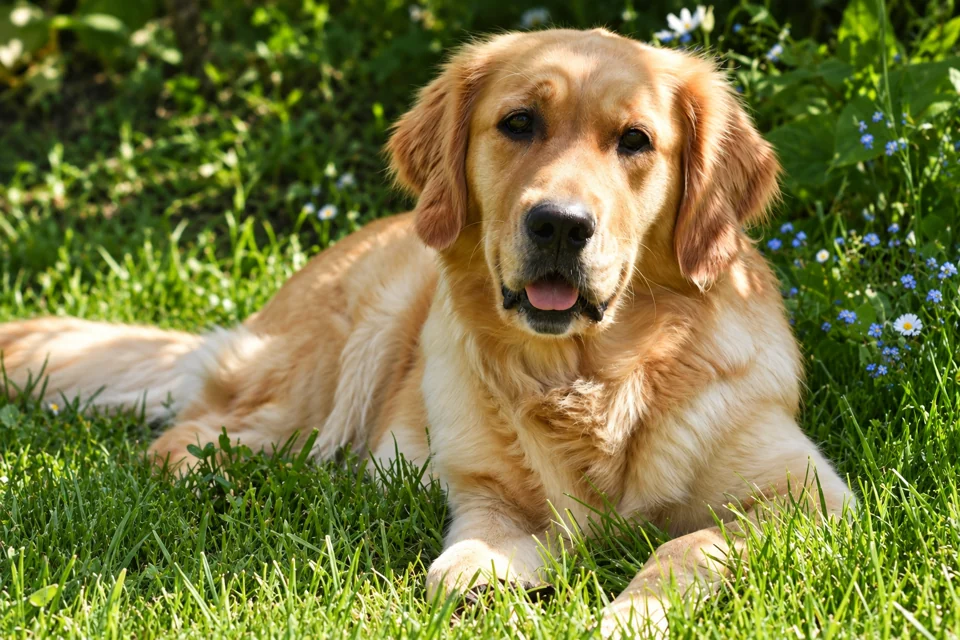
Every dog and cat that arrives in Australia from overseas spends time in a government quarantine facility, under some of the strictest animal import rules in the world. The Department of Agriculture, Fisheries and Forestry (DAFF) sets those rules because the country is free of rabies, a fatal virus that spreads from animals to people. DAFF says more than 60,000 people die of rabies each year worldwide, and its import conditions are designed to keep the disease out.
A family moving here must plan for a long lead time and pay several thousand dollars per pet. DAFF advises allowing at least six months for all the steps. The route you follow depends on the country you are leaving. The most common route for new arrivals from places such as the United Kingdom, Europe, Canada and the United States uses three things: a microchip, a rabies blood test and a 180-day wait. The minimum quarantine stay is 10 days if you complete the right identity paperwork in advance, and 30 days if you do not.
Dogs and cats are the focus here. Most other pets cannot be imported at all, and some dog breeds and cat hybrids are banned outright.
Your country of export sets the pathway
DAFF sorts exporting countries into three groups. Group 1 covers New Zealand, Norfolk Island and the Cocos (Keeling) Islands, and each has its own guide. A 2023 DAFF notice states that all cats and dogs except those from New Zealand or Norfolk Island need a valid import permit and a veterinary health certificate.
Group 2 covers approved rabies-free countries. The Group 2 cat guide gives examples including Japan, Singapore, Fiji, Papua New Guinea, Samoa, Tonga, Vanuatu, Mauritius, Iceland, Hawaii and Guam.
Group 3 contains approved countries where rabies is present but well controlled. The Group 3 dog guide lists about 67 countries and territories. They include the United Kingdom, Ireland, most of the European Union, Canada, the United States (excluding Guam and Hawaii), South Africa, South Korea, the United Arab Emirates, Qatar, Kuwait, Israel, Taiwan, Hong Kong and Uruguay. A pet from a country on none of these lists must follow the guide that applies to its country of export, so check the full list before you settle on a timeline.
The rest of this article follows the Group 3 route, because it has the most steps and catches the most families. The Group 3 cat guide and dog guide are separate DAFF pages, and the cat version is worth reading if you are bringing a cat.
Two terms recur throughout. The first is the competent authority, which is the animal-health agency of the country you are leaving. Its official government vet endorses the documents that go to Australia, and pre-export procedures must be done by a government-approved vet in an approved country. The second is BICON, the Biosecurity Import Conditions system. This is DAFF’s online system where import conditions are published and where permit applications are lodged. Applicants must register before they can apply.
Pet transport agents are optional. DAFF recommends using an experienced one but cannot recommend a particular company or influence agent fees. It names the International Pet and Animal Transportation Association (IPATA) as one place to find an agent, and the Group 2 cat guide also mentions the Animal Transportation Association.
Preparing a dog or cat from a Group 3 country
Each step depends on the one before it, so the order matters.
Microchip
The only approved way to identify the animal is a microchip, and it must be ISO-compatible, meaning it follows the international standard for pet microchips. Ten- and fifteen-digit chips are generally compliant, but the Group 2 cat guide says nine-digit AVID chips are not ISO-compatible and are not acceptable. Chips with numbers starting 999 are rejected because the numbers are not unique.
The chip should be in place before you start and at least 180 days before export. The vet scans it at every visit and before the pre-export blood sample, and laboratory reports cannot be amended to fix microchip details. If a cat carries two chips, both numbers go on every document, but if only one is compliant, only that one is used.
DAFF’s FAQ warns that a chip that cannot be read in Australia, or a number that differs between documents, can lead to the animal being sent back out of the country.
Rabies vaccination and the RNATT
The pet needs a rabies vaccine approved in the country of export, given according to the manufacturer’s instructions. Vaccination must stay continuously valid from the blood sample until export. If a booster is due, it must be given on or before the due date. If the vaccination lapses, the animal must be revaccinated and retested, and the 180-day period starts again.
The blood test is the RNATT, the rabies neutralising antibody titre test. It measures whether the vaccine has produced a protective level of antibodies. According to DAFF’s rabies page, the test is done at least three to four weeks after a primary vaccination course. Animals that have been vaccinated regularly may be tested sooner, as the vet advises.
An RNATT result is valid for 12 months from the blood-sampling date and must still be valid when the animal is exported. If it is close to expiring, the animal can be retested. The new sample must reach the laboratory within 12 months of the original, which avoids restarting the 180-day period.
The 180-day residency period
The animal must have lived in an approved country for at least 180 days before export. The current step-by-step guides count this from the date the laboratory receives the RNATT blood sample. An older memo, Animal Biosecurity Advice 2020-A01, used the blood-draw date, so rely on the current guides rather than older advice you find elsewhere.
The 180 days is a residency period. The pet lives with you, or with another person, during that time. If you begin in one approved country and export from another, the animal must have lived continuously in approved countries for the 180 days immediately before export. Ask your vet whether they will accept that arrangement before you move the pet.
The identity check that shortens quarantine
An official government vet can carry out an identity check, which is sent directly to DAFF. It cuts the minimum quarantine stay from 30 days to 10. It must happen before the RNATT, and the two cannot take place at the same visit. DAFF does not accept a pet passport, vaccination card or microchip certificate as identity evidence. Anyone aiming for the shorter quarantine should book the identity check first, then the blood test at a separate appointment.
The RNATT declaration is a country-specific form completed, signed and stamped by an official government vet. DAFF accepts only templates negotiated with approved trading partners, and the declaration must accompany the permit application.
Conditions at export
At the time of export, the animal must not be under quarantine restrictions, more than 30 days pregnant, or nursing puppies or kittens. DAFF does not recommend importing sick or very old animals, though a cat permit is not refused on age alone.
Getting the import permit
Every cat and dog from a Group 2 or Group 3 country needs an import permit before it travels. You apply through BICON and pay the fees when you submit, and DAFF will not issue the permit until the payment clears.
What the application needs
For a Group 3 pet, the application includes the RNATT laboratory report and the endorsed RNATT declaration. If the animal has been tested more than once, include the previous reports and declarations as well. The declaration is not needed for samples collected in Australia and tested at the Australian Centre for Disease Preparedness laboratory.
Laboratory reports must come from the testing laboratory itself and not from a forwarding laboratory. DAFF does not accept amendments to critical details such as sample date and place, submitting vet, microchip number and result, so an error in any of these means a new test. Documents must be in English or bilingual, and scans must be legible. The originals travel with the animal. DAFF advises against submitting pet photographs, medical details, routine vaccination records or pet passports unless it asks for them.
How long it takes
DAFF states that most permits are issued in 20 to 40 business days, but that it can take up to 123 business days. Applications are assessed in the order they arrive, and not every application leads to a permit. That range is the main reason to apply as soon as the RNATT result and declaration are in hand.
How long the permit lasts
A Group 2 permit is valid for 12 months. A Group 3 permit is valid until the RNATT expires, which is 12 months from the blood-sample date. The animal must arrive in Australia before then. A 2023 DAFF notice describes validity as 12 months or until the RNATT expires, whichever comes first, but the current permit page and FAQ give the Group 3 rule above.
The RNATT expiry date fixes the deadline regardless of when DAFF approves the application, so if the permit takes months to arrive, the window left to book quarantine and flights shrinks.
Reading the permit
The permit lists the vaccinations, tests, treatments, travel requirements, arrival conditions and quarantine requirements for that specific animal. Give a copy to your vet and your transport company. The permit, a health certificate and the other required documents must travel with the pet.
Quarantine at Mickleham and the trip itself
Where pets stay
Cats and dogs complete their quarantine at the government post-entry quarantine (PEQ) facility at Mickleham, Victoria, about 30 km from Melbourne International Airport, according to PetRelocation. The facility is the only federal one for companion animals, so pets fly into Melbourne even when the family is settling in Perth, Brisbane or Hobart. Starwood Pet reports that owners cannot visit during quarantine, that each pet has an individual climate-controlled suite, and that vets monitor the animals daily.
Ten days or thirty
The length of the stay depends on the identity check described earlier. DAFF’s rabies page confirms a minimum of 10 days when the official identity check was completed before the RNATT blood draw. Without it, the stay is 30 days. Some pet relocation companies describe 10 days as the standard stay, which holds only for animals with the identity paperwork in order.
A 10-day stay requires either an official identity declaration endorsed by an official government vet or, for an animal of Australian origin, an Australian Export Health Certificate. The microchip must match the document. Starwood Pet reports that paperwork errors or the timing of parasite treatments can extend a stay beyond the minimum.
Booking a place
Once the permit is issued, you book quarantine through the Post Entry Biosecurity System (PEBS). DAFF then confirms the next steps, timeframes and known fees, according to PetRelocation’s Australia page. Places are limited, so book as early as the permit allows. A transport agent usually handles this booking, the flight and the airline paperwork together. That is the main reason families pay for one.
Arrival and release
At the airport, the airline hands the animal over to the quarantine transport arrangement, and the pet goes to Mickleham. Veterinary treatment during quarantine is billed directly to the owner and is not part of the quarantine fees. Fees must be paid in full before release, and leaving the transport crate behind can attract a disposal fee, according to Dogtainers. Collect the pet on the release date with a way to get it home, because the family cannot drop in during the stay or collect early.

If you are in a conflict-affected region
DAFF industry advice 43-2026 states that import requirements for cats and dogs from Middle Eastern countries have not changed. Conditions cannot be waived. They rest on a risk assessment covering rabies, leptospirosis and parasite-borne diseases. An animal that arrives without a valid permit meeting all conditions can be re-exported or destroyed.
What it costs
Government fees are published and fixed, while quarantine and transport quotes come from relocation companies and vary with the route. DAFF reviews its fees annually and tells applicants to check current figures. The permit amounts below come from the permit page as last updated on 19 August 2025, and the rest are reported figures in Australian dollars.
| Item | Amount | Notes |
|---|---|---|
| Import permit, first animal in a consignment | $603 | $130 lodgement plus $473 assessment (DAFF) |
| Import permit, each additional animal in the same consignment | $288 | $130 lodgement plus $158 assessment (DAFF) |
| Quarantine reservation fee, per animal | $269 | Non-refundable (Zoovet Travel) |
| Importation charge, per pet | $1,078 | Reported for Canada-origin pets (Pet Travel Advisors) |
| Quarantine accommodation | $53 per day | $1,590 for 30 days (Zoovet Travel) |
| Airline handling at collection | $170 to $350 | Per air waybill, the airline’s cargo document (Zoovet Travel) |
| Pre-export laboratory test (RNATT) | $185 to $250 | Reported for cats (Cat Abroad) |
| Health certificate and endorsement | $275 to $850 | Reported for cats (Cat Abroad) |
DAFF’s permit figures are minimums. Extra charges apply for incomplete or erroneous applications and for variations to a permit, so a clean application avoids a second payment.
Adding the quarantine components for a 10-day stay (the reservation fee, the importation charge and ten days of accommodation) gives about $1,877, using figures from PetRelocation and Zoovet Travel. A longer stay costs more, and an unplanned extension adds about $53 per day.
Inspection and documentary assessment by quarantine staff is charged at $80 per 30 minutes, so complete, correctly matched paperwork is the cheapest option. Each additional pet in the same consignment adds $288 in quarantine fees.
Pet Travel Advisors estimates the total per pet, quarantine included, at about $3,000 for 10 days and about $4,100 for 30 days. Those totals leave out the flight. Full moves that include international transport cost considerably more, mostly because of airfare and agent fees for long-haul routes and larger animals (Canine Cab Company). Two dogs with different identity paperwork can land in the 10-day and 30-day brackets, which adds to the quarantine bill for the second.
Banned breeds, banned hybrids and other pets
Dogs
Some dogs cannot be imported whatever their paperwork. According to DAFF’s Group 3 dog guide, the banned hybrids are the Czechoslovakian wolfdog (Vlcak), Saarloos wolfdog (wolfhound), Lupo Italiano (Italian wolfdog) and Kunming wolfdog (Kunming dog). The banned pure breeds are the dogo Argentino, fila Brasileiro, Japanese tosa, American pit bull terrier and Perro de Presa Canario (Presa Canario). Mixed breeds are allowed if they meet all other conditions. These bans come from environmental and customs law rather than biosecurity rules. For questions about a hybrid, contact the Department of Climate Change, Energy, the Environment and Water (DCCEEW) at Exotic.Species@dcceew.gov.au.
Cats
Non-domestic hybrid cats are banned, including their crossbred offspring. The Group 3 cat guide names Savannah, Safari, Chausie and Bengal cats. The ban comes from environmental law. DCCEEW ended exemptions for Bengal cats from 1 March 2025, and Bengal cats were no longer permitted from 1 March 2026. Owners of Bengals or any other breed with a wild ancestor should confirm eligibility before spending money on tests.
Rabbits, horses and birds
DAFF’s unique or exotic pets page says that currently only dogs, cats, rabbits, horses and selected species of birds from approved countries may be imported as pets, and only when strict conditions are met. The page was last updated on 29 March 2023, so check BICON for current conditions before relying on it.
DAFF’s page lists rabbits among the animals that may be imported and gives no country restriction. Conditions vary by country, so check BICON for yours. Western Australia adds its own rule: the Department of Primary Industries and Regional Development does not treat brown wild-type rabbits as domestic rabbits and prohibits importing and keeping them. Only selected bird species from approved countries qualify, and most pet birds are not permitted.
Everything else
The same DAFF page states that no other vertebrate animals are approved for import as pets. Reptiles are not permitted as pets, though they can be imported under strict conditions for zoological purposes. Pet fish are not permitted, and live fish can be imported only for the aquarium trade or laboratory research. Frogs and other amphibians are limited to laboratory or zoological purposes. Invertebrates such as insects, spiders, snails and crabs are not permitted as pets, and insect farms and hatching kits containing insects or eggs are confiscated on arrival.
Pet food is covered too. Treats, supplements, dried insects and similar items need an import permit, and live food for animals is not permitted. A family planning to bring a stock of specialty food should confirm the permit position first, because items without one are seized at the border.
Key Takeaways
- Start at least six months before the move. DAFF advises allowing six months for all steps. The 180-day residency period plus permit processing of 20 to 40 business days (up to 123) make that a minimum.
- Book the official identity check before the rabies blood test. It must happen at a separate visit from the RNATT and cuts the minimum quarantine stay from 30 days to 10.
- Keep the microchip, vaccination and paperwork consistent. A lapsed rabies vaccine restarts the 180 days. A microchip number that differs between documents can lead to the animal being sent back.
- Budget several thousand dollars per pet. The permit costs $603 for the first animal. Reported quarantine costs for a 10-day stay come to about $1,877, before veterinary, testing and transport costs.
- Check breed and species eligibility first. Banned dog breeds, wolf hybrids and Bengal and other hybrid cats cannot enter, and the only approved pets are dogs, cats, rabbits, horses and selected birds.
