Families booking flights, trains or public transport in Australia need to check each operator’s fares and seating arrangements. They should also confirm the rules for child equipment and travel documents. Age rules and allowances vary, and one booking does not guarantee seats together.
Before paying, enter each child’s correct age and passenger type, check seating arrangements, and confirm baggage and travel-document requirements for every leg. The examples reflect operator guidance checked on 16 October 2026. Airline rules apply to the named airline’s own services unless the operator says otherwise.
Compare children’s fares
A child’s age and whether they occupy a seat affect the fare. There is no single Australian child-fare rule across airlines and public transport.
Virgin Australia allows an infant under 2 to travel on an adult’s lap or in a separate seat. Its published guidance says domestic lap infants travel free, while infants occupying a seat pay the full fare. Children aged 2–11 need a child fare, while passengers aged 12–17 are booked on adult fares. The airline’s guidance applies to Virgin Australia-operated flights, and fares depend on age at the time of travel.
Jetstar charges AUD $45 per infant per flight on Australian domestic services, according to its published infant guidance. An infant under 2 can travel on an adult’s lap; children aged 2 and over need their own seat and a child fare. If an infant turns 2 during a journey, fare and seat conditions depend on the itinerary, including whether flights are on one booking and whether there is a stopover. Confirm the arrangements before ticketing.
For NSW travel, Transport for NSW says children aged 3 and under travel free on public transport, while children aged 4–15 pay child fares. NSW TrainLink also advertises a Child $1 fare for eligible children aged 4–15 and students, subject to conditions. Under its Family Fare, the first two children pay the applicable child half-full fare and additional children travel free, also subject to conditions. These offers apply under their stated NSW TrainLink conditions, not across Australia.
Compare the total trip price, since child fares vary by operator and lap infants may incur a fare.
Choose seats on one booking
Put family members on one booking if sitting together matters. Virgin Australia says children on a shared booking will sit with their family; if the whole group cannot sit together, each child under 12 will sit with an adult from the group. This arrangement does not apply to separate bookings.
Seat selection conditions vary. Virgin Australia includes advance selection on its domestic and international short-haul services except Economy Lite, where selection can be purchased. Jetstar charges for some seat selections, and seats depend on availability. Qantas also offers seat selection on its operated flights, with charges for some seats and exceptions on selected regional services. Both Jetstar and Qantas say operational, safety or security needs can result in a seat change.
Select seats during booking when the option is available, then check the allocation. For NSW TrainLink regional services, Transport for NSW recommends booking by phone or through a sales agent if travelling with small children. When booking online, select the same-family or household option so the fare is calculated correctly.
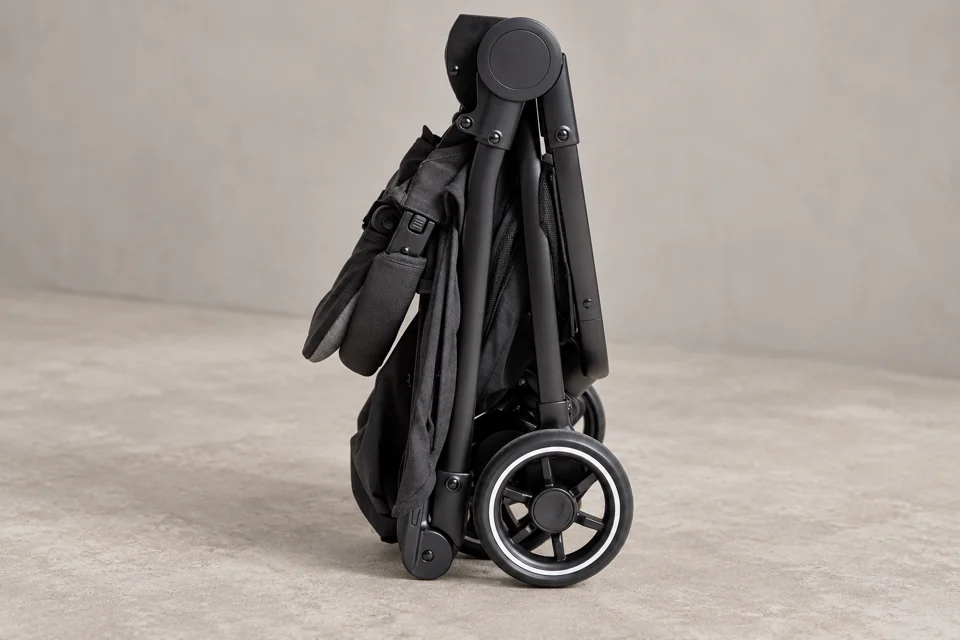
Check pram and luggage limits
Airline rules for prams and child equipment differ from ordinary baggage allowances. Check the allowance for each flight, especially where an itinerary combines airlines.
On Qantas-operated flights, an infant travelling with an adult can have up to three eligible items checked free, each weighing up to 32 kg. Items include a collapsible stroller or pushchair, portable cot or bassinet, and car seat or baby capsule. Children aged 2–11 can have up to two eligible child items checked free, each weighing up to 32 kg. Ordinary baggage allowances vary by route and destination.
Jetstar lists prams and strollers, portable cots, highchairs, car seats, baby capsules and booster seats as free checked items. A lap infant does not receive a separate standard checked-baggage allowance, and baby food and other infant essentials count towards the accompanying traveller’s carry-on allowance.
Virgin Australia’s allowance for infant and child items depends on fare type. Its guidance also allows an eligible collapsible pram in the cabin if it stays collapsed and meets the airline’s size and weight limits; larger prams can be checked at the gate. Check the limits and the fare’s baggage allowance before relying on either option.
NSW TrainLink has separate limits by service and class. Economy train travel allows one hand-luggage item up to 10 kg and one large item up to 20 kg. First Class trains and coaches allow one hand item and two large items. No single item can exceed 20 kg. Prams and baby seats count as extra items under the operator’s conditions, and children receive the luggage allowance for the class on their ticket. Transport for NSW says prams and strollers travel free on public transport; on regional trains, they may need to be folded and stored in the designated area.
Enter companion details correctly
Add every adult, child and infant as the correct passenger type, and provide dates of birth when requested. A lap infant is generally attached to an adult’s booking and may not have a separate baggage allowance. If an infant needs a seat, check how the airline requires that ticket to be booked.
Companion limits are operator-specific. Virgin Australia permits one infant per adult or guardian. Jetstar allows one passenger to accompany up to four children, with a maximum of two infants; its rules require one infant to have a separate seat in some circumstances. Check the airline’s current conditions against the ages and number of children travelling.
Before buying a ticket for a child travelling without an eligible adult, check the age limits and route restrictions. Ask what fees the operator charges and how it handles handovers. Jetstar has minimum-age rules for accompanying passengers on some services and routes. NSW TrainLink does not allow children under 12 to travel alone; some 12–15-year-olds can travel on selected services using its Unaccompanied Minor ticket. A parent or guardian aged 18 or over must make that booking and provide contact details for the adult at departure and the nominated adult collecting the child. Qantas also requires a parent or guardian to complete its unaccompanied-minor form and provide handover details.
Confirm documents and permissions
Check names before payment. Qantas requires the ticket name to match the travel document exactly. Confirm each traveller’s spelling, passenger type and date of birth, then correct any errors promptly.
Identification rules depend on the operator and itinerary. Qantas says passengers on domestic flights numbered QF400 and above may be asked for identification. It requires valid photo identification matching the booking name for domestic flights departing from an international terminal. Its guidance says children under 18 travelling with a parent or guardian can travel without identification if the accompanying adult has acceptable identification. These are Qantas rules, not a universal domestic standard.
For international travel, Jetstar requires every passenger, including children and infants, to have a passport at check-in. A visa or proof of onward travel may also be required, depending on the destination. Virgin Australia says passport-validity requirements vary by destination. Check the rules for every country on the itinerary, including transit points, and confirm which airline operates each flight.
Jetstar says it may ask for proof that an infant is under 2, such as a birth certificate or passport. Keep suitable age evidence available for check-in.
Permission and custody requirements depend on the destination and family circumstances. Qantas warns that some countries set conditions when a child travels without a parent or guardian, or with a school or community group. Before ticketing international travel, ask the destination authority and operating airline whether the child needs written consent or custody or guardianship documents. The operator guidance cited here gives no blanket rule on consent documents for Australian domestic travel.