Visitors and residents can see Australia’s best-known animals in the wild, but each species has its own risks and legal status. Kangaroos, koalas, wombats, platypus, echidnas, quokkas, Tasmanian devils, emus, cassowaries and crocodiles range from animals that bite or kick when stressed to a predator that kills people. Three are listed as Endangered under the federal Environment Protection and Biodiversity Conservation (EPBC) Act: the koala, the Tasmanian devil and the southern cassowary.
Feeding wildlife is prohibited or illegal in the places covered here. To judge a safe distance, watch the animal’s behaviour. The shared rules come first, followed by each species with its places, times of day and legal details.
Rules That Apply to Every Animal
Do not feed or touch wild animals. The NSW National Parks and Wildlife Service prohibits feeding wildlife in a national park unless the park manager gives permission. It warns that feeding native animals harms them, promotes scavenging, and can make them sick, demanding and aggressive. Queensland treats unauthorised feeding in protected areas as illegal, and the Northern Territory treats feeding crocodiles as both illegal and dangerous.
Government agencies rarely publish a fixed viewing distance. The practical test is the animal’s behaviour. Wildlife Tourism Australia describes the right distance as one where the animal stays put and soon resumes normal behaviour. If it stops what it is doing, changes behaviour or moves away, you are too close, and you should not follow it. In NSW national parks, where all native plants and animals are protected, the agency also asks visitors to stay on the track.
Food management matters as much as distance. NSW advises carrying a sealable container for food and scraps and keeping food out of sight. Queensland advises locking food and rubbish away or leaving it in the car in dingo areas. If you find sick or injured wildlife in Queensland, call 1300 ANIMAL (1300 264 625), which operates from 7am to 7pm, 365 days a year, with after-hours arrangements.
In NSW, if a snake is on the path, stop, walk slowly backwards and wait for it to pass, without poking or moving it. Queensland notes that snakes generally retreat, so back away to a safe distance.
Kangaroos in Parks and Open Country
Kangaroos are common across national parks and open country, and they are most active at dusk and dawn. That timing is also when they are most dangerous on the road: Wildlife Tourism Australia warns that kangaroos are likely to dash in front of cars at dusk, so drive carefully through national parks at that hour.
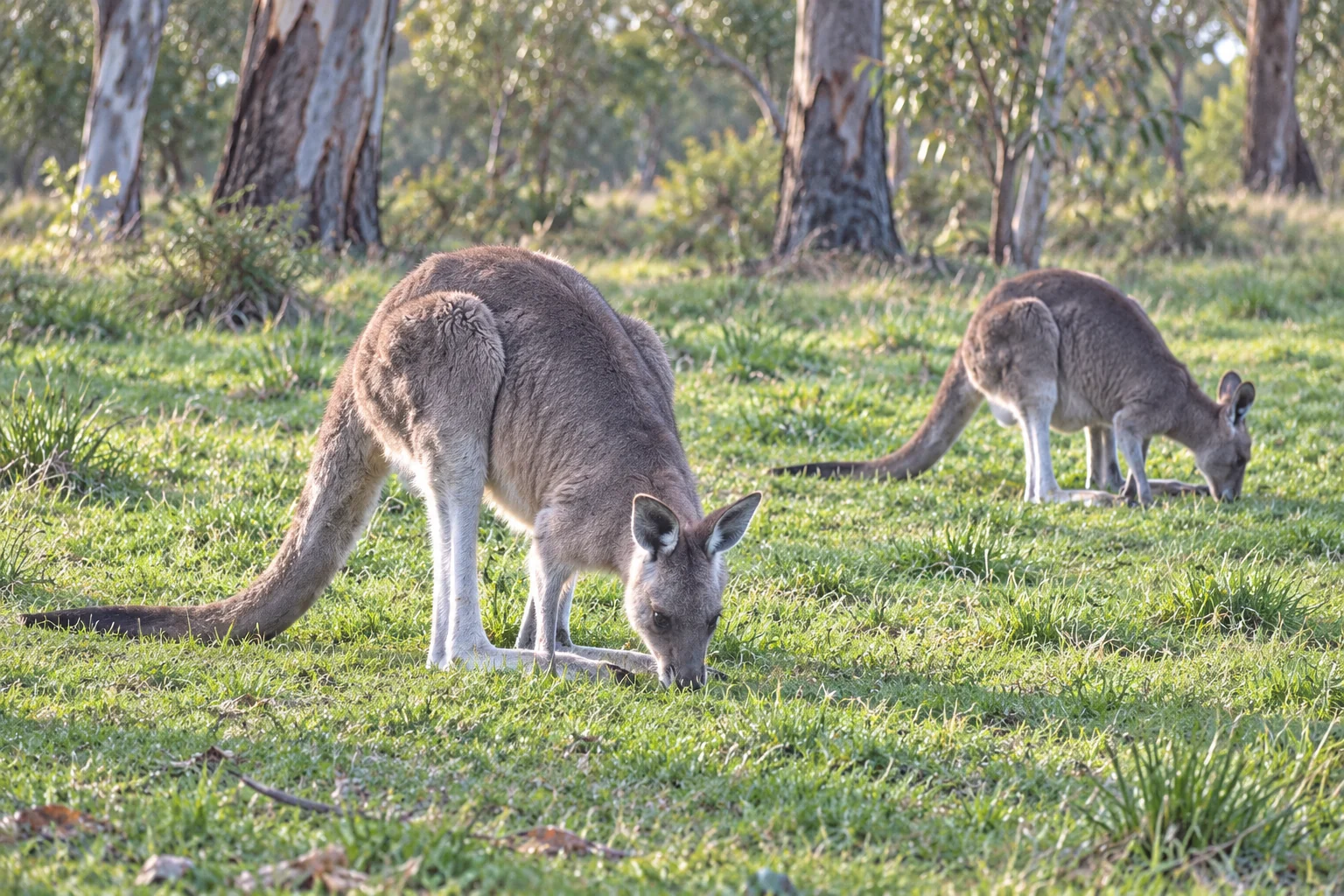
Kangaroos look relaxed, which leads visitors to approach or hand-feed them. NSW NPWS cautions that a kangaroo that feels threatened can become aggressive and cause serious injury. Wildlife Tourism Australia adds that bread can cause a gum infection known as "lumpy jaw", so even a well-meant snack harms the animal. Watch from a distance, stay on the track, and let the animal’s behaviour tell you when to back off.
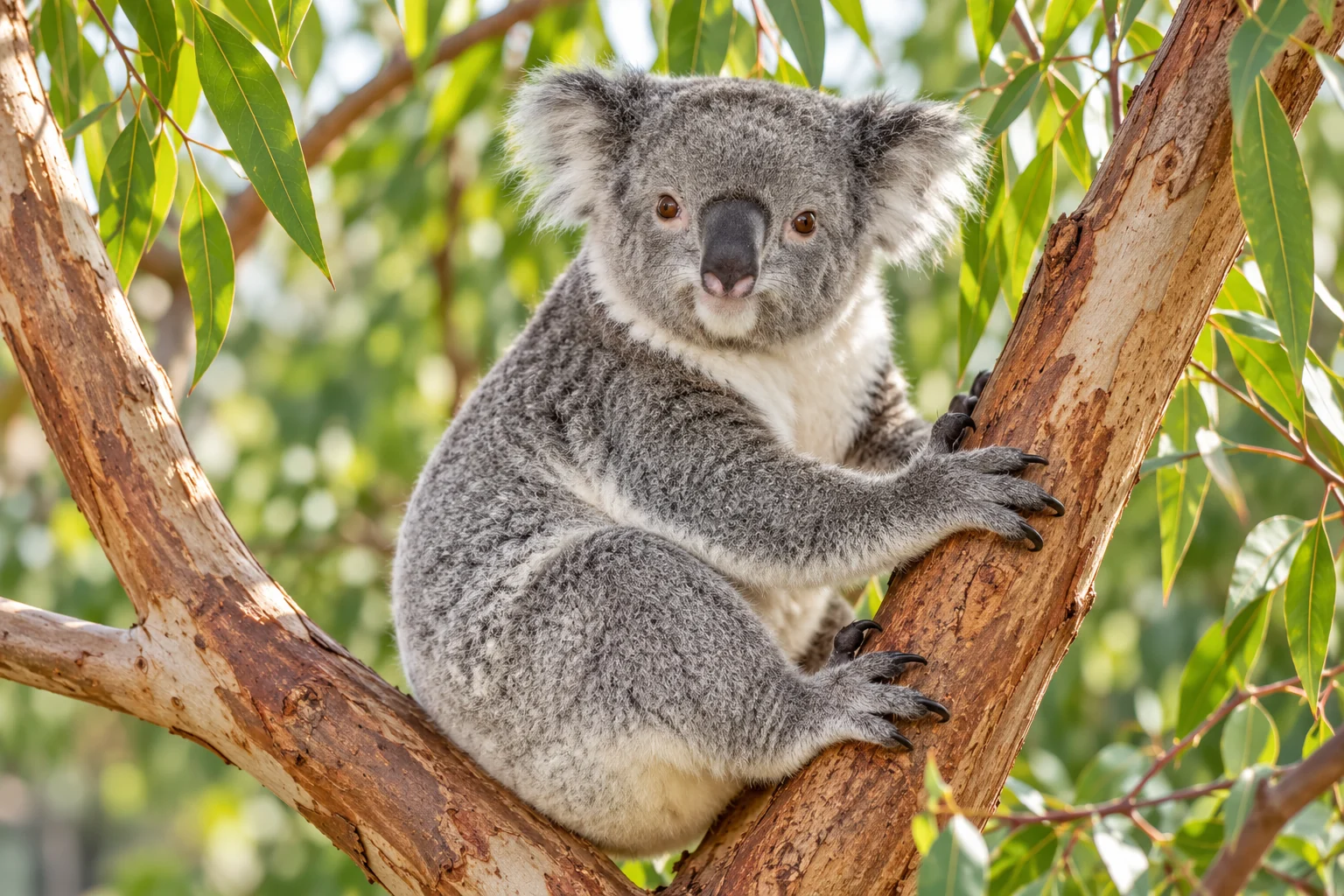
Koalas
The koala’s federal listing changed on 12 February 2022. The SPRAT entry (the federal Species Profile and Threats database) lists the combined Queensland, NSW and ACT populations as Endangered, effective 12 February 2022. State listings differ. Queensland lists the south-east Queensland bioregion as Vulnerable under the Nature Conservation Act 1992, and NSW lists the koala as Vulnerable under the Threatened Species Conservation Act 1995. Some NSW populations, at Hawks Nest/Tea Gardens and Pittwater, are listed as Endangered populations.
The Endangered listing covers Queensland, NSW and the ACT, so wild koala viewing in those jurisdictions involves a threatened animal and calls for restraint. One tour operator sets a Sustainable Koala Watching Code of 10 metres horizontally from any wild koala. Its guides never surround a koala’s tree and avoid excessive movement or noise. The operator cites a recent study finding that captive koalas showed higher stress when people stood 5 metres away than when people were farther back. The 10 metres is the operator’s own standard rather than a government requirement, and it gives you a concrete figure to apply when no official distance exists.
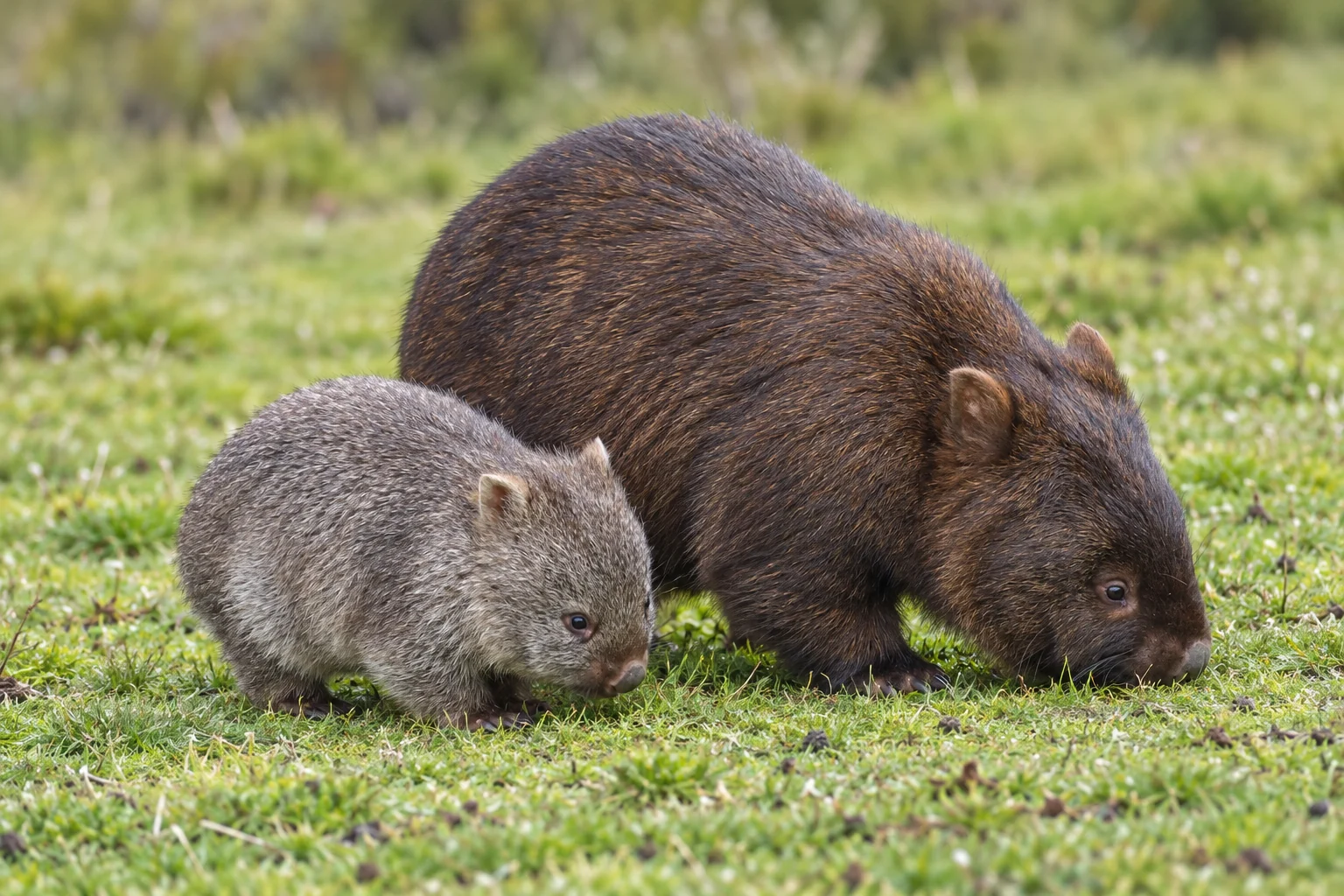
Wombats, Echidnas and Emus
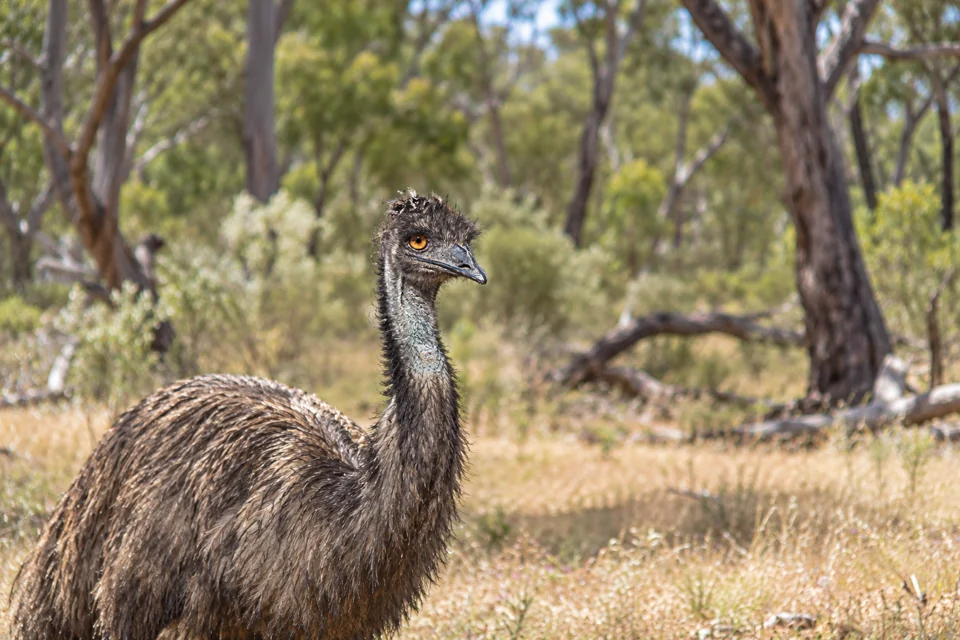
These three animals fall under the general rules above. In NSW national parks, wombats, echidnas and emus are protected like every other native animal, and the same prohibition on feeding applies. Stay on the track, keep your distance, and treat any change in the animal’s behaviour as the signal to step back. Keep food sealed and out of sight so the animals do not learn to scavenge from visitors.
Platypus
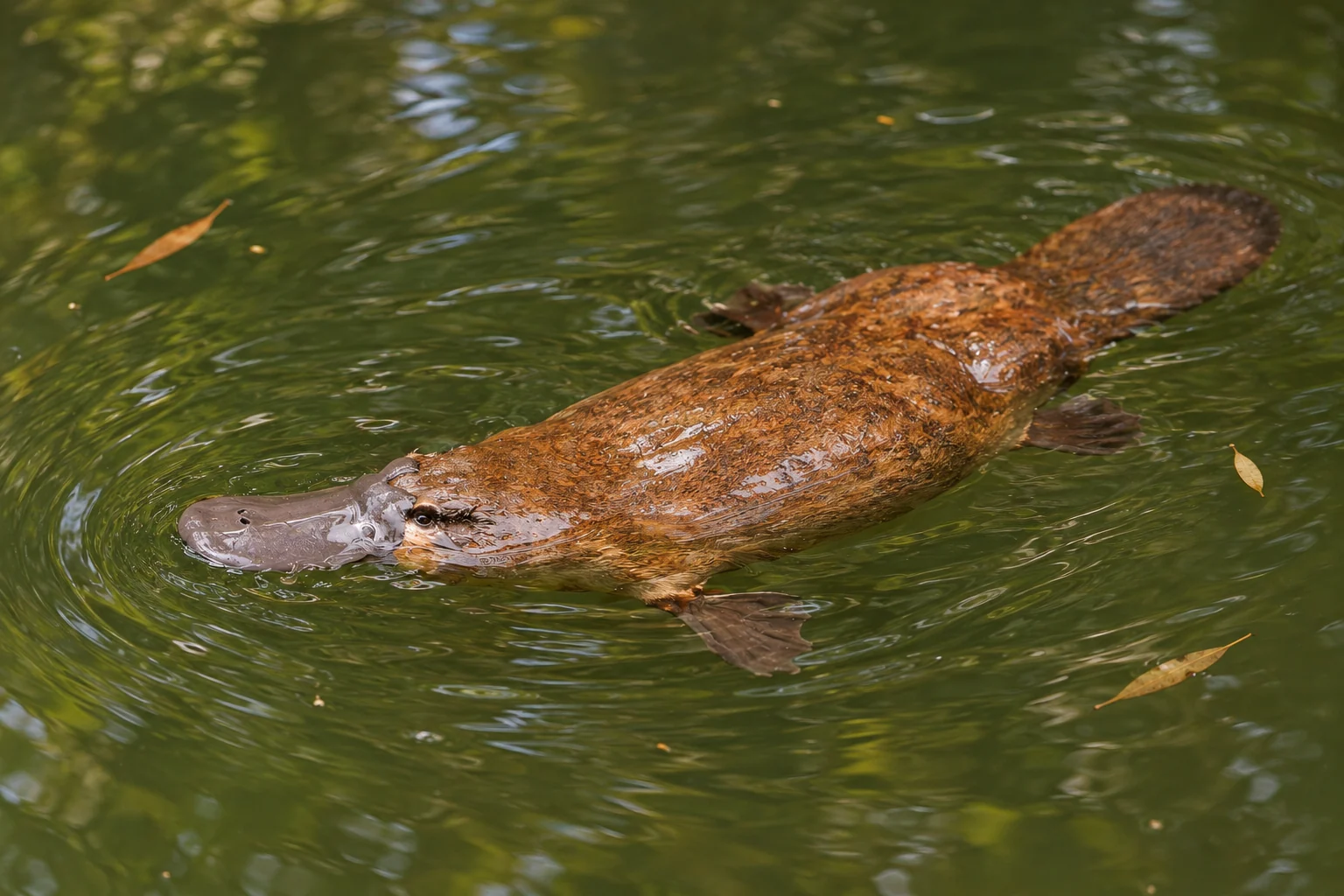
The platypus is shy and mostly active at night, with peak activity at dawn and dusk. The best chances of a sighting fall within three hours of sunrise or sunset. Visit Melbourne recommends dawn or dusk and suggests bringing binoculars. Sightings are not guaranteed, so plan to wait.
Victoria
Victoria has the most platypus sites near a capital city. Visit Melbourne describes the confluence of the Yarra and Plenty Rivers near Melbourne as offering a good chance of a sighting. It calls Lake Elizabeth in Great Otway National Park possibly the best location in Victoria, and canoe tours operate there. Other named sites are the Yarra River at Warrandyte State Park and the quiet bends of the Loddon and Campaspe Rivers in Central Victoria.
Queensland, NSW and Tasmania
In Queensland, Eungella National Park is the most-cited site, centred on the Broken River viewing platforms, about 80 km west of Mackay. The Eungella River Walk is 520 metres long and has accessible timber viewing platforms. In NSW, the Bombala Platypus Reserve has a raised platform for viewing. In Tasmania, the town of Latrobe has the Warrawee Forest Reserve beside the Mersey River, and Australian Geographic covers more sites in its list of places to see platypus.
Watching without disturbing
Platypus are sensitive to vibration and sound, so sit still, keep conversation low and skip flash photography. The advice is to "be patient, wait quietly and you’ll be rewarded." If you want a guaranteed look, two captive options sit apart from wild viewing: Healesville Sanctuary offers a close encounter that includes wading with platypus, and Taronga Zoo’s Platypus House reverses the day-night cycle so the animals are active during opening hours. To help researchers, log your wild sightings on PlatypusSPOT, a website that tracks populations.
Quokkas on Rottnest Island
Visitors meet quokkas on Rottnest Island, off Perth, and the rules there are enforced. The island’s authorities say that feeding and touching quokkas is not permitted for the welfare of the animals. Rangers patrol daily to enforce the Rottnest Island Regulations 1988, which include the rule against feeding wildlife. A report dated 18 October 2024 states that feeding a quokka or any animal on the island can attract a $150 fine, and it describes quokkas as a vulnerable species. Confirm the current penalty with the Rottnest Island Authority before you travel, because fine amounts change.

The Authority’s guidance in that report is to observe quokkas from a respectable distance. Do not touch them, because touching can make them sick and spread disease, and mothers may abandon their young if they detect an unfamiliar scent. Do not feed them, including leaves, because human food makes them sick and feeding leaves disrupts natural foraging. A tour operator on the island says deliberate interference can bring on-the-spot fines and prosecution under the Rottnest Island Regulations 1988 and the Wildlife Conservation Act 1950. Keep your own food securely stored and out of reach. Quokkas can live up to 10 years in the wild, so the animal you meet may be a long-term island resident that has already been fed too many times.
Tasmanian Devils
Seeing a wild Tasmanian devil means travelling to Tasmania. The species is endemic to the island, found throughout it, but not on its offshore islands. The SPRAT profile lists the devil as Endangered under the EPBC Act, effective 29 May 2009, and the Tasmanian Government’s threatened species list gives it Endangered status under both Tasmanian and Commonwealth law.
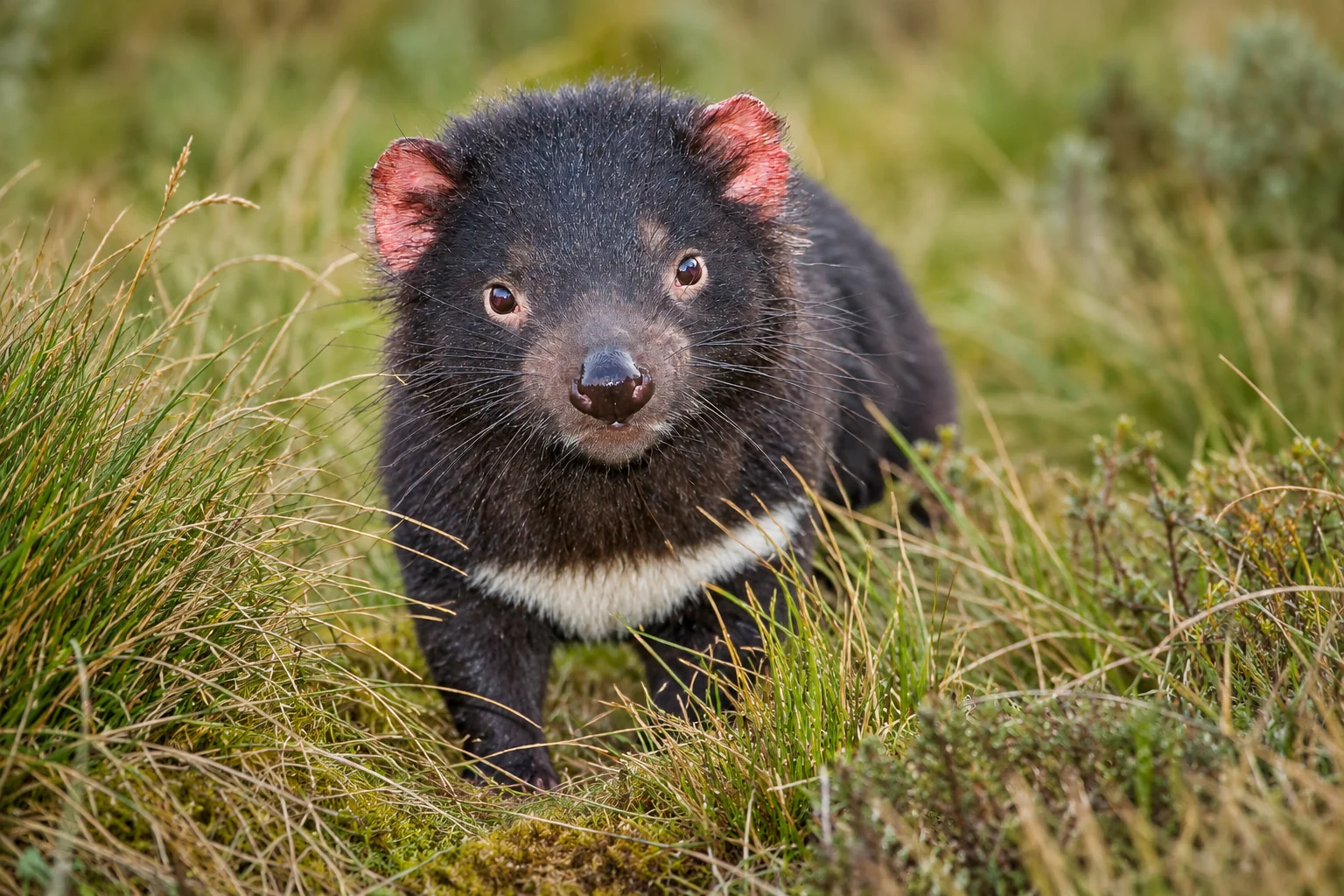
Devil Facial Tumour Disease (DFTD), a contagious cancer, drives the decline. Modelling in the 2009 Conservation Advice indicated a strong possibility of extinction within roughly 25 to 35 years if trends continued. The Minister approved that advice on 19 May 2009, and it guides recovery in place of a formal recovery plan. Visitors protect the species by following the general rules: keep a distance, never feed, and keep food secured.
Southern Cassowaries
The southern cassowary lives in the rainforests of northern Queensland, and Queensland Parks and Wildlife Service gives the most specific official guidance of any animal in this guide. Its Be wildlife aware page describes cassowaries as endangered birds with unpredictable behaviour that can cause serious injury by kicking with large, clawed feet. Visitors should never approach them, should stay well away and should never feed them. In cassowary territory, drive slowly. The page links to the "Be Cass-o-Wary" safety tips for anyone planning rainforest walks or drives.

Saltwater Crocodiles in the Northern Territory
Crocodiles are the one animal here where the main aim is to avoid contact. Saltwater and freshwater crocodiles are protected by law in the Northern Territory, and you cannot take or interfere with one without a permit. Saltwater crocodile numbers have risen from about 3,000 to an estimated 100,000 since protection began in 1971, as of 24 April 2024 (see the report). Saltwater crocodiles can be found more than 200 km from the coast, according to NT tourism, so inland freshwater billabongs also carry crocodile risk.

How the NT manages risk
The current plan is the Management Program for the Saltwater Crocodile in the Northern Territory of Australia 2024 to 2034. Its objectives are to maintain the species at appropriate densities across its Top End range, to protect the public by managing problem crocodiles and reducing densities in selected areas, to support a sustainable harvest and crocodile industry, to enhance Aboriginal livelihoods through that industry, and to improve community awareness of crocodile risks and values. The Be Crocwise page states plainly that management practices alone cannot eliminate the risk of attack, and that public education is critical for Territorians and tourists. Risk management intensity varies by location, public use, and the criteria for opening and closing water-based activities. The NT’s saltwater crocodile risk management framework 2021 to 2026 is linked from the same page.
Under the finalised 10-year plan, the NT allows up to 1,200 live crocodiles to be taken each year, up from 300, as reported on 24 April 2024. The NT Government’s program information also gives an annual cap of up to 90,000 eggs.
Rules for staying safe
The NT Government’s crocodile safety guidance sets out these rules:
- Obey all crocodile warning signs.
- Never provoke, harass or interfere with crocodiles, even small ones.
- Never feed crocodiles.
- Take extra care near water at night and during the breeding season, from September to April.
- Avoid the water’s edge, do not paddle or wade there, and stay well back from slide marks.
- Remember that the smaller the boat, the greater the risk.
Swimming is prohibited in rivers and billabongs in the Top End, as set out in this crocodile safety article. One tour operator uses a rule of thumb of at least 10 metres from the edge where crocodiles may be present, and farther where the bank is steep or the shoreline is hidden. That figure is the operator’s own guideline and is not a distance set by the NT Government.
Seeing crocodiles on a cruise
A guided cruise is the safer way to see a crocodile, because guides know which waterways to avoid and operators and park rangers are trained in crocodile management. Yellow Water and the Mary River are named as good places for guided cruises. Book a licensed operator rather than approaching a bank on your own.
Summary of the Rules
- Never feed or touch wildlife: NSW, Queensland and the Northern Territory all prohibit or discourage it, and on Rottnest Island feeding a quokka can attract a $150 fine (check the current amount with the Rottnest Island Authority).
- Judge distance by behaviour: if an animal stops what it is doing or moves away, step back. One tour operator keeps 10 metres from wild koalas, which is an operator standard rather than a legal one.
- Treat three species as threatened: the koala (Qld, NSW and ACT populations, from 12 February 2022), the Tasmanian devil (since 29 May 2009) and the southern cassowary are all Endangered, so restraint matters more with them.
- See platypus at dawn or dusk, quietly: aim for within three hours of sunrise or sunset at Victorian sites such as Lake Elizabeth or Eungella National Park in Queensland, and keep still and quiet with no flash.
- Use a guided cruise for crocodiles: stay out of the water and away from banks in the Top End, and remember that the NT’s own plan says risk can be managed but not eliminated.