Aboriginal cultural experiences are tours, walks, talks and workshops run by Aboriginal people on their own Country. Country is the word Aboriginal people use for the land, waters and sky that a group belongs to and cares for. The best experiences are owned or led by the Traditional Owners of the place you visit. At Kings Canyon you can join a one-hour bush tucker walk, and in Tasmania there are multi-day journeys along the coast. Sydney offers a harbour walk, while Arnhem Land has permit-controlled trips.
Before you arrive, work out which operators you can trust, what each region offers, and what you need to organise in advance. Some experiences you book directly with the operator. Others require a national park pass, and some require a permit to enter Aboriginal land. Each state and territory below lists operators, then covers booking, fees, ceremonies and behaviour on Country.
Finding Aboriginal-owned and -led operators
Operators make their own ownership claims. Queensland tourism listings, for example, describe some businesses as "100% Aboriginal-owned" and others as Aboriginal family-owned or owned by the local Indigenous community. Three checks help you judge a claim.
- Supply Nation verifies Indigenous-owned suppliers across all industries, not just tourism. A Registered business is at least 50% Indigenous-owned. A Certified business is at least 51% Indigenous-owned, managed and controlled. The First Nations Tourism Hub reports verified First Nations-owned businesses and members.
- Ecotourism Australia’s Respecting our Culture certification assesses conduct. It checks whether an operator respects and reinforces First Nations cultural heritage and living cultures, and it does not define ownership.
- A tourism accreditation program is being developed by the Queensland Tourism Industry Council, with standards informed by that certification.
Directories to start with
Tourism Australia’s Discover Aboriginal Experiences directory is a curated place to start. According to the First Nations Tourism Hub, it lists 160 Aboriginal tourism experiences (around 2024), each chosen for authenticity and meaning and led by Aboriginal guides. Statista’s figures for membership by state and territory as at December 2024 show about 15 members in Queensland, 13 in Western Australia and 12 in the Northern Territory.
The directory’s Immersive Journeys category lists longer trips with more depth. Welcome to Country is a separate not-for-profit marketplace for First Nations experiences and products, and is itself Supply Nation Registered. As at March 2023 it listed 188 businesses, 253 experiences and more than 3,000 products. In New South Wales, Visit NSW publishes a compilation of Aboriginal cultural experiences and tours.
What a Typical Experience Involves
Most experiences are guided and tied to a specific place. You might join a bush tucker walk, a dot painting session, an artefact demonstration, a rock art tour or a Dreamtime storytelling session, on foot or by boat or vehicle, and the Discover Aboriginal Experiences listings include all of these.
Guides decide what is shared and what is not. A guide asks the group to lower its voices or put cameras away, and sacred sites often include natural features such as mountains and waterholes linked to Creation stories and Songlines (the paths across Country that connect sites through story). Visitors generally avoid swimming in sacred waterholes.
Arnhem Land and some remote Aboriginal reserves require permits, so independent travel there is rarely an option, and an organised tour is the usual way in.
Inclusions vary by operator. As an example, Aboriginal Cultural Tours SA’s published terms say guests bring walking shoes, water, weather-appropriate clothing and lunch. On its multi-day tours, camping gear (excluding pillows) and breakfast are provided, but lunch and dinner are not.
Queensland
Queensland’s experiences cluster in the tropical north, with operators also in Mackay and on the Sunshine Coast. The Queensland tourism listing names several:
- Mackay region (Yuwi Country): Younga Yarns is described as 100% Aboriginal-owned.
- Sunshine Coast: TribalLink is described as 100% Aboriginal-owned.
- Atherton Tablelands: Rainforest To Bush Cultural Experiences, an Aboriginal family-owned business with Yidinji and Mbabaram heritage.
- Cairns: Walkabout Cultural Adventures is described as 100% Aboriginal owned and operated.
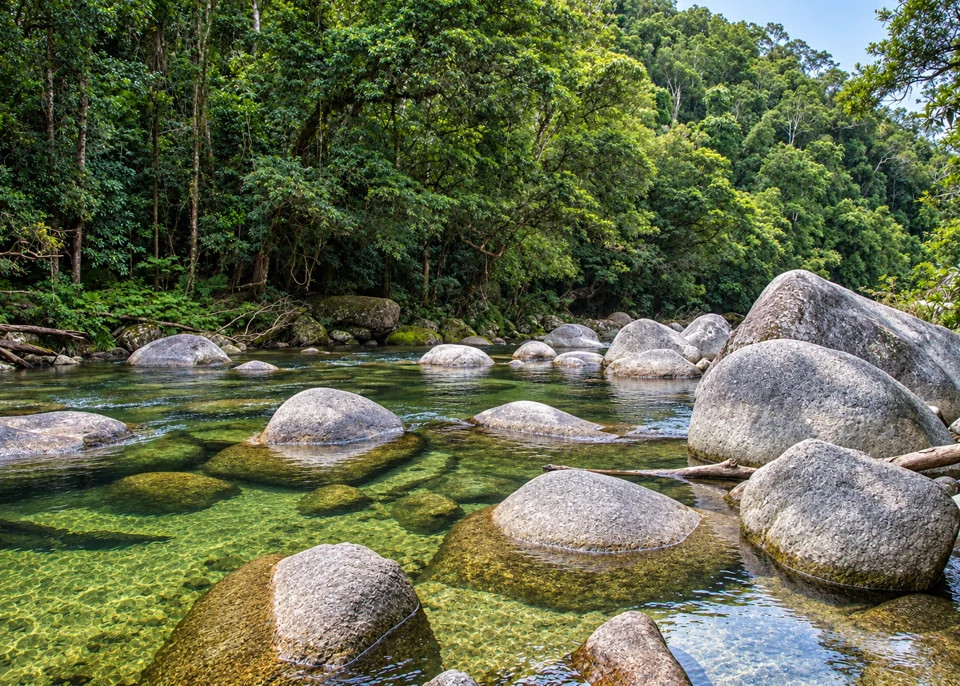
Also near Cairns, Mandingalbay Ancient Indigenous Tours is listed in the Immersive Journeys category. At Mossman Gorge, the Kuku-Yalanji Dreamtime Guided Rainforest Walks are operated by the traditional owners and suit a day trip from Cairns.
For rock art, Jarramali Rock Art Tours are run by a Kuku Yalanji Traditional Owner and visit the Quinkan rock art, which holds UNESCO World Heritage status. Book ahead directly with the operator, because tours depend on guide availability.
Northern Territory
The Northern Territory has the densest concentration of Aboriginal-owned tourism, and Traditional Owners jointly manage most of its major sites.
Uluṟu-Kata Tjuṯa. Anangu Tours is owned and run by the Aboriginal owners of Uluru, with tours interpreted from the Anangu language. Other operators run Anangu-guided walks at the base of Uluru and camel tours from Alice Springs. The climb is closed, and Anangu ask visitors not to photograph culturally sensitive areas of Uluru and Kata Tjuta.
Kings Canyon (Watarrka). Karrke Cultural Experience and Tours is Indigenous-owned and operated, established in 2014, with Luritja and Pertame peoples as hosts. The one-hour walk-and-talk covers bush tucker, dot painting and artefacts, so it fits easily alongside a Kings Canyon walk.
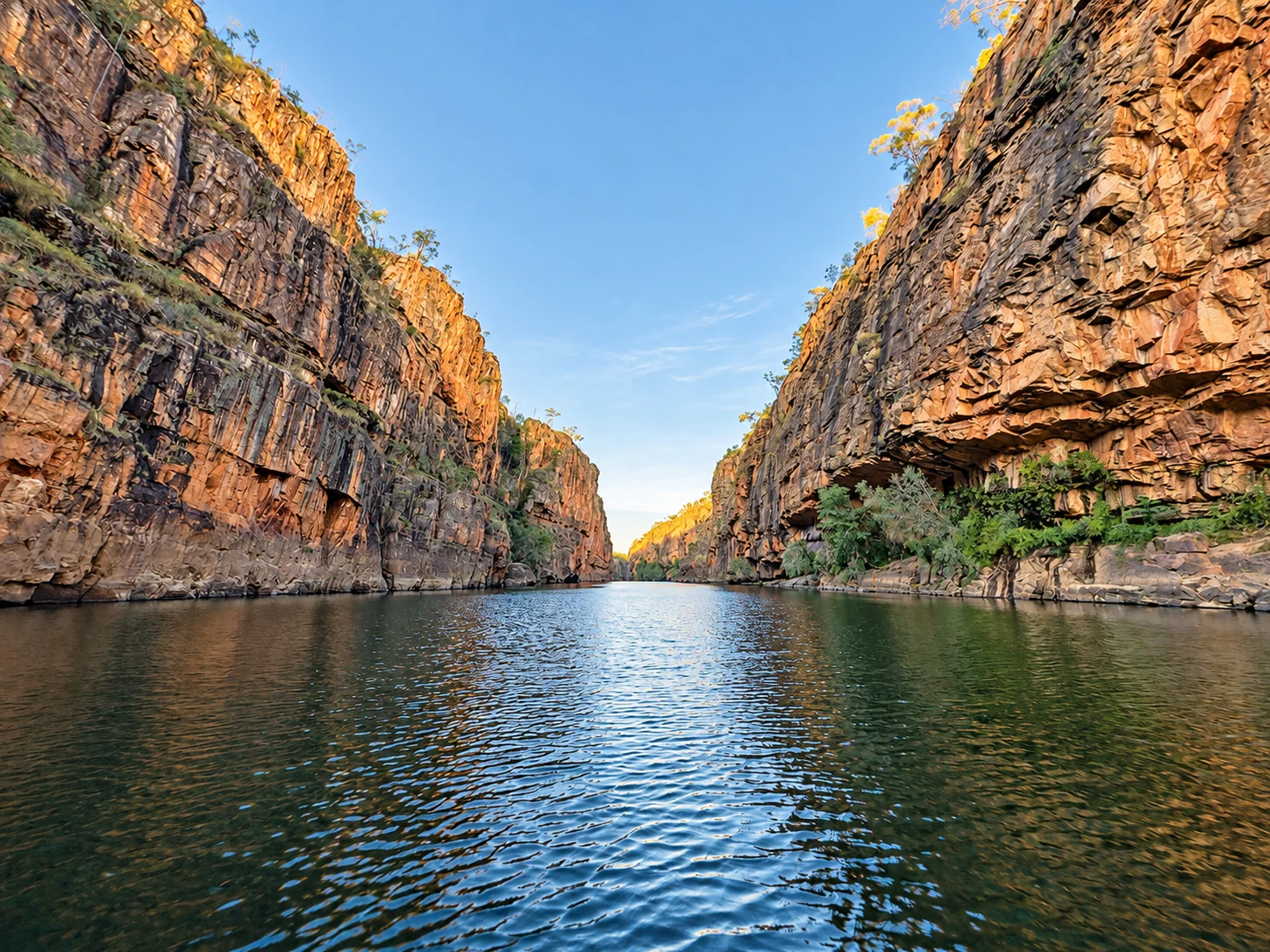
Katherine Gorge (Nitmiluk). Nitmiluk Tours is described as Indigenous-owned and operated, and the Jawoyn people and the NT Parks & Wildlife Service jointly manage Nitmiluk National Park, according to Insight Guides.
Kakadu. Kakadu Cultural Tours runs Arnhemlander day tours, and Cooinda Lodge is owned by the local Indigenous community, according to Discover Aboriginal Experiences listings. Burrungkuy (Nourlangie), Ubirr and Yellow Water (Ngurrungurrudjba) stay accessible in both wet and dry seasons, which matters when other areas flood.
Arnhem Land. Operators include Lord’s Kakadu and Arnhemland Safaris, Nomad, Magela Cultural and Heritage Tours and Arnhemlander. Entry needs permits, so the operator arranges access as part of the tour.
Western Australia
Western Australia’s experiences stretch from Shark Bay in the west to the Kimberley and the Pilbara.
- Francois Peron and Dirk Hartog Island: Wula Gura Nyinda Eco Cultural Adventures offers walks led by an Aboriginal guide, listed under Immersive Journeys.
- Dot painting and Dreamtime stories: Dale Tilbrook Experiences is a Discover Aboriginal Experiences listing.
- Kimberley: Kimberley Cultural Adventures and Koomal Dreaming appear in the membership listing for the state.
- Murujuga (Pilbara): This cultural landscape holds one of the world’s most significant rock art collections. WA Travel Guides advises visiting rock art places with Traditional Owners or permitted guides, because many are restricted, culturally sensitive or on Country that requires permission.
South Australia
The Anangu Pitjantjatjara Yankunytjatjara (APY) Lands in northern South Australia are Aboriginal-owned land governed by the APY Land Rights Act (1981). All non-Anangu need a permit to enter, and the booking section below explains how to get one. Tourists, travellers and 4WD enthusiasts cannot get transit permits.
For visitors based in Adelaide, Aboriginal Cultural Tours SA runs 4WD day and multi-day tours, including a Half Day Coastal Tour to Point Pearce Aboriginal Community. Bookings go through the operator by phone or email, and tour dates are confirmed after an enquiry.
New South Wales
On the South Coast, which is Yuin Country, NSW National Parks lists tours run by Aboriginal Parks Eco Pass operators. Visitors can join a Yuin Elder for a walk on Country, and Minga Aboriginal Cultural Services in Eurobodalla National Park is one listed operator. The same listing includes paddling the Snowy River in the Snowy Mountains with an Aboriginal guide. The NSW listings show prices only as "Fees apply", so you need each operator’s own site for dollar amounts and cancellation terms.
In Sydney, the Royal Botanic Garden offers bush tucker and Harbour Heritage walks, listed on Discover Aboriginal Experiences. At Barangaroo, Aboriginal-led tours welcome landscape photography, but recording the guide’s spoken cultural content without explicit consent is not allowed.

Wollumbin (Mt Warning) is officially closed to climbers.
Victoria
Victoria’s main cultural experience listed here is Bunjilaka Aboriginal Cultural Centre in Carlton, Melbourne. Museums Victoria runs it, so it is a museum rather than a tour operator. It acknowledges the Boon Wurrung and Woi Wurrung (Wurundjeri) peoples, according to Travel Market Report. It suits a wet-weather day in the city, and walk-on-Country experiences require looking beyond Melbourne.

Tasmania
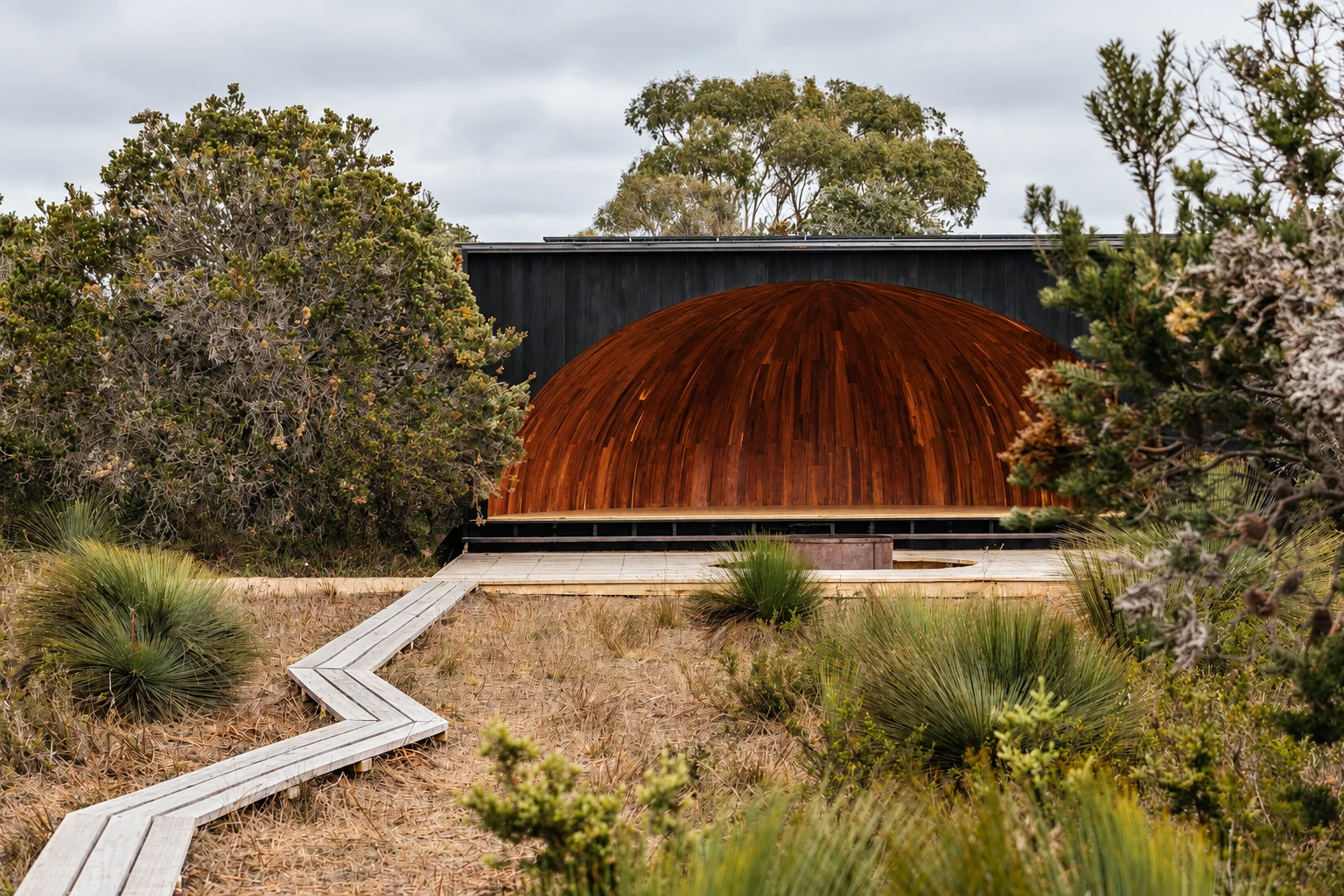
The wukalina Walk at the Bay of Fires, near Launceston, is the Tasmanian experience in the Immersive Journeys category. Because it is a multi-day walk rather than a drop-in tour, plan around its schedule and book well ahead.
Passes, Permits and Booking
Three different access requirements apply, and they are easy to confuse: a park pass, a permit and the operator’s own booking. Check which applies before you pay for anything else.
Uluṟu-Kata Tjuṯa park pass
Parks Australia charges $38 for a 3-day adult pass (18 and over) and $50 for an annual adult pass. Children and teenagers under 18 enter free. A Northern Territory resident vehicle pass costs $109 per annual pass, but the vehicle must be NT-registered, and commercial tour or hire vehicles are excluded. You can buy passes online in advance, which is the quickest option, or at the entry station. The pass is valid for Uluṟu-Kata Tjuṯa only. The revenue supports facilities, World Heritage sites and Traditional Owners and their community. The pass also covers ranger-guided walks and cultural talks when they are available.
Kakadu park pass
Parks Australia sets two rate periods. Passes bought to visit between 1 July and 31 October 2026 are charged at the lower tropical summer rates. Check the official page for the current position before buying.
| Pass | Dry season (15 May to 31 October) | Tropical summer (1 November to 14 May) |
|---|---|---|
| Adult (16+) | $40 | $25 |
| Child (5 to 15) | $20 | $12.50 |
| Family (2 adults, 2+ children) | $100 | $65 |
| Concession | $30 | $19 |
According to the Kakadu FAQ, Northern Territory residents enter free with proof of residency. The pass is valid for Kakadu only. The park is open all year, but flooding closes some areas during the tropical summer.
Permits for Aboriginal land in the Northern Territory
The NT tourism body says national parks generally require an entry pass, and access to Aboriginal land may require permits. If you book a guided tour, the park pass may be included in the price. Many Aboriginal cultural tours include the permit as well. Ask the operator before you arrive if you are unsure. Permits for other NT regions can be arranged directly through the relevant land councils.
APY Lands permits
The APY permits page is the managing authority’s current statement. Permit types include General (for friends and family, issued each occasion), Organisation/Contractor (may be issued annually), Employment, Media, Research and Notification (for current permit holders).
Fees in AUD are $22 per person for adults (18 and over), and $11 per person for concession seniors and children.
The steps are:
- Pay the permit fee online through the APY payment link. The link accepts Mastercard, Visa and debit cards, and a surcharge may apply.
- Lodge the application through the APY online forms (Organisation/Contractor, Notification or Individual Permit Request).
- Supply the payment and the completed application, along with an annual National Police Check or Working with Children Check.
Apply 30 days before your visit. Requests are processed from Monday 9am to Friday 9am, not on public holidays, so allow time for processing. Alcohol and illegal substances are banned. A permit can be revoked, and the holder must then leave immediately.
The refund terms, as stated on the page at 9 April 2025, give a refund only if you cancel within 3 working days of submission, paid within 10 working days. There is no refund for refusal, weather road closures or cancellation after the permit is granted. Permits expire at the end of each financial year unless stated otherwise, and renewals are due by 30 May. Since 13 July 2023, vaccination, mask wearing and RAT testing are no longer required for entry. The permits office is on (08) 8954 6811 and (08) 8954 6810.
Operator booking terms
Terms vary by operator, so read them before paying. Aboriginal Cultural Tours SA’s terms, dated June 2019, show what to look for. The operator requires a 50% deposit at booking and full payment 5 working days before the first official day. Cancelling well before the start earns a full refund. Cancelling closer to the start earns a 50% refund of the amount paid. Pick-up points need confirming at least 24 hours before the start. The operator can change itineraries or routes for road or weather conditions, and serious breaches of guide instructions can lead to cancellation without refund. These are a 2019 example, so confirm current terms with any operator before you pay.
Arranging a Welcome to Country
A Welcome to Country is given at the start of a formal event through song, dance or a speech in traditional language or English. Traditional Owners deliver it, or people they give permission to. An Acknowledgement of Country is a mark of respect that anyone, Aboriginal or not, can give at the start of a meeting or speech. These definitions follow the Surf Life Saving Queensland protocols guide.
If you are hosting an event and want a Welcome, start with the AIATSIS Map of Indigenous Australia to identify the Traditional Owner corporations for the area. Then contact the local Aboriginal Land Council or the Prescribed Body Corporate, which the National Native Title Tribunal can help you find. Allow plenty of time, since appropriate people can be hard to secure and a fee may be charged for travel costs and community members’ time. During the ceremony, remain quiet and avoid distractions.
If you do not know the Traditional Custodians’ name, use a general acknowledgement. Naming the wrong group causes offence. Name Elders only with their permission. Use "Aunty" or "Uncle" only with prior approval. Smoking ceremonies cleanse a space. A Traditional Owner or Elder with specialised knowledge always leads them, at events the local community considers appropriate.
Behaving Respectfully on Country
Follow the guide and the signs. On-site directions come before any general advice, including instructions about photography. Ask permission before photographing Aboriginal people or cultural sites. Some people, ceremonies, artworks, graves, rock art sites and restricted places should not be photographed at all, and the guide’s spoken content should not be recorded without consent.
Respect sacred sites. Some sacred sites are open under clear rules, while others are restricted, private or not publicly identified, as Natcha Eco Tours notes. Stay on marked paths and do not touch, climb or remove anything, even rocks. Do not share sensitive locations. Custodians have a cultural responsibility to manage sacred sites, and visitors are not entitled to know everything. According to Lonely Planet, custodians also ask visitors not to climb Mt Beerwah, St Mary Peak and Kalkajaka (Black Mountain).
Dress and manner. Dress modestly at sacred sites. In many Indigenous cultures avoiding eye contact is a customary gesture of respect. English may also be a second, third or fourth language for some people you meet. Protocols vary between Nations and can change, so adapt to the local context. Carry out any rubbish if there is no bin.
Use respectful language. Preferred terms are "Aboriginal and Torres Strait Islander peoples", "First Nations" and "First Australians". Avoid "ATSI", "Aborigines" and "Native". Many people prefer to be identified by their group name or Country, and there are over 500 distinct language groups. An Elder is a person with knowledge, wisdom and community respect, who is not necessarily the oldest person.
Buy art carefully. Choose community art centres or Aboriginal-owned galleries that name the artist, state where the work came from (its provenance) and explain how artists are paid. Avoid anonymous "Aboriginal-style" souvenirs.
Planning checklist
- Verify ownership before booking: ownership claims are self-described, so check for Supply Nation status, Respecting our Culture certification or a place in the Discover Aboriginal Experiences directory.
- Work out which access rule applies: a park pass, a land permit or an operator booking each apply in different places, and guided tours often fold the pass or permit into the price.
- Apply early for the APY Lands: lodge the application 30 days ahead to allow for processing. Tourists cannot get transit permits.
- Check Kakadu pass dates before buying: dry season rates run 15 May to 31 October, and passes for 1 July to 31 October 2026 are charged at the lower rates.
- Follow the guide over general advice: ask before photographing and never record spoken cultural content without consent. Stay on marked paths at sacred sites.
- Confirm cancellation terms in writing: the 2019 South Australian example (50% deposit, full refund for early cancellation, half for later cancellation) shows what to look for, but each operator sets its own current terms.